
Black Furniture
Black antique furniture spans dark-finished woods, iron and lacquer pieces from the seventeenth century to the Art Deco era.
Black Furniture
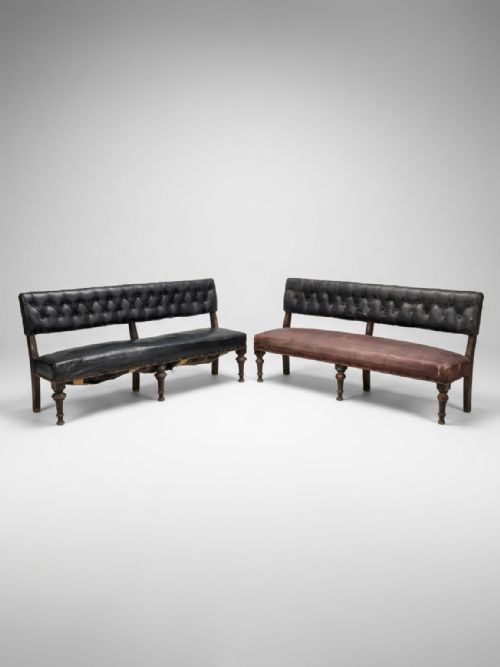
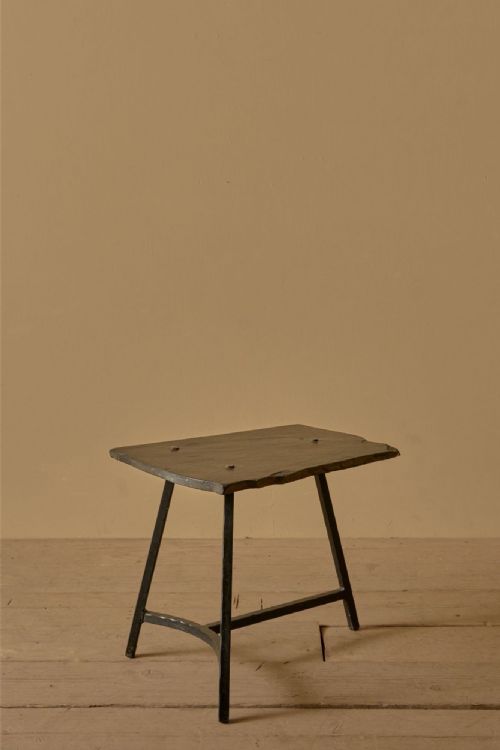
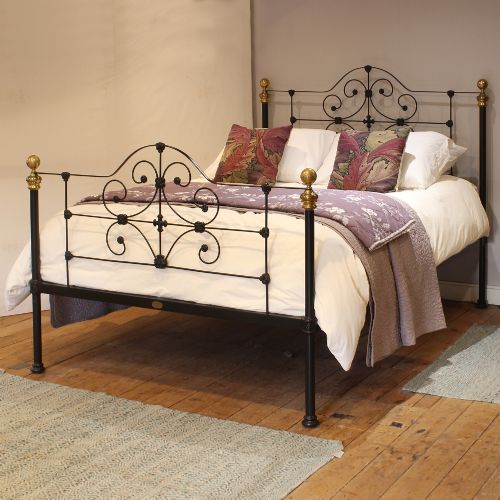
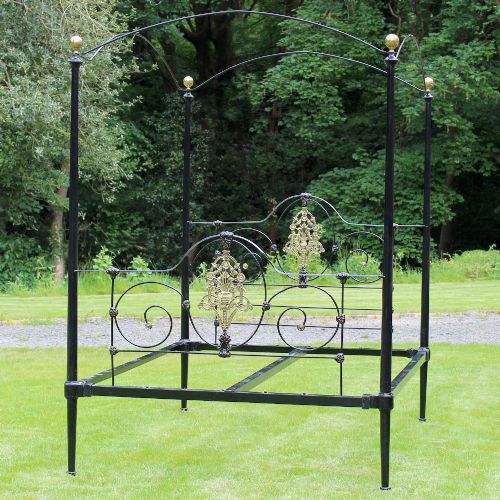
When buyers search for black antique furniture, they encounter a diverse assembly of dark-finished and naturally black items ranging from seventeenth-century cabinets to Art Deco desks. These pieces include seating, tables, beds and garden benches originating across various periods.
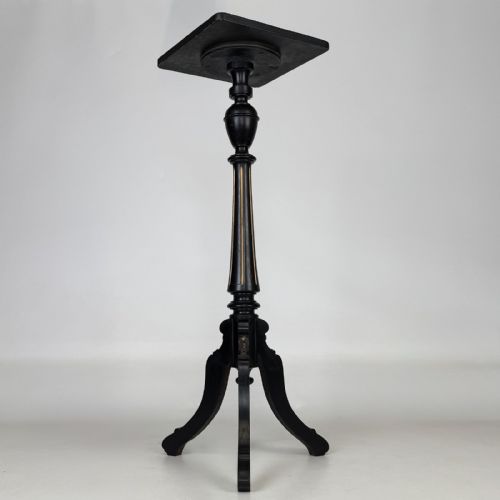
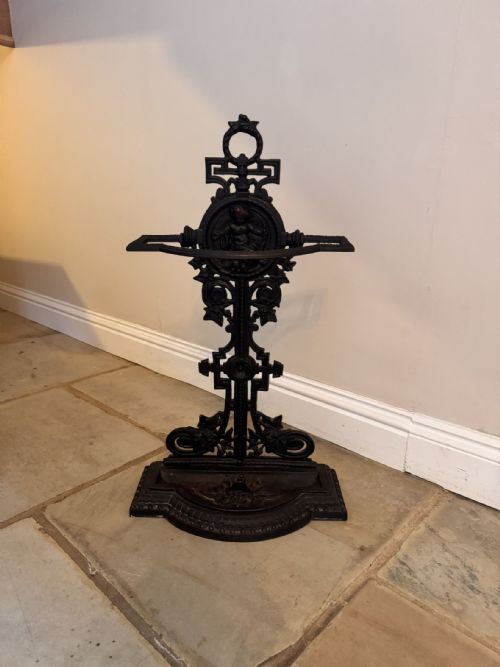
The Victorian era contributes significantly to this category through ebonised wood and cast iron forms. Plant stands, umbrella stands, garden benches and salon chairs demonstrate the nineteenth-century preference for dark finishes.
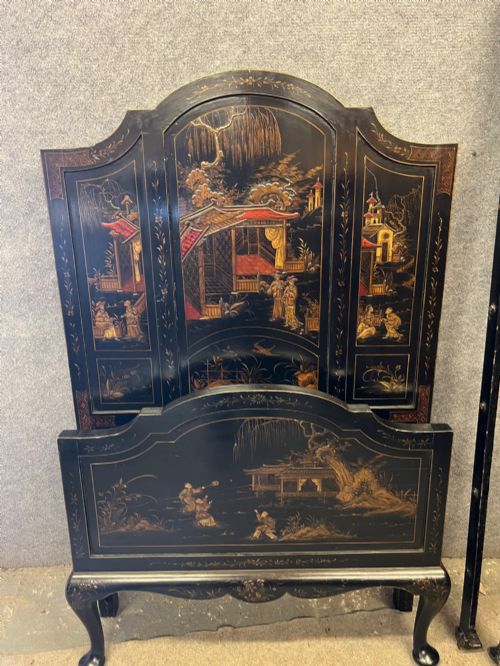
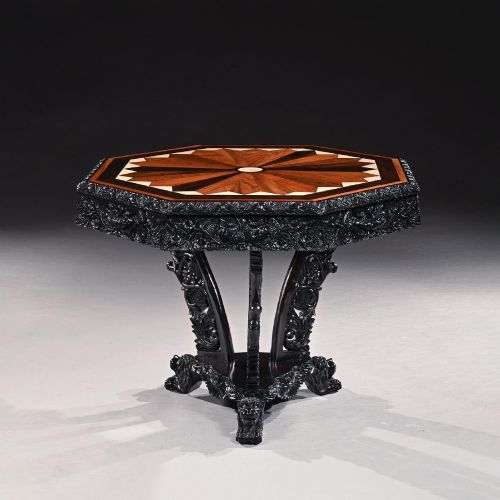
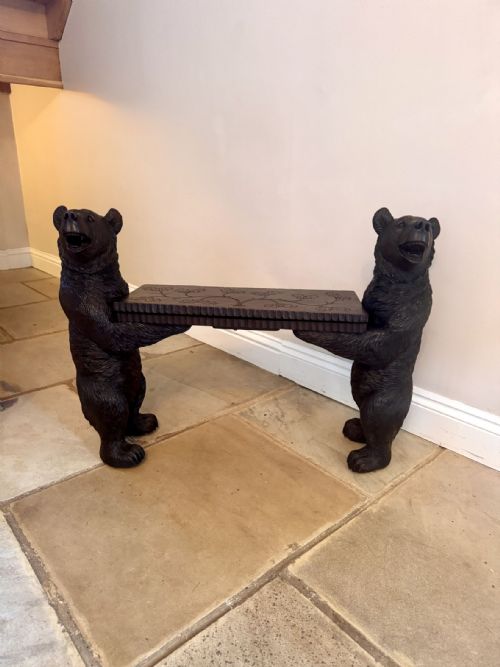
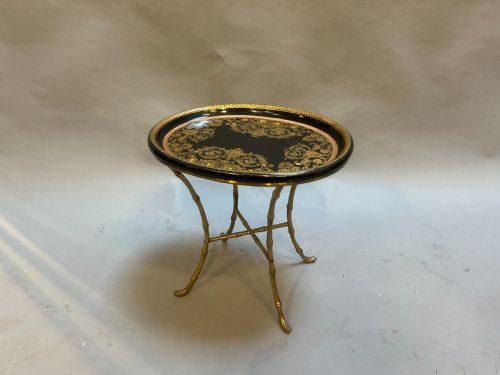
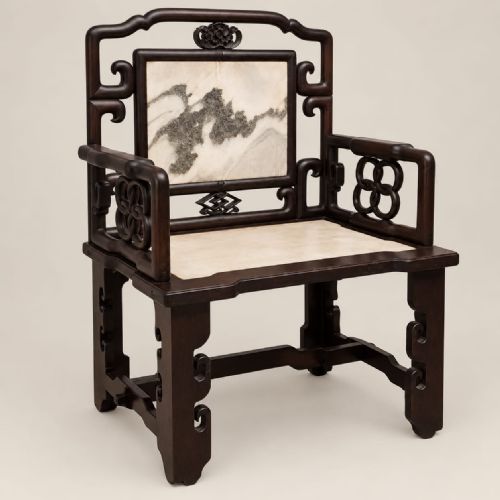
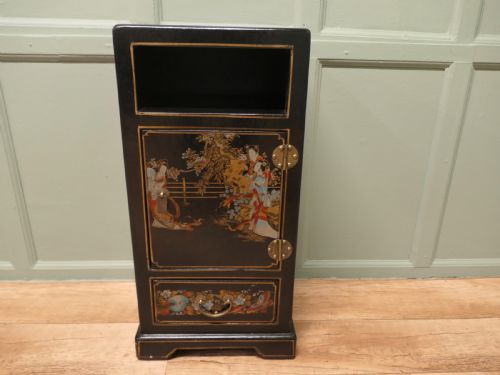
Beyond ebonised pine and walnut, the selection incorporates specific regional and stylistic traditions. Ceylonese ebony tables, Black Forest carved bears, Japanese lacquer cabinets and Chinoiserie beds populate the selection alongside Regency penwork and French Boulle work.
Materials and construction techniques
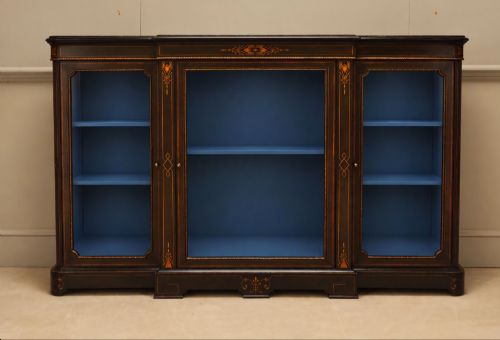
Makers achieved dark surfaces through different methods according to the timber and the period. Ebonised wood involves staining or painting cheaper timbers such as beech or fruitwood to imitate expensive ebony, while Ceylonese pieces utilise solid ebony.
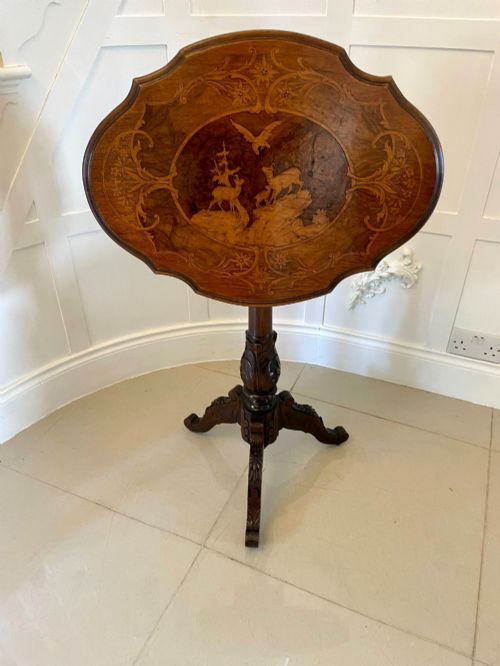
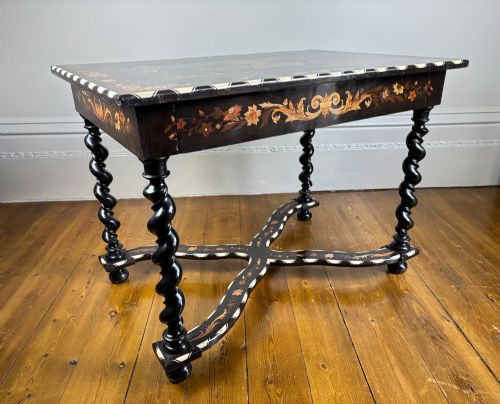
Decorative surfaces frequently incorporate lacquer, gold leaf, marquetry inlay and bone inlay. Chinoiserie and Japanese cabinets apply layers of lacquer with painted or gilded ornamentation.
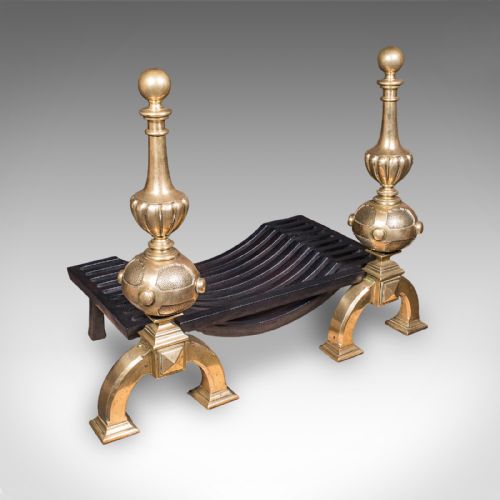
Cast iron and brass serve structural and decorative roles in garden benches, umbrella stands and fireplace sets. Carpenters and metalworkers combined these materials with marble tops and leather desk inserts.
Listings feature ebonised wood, cast iron, lacquer, gold leaf, marble and ebony across multiple centuries.
Distinctions in quality
Quality depends on the precision of the surface finish and the integrity of the underlying construction. Hand-applied lacquer and detailed marquetry inlay distinguish superior examples from plain ebonised items.
The choice of material creates a fundamental division. Solid ebony or genuine tortoiseshell and brass Boulle work represent higher craftsmanship than stained pine or standard cast iron.
Sculptural definition in carved pieces, such as Black Forest animal figures or chip-carved tables, separates masterwork execution from routine workshop production.
The Black Furniture Glossary
- Ebonised
- Wood treated with stain or paint to resemble natural ebony. This technique gained popularity during the Victorian period.
- Chinoiserie
- European decorative style reflecting Chinese artistic motifs. Pieces often feature gold lacquer on a dark ground.
- Boulle work
- Marquetry technique utilising brass and tortoiseshell inlaid into furniture surfaces. It appears on French desks and cabinets.
- Penwork
- Decorative technique using ink drawings on wood surfaces. Regency work tables frequently display this detailed ornamentation.
- Marquetry
- Inlay patterns created using various coloured woods or bone fitted into a veneer. It decorates nineteenth-century tables and desks.
Black Furniture: Frequently Asked Questions
How do I identify Chinoiserie pieces?
Chinoiserie items feature European interpretations of Chinese motifs, typically rendered in gold or coloured paint on a black lacquered ground. Cabinets, beds and side tables display pagodas, figures and landscapes.
These pieces date from various periods including the seventeenth century and the Edwardian era. The hand-painted decoration sets them apart from plain dark furniture.
Are cast iron items considered furniture?
Cast iron serves structural and decorative purposes in garden benches, umbrella stands and tables. Nineteenth-century founders produced robust outdoor and indoor metalwork.
These pieces withstand outdoor conditions while providing ornate Victorian or Gothic designs. They form a distinct branch of the category alongside wooden items.
What distinguishes Ceylonese ebony furniture?
Ceylonese furniture utilises solid ebony carved with intricate floral and foliage patterns. Workshops in nineteenth-century Ceylon produced armchairs and tripod tables for export.
These items rely on the natural density and dark colour of native timber rather than surface stains. Their dense carving separates them from standard European ebonised pieces.