





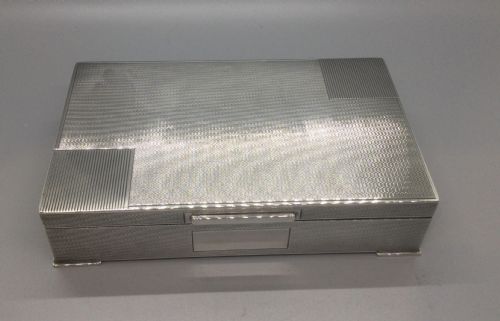


Birmingham Hallmarked Silver Case
When searching for a birmingham hallmarked silver case, collectors find practical accessories and pocket items bearing the assay marks of the Midland trade.
Birmingham Hallmarked Silver Case
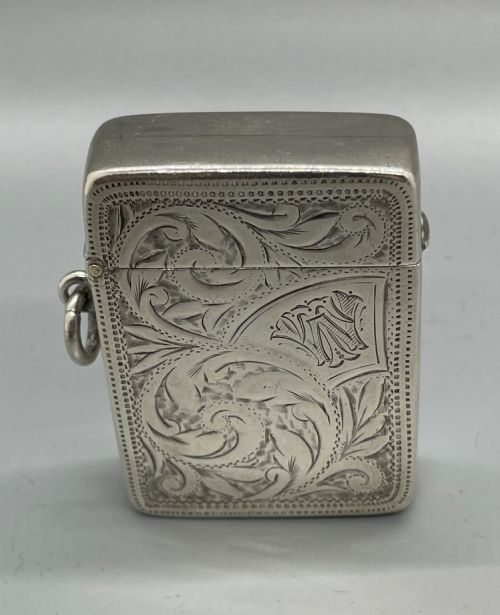
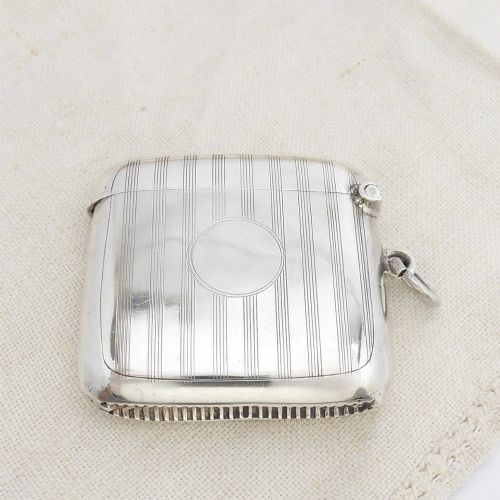
A birmingham hallmarked silver case encompasses a wide variety of personal and household items, most commonly pocket vesta cases, cigarette cases, card cases, and sovereign holders. These objects emerge frequently from Victorian and Edwardian workshops, extending through the George V era and into the Art Deco period.
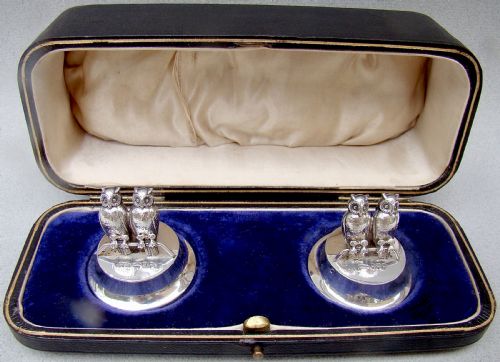
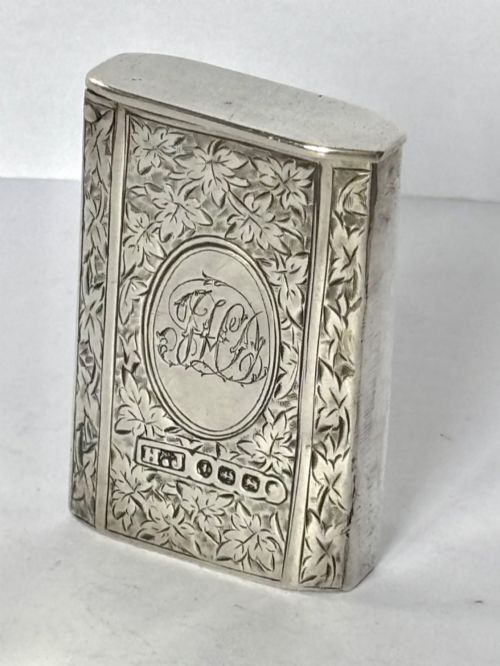
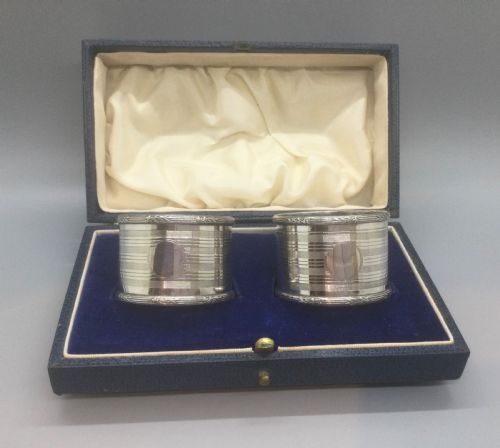
Vesta cases and card cases dominate the selection, often shaped with curved bodies for the pocket or engraved with foliate designs. Collectors also encounter fitted sets, desk accessories, and novelty items bearing the anchor mark of the Birmingham assay office alongside the lion passant and date letters.
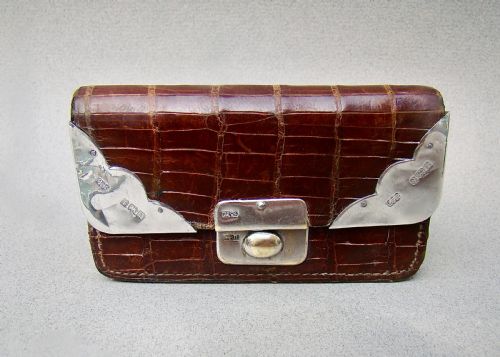
The material record shows sterling silver frequently paired with internal linings of velvet, silk, or leather, alongside exterior elements of crocodile skin, celluloid, and glass. Makers ranged from small specialist silversmiths to larger manufacturing firms operating throughout the Midlands.
Materials and Construction Techniques
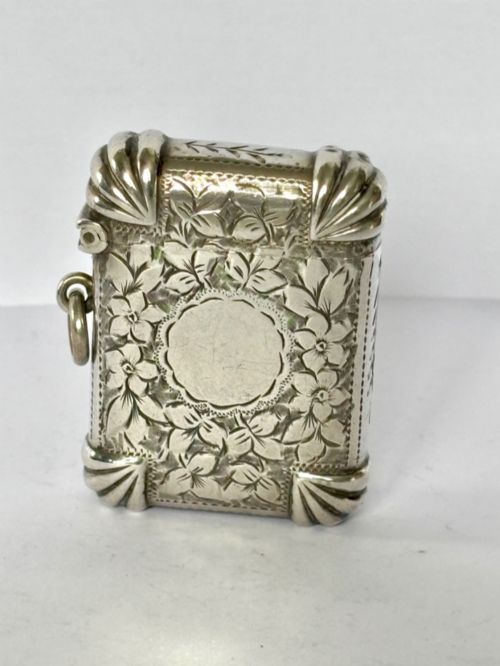
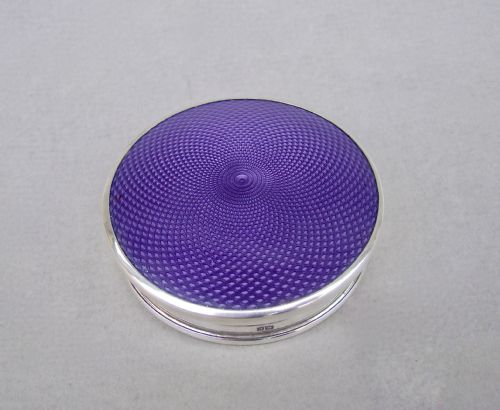
Silversmiths constructed these pieces primarily from sterling silver sheets, shaped by press-forming or hand-hammering over iron stakes. Surface decoration was typically applied through engine-turning, machine engraving, or hand chasing to create geometric, floral, or pictorial motifs.
Hinged components, spring-loaded lids on vesta cases, and secure clasp mechanisms required precise metalworking skills to ensure daily utility. Interior compartments frequently utilised secondary materials such as velvet or silk linings, leather backing, and occasionally celluloid panels.
Hallmarks were stamped directly into the metal using steel punches, recording the standard of silver, the assay office symbol, the annual date letter, and the specific maker's mark.
One particularly charming survivor takes the literal form of a heavy padlock, ready to keep matches securely locked away.
Evaluating Quality and Craftsmanship
Quality in a birmingham hallmarked silver case rests upon the crispness of the original engraving and the structural integrity of hinges and closures. Pieces featuring deep, hand-chased ornamentation or specialist novelty forms generally reflect a higher standard of workshop production than plain, mass-produced stamped variants.
The condition of internal elements, such as intact silk or velvet linings and functional spring mechanisms, distinguishes superior survivals. Additionally, clear and legible hallmarks stamped by notable makers indicate workshop distinction within the broader output of the Birmingham assay.
Levi & Salaman·Joseph Gloster Ltd·A L Dennison·Colen Hewer Cheshire·Henry Matthews·William Comyns·George Edwin Walton
The Birmingham Hallmarked Silver Case Glossary
- Vesta case
- A small pocket container designed to hold matches, typically fitted with a striking stripe on the base. These pieces often feature hinged lids with internal springs.
- Hallmark
- An official stamp applied to precious metals indicating purity, origin, and date of assay. Birmingham output is identified by the anchor symbol.
- Sovereign case
- A compact circular or double-barrelled container made to hold gold sovereign and half-sovereign coins. Many include internal sprung retention rings.
- Card case
- A flat, rigid container utilised for carrying calling cards during the Victorian and Edwardian periods. They frequently display elaborate exterior engraving.
- Sterling silver
- An alloy consisting of ninety-two point five percent silver and seven point five percent other metals, usually copper. This standard is denoted on British wares by the lion passant.
Birmingham Hallmarked Silver Case: Frequently Asked Questions
What are these cases used for?
These items served functional daily roles in the nineteenth and early twentieth centuries, holding matches, calling cards, cigarettes, or gold coins. Their compact sizes allowed them to fit easily into pockets or small handbags.
Today, collectors utilise them as decorative desk objects or continue to use them for modern cards and matches. Their durable silver construction ensures they remain practical for light everyday handling.
How do I read the date letter?
The date letter is a specific alphabetical character stamped alongside the assay office mark and the sterling standard. Each assay office used its own distinct font cycles and shield shapes to denote particular years.
Reference tables match these shifting letter types and shield outlines to exact calendar years of manufacture. Birmingham pieces rely on the specific stylistic quirks of the anchor assay office stamp to confirm the production period.
Are these cases made of solid silver?
Most items bearing the Birmingham hallmarks on this page are constructed from solid sterling silver rather than plated base metal. The presence of the lion passant stamp guarantees the metal meets the official purity standard.
Certain pieces incorporate secondary structural elements or decorative panels made from leather, glass, or celluloid. The primary body and main housing, however, remain solid silver throughout.
How should I clean my silver case?
Cleaning requires a soft microfibre cloth and a mild, non-abrasive silver polish formulated to preserve antique surfaces. Vigorous scrubbing should be avoided, particularly around engraved crevices and stamped hallmarks.
If the piece contains delicate internal linings like silk, velvet, or crocodile skin, polish must be kept away from those materials. Careful handling prevents damage to fragile hinges and spring mechanisms.