







Birdcage Snap Top Table
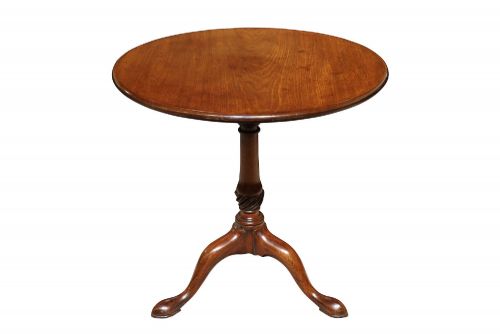
A birdcage snap top table is a clever Georgian tripod piece with a pivoting mechanism that saves space when tilted.
Birdcage Snap Top Table
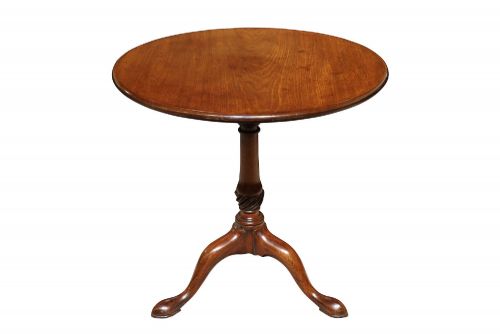
A birdcage snap top table is a practical antique form designed for domestic use in the eighteenth and nineteenth centuries, spanning periods from Early Georgian to Edwardian. These pieces typically function as wine tables, occasional tables, or supper tables, resting on traditional tripod bases.
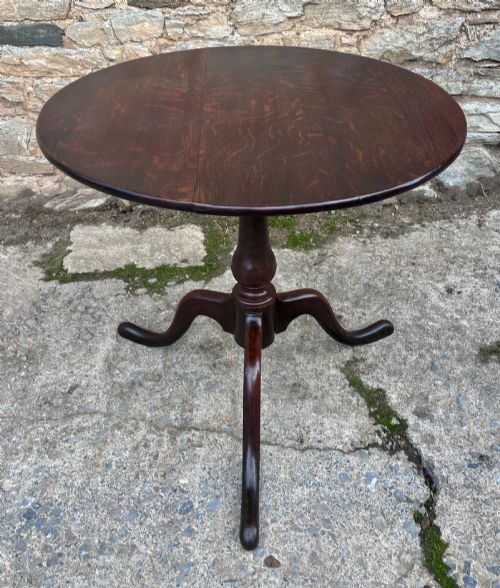
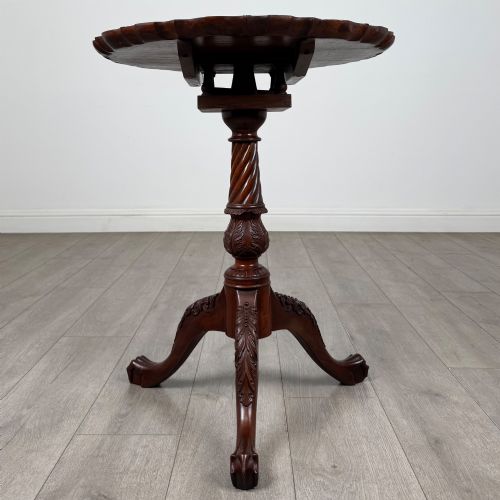
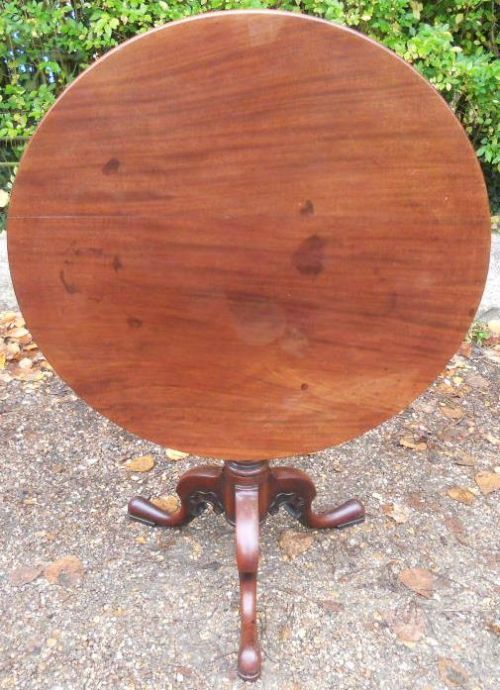
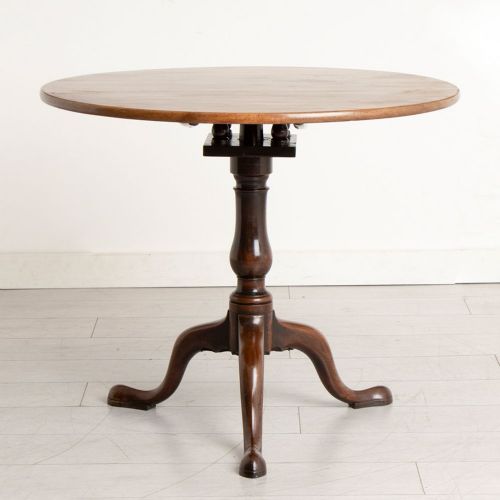
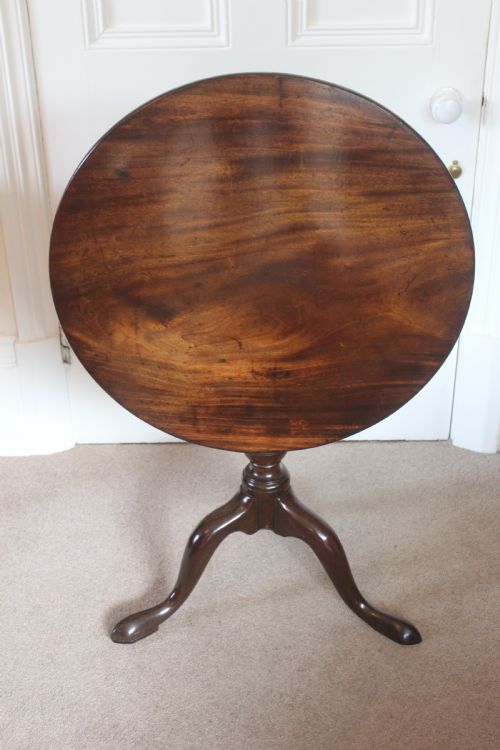
The defining feature is the clever birdcage mechanism beneath the circular top, which allows the surface both to tilt flat and to revolve independently. Most examples encountered here are rendered in mahogany, with occasional country pieces fashioned from oak.
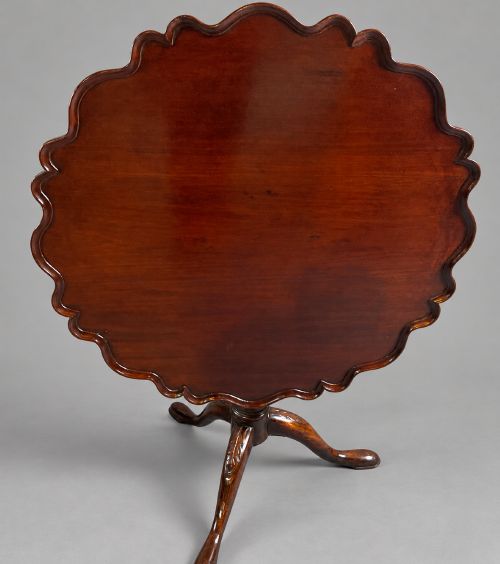
The selection ranges from precise George III circular designs to later Georgian Revival interpretations, alongside related tilt top variants. Buyers will find both dish top profiles and one piece top configurations among the current offerings.
Materials and construction
Makers constructed these tables primarily using solid mahogany and oak, supported by robust tripod bases fashioned with brass and iron components within the turning mechanisms. The timber was selected for grain pattern and stability, particularly for the circular tops.
The distinctive birdcage action relies on intelligent joinery, incorporating a small wooden cage frame that attaches the table top to the central pillar. This allows the surface to pivot smoothly and lock securely into position with a catch.
Birdcage Snap Top Table Retail Price Guide 2026
Typical asking prices for birdcage snap top table among the pieces listed under this phrase on Sellingantiques today, from the lower quarter to the upper quarter. They describe what is for sale here now, not the wider market.
The inventory includes occasional tables, wine tables, and supper tables with revolving tops.
Assessing quality in birdcage tables
Quality rests in the precision of the birdcage mechanism and the timber selected for the top, particularly where makers utilised a single piece of mahogany rather than joined boards. Finer examples display crisp turning on the tripod pillar and neat dovetail or tenon joints.
Proportion and stability separate standard pieces from superior ones, with better tables standing firmly on well-balanced legs without excessive play in the revolving action. The presence of a dish top profile carved from the solid wood adds further distinction.
John Bivins
The Birdcage Snap Top Table Glossary
- Birdcage
- The wooden framework beneath the table top that enables it to tilt and revolve. This ingenious mechanism consists of parallel plates and small spindles.
- Snap top
- A table top fitted with a catch that locks the surface horizontally when in use. It releases to let the top tilt vertically against the pillar.
- Tripod table
- A small freestanding table supported by three legs radiating from a central pillar. This design prevents wobbling on uneven floors.
- Dish top
- A table top with a raised, concave rim turned directly from the solid timber. This feature prevents items from sliding off when tilted.
Birdcage Snap Top Table: Frequently Asked Questions
What is a birdcage snap top table?
A birdcage snap top table is an eighteenth or nineteenth century tripod table featuring a specialised wooden mechanism beneath the surface. This allows the top to tilt vertically and revolve horizontally.
Such pieces were originally used for serving wine or meals in Georgian homes, saving valuable floor space when not in use.
How do you operate the tilt top?
The mechanism relies on a catch that secures the circular top in a horizontal position for dining or display. Releasing this catch allows the table top to pivot upward against the central column.
The small wooden cage frame also enables the top to spin freely in circles while locked flat.
What woods were used for these tables?
Mahogany is the predominant timber found in these listings, prized by Georgian cabinet makers for its rich colour and durability. Oak appears in country pieces from the eighteenth century.
Some examples also incorporate brass and iron within the pivot joints and catches to ensure smooth movement.
How can I date an antique birdcage table?
Dating relies on observing stylistic details such as the shaping of the tripod legs, the turning of the central pillar, and the construction of the birdcage. Pieces from the George III era exhibit specific Georgian proportions and joinery methods.
Later Edwardian versions often show revival characteristics while replicating the functional mechanism of the earlier period.