





Bird Table Sculpture
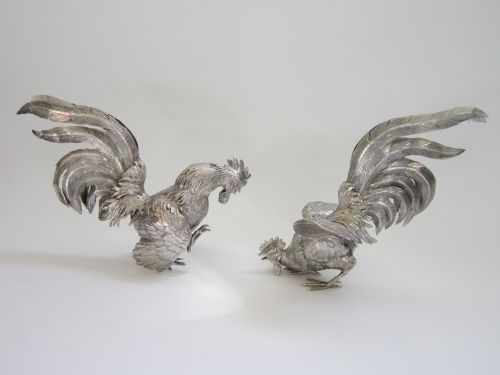
Bird table sculpture brings avian forms into domestic spaces through metalwork, porcelain and carved wood spanning the Victorian period to the mid-century.
Bird Table Sculpture
A bird table sculpture is a decorative piece depicting avian subjects, often rendered as table ornaments, figurines or functional items such as lamps and clocks. When you search for bird table sculpture, you encounter figures cast in bronze, modelled in porcelain or shaped from silver, often placed on a surface or integrated into a timepiece.
The objects on this page bridge multiple eras, stretching from late nineteenth-century Victorian works through Edwardian designs to Art Deco and mid-century modern interpretations. Materials range from solid silver and spelter to marble and wood, reflecting varied manufacturing traditions across Britain, Europe and the wider world.
Materials and Construction
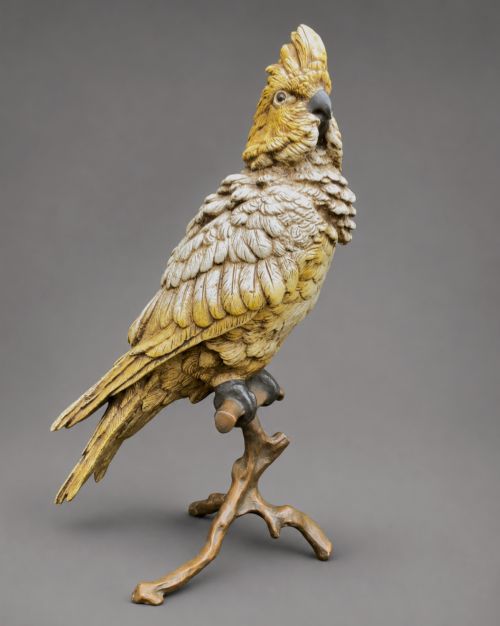
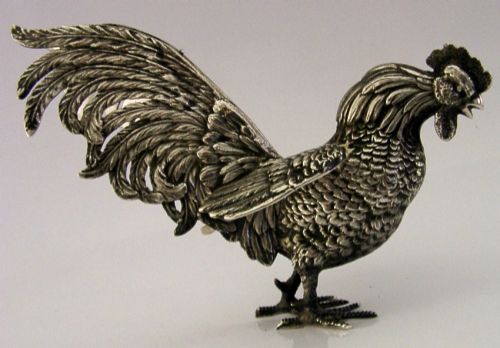
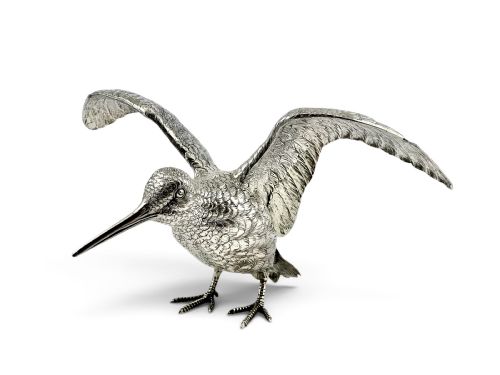
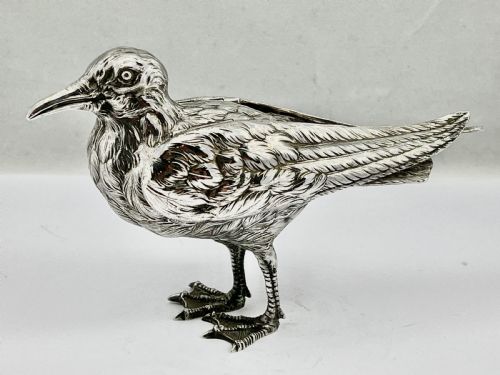
Metal sculptures rely on casting techniques, utilising bronze, brass and spelter to capture plumage and posture before finishing. Silver pieces often involve hammering and chasing, while cold-painted bronze employs enamel colours applied to a metallic base.
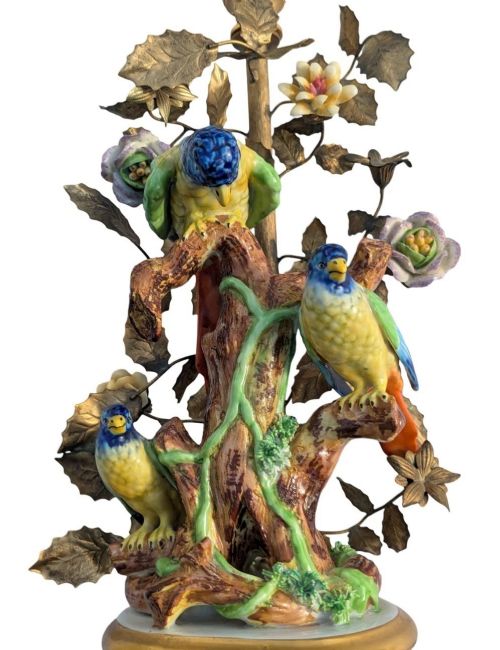
Ceramic examples such as porcelain figures and lamps utilise moulded clay fired at high temperatures, then hand-painted with glazes. Wooden and papier-mâché studies involve carving, shaping and surface decoration to depict naturalistic bird forms.
Bird Table Sculpture Retail Price Guide 2026
Typical asking prices for bird table sculpture among the pieces listed under this phrase on Sellingantiques today, from the lower quarter to the upper quarter. They describe what is for sale here now, not the wider market.
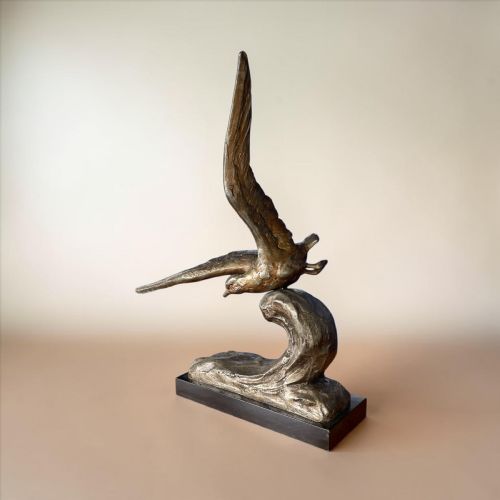
Art Deco sculptors apparently found endless drama in a lone seagull contemplating a wave.
Factors of Quality
Quality rests upon the precision of the casting and the naturalism of the bird's posture, separating finely detailed models from mass-produced castings. Surface finishes, whether hand-applied cold paint or delicate porcelain glazes, dictate the visual depth of the piece.
The integrity of the material, from heavy sterling silver to genuine carved wood and marble bases, establishes the lasting durability and weight of the object. Maker attribution and hallmarks further distinguish exceptional works from unmarked decorative items.
Franz Bergman·Berthold Muller·Meissen
The Bird Table Sculpture Glossary
- Cold-painted bronze
- A manufacturing method where bronze figures are painted with oil-based colours rather than fired in a kiln. This technique was popular in Austrian workshops during the late nineteenth and early twentieth centuries.
- Spelter
- An alloy of zinc and lead used as a cheaper alternative to bronze for decorative figures. It is softer and lighter than bronze, often painted to resemble more expensive metals.
- Hallmark
- An official stamp applied to precious metals indicating purity, origin and maker. British and continental silver pieces frequently carry these small stamped marks.
- Opaline glass
- A type of semi-translucent glass, often mottled or coloured, used in lamp shades and decorative mountings during the Art Deco period. It diffuses light softly across metallic figures.
Bird Table Sculpture: Frequently Asked Questions
What is a bird table sculpture?
A bird table sculpture is a decorative figurine or ornamental object depicting birds, designed to sit on furniture or serve as part of a clock or lamp. These pieces capture avian subjects in materials like silver, bronze and porcelain.
Originating across the Victorian, Edwardian and Art Deco eras, these sculptures reflect changing tastes in interior decoration and animal representation.
How do I identify Art Deco bird sculptures?
Art Deco bird sculptures are characterised by streamlined forms, stylised plumage and modern materials like chrome, mottled glass and marble. They often depict seabirds like albatrosses and seagulls in dynamic poses.
These pieces typically date from the 1920s and 1930s, showing geometric influences rather than the naturalism of earlier Victorian works.
Are porcelain birds marked?
Porcelain bird figures and lamps frequently bear factory marks, underglaze stamps or incised numbers on their bases. These marks identify the pottery or manufacturer, such as Meissen or Dresden.
Examining the underside of a porcelain piece is the primary method for confirming its period and origin.