


Biedermeier Furniture Desk
These biedermeier furniture desk pieces combine clean continental lines with rich timber veneers, offering practical writing surfaces for the modern study.
Biedermeier Furniture Desk
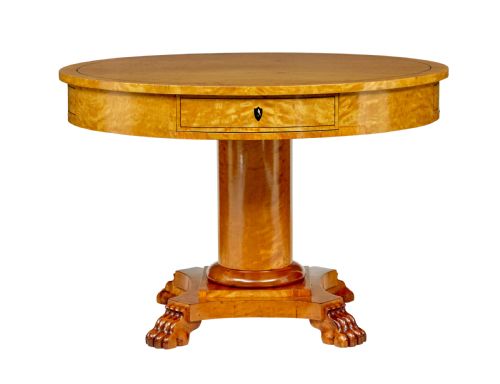
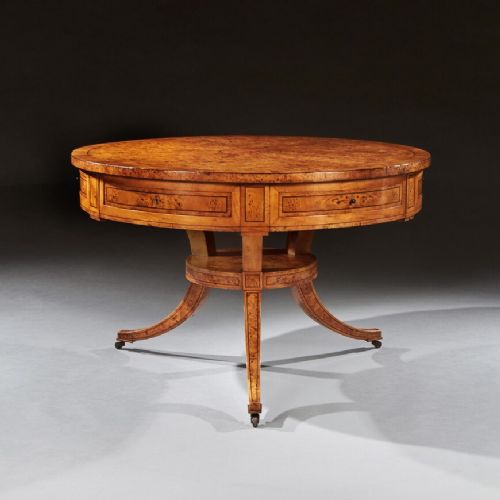
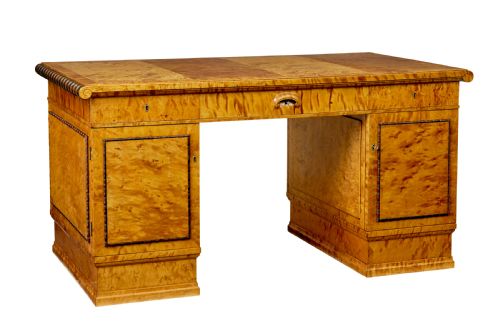
When you search for biedermeier furniture desk, you meet practical writing furniture from the nineteenth century alongside later Scandinavian iterations. The selection here spans secretaires, writing tables, and pedestal desks originating from continental workshops and Swedish makers.
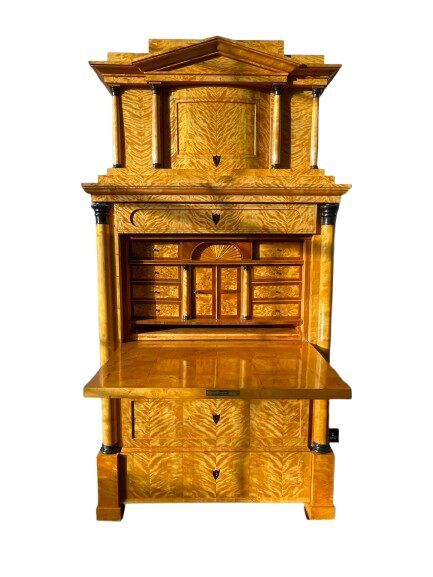
The nineteenth century examples form the core of the items encountered here, featuring drop fronts and fitted interior compartments. Mahogany, birch, and burr root maple dominate the construction of these writing surfaces.
Later pieces from the twentieth century draw upon Scandinavian Neo-Classical traditions and Swedish Grace aesthetics. These variants adapt the earlier forms into simpler pedestal formats and occasional tables.
How they were made
Cabinet makers utilised pine and birch as structural carcasing woods, applying figured veneers such as birch veneer and mahogany over the top. Ebonised wood often provides strong linear contrast against the pale blonde tones of the primary timbers.
Surface decoration relies heavily on the natural grain patterns of burr birch and burr root maple rather than carved ornament. Brass mounts and escutcheons appear sparingly to accent keyholes and drawers.
Some secretaires hide secret compartments behind dummy drawer fronts, built to keep love letters away from inquisitive household staff.
What varies in quality
The selection of timber veneer dictates the visual impact of each piece, with matched burr patterns marking out superior examples. Plain surfaces tend to indicate more utilitarian workshop production.
Interior arrangement complexity separates standard writing tables from grander secretaire chests. Fitted drawers and secret compartments demonstrate higher standards of nineteenth-century craftsmanship.
The Biedermeier Furniture Desk Glossary
- Secretaire
- A writing cabinet featuring a fall front or sliding writing surface that conceals small drawers and pigeonholes. This form allows the user to hide correspondence when not in use.
- Escritoire
- An alternative term for a writing desk or small bureau. It typically denotes a refined piece designed for intimate correspondence.
- Abbatant
- A vertical fall-front writing desk where the front panel folds down to create a horizontal desk surface. It originates from continental European cabinet making.
- Veneer
- A thin slice of figured wood applied over a secondary timber base to create decorative surfaces. Burr veneers utilise burls for intense grain movement.
- Ebonised
- Wood treated to imitate the dark appearance of ebony. This finish provides sharp visual borders on nineteenth-century Scandinavian case pieces.
Biedermeier Furniture Desk: Frequently Asked Questions
What is a Biedermeier secretaire?
A Biedermeier secretaire is a nineteenth-century writing cabinet featuring a drop-front writing flap and internal compartments. These pieces combine austere architectural forms with highly figured timber veneers.
Cabinet makers designed them for domestic use in continental Europe and Scandinavia. They offer both concealed storage and a functional writing surface.
How do I identify birch veneer?
Birch veneer presents a pale blonde colour with distinct swirling or linear grain patterns. On these desks, the veneer covers a secondary wood core to create decorative surfaces.
Makers selected figured sections such as burr birch to highlight the natural patterns of the timber. This technique maximises visual impact without relying on carved decoration.
Where were these desks made?
The pieces originate primarily from continental Europe and Scandinavia during the nineteenth century. Swedish workshops produced many of the birch and burr maple examples found in this selection.
Later twentieth-century examples continue this northern European design heritage through Swedish Grace and Art Deco interpretations.
How do I care for ebonised wood?
Ebonised wood requires dusting with a soft dry cloth to prevent surface scratching. Avoid placing these pieces in direct sunlight or near heat sources to protect the dark finish.
Applying occasional wax formulated for dark woods helps maintain the subtle sheen of the ebonised detailing.