
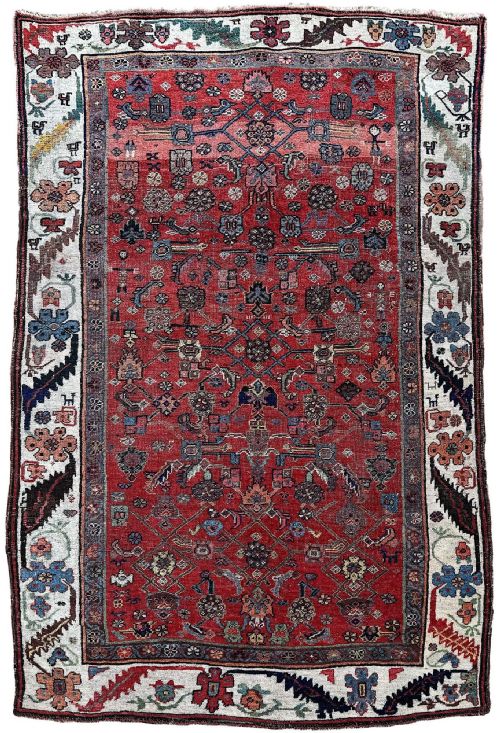
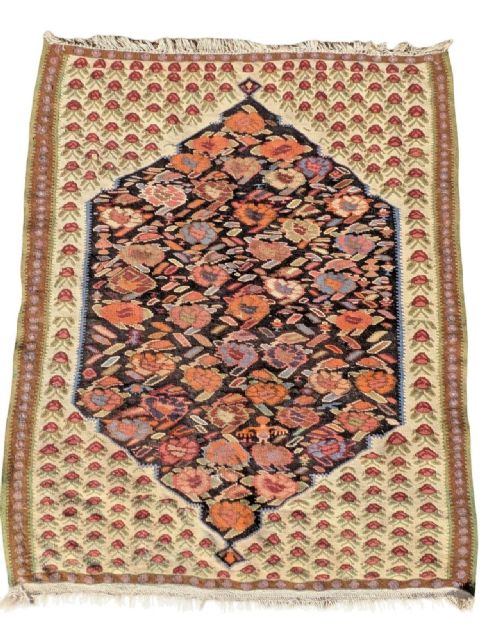
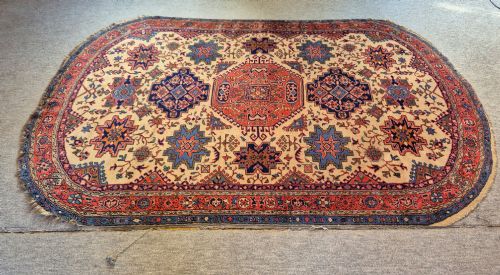
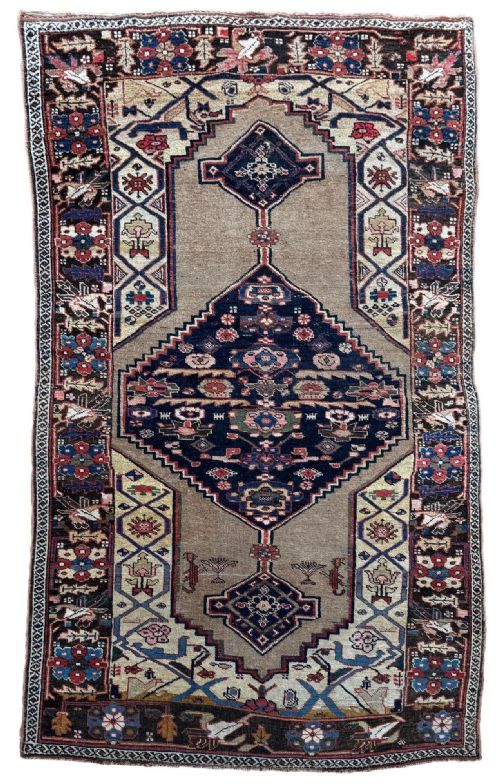
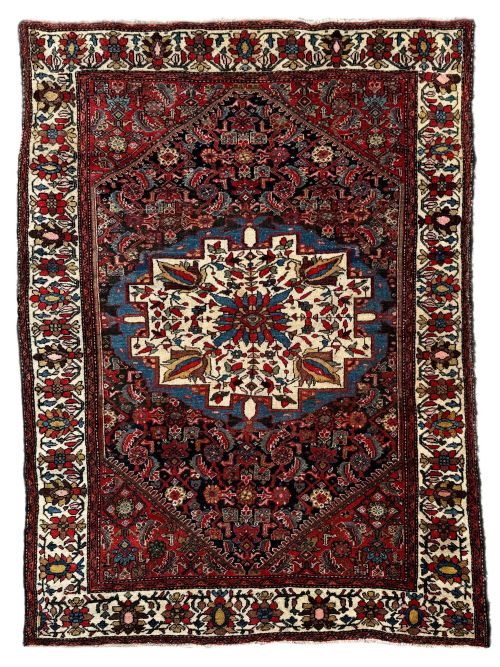


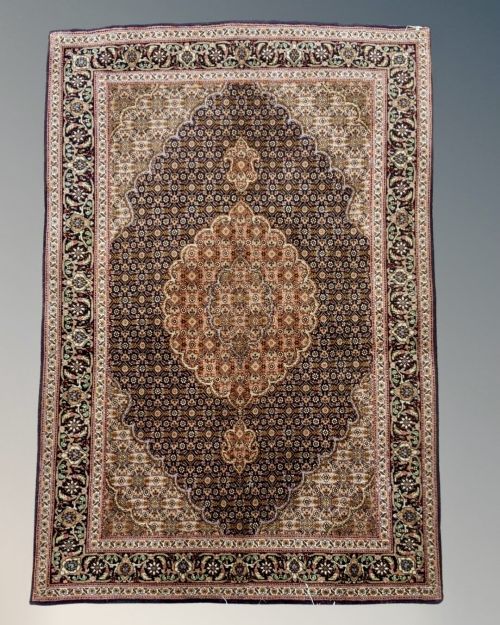


Bidjar Area Rug
A bidjar area rug brings immense structural density and rich Persian tribal artistry into a room.
Bidjar Area Rug
A bidjar area rug represents the renowned weaving tradition of the Kurdish town of Bijar and its surrounding region in Persia. These floor coverings are celebrated for their exceptional durability, often earning the title of the iron carpets of Persia due to their heavy, rigid foundations.
Buyers browsing this selection will encounter formats ranging from smaller scatter pieces and village rugs to large Kelleh carpets and oversized room-sized rugs. The pieces date from the nineteenth century through to the early decades of the twentieth century, showcasing traditional Persian and Kurdish designs.
Village weavers and tribal artisans produced these textiles utilising time-honoured geometric and floral motifs. Each rug reflects the distinct cultural heritage of Kurdish weavers working in the western Persian highlands.
What varies in quality
Quality in these textiles depends heavily on the tightness of the weave and the precision of the tribal design execution. Finer examples display intricate medallion work and crisply rendered floral motifs executed with exceptional knot density.
The condition of the wool pile and the integrity of the cotton foundation determine the overall preservation of the piece. Format also influences desirability, with larger carpets and unusual formats commanding distinct interest among collectors.
Listings feature pieces spanning from the nineteenth century to the early twentieth century, constructed entirely from wool and cotton.
The Bidjar Area Rug Glossary
- Kelleh
- A long, rectangular format of Persian carpet traditionally used in specific room layouts. These formats offer greater length relative to their width than standard area rugs.
- Kilim
- A flat-woven carpet or rug produced without a pile. These pieces rely on interlocking warp and weft threads to form crisp geometric patterns.
- Garrus
- A specific design style associated with carpets woven in the Bidjar region, typically featuring bold Herati patterns or large-scale floral meanders.
- Kurdish
- Pertaining to the ethnic group of weavers in western Persia who produced these resilient rugs. Their tribal designs often incorporate distinct geometric motifs and symbolic elements.
- Foundation
- The underlying structural grid of warp and weft threads that supports the wool pile. In these rugs, cotton serves as the primary material for this supportive framework.
Bidjar Area Rug: Frequently Asked Questions
How do I care for a bidjar area rug?
Regular gentle vacuuming without a rotating brush helps prevent dust accumulation within the dense wool pile. Professional cleaning by specialists in antique textiles ensures the preservation of the natural wool fibres.
Positioning the rug away from direct, harsh sunlight protects the natural dyes from fading over time. Using an appropriate underlay prevents unnecessary sliding and reduces friction against hard flooring.
Where were bidjar area rugs made?
These rugs originated in the town of Bijar and the surrounding Kurdish villages in western Persia. Local artisans developed unique weaving techniques distinct from urban Persian workshops.
The mountainous geography and nomadic traditions of the region strongly influenced the robust construction methods and geometric design vocabulary.
Why are they called iron carpets?
The heavy packing of the foundation and wool pile gives these rugs an exceptional stiffness and rigidity. This dense construction makes them exceptionally resilient against heavy foot traffic.
Weavers achieved this durability by dampening the wool and pounding the weft threads tightly together during the knotting process.
How do I date an antique rug?
Dating relies on examining the characteristics of the wool, the palette of natural dyes, and stylistic indicators within the design. Variations in structural format and wear patterns also offer clues to the period of origin.
Nineteenth-century examples often display subtle shifts in tone from hand-spun wool and natural dye baths, whereas later pieces show evolving village trends.