
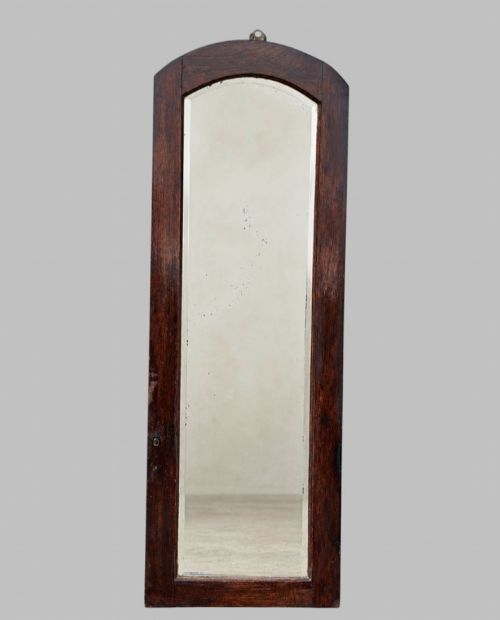
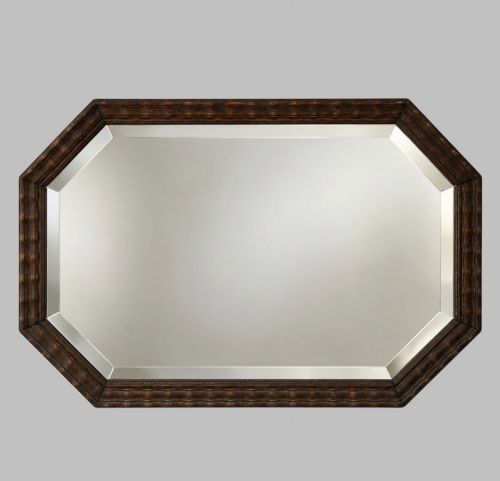
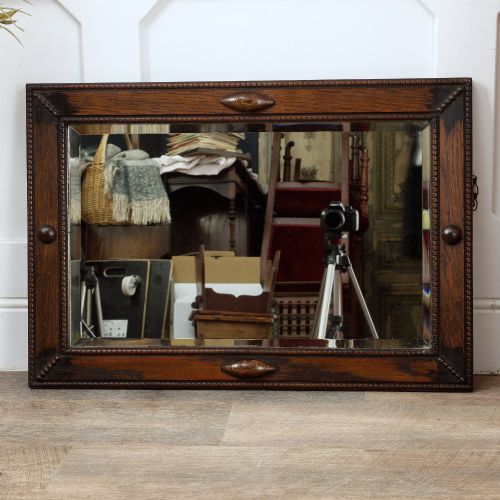
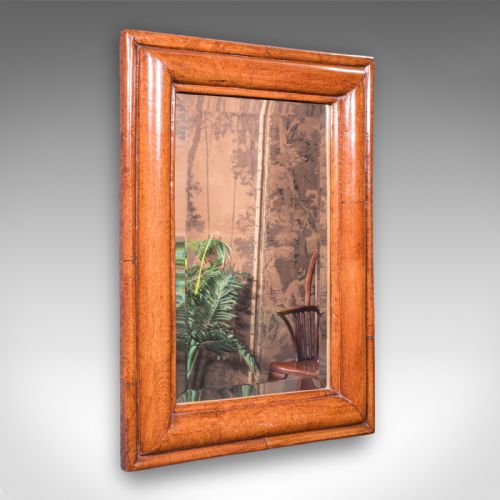
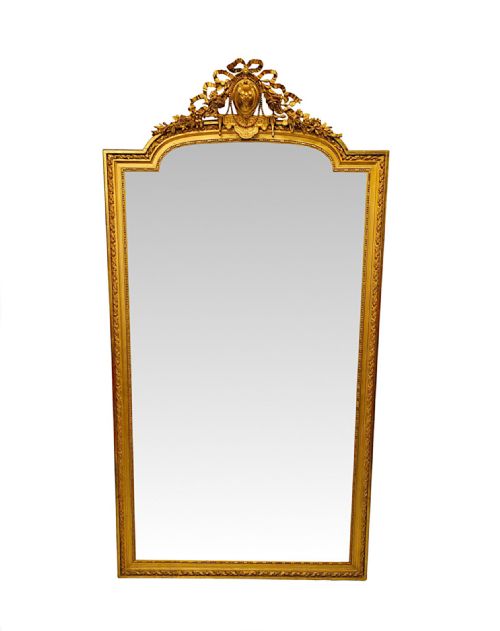


Bevelled Hall Mirror
A bevelled hall mirror brings depth and a clean edge to an entryway, catching the light in narrow spaces.
Bevelled Hall Mirror
A bevelled hall mirror serves as both a practical looking glass for an entryway and a decorative focal point in a narrow corridor. These pieces appear across several eras, including the Victorian, Edwardian, and Georgian periods, each bringing distinct proportions to the hallway.
The selection ranges from compact oak frames to tall giltwood designs, alongside hall stands and coat racks featuring inset plates. Oak and mahogany dominate the timber frames, often accompanied by brass hooks, valet compartments, or key boxes for everyday utility.
Buyers frequently encounter Edwardian and late nineteenth-century interpretations, particularly in solid or carved oak, alongside lighter walnut and gilt gesso examples. These pieces reflect the domestic requirements of their time, combining reflective glass with functional storage for the entrance hall.
Materials and Construction Techniques
Makers constructed these frames using traditional cabinet-making methods, employing solid timbers such as oak, mahogany, walnut, and rosewood. Joinery includes secure corner joints and carved or applied mouldings that frame the glass securely.
The distinctive bevel on the glass plate is achieved by grinding and polishing the outer edges at a shallow angle, creating a prismatic edge that refracts light. Frames finished in gilt gesso utilise carved plaster layers built up over a wooden base and coated in gold leaf.
Functional additions such as brass hooks, valets, and cast metal brackets are screwed directly into the wooden framework or backing boards to support coats and hats.
Edwardian hall mirrors frequently include a dedicated valet compartment, ensuring households lost fewer gloves upon arrival.
Distinctions in Quality and Craftsmanship
The weight and depth of the timber frame set the foundation for overall quality, with dense oak and finely figured mahogany representing superior cabinet work. Deep bevelling on thick glass plates indicates a higher standard of manufacture compared to flat, thin panes.
Carved ornamentation reveals the hand of the maker, distinguishing crisply chiselled oak foliage and detailed gilt gesso moulding from mass-produced cast substitutes. The retention of original brass hardware, integrated key boxes, and structural backing boards preserves the integrity of the piece.
Waring and Gillow
The Bevelled Hall Mirror Glossary
- Bevel
- The angled edge ground along the perimeter of a mirror plate. This technique softens the boundaries and refracts light into distinct colours.
- Gesso
- A plaster-like material applied to wooden frames and carved before gilding. It provides a smooth base for gold leaf application.
- Valet
- A compartment, shelf, or set of hooks attached to a mirror frame for holding small personal items. These additions suited the traditional hallway routine.
- Giltwood
- Timber carved and coated with gold leaf. This finish was favoured in formal reception spaces for its reflective brilliance.
- Pier mirror
- A tall, narrow glass designed to hang on the wall space between windows. They often share proportions with large hallway and reception mirrors.
Bevelled Hall Mirror: Frequently Asked Questions
Where should I hang a hall mirror?
Position the glass opposite a doorway or light source to maximise the reflection of natural daylight into a dim corridor. Hang the frame at a height that allows comfortable use for a final check before leaving the house.
Consider the proximity of coat hooks or key boxes attached to the frame so that garments do not obscure the lower edges of the glass plate.
How do I identify an Edwardian mirror?
Edwardian pieces often feature lighter quarter-sawn oak frames, sometimes decorated with carved floral motifs or subtle inlaid woodwork. They frequently incorporate practical accessories like brass coat hooks or small valet shelves.
The woodwork typically shows a warmer, lighter tone than the darker, heavy carved styles associated with earlier Victorian furniture.
What is a key box mirror?
A key box mirror combines a wall-mounted looking glass with a small enclosed compartment or cabinet below the plate. This design kept house keys and small daily essentials secure and organised in the entrance.
The woodwork incorporates a small hinged door, often fitted with a brass latch or knob.
How do I care for antique mirror glass?
Clean the glass surface gently with a soft cloth and a mild, ammonia-free glass cleaner applied to the cloth rather than sprayed directly. This prevents moisture from seeping behind the bevelled edge and damaging the silver backing.
Inspect the wooden frame periodically and apply a suitable wax polish to nourish dry timber without touching the reflective silvering.