


Bergman Vienna Bronze Ornament
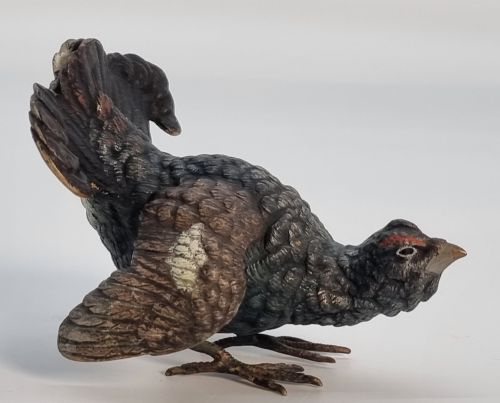
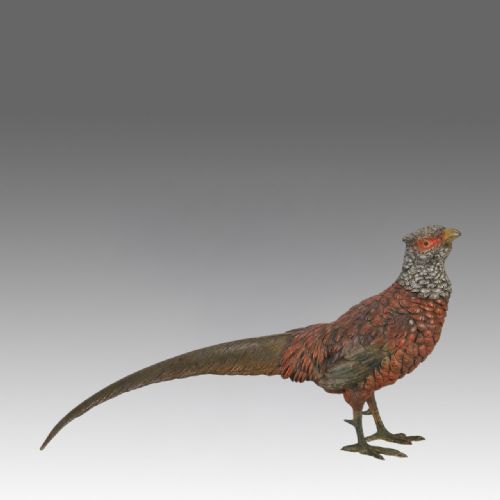
These small bronze figures capture the distinct charm of a bergman vienna bronze ornament.
Bergman Vienna Bronze Ornament
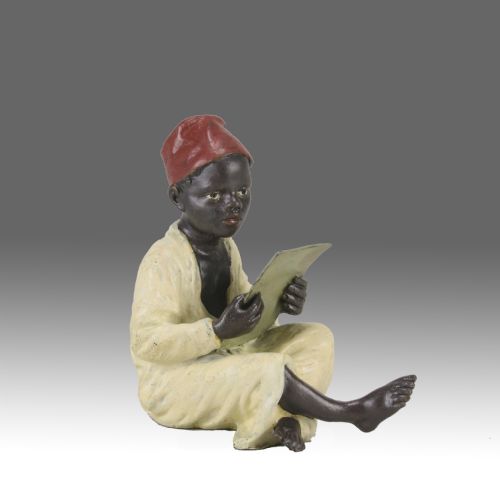
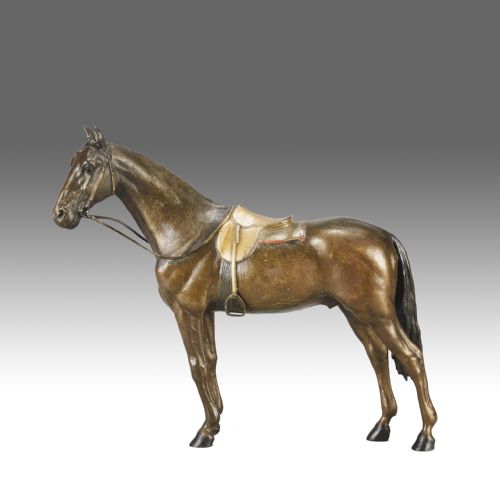
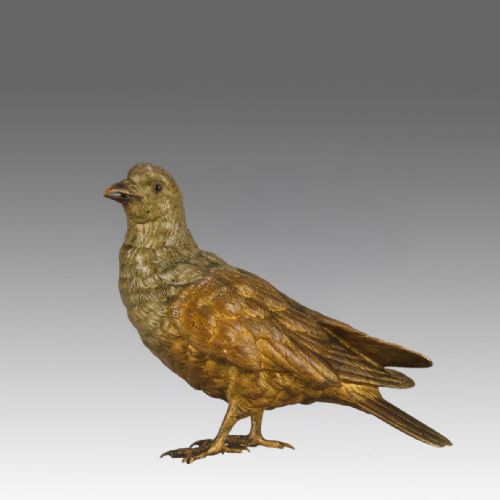
When you search for a bergman vienna bronze ornament, you are looking at miniature animal studies and figural groups created in Austrian workshops during the late nineteenth and early twentieth centuries. The pieces most likely to be met here include birds, horses, dogs, and human figures designed as sculptures or inkwells.
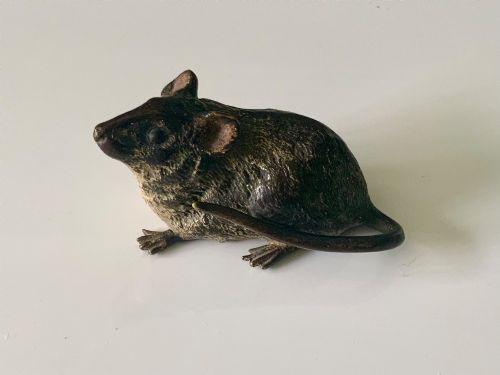
These works span the Victorian period through to the early decades of the twentieth century, aligning with Art Nouveau aesthetics and Austrian Orientalism. Subjects range from naturalistic wildlife such as pigeons, pheasants, and mice to more elaborate Orientalist scenes.
How they were made
These sculptures are cast in bronze using traditional foundry methods to achieve fine detail in miniature forms. The metal is then finished with cold-applied paint rather than kiln-fired enamel, giving the surfaces their characteristic polychrome appearance.
The application of cold paint requires careful brushwork directly onto the bare metal, often supplemented by enamel paint details to define feathers, fur, and clothing.
Listings feature cold-painted bronze, paint, enamel paint, and alabaster across Vienna Bronze, Art Nouveau, and Animalier styles.
What varies in quality
The standard of a piece depends largely on the crispness of the initial bronze casting and the fidelity of the sculptural modelling. Stronger examples show sharp anatomical definition in the animal and human subjects before any colour is applied.
The preservation and skill of the original cold-painted surface also dictate the standing of an object. Pieces retaining their early polychrome finishes with minimal loss display greater artistic integrity than those with compromised surfaces.
Franz Bergman·Franz Xavier Bergman
The Bergman Vienna Bronze Ornament Glossary
- Cold-painted bronze
- A bronze sculpture decorated with unfired paint applied directly to the metal surface. This technique requires careful handling to preserve the delicate pigment over time.
- Animalier
- A nineteenth-century artistic style focused on the realistic depiction of animals. Sculptors in this tradition studied anatomy closely to capture creatures in lifelike poses.
- Vienna bronze
- Small-scale bronze figures produced in Austrian foundries during the late nineteenth and early twentieth centuries. They are widely recognised for their humorous, naturalistic, and Orientalist subjects.
- Orientalism
- An artistic movement inspired by the cultures of the Middle East and North Africa. In these bronzes, it manifests in figures such as whirling dervishes and attendants.
- Inkwell
- A small container for holding ink, often incorporated into desk sculptures. These functional pieces combine utility with decorative figural casting.
Bergman Vienna Bronze Ornament: Frequently Asked Questions
What is a Bergman Vienna bronze?
A Bergman Vienna bronze is a small, cold-painted metal sculpture produced by the Bergman foundry in Austria during the late nineteenth and early twentieth centuries. These pieces encompass a wide variety of animal and figural subjects.
They were cast in bronze and decorated with hand-applied cold paint to create detailed miniature works of art.
How were these bronzes painted?
Unlike ceramics or porcelain, these bronzes were not fired in a kiln after painting. Instead, artists applied layers of cold paint directly onto the metal surface.
This technique allows for subtle shading and fine details on feathers, fur, and garments, though the paint remains delicate.
Where should I display my bronze?
These small sculptures suit placement on desks, mantelpieces, or inside glass cabinets where they can be viewed closely. Because cold paint is sensitive to moisture and friction, they should be kept away from direct sunlight and high humidity.
Handling should be kept to a minimum to protect the original surface finish.
How do I identify the period?
Dating relies on stylistic markers such as the transition from Victorian naturalism into Art Nouveau designs of the early twentieth century. Foundry marks and signatures, when present, also help place the casting within the active years of the workshop.
Subject matter and the specific quality of the cold-painted finish offer further clues to the era of production.