





Beige Tapestry Wall Hanging
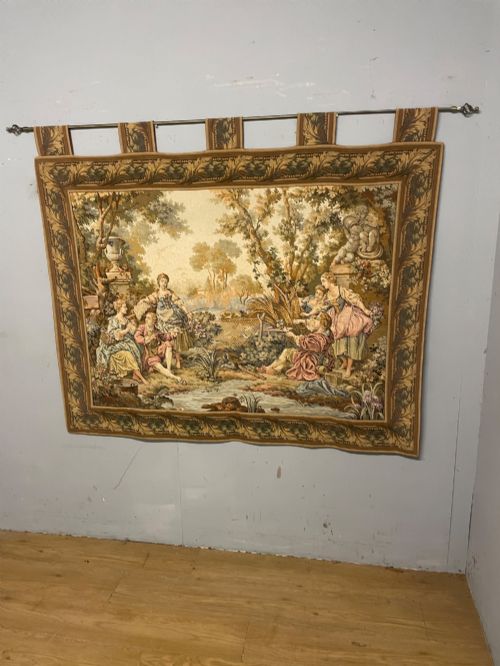
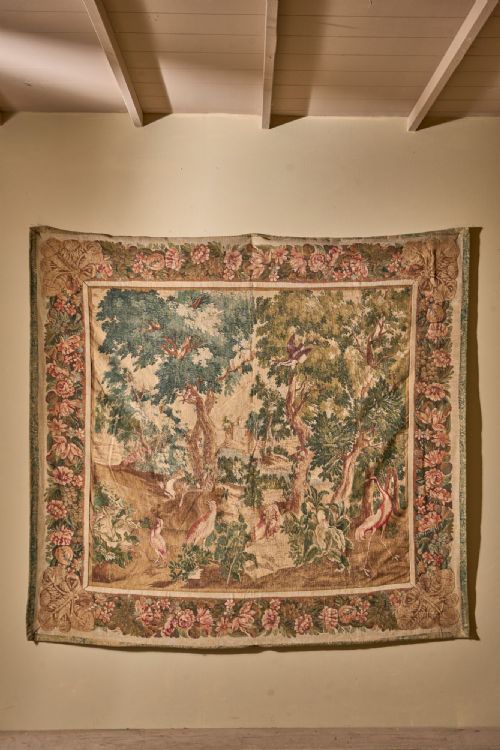
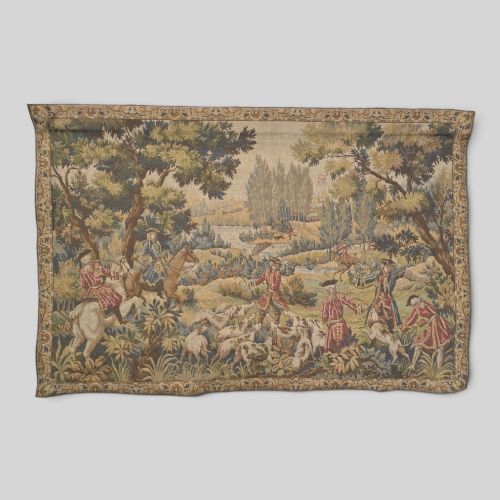
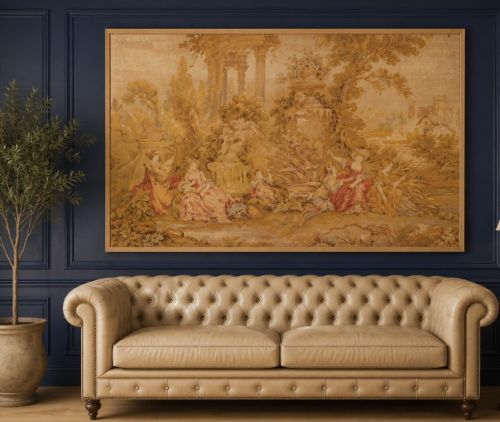
These beige tapestry wall hanging pieces bring historic French and Flemish pastoral scenes into modern rooms through woven wool, cotton, and silk.
Beige Tapestry Wall Hanging
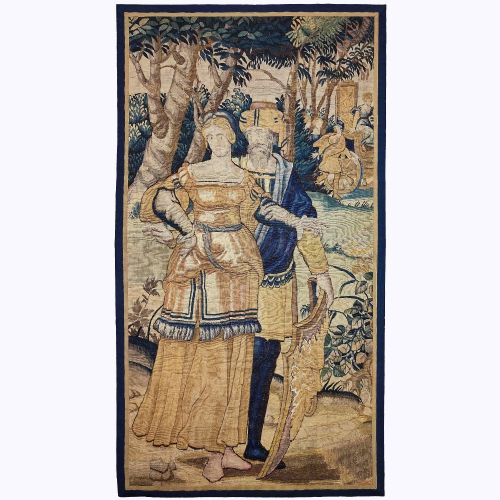
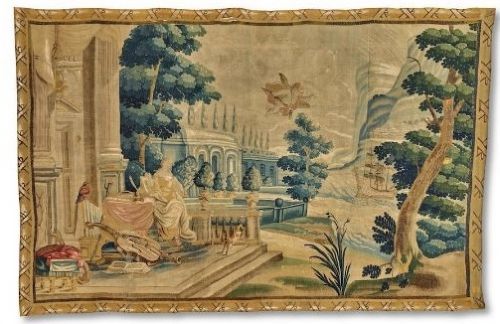
A beige tapestry wall hanging brings historic woven art into domestic spaces through large panels, fragments, and framed textiles. Buyers searching for a beige tapestry wall hanging most commonly encounter 19th-century French Aubusson examples alongside earlier Flemish and Brussels works.
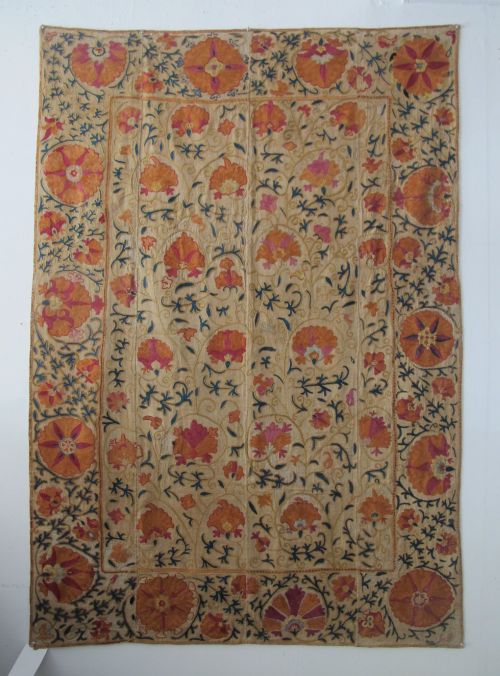
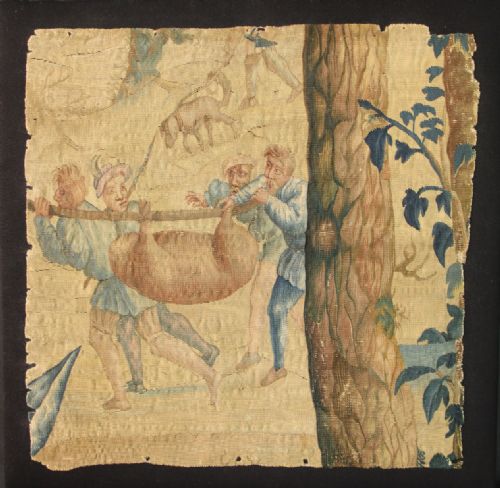
The selections range from grand mythological scenes and pastoral landscapes to floral entre-fenêtre panels designed for specific architectural spaces. Regional variations span from European needlework and wool weavings to Central Asian silk embroideries and Persian pictorial rugs.
These textiles function primarily as interior decoration, traditionally hung to insulate stone walls while providing rich visual narratives. Surviving pieces appear either as full-scale wall art or mounted within timber frames and board backings.
Materials and construction
Weavers constructed these textiles primarily using wool and silk threads, often incorporating cotton for structural stability. Master looms produced intricate pictorial surfaces through specialised weaving techniques, whilst needlework panels relied on ground fabrics worked by hand.
Many historical panels incorporate secondary support materials such as timber frames, brass hanging mounts, and glass protection for smaller fragments. Uzbek textiles employ specific silk embroidery methods on cotton foundations to create dense floral patterns.
Some antique panels feature remarkably large geese in flight, proving that historical weavers enjoyed capturing avian attitude.
Distinguishing quality
Quality depends upon the fineness of the weave and the complexity of the pictorial design, particularly in facial expressions and botanical detail. Master weavers achieved superior tonal gradation through careful selection of dyed wool and silk threads.
The integrity of the textile foundation separates intact historical panels from heavily restored fragments. Original framing, mounting methods, and the retention of vibrant natural dye tones further elevate a piece.
The Beige Tapestry Wall Hanging Glossary
- Aubusson
- A style of tapestry originating from the French town of Aubusson, known for pastoral and floral designs without metallic threads. These panels typically feature soft neutral palettes dominated by beige and earthy tones.
- Entre-fenêtre
- A tall, narrow tapestry panel specifically designed to hang on the wall space between two windows. Such pieces often display vertical floral or architectural motifs.
- Flemish tapestry
- Woven wall art produced in the Flanders region during the 16th and 17th centuries, celebrated for intricate mythological and historical narratives. These works demonstrate exceptional density in wool and silk weaving.
Beige Tapestry Wall Hanging: Frequently Asked Questions
How do I hang a heavy tapestry?
Large woven panels require weight to be distributed evenly across a wooden batten or hidden metal bar rather than suspended from a single point. This prevents distortion of the upper textile edge.
For framed or board-mounted pieces, secure wall fixings rated for the combined weight of the timber and fabric must be utilised to ensure safety.
What periods do these textiles cover?
The available selection spans from 17th-century Flemish and Brussels workshops through to 18th-century French pastoral pieces and 19th-century Aubusson creations. Later examples extend into early 20th-century needlework panels and Central Asian embroideries.
Each era reflects distinct stylistic shifts, moving from elaborate mythological narratives to softer domestic floral arrangements.
How should I clean my tapestry?
Historic textiles require minimal intervention and should only be surface-cleaned by specialist conservators using gentle vacuum methods through protective mesh. Direct washing or aggressive scrubbing causes irreparable damage to aged wool and silk fibres.
Professional textile conservators can assess structural stability before any remedial cleaning or mounting takes place.
Where were these pieces originally displayed?
Grand European tapestries hung in chateaux, merchant houses, and formal halls to provide warmth against cold stone walls while demonstrating status. Narrow entre-fenêtre panels fitted precisely between architectural window openings in period salons.
Tribal Suzani embroideries served domestic functions within Central Asian households as wall hangings or decorative covers.