
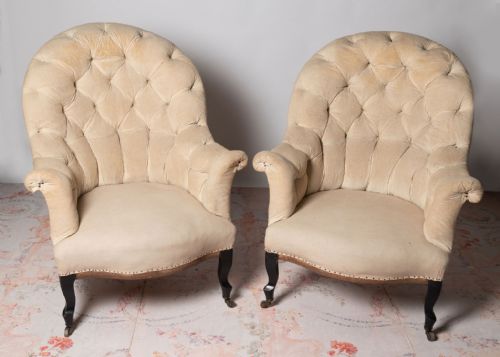


Beige French Armchair
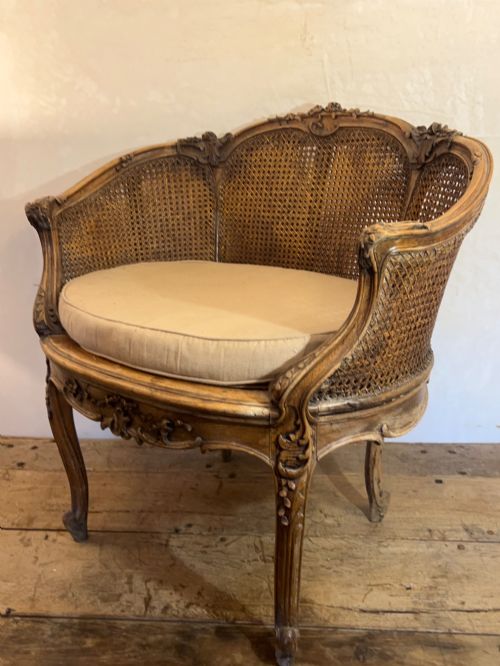
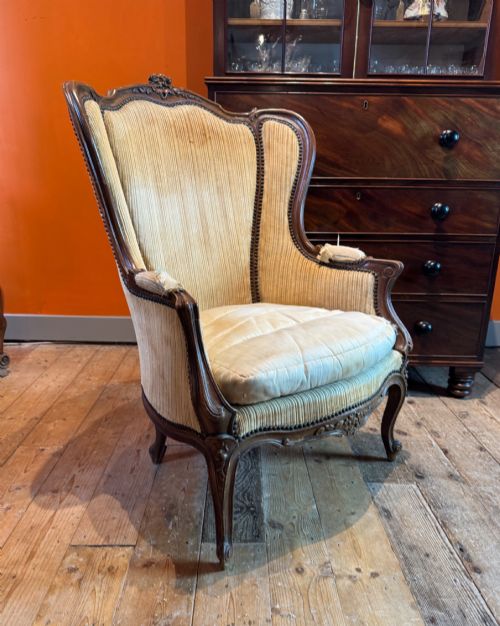
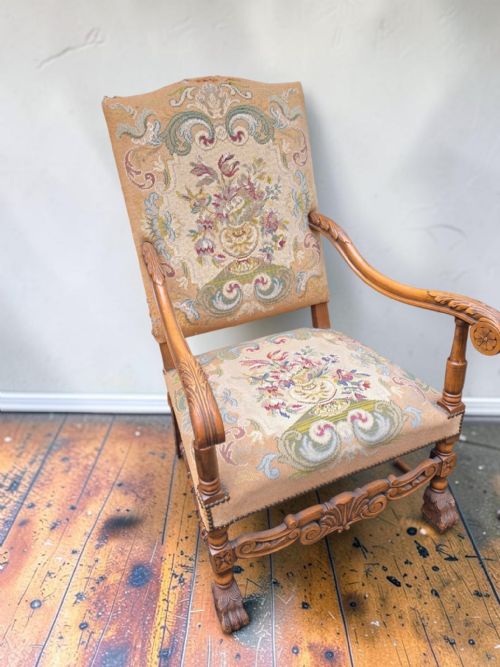
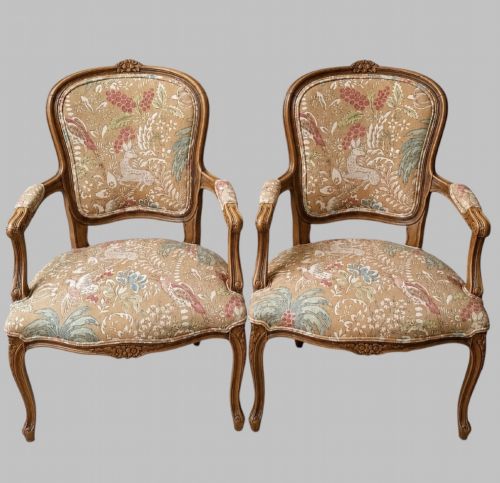
A beige french armchair brings restrained continental elegance into a room through carved show frames and neutral upholstery.
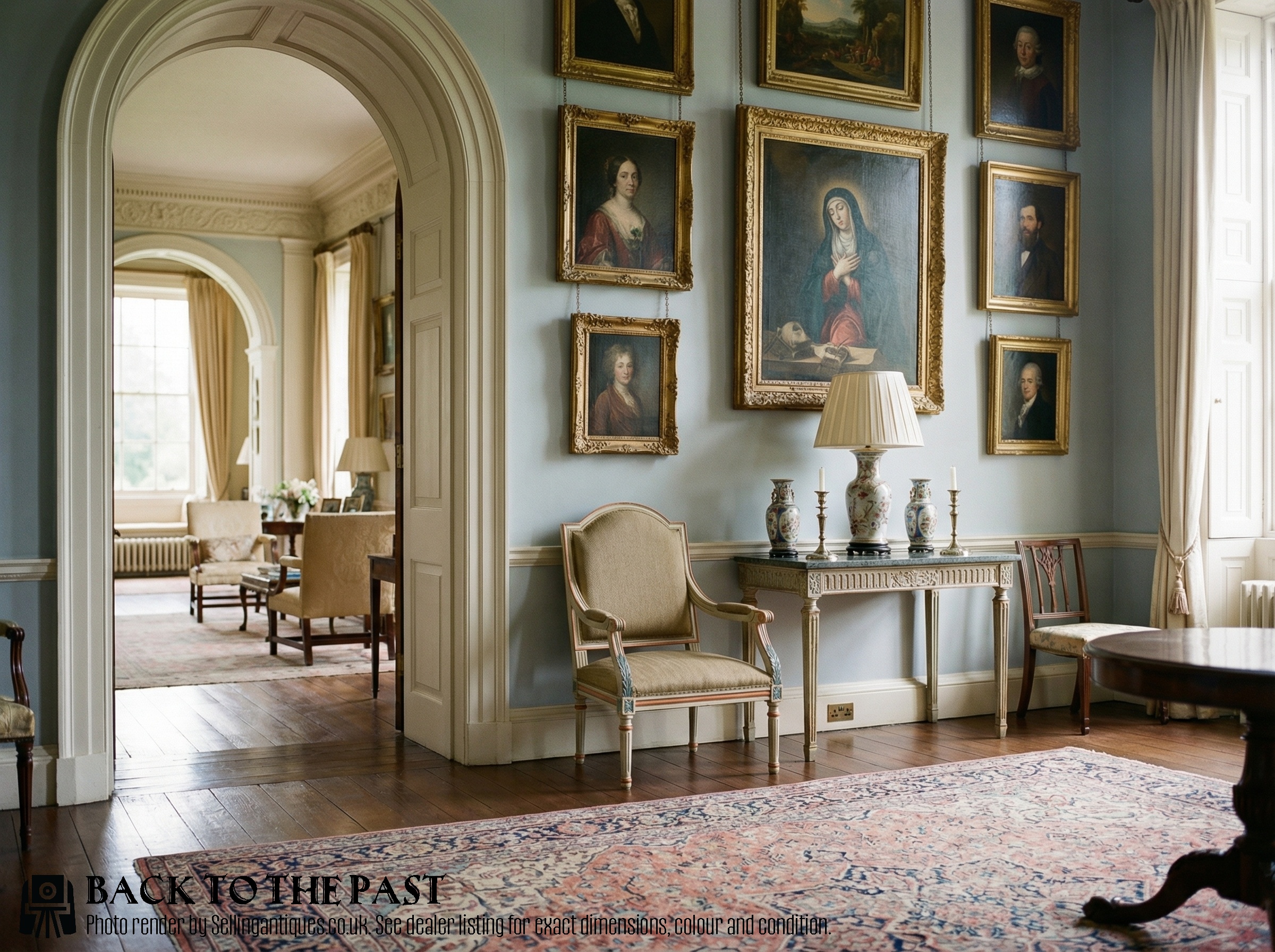
Beige French Armchair
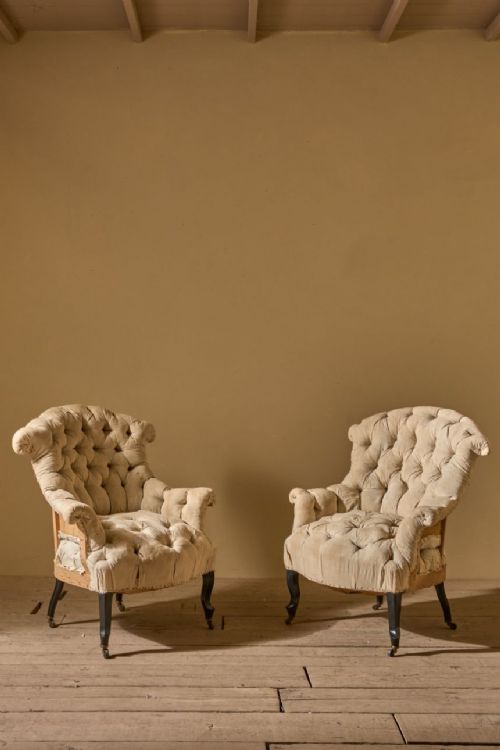
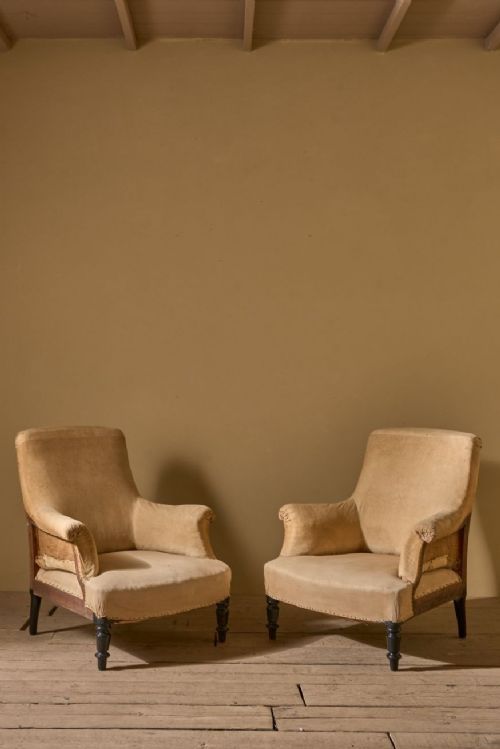
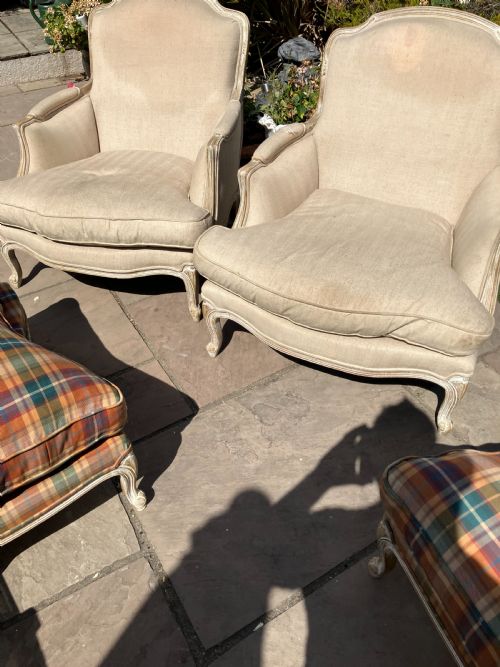
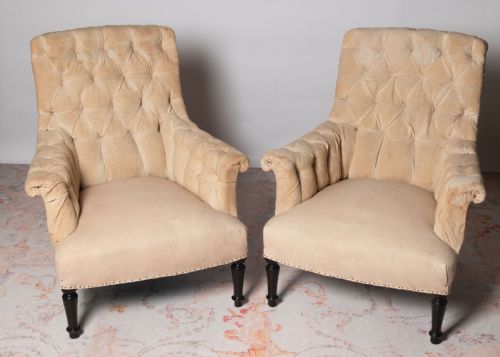
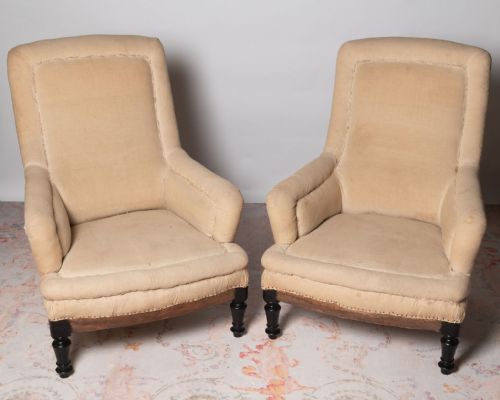
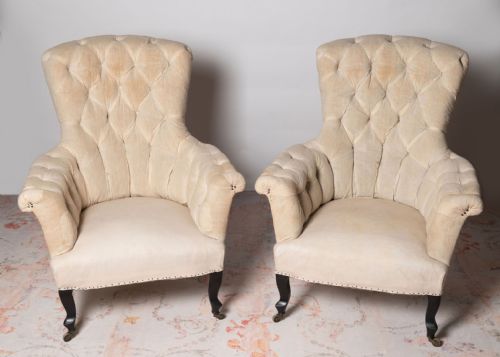
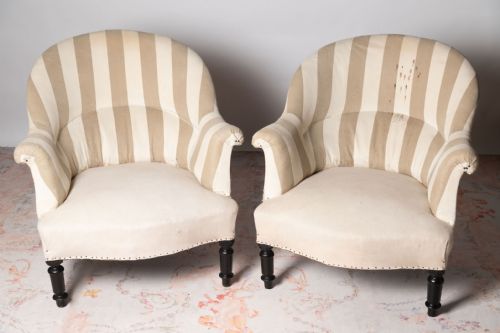
A beige french armchair encompasses seating ranging from nineteenth-century Napoleon III buttoned back models to Louis XV style bergere chairs. These pieces combine exposed timber frameworks with neutral linen, fabric, or leather coverings.
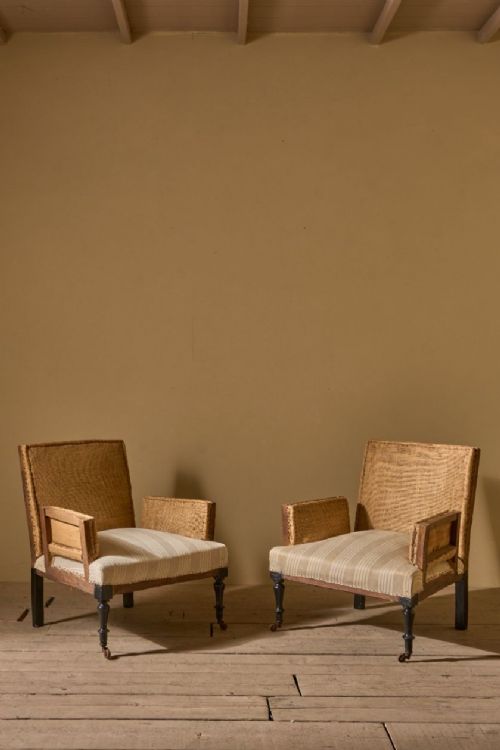
The selections available here lean heavily toward nineteenth-century origins alongside early twentieth-century interpretations. Buyers encounter open armchairs, corbeille seats, and carved high back forms within this group.
How they were made
Maker construction relies heavily on solid timbers such as walnut, beech, ebonised wood, and general timber. Craftsmen shaped these materials into carved show frames, square backs, and fishtail silhouettes.
Upholstery methods incorporate linen and various fabrics, frequently featuring buttoned backs, needlework, and tapestry coverings. Brass accents occasionally complete the structural detailing.
Periods represented span the nineteenth century through the 1960s, featuring Napoleon III and Louis XV styles.
What varies in quality
The refinement of the carved woodwork dictates the initial distinction between examples. Crisp detailing on show frames and substantial timber selection signal higher workshop standards.
Upholstery execution separates standard pieces from superior specimens. Hand-stitched tapestry, needlework, and buttoned treatments demand greater labour than plain fabric coverings.
The Beige French Armchair Glossary
- Bergere
- A closed-arm armchair with an upholstered back and sides, usually featuring an exposed wooden frame. This form gained popularity during the eighteenth century and persisted in later French revivals.
- Fauteuil
- An open-arm armchair with upholstered seat and backrest, distinguished by wooden armrests left partially uncovered. It serves as a principal seating form in traditional French salon decoration.
- Napoleon III
- A nineteenth-century design period associated with the Second French Empire, noted for eclectic revivals and buttoned upholstery. Pieces from this era often utilise walnut or ebonised wood.
- Louis XV Style
- An aesthetic defined by asymmetrical curves, cabriole legs, and organic rococo ornamentation. Eighteenth-century motifs were frequently revived during the nineteenth century.
- Os De Mouton
- A style of carved furniture leg resembling sheep bone, characterised by distinctive serpentine curves. This decorative turning appears on specific late nineteenth-century chairs.
Beige French Armchair: Frequently Asked Questions
How do I identify a Napoleon III armchair?
Napoleon III armchairs are typically identified by their buttoned back upholstery, rich wood frames in walnut or ebonised timber, and nineteenth-century construction methods. They often exhibit plush cushioning and structured rectangular or square silhouettes.
These chairs reflect the eclectic taste of the Second French Empire. Their robust frames and deep buttoning distinguish them from lighter eighteenth-century models.
Where should I place a beige armchair?
A beige armchair suits neutral drawing rooms, studies, or bedrooms where its muted tones harmonize with existing colour schemes. Placing it beside a fireplace or reading table highlights its carved wooden frame.
The neutral upholstery allows these French chairs to anchor both traditional country house interiors and contemporary spaces. Their timber frames add textural warmth against painted walls.
What woods were used for these chairs?
Cabinetmakers primarily utilised walnut, beech, and ebonised timber for the structural frames of these armchairs. Walnut provided strength for intricate carvings, while beech offered a reliable alternative for curved components.
Selection depended on the desired finish and the prevailing style of the period. Ebonised wood was favoured for formal nineteenth-century seating requiring a dark, dramatic outline.