




Beige Fabric Accent Chair
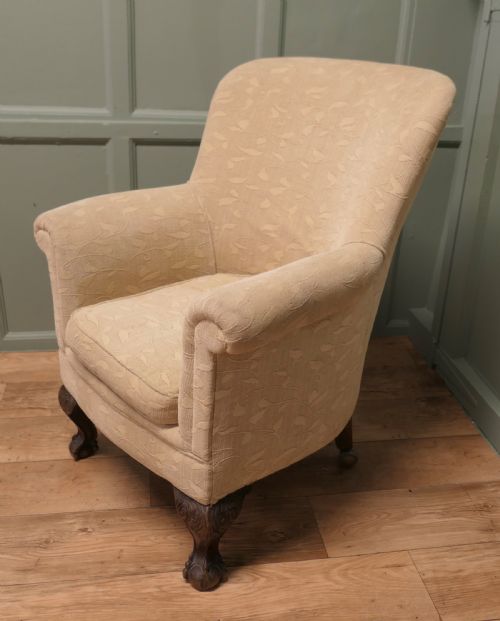
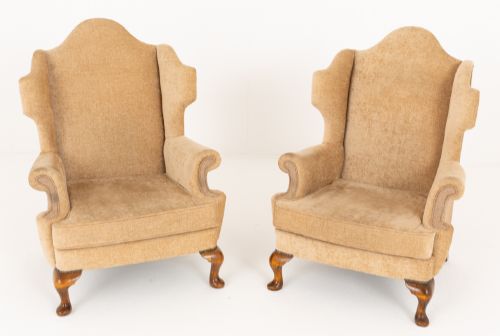
A beige fabric accent chair brings texture and subtle tone to a room, offering a comfortable seat shaped by Victorian, Edwardian, and mid-century traditions.
Beige Fabric Accent Chair
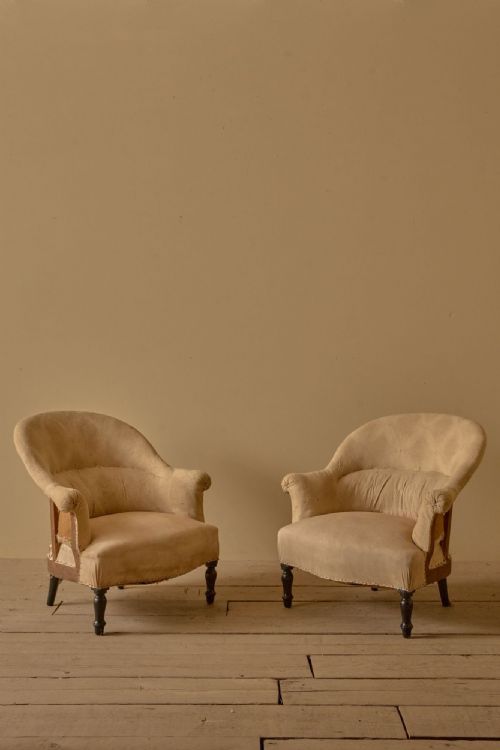
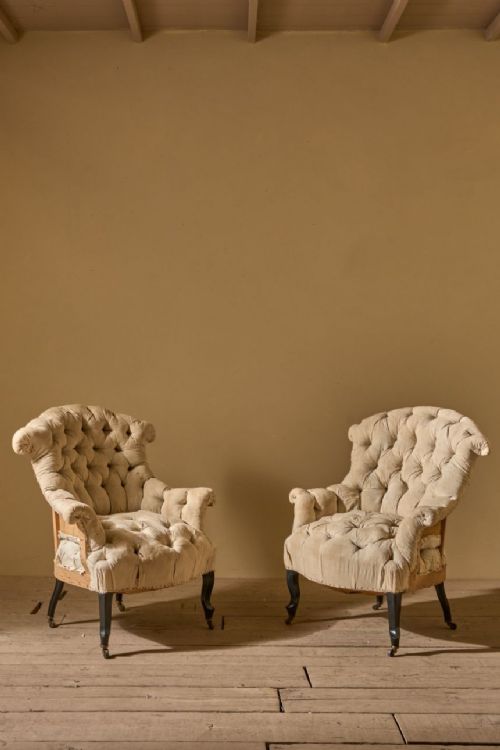
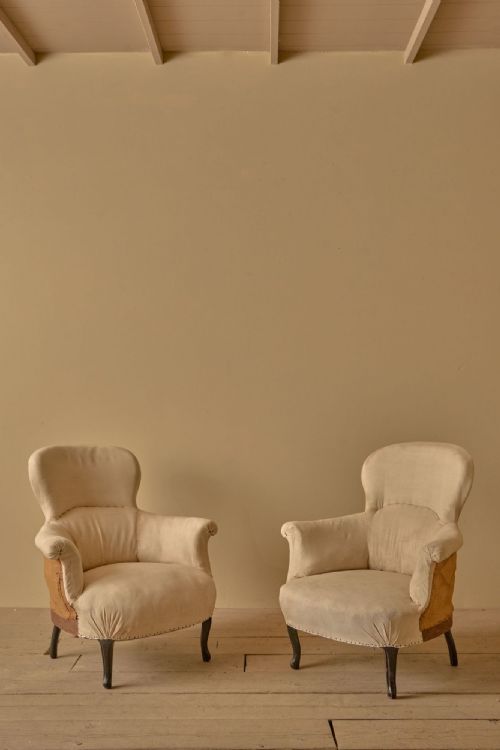
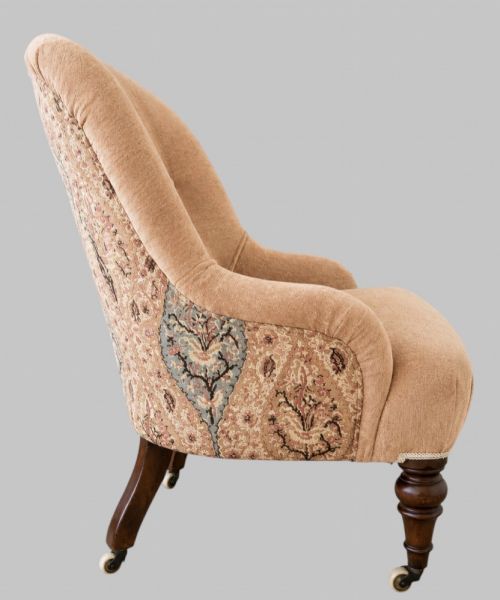
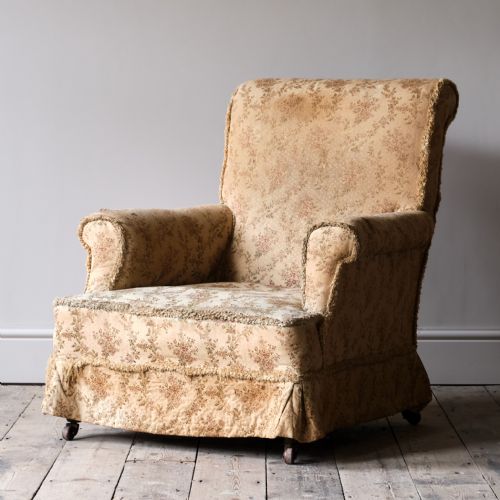
When you search for a beige fabric accent chair, you encounter a selection of seating ranging from nineteenth-century nursing chairs to cocktail chairs from the nineteen-forties. The assortment spans periods such as the Victorian era, Edwardian period, and early twentieth century, incorporating styles like Napoleon III, Louis XVI Revival, and Art Deco.
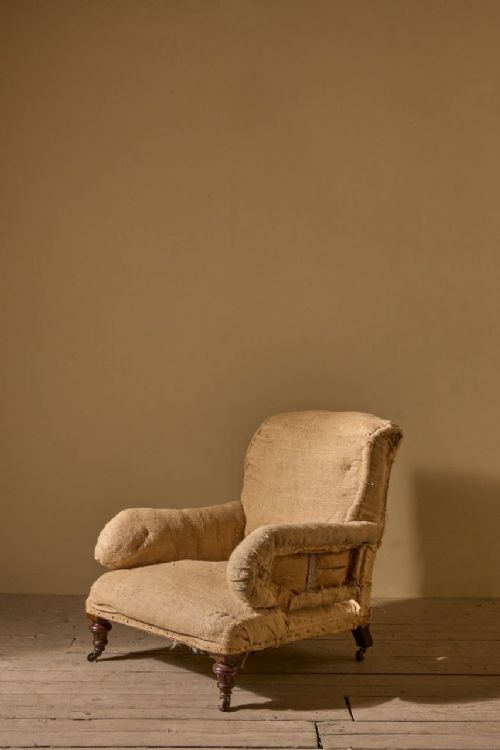
Armchairs form the largest share of this group, alongside specific forms such as slipper chairs, occasional tub chairs, and nursing chairs. Many examples rely on neutral upholstery, including velvet, hessian, and patterned textiles such as horse racing themes or Robert Kime fabrics.
Origins include English country house designs and French seating traditions, demonstrating the versatility of neutral fabric upholstery across different historical periods. Buyers find pieces suited to diverse interiors, from buttoned fishtail armchairs to compact occasional seating.
How they were made
Frames rely on traditional timbers such as walnut, hardwood, and general timber, providing robust structural foundations for upholstered seating. Metal and brass elements appear in internal construction or decorative detailing, particularly on iron-back nursing chairs and period frames.
Upholstery techniques involve durable textiles stretched over sprung or padded seats, utilising fabrics like velvet, hessian, and printed cottons. Maker details occasionally appear stamped directly onto the wooden framework or support structure.
Beige Fabric Accent Chair Retail Price Guide 2026
Typical asking prices for beige fabric accent chair among the pieces listed under this phrase on Sellingantiques today, from the lower quarter to the upper quarter. They describe what is for sale here now, not the wider market.
Current listings feature frames constructed from walnut, hardwood, and timber, upholstered in materials ranging from hessian and velvet to printed decorative fabrics.
What varies in quality
The standard of a beige fabric accent chair rests upon the integrity of its wooden frame and the precision of its upholstery work. Pieces featuring resilient hardwoods and careful textile application demonstrate superior craftsmanship compared to simpler constructions.
Proportion and stylistic authenticity separate ordinary seating from finer examples, especially within revival styles and country house armchairs. The harmony between the fabric choice, whether plain velvet or themed print, and the underlying period frame dictates the piece's overall character.
The Beige Fabric Accent Chair Glossary
- Nursing chair
- A low-seated armchair traditionally designed in the Victorian period for comfort near a hearth or nursery. These chairs often feature low seats and supportive backs upholstered in velvet or patterned fabric.
- Slipper chair
- An upholstered chair with short legs designed originally for dressing rooms and bedrooms. These pieces sit close to the floor and lack arms in many traditional configurations.
- Tub chair
- An occasional armchair characterised by a rounded, curved back that wraps continuously into the arms. These compact forms appear frequently in nineteenth-century and Edwardian interiors.
- Hessian
- A coarse woven fabric, typically made from jute fibres, used traditionally as a foundation layer in traditional upholstery. It provides underlying support beneath outer decorative textiles.
Beige Fabric Accent Chair: Frequently Asked Questions
What periods do these chairs come from?
The selection includes pieces spanning the nineteenth century, the Victorian era, the Edwardian period, and the nineteen-forties. Each era contributes distinct silhouettes, from ornate French buttoned designs to compact cocktail seating.
Craftsmanship and materials shift across these decades, reflecting changing domestic fashions and structural techniques while maintaining traditional upholstery methods.
How do I choose between different chair styles?
Consider the scale of the room and the intended function of the seating. Wing chairs and large country house armchairs offer substantial presence, whereas slipper chairs and occasional tub chairs suit more compact spaces.
Matching the historical style, such as an Edwardian upholstered frame or a Victorian nursing chair, to your existing interior helps create a cohesive aesthetic.
What materials are used in these frames?
Frames are constructed primarily from traditional woods including walnut, hardwood, and general timber. Some examples incorporate iron or brass elements for structural support or decorative accent.
Upholstery materials vary from heavy velvet and hessian to printed decorative fabrics, depending on the period and style of the specific piece.
Are these chairs suitable for daily use?
Period armchairs and occasional chairs are built with sturdy timber frames designed for regular seating. Their durable construction makes them practical additions to living rooms, studies, and bedrooms.
Upholstery condition and internal padding vary by piece, so assessing the comfort and stability helps determine suitability for everyday seating.