



Beige Sofa
A beige antique sofa brings warmth and character to a room, offering historic seating shaped by classic periods and traditional craftsmanship.
Beige Sofa
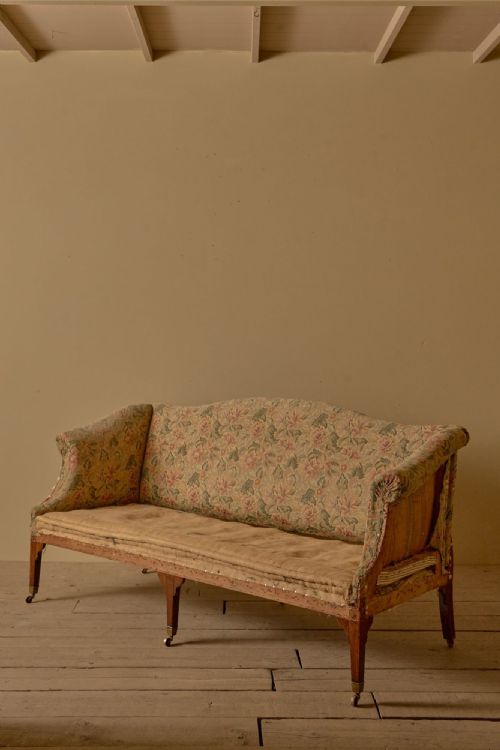
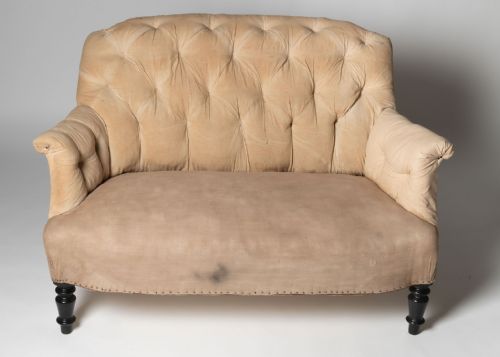
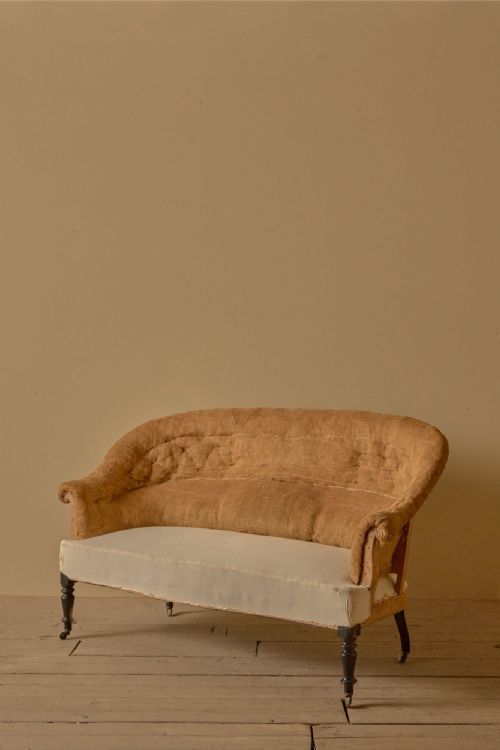
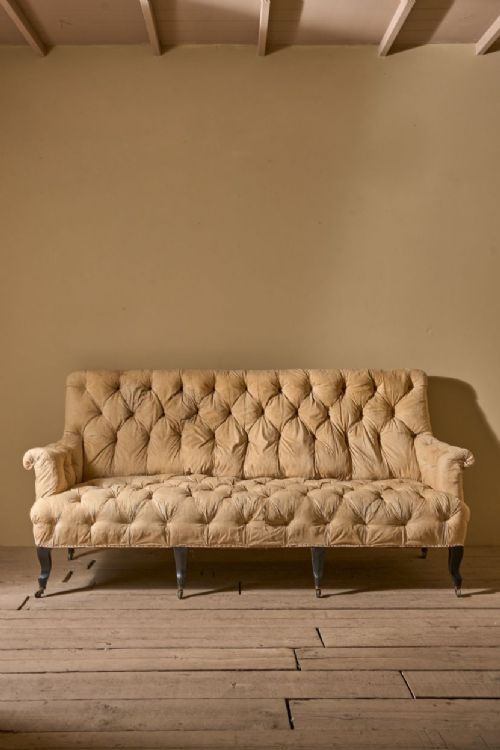
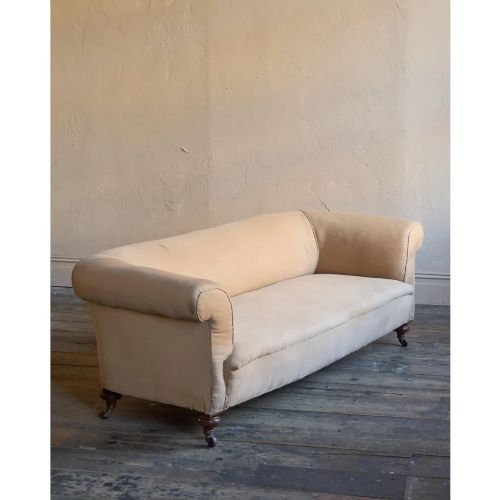
A beige antique sofa encompasses nineteenth-century and early twentieth-century seating forms upholstered in neutral tones such as calico, hessian, and linen. Buyers exploring a beige antique sofa encounter diverse styles including Victorian Chesterfields, Napoleon III buttoned designs, and French canapés.
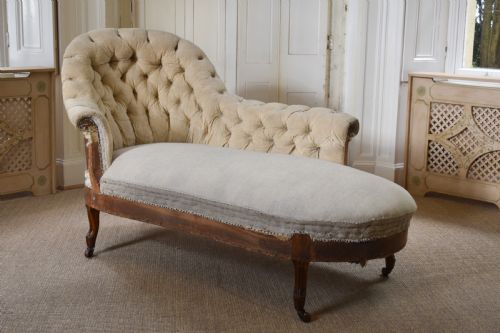
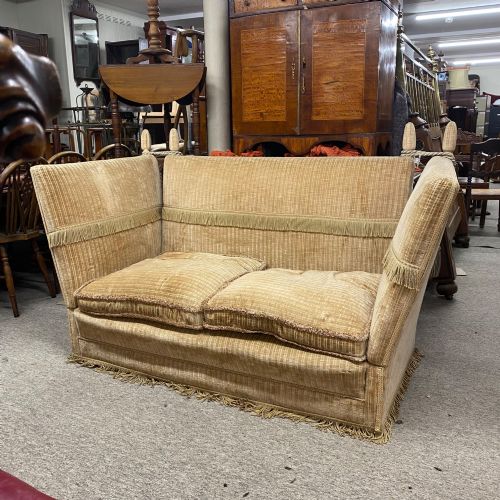
The selection ranges from large open arm sofas and Knowle sofas to small end of bed settees and chaise longues. These pieces originate from various aesthetic traditions, notably English country house pieces and French chateau furnishings.
Originating from periods spanning the Regency era through to the nineteen-thirties, these settees and sofas provide practical seating with distinct historic provenance. The typical forms rely on traditional timber frames and muted fabric coverings.
How they were made
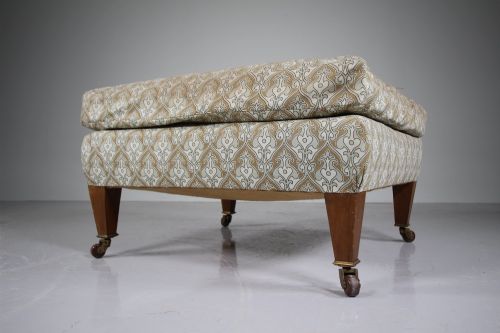
Makers constructed these frames using solid timbers such as mahogany and walnut, often applying carved details to the wood. Brass details occasionally appear on feet or castors, complementing the structural woodwork.
Upholstery techniques relied on foundational layers of hessian and calico beneath top fabrics like linen and patterned textiles. Buttoning and deep springing defined the construction of comfortable seats and backs.
Beige Sofa Retail Price Guide 2026
Typical asking prices for beige sofa among the pieces listed under this phrase on Sellingantiques today, from the lower quarter to the upper quarter. They describe what is for sale here now, not the wider market.
Several pieces double as multi-taskers, including a Victorian design functioning simultaneously as a sofa and a coffee table.
What varies in quality
The refinement of the woodwork distinguishes pieces, ranging from plain timber frames to elaborately carved oak or walnut structures. Carving depth and the choice of hardwood influence the overall distinction of the frame.
Upholstery execution varies through the precision of buttoning, the tautness of the fabric covering, and the integrity of the underlying springs and webbing. Finer examples maintain structural stability alongside balanced proportions.
Jas Shoolbred·Howard and Sons
The Beige Sofa Glossary
- Chesterfield
- A traditional style of sofa characterised by rolled arms and deep buttoned upholstery. It remains a staple of nineteenth-century seating.
- Canapé
- A decorative French settee featuring an exposed wooden frame and upholstered seat and back. These pieces often display carved details.
- Chaise Longue
- An elongated upholstered chair designed for reclining, combining elements of a sofa and a single chair. Nineteenth-century examples often feature a single raised end.
- Knowle Sofa
- A distinct form featuring adjustable or hinged side walls traditionally secured by cords or braids. This design originates from seventeenth-century English architecture but appears in later twentieth-century iterations.
- Hessian
- A coarse woven fabric typically utilised as a hidden foundational layer beneath outer upholstery. It provides structural support within traditional seating.
Beige Sofa: Frequently Asked Questions
What is a Napoleon III sofa?
A Napoleon III sofa dates from the mid-to-late nineteenth century in France, typically featuring ornate buttoned upholstery and curved wooden elements. These pieces often showcase deeply padded backs and compact proportions.
They reflect the eclectic revival styles popular during the Second Empire, blending comfort with formal elegance for drawing rooms and boudoirs.
How do I care for antique upholstery?
Maintenance involves gentle vacuuming with a soft brush attachment to remove dust from neutral fabrics like linen and calico. Avoiding direct sunlight prevents the fading of older textile fibres.
Preserving the piece also means protecting the wooden elements, such as mahogany and walnut, with appropriate wax or polishing methods suited to antique timber.
Where should I place a settee?
A settee or small sofa suits living rooms, bedrooms, or grand hallways depending on its scale and back height. Pieces like end of bed settees work well in sleeping quarters for resting garments or footwear.
Larger Chesterfields and open arm sofas anchor main reception spaces, offering central seating options that balance historical style with daily utility.
Are these sofas comfortable for daily use?
Many nineteenth and early twentieth-century designs prioritise deep padding, supportive springing, and ergonomic reclining angles. Pieces incorporating traditional stuffing and webbed bases provide substantial support.
Comfort levels depend on the condition of the internal springs and the original depth of the seat, which varies between styles like chaises longues and country house settees.