
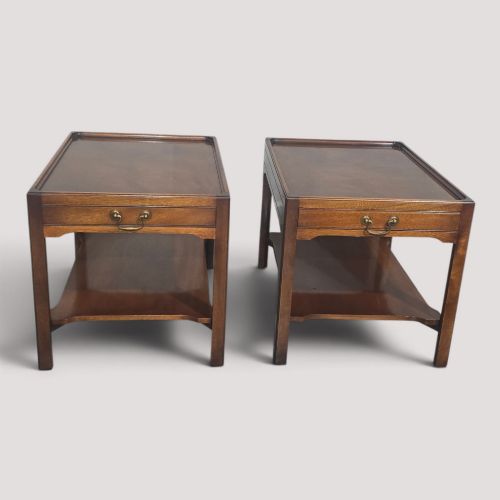
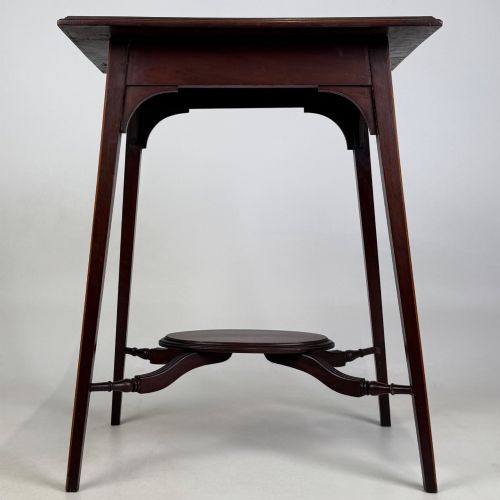
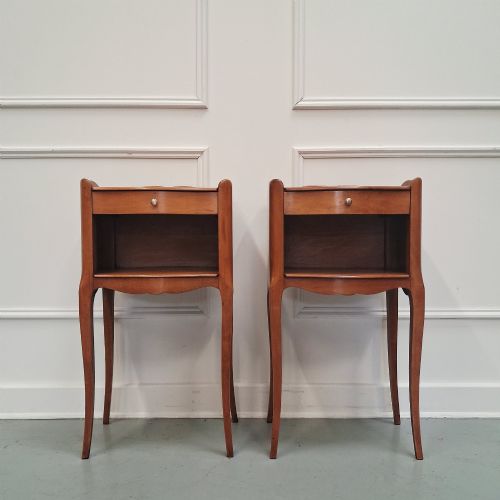
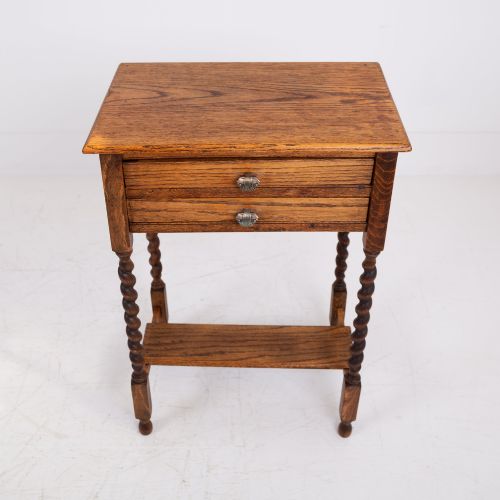


Bedside Table Shelf
Bedside table shelf options unite compact bedside storage with open tiers, bringing practical display surfaces to sleeping quarters.
Bedside Table Shelf
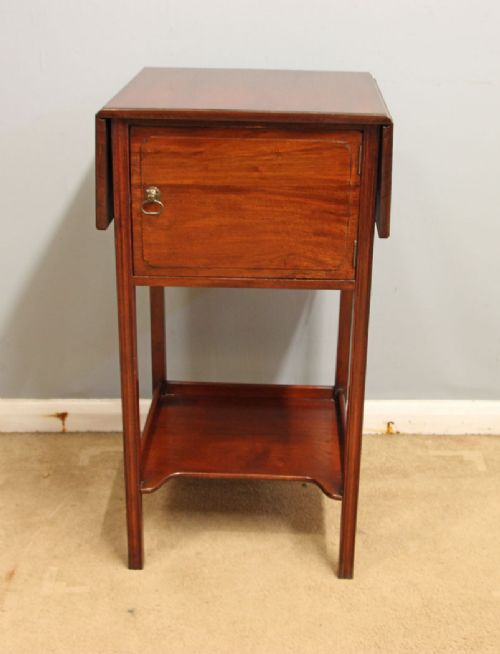
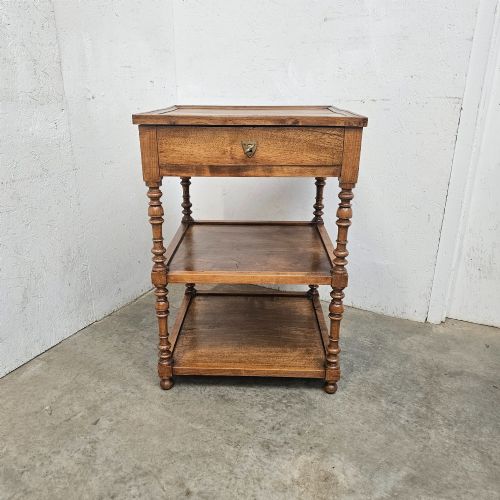
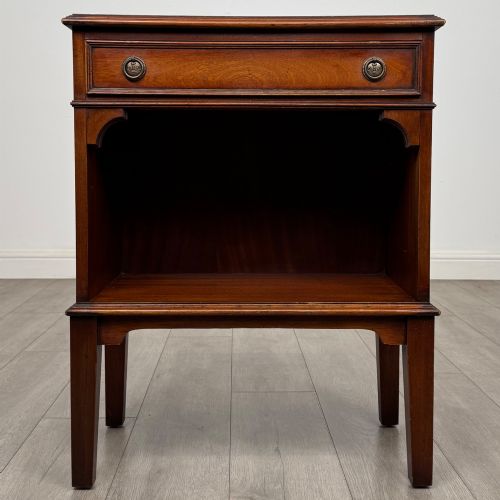
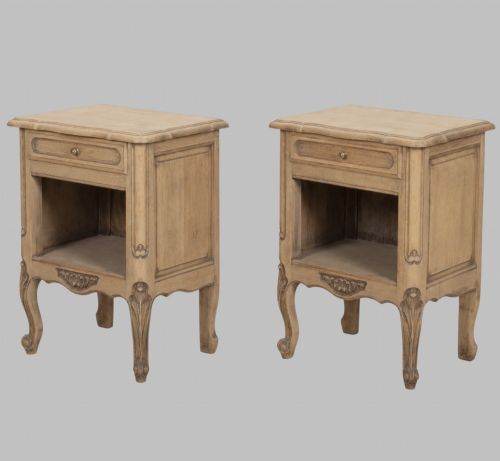
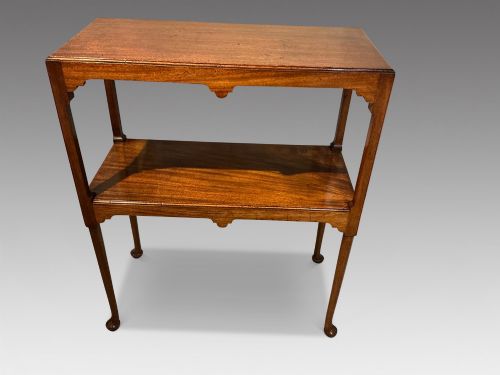
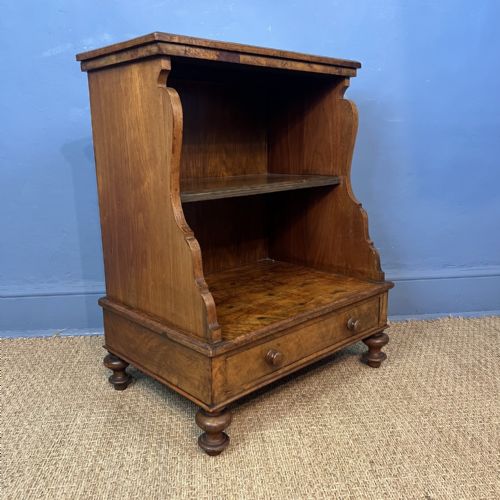
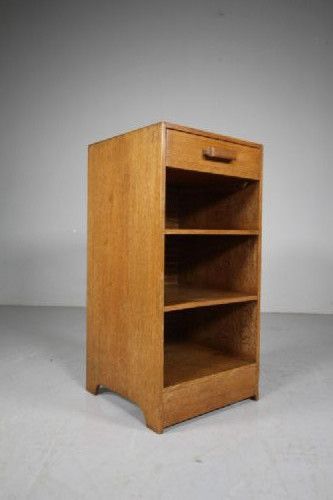
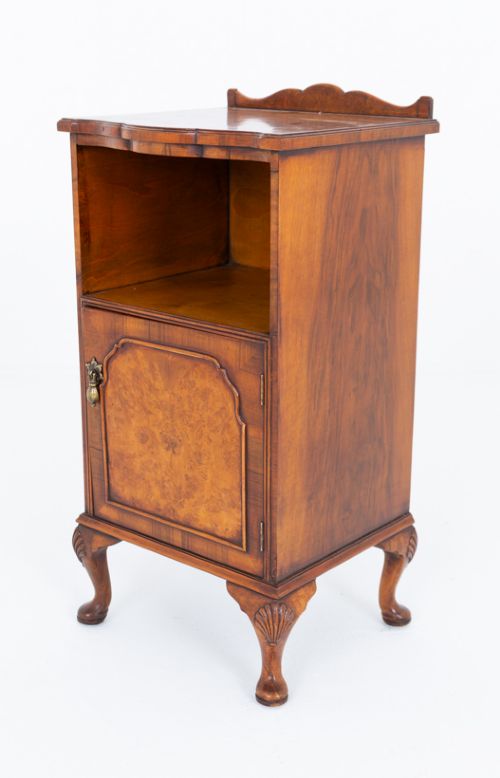
A bedside table shelf search reveals a diverse collection of small tables, cabinets, and tiered etageres designed for the bedroom. The selection spans the nineteenth century through the 1920s and 1930s, encompassing Edwardian designs, Art Deco pairs, and Georgian style pieces.
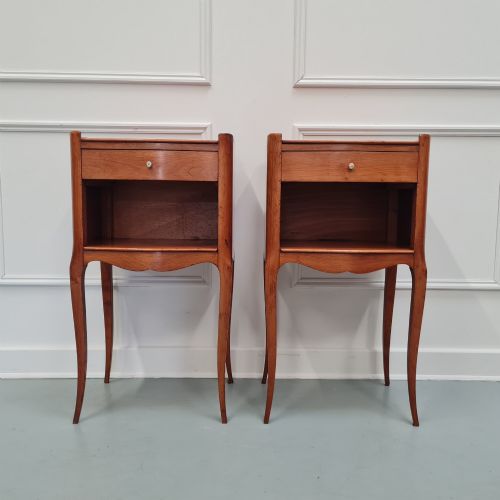
Buyers frequently encounter compact side tables, bedside cabinets with cupboards, and multi-tiered whatnots or etageres. These pieces originate from various traditions, including French provincial workshops and English domestic cabinet makers.
Materials and Construction
Cabinet makers utilised a range of dense hardwoods, predominantly mahogany, walnut, burr walnut, and oak, alongside cherry wood, rosewood, and occasional brass fittings. Surfaces often feature polished wood grain or inset marble tops.
Construction techniques include turned legs, fretwork detailing, marquetry inlay, and tiered shelving supported by upright pillars. Drawers and cupboards are integrated into compact footprints to maximise utility.
Listings feature woods including mahogany, walnut, burr walnut, oak, cherry wood, rosewood, and marble across periods from the eighteenth century to the 1930s.
Quality and Execution
Quality rests upon the selection of timber, such as highly figured burr walnut or rich mahogany, and the precision of cabinet construction. The crispness of carved details, turned legs, and marquetry inlay distinguishes finer examples.
Proportion and matched pairs command greater interest, as does the integration of secondary materials like marble tops and brass hardware. The coherence of period style, whether Art Deco, Regency, or Edwardian, defines the standing of each piece.
Gillows
The Bedside Table Shelf Glossary
- Etagere
- An open piece of furniture with shelves for displaying small objects. These tiered structures provide accessible storage alongside beds or in sitting rooms.
- Whatnot
- A multi-tiered shelving unit used for books or ornaments. These pieces typically feature three or more levels supported by slender columns.
- Marquetry
- Decorative veneer work arranged in geometric or floral patterns. Craftsmen apply thin slices of coloured wood to create pictorial surfaces on tabletops and cabinet doors.
- Campaign style
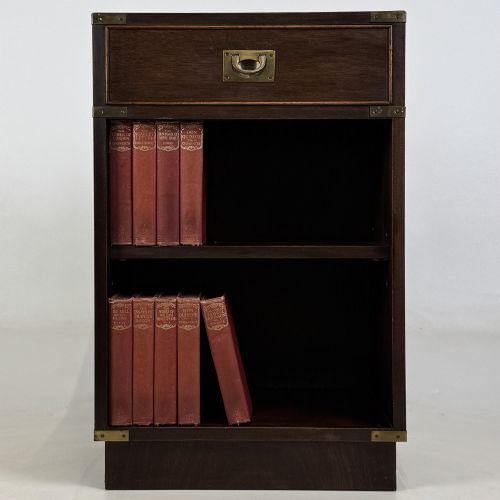
- Portable furniture designed for travel featuring recessed brass handles and reinforced corners. These compact pieces prioritise sturdy construction and functional efficiency.
Bedside Table Shelf: Frequently Asked Questions
Where should a bedside table shelf be placed?
These pieces sit immediately beside a bed to hold lamps, books, and small nighttime essentials. Their compact proportions fit snugly against bedroom walls without dominating the floor space.
Tiered versions and cabinets with lower shelves offer extra vertical storage for reading materials while keeping the main surface clear.
How do I identify an Edwardian bedside piece?
Edwardian examples often feature lighter mahogany or oak construction, sometimes incorporating subtle fretwork or simple turned legs. Their aesthetic leans toward domestic comfort and refined utility.
Comparing the hardware and secondary timbers helps distinguish these early twentieth-century items from heavier nineteenth-century furniture.
Can I mix different wood tones in the bedroom?
Combining mahogany, walnut, and oak pieces creates a layered interior rather than a uniform suite. Matching the overall scale and period aesthetic matters more than enforcing identical timber finishes.
Art Deco items or French provincial pieces integrate smoothly when the room's primary layout balances their specific silhouettes.
What is the difference between a whatnot and an etagere?
Both forms rely on open shelving, though whatnot traditionally refers to multi-tiered English display stands from the nineteenth century. Etageres frequently denote French designs that may incorporate marble tops or canework.
Both serve similar display functions in compact spaces.