








Bedroom Dressing Chair
A bedroom dressing chair offers a practical seat for daily routines while adding period character to a dressing space.
Bedroom Dressing Chair
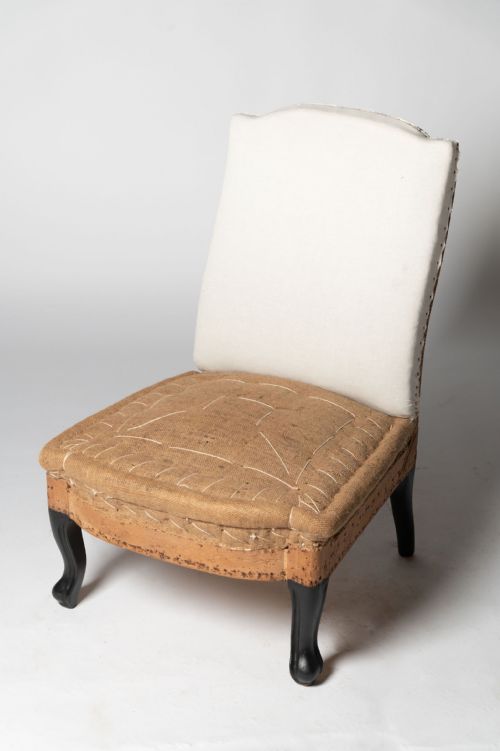
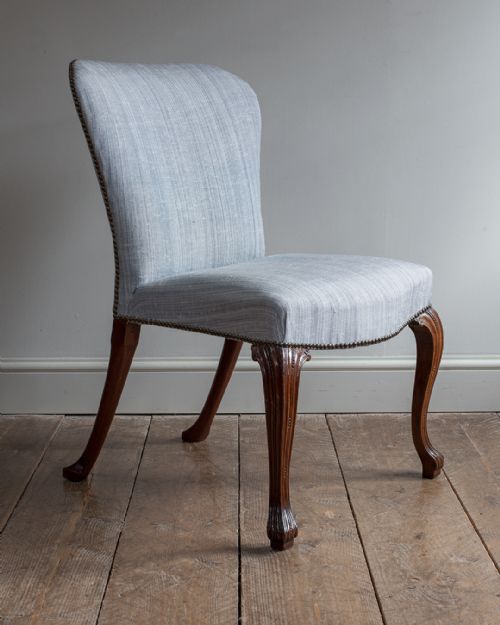
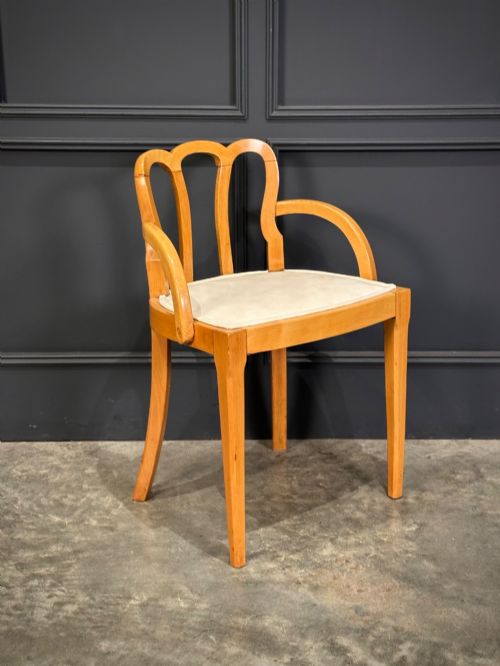
A bedroom dressing chair serves as a functional and decorative seat typically positioned near a vanity or dressing table. The pieces found here span multiple eras, most notably the Victorian and Edwardian periods, alongside Art Deco and Regency examples.
Forms range from low stools and side chairs to nursing chairs, slipper chairs, and armchairs. Mahogany, walnut, and rosewood frequently form the primary frames, accompanied by various upholstered or caned seats.
Victorian and Edwardian iterations dominate the selection, often featuring carved wooden details, turned legs, or inlaid motifs. Buyers frequently encounter side chairs and stools designed specifically to fit beneath dressing tables.
Materials and construction
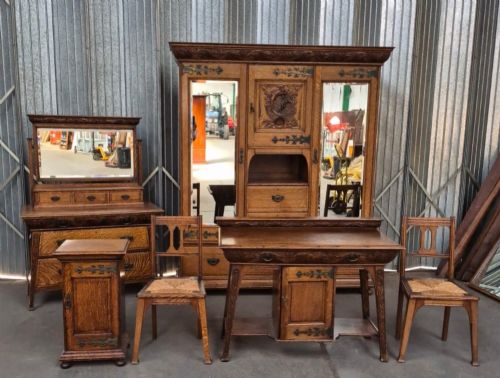
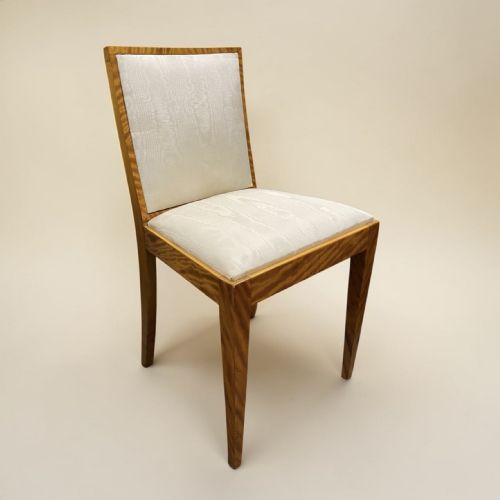
Cabinet makers utilised dense hardwoods such as mahogany, walnut, rosewood, and oak to construct sturdy frames. These timbers were frequently polished, carved, or inlaid with contrasting woods like satinwood and sycamore.
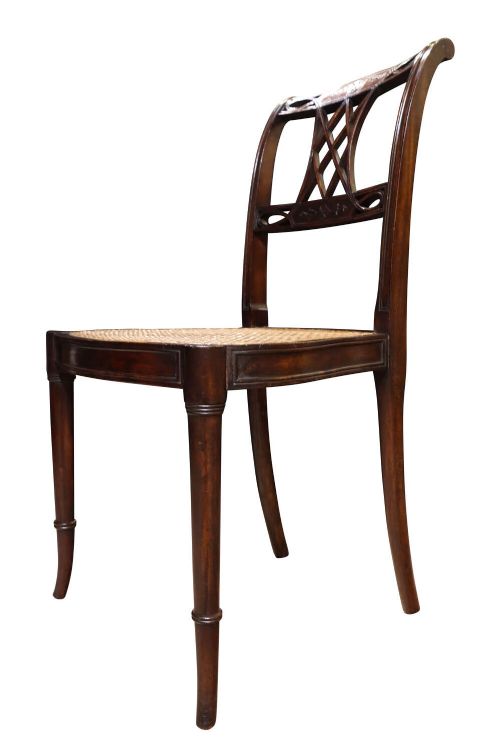
Upholstery materials include velvet, needlepoint, and various contemporary or period textiles, sometimes paired with brass castors or brass inlay. Caned seating panels appear on several Edwardian and Victorian designs.
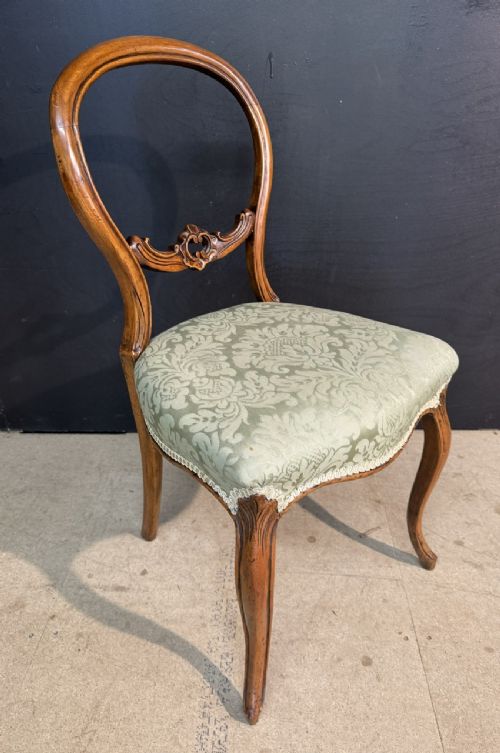
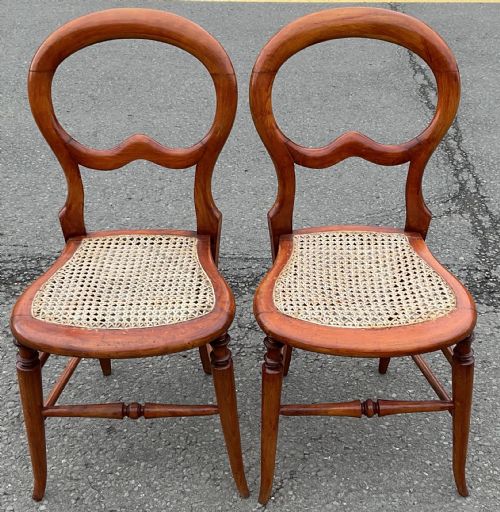
Joinery methods rely on traditional techniques, including turned front legs, scroll-carved backs, and cabriole legs. Stools and chairs often incorporate structural elements like twisted rope legs or button balloon backs.
Bedroom Dressing Chair Retail Price Guide 2026
Typical asking prices for bedroom dressing chair among the pieces listed under this phrase on Sellingantiques today, from the lower quarter to the upper quarter. They describe what is for sale here now, not the wider market.
One industrious maker even fitted a dressing stool with twisted rope legs.
Judging quality and craftsmanship
Quality rests in the precision of the timber carving, the depth of the wood grain, and the integrity of the frame construction. Pieces exhibiting crisp scroll-carved backs or intricate marquetry inlay demonstrate superior craftsmanship.
The treatment of materials marks another distinction, seen in the choice of dense rosewood or figured walnut over simpler softwoods. Original or sympathetic restoration preserves the character of the piece more effectively than heavy alterations.
Proportion and execution define the finer examples, whether in the graceful curve of a cabriole leg or the balanced symmetry of a Victorian nursing chair.
Bath Cabinet Makers·Heals
The Bedroom Dressing Chair Glossary
- Cabriole leg
- An S-shaped furniture leg curving outward at the knee and tapering inward toward the foot. This form draws inspiration from animal limbs and appears frequently on Victorian and Queen Anne style seating.
- Nursing chair
- A low-seated armchair designed in the nineteenth century for comfort while tending to infants or dressing. These pieces often feature padded balloon backs and shortened legs.
- Slipper chair
- A low-slung bedroom chair lacking arms, originally intended for putting on shoes or stockings. The compact frame allows it to sit neatly beneath a dressing table.
- Balloon back
- An oval or rounded wooden chair back resembling the shape of a hot air balloon. This silhouette is characteristic of mid-Victorian seating.
- Caning
- Woven rattan or cane material utilised for chair seats and backs. It provides a lightweight, textured surface commonly seen on Edwardian designs.
Bedroom Dressing Chair: Frequently Asked Questions
What is a bedroom dressing chair used for?
These seats provide a comfortable place to sit while applying makeup, styling hair, or dressing. They also function as occasional chairs in bedrooms and dressing rooms.
Their compact proportions allow them to slide neatly under dressing tables or accent a corner of the room.
How do I date a Victorian dressing chair?
Dating relies on stylistic clues such as wood choices, leg shapes, and upholstery styles. Mid-Victorian examples often feature walnut frames and button balloon backs.
Later Victorian pieces introduce turned front legs with castors and heavier carved mahogany woodwork.
What is the difference between a nursing chair and a side chair?
Nursing chairs are built noticeably lower to the ground and frequently include upholstered padded backs for comfort. Side chairs stand at standard dining or desk height and usually feature upright wooden backs.
Nursing chairs suit low dressing tables, whereas side chairs pair with standard vanities.
Are these chairs suitable for daily use?
Most antique dressing chairs are structurally robust enough for regular sitting. Solid hardwood frames provide lasting strength.
Pieces with newly restored upholstery or strengthened joints handle everyday bedroom use particularly well.