




Bearded Gentleman Oil Painting
A bearded gentleman oil painting captures character, presence and history through layered pigment on canvas or panel.
Bearded Gentleman Oil Painting
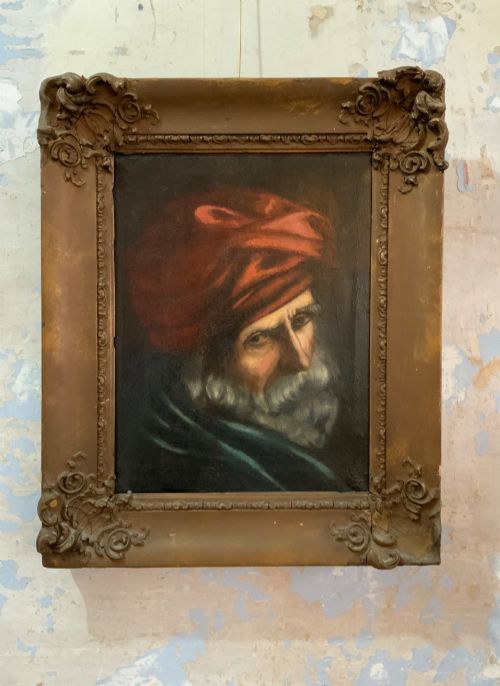
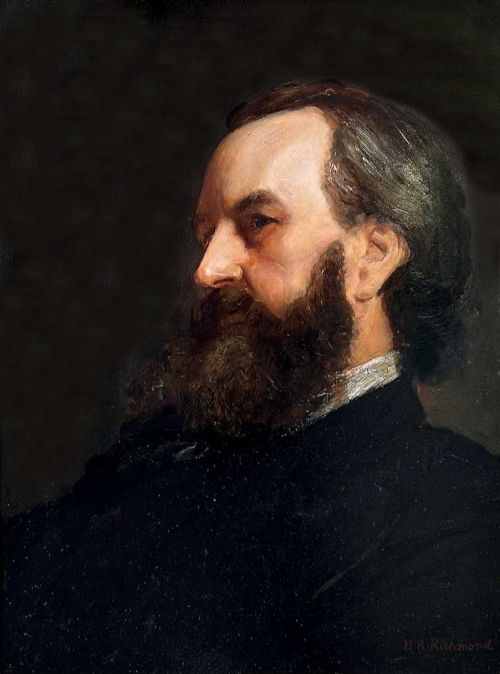
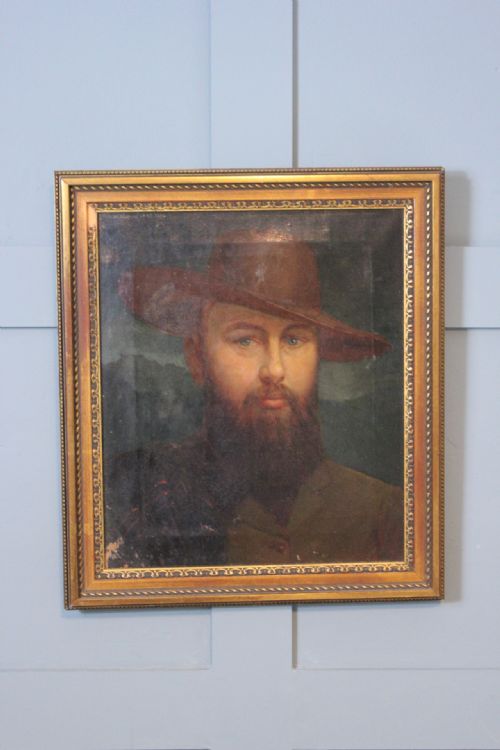
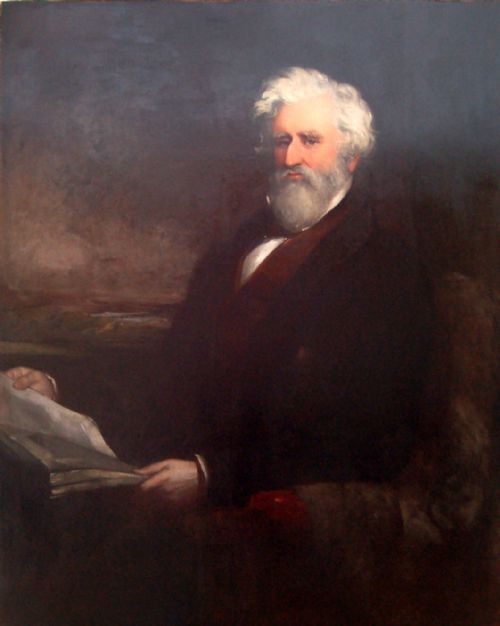
A bearded gentleman oil painting presents a detailed study of masculine character, often rendered with the solemnity characteristic of Victorian and Edwardian portraiture. When searching this phrase, a buyer encounters works depicting identified engineers, generals and clergymen alongside anonymous sitters captured in moments of quiet contemplation.
The versions most commonly met on this page originate from the nineteenth century, spanning academic realism, Orientalist depictions of Arab and Persian subjects, and traditional British and European portrait painting. These canvases range from intimate head studies to large framed works set within gilded wood frames.
Portraits of this type function primarily as historical documents and aesthetic objects, recording the social standing, professions and fashion of past eras through the medium of oil paint.
Materials and Technique
Frames form an integral component of the pieces, utilising gilded wood and gilt gesso construction to complement the dark, rich palettes typical of nineteenth-century portraiture.
Depicted subjects range from military generals and engineers to Arab gentlemen and Victorian professionals.
Markers of Artistic Merit
Quality in these portraits rests upon the artist's ability to render anatomical structure and psychological depth rather than mere decorative appeal. Superior examples demonstrate confident brushwork in the handling of light across the face and fabric, while lesser works exhibit stiff proportions and flat, uninspired application of pigment.
The preservation of the original oil surface and the integrity of the ground canvas directly influence the visual impact of the work. Furthermore, the presence of a period gilded wood frame that complements the scale and tone of the painting distinguishes higher-grade pieces from those later altered or reframed.
William Blake Richmond·Ferdinand Victor Leon Roybet·Frederick Goodall·Lance Calkin·Frederick Christian Lund·George Frederic Watts·Charlotte Blakeney Ward·Sir Hubert Von Herkomer·Henry John Dobson·Fritz Reusing·Georg Achen·Frederik Vermehren
The Bearded Gentleman Oil Painting Glossary
- Giltwood
- Wood that has been coated with a thin layer of gold leaf or gilt powder. It provides the ornate, reflective borders seen on many nineteenth-century portrait frames.
- Orientalism
- Artistic movement focusing on Near Eastern and Middle Eastern subjects, often depicting figures in traditional regional clothing. This genre frequently produced vivid portraits of Arab and Persian gentlemen.
- Oil on Canvas
- Technique involving the application of slow-drying oil paints onto a stretched woven fabric support. It allows for subtle blending of tones and enduring flexibility.
Bearded Gentleman Oil Painting: Frequently Asked Questions
How do I date an antique portrait?
Dating relies upon examining the sitter's clothing, facial hair styles and the physical composition of the canvas and stretcher. Details such as uniform insignia or Victorian neckwear provide precise chronological markers.
Furthermore, framing techniques, canvas stamps from art suppliers, and inscriptions on the reverse offer additional evidence for establishing the period of creation.
What is the difference between canvas and panel?
Canvas consists of woven fabric stretched over a wooden frame, offering a slightly resilient surface that absorbs brushstrokes with textural variation. Panels use solid wood, providing a rigid support that prevents cracking in the paint layer.
Both supports were widely used across the nineteenth century, though panel paintings often indicate smaller, more intimate studies.
Why do some portraits show unnamed sitters?
Many nineteenth-century works were executed as practice studies, demonstrations of skill, or intimate commissions where the family history was eventually lost. These anonymous portraits focus purely on the psychological character and dignity of the individual.
Unidentified subjects allow modern viewers to appreciate the technical mastery and aesthetic qualities of the painting without historical distraction.