



Barrel Garden Seat
These barrel garden seat pieces bring sculptural form and practical perching to lawns and verandas alike, spanning Victorian majolica and Qing dynasty porcelain.
Barrel Garden Seat
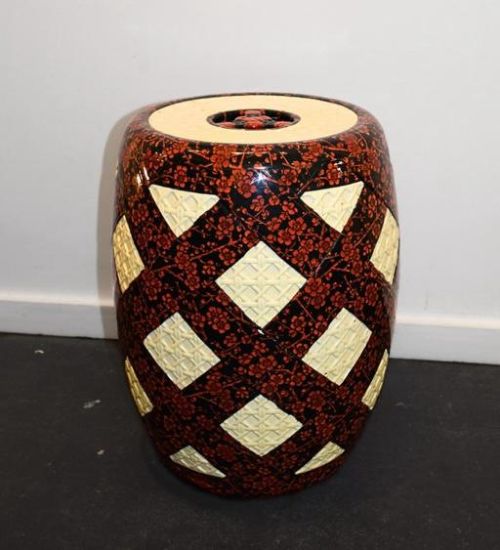
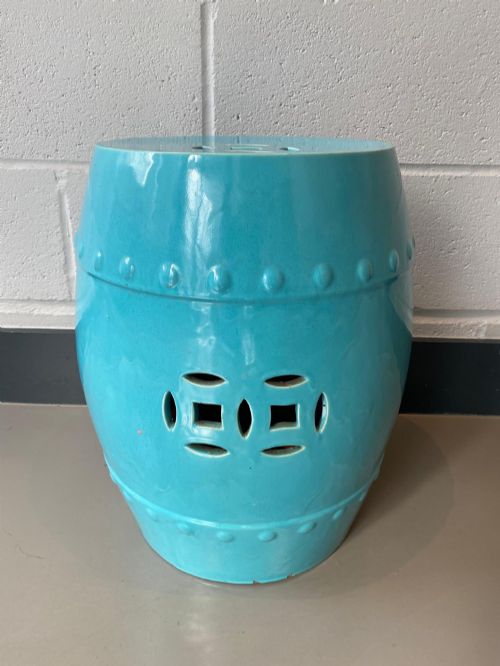
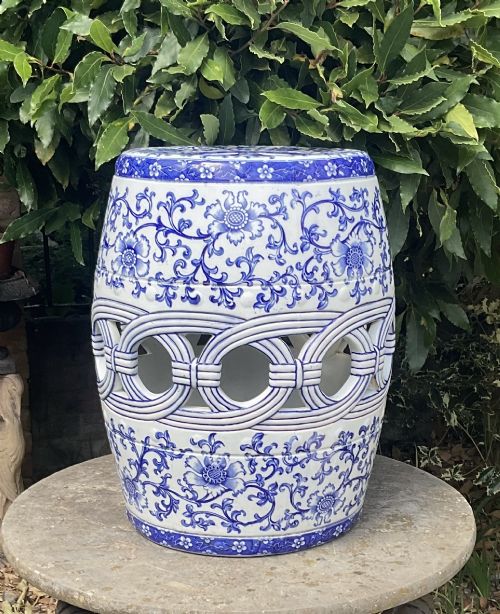
A barrel garden seat offers a sturdy, cylindrical form designed primarily for outdoor use, though equally at home inside as an accent stool or side table. When exploring a barrel garden seat, you encounter robust shapes rooted in traditional Chinese drum forms alongside British iterations from the nineteenth century.
The versions most commonly met on this page range from nineteenth-century Chinese porcelain and pottery, including famille rose and rose medallion examples, to European earthenware such as Minton majolica and creamware. Makers adapted these barrel profiles in hardwood and hongmu as well, creating versatile stools and low occasional stands.
Originating across distinct stylistic traditions, these objects unite utility with decorative presence. Whether finished in blue and white glaze or inlaid with mother-of-pearl, each piece provides a solid perch that doubles as a striking visual focal point.
What varies in quality
The standard of a piece depends heavily on the crispness of the modelled form and the precision of the surface decoration. Hand-painted enamels, finely detailed carving in hardwood, and even glaze distribution separate superior examples from simpler production.
Material choice and depth of craftsmanship also dictate the calibre of the work. Heavily potted ceramics with vibrant, well-preserved palettes or dense hardwoods featuring intricate inlay represent the higher tiers of the range.
Barrel Garden Seat Retail Price Guide 2026
Typical asking prices for barrel garden seat among the pieces listed under this phrase on Sellingantiques today, from the lower quarter to the upper quarter. They describe what is for sale here now, not the wider market.
Several barrels double as sturdy seats and low tables, proving that Victorian and Qing dynasty craftspeople valued multitasking furniture as much as we do.
Minton
The Barrel Garden Seat Glossary
- Majolica
- A type of earthenware coated with an opaque tin-glaze and painted with metallic oxide colours. It gained widespread popularity during the nineteenth century for vibrant garden wares.
- Famille Rose
- A major palette of Chinese ceramic glazes featuring opaque pink or rose enamel, introduced during the Qing dynasty. This palette permits a vast range of soft pastel shades.
- Hongmu
- A traditional Chinese term translating to red wood, denoting various dense and durable tropical hardwoods. Artisans utilise it for fine furniture and decorative barrel forms.
- Clobbered
- A term describing older ceramic pieces that received secondary overglaze decoration and firing, often adding colourful enamels to plain blue and white imports.
- Ironstone
- A heavy, durable type of earthenware patented in the nineteenth century. It mimics porcelain while offering greater resistance to chipping and everyday wear.
Barrel Garden Seat: Frequently Asked Questions
Can barrel garden seats stay outside?
Most ceramic and glazed earthenware pieces withstand mild garden conditions during temperate months. However, protecting them from hard frost prevents moisture damage to the glaze.
Wooden barrel forms require more sheltered placement, such as covered porches or interior rooms, to preserve the hardwood and inlay work.
How do I use a barrel seat indoors?
These cylindrical pieces function well as standalone accent stools, extra seating in living spaces, or side tables beside a chair. Their compact footprint fits narrow corners easily.
Pairing a ceramic drum seat with a soft cushion or using a hardwood barrel table next to a sofa brings sculptural texture to an interior scheme.
What is the difference between majolica and porcelain?
Majolica is an earthenware body covered in a tin-glaze, producing a substantial weight and bright, textured surface colours. It was notably produced by European potteries in the nineteenth century.
Porcelain is fired at much higher temperatures, resulting in a vitrified, non-porous body. Chinese porcelain examples often display fine blue and white or famille rose painting beneath a clear glaze.
How do I identify nineteenth-century pieces?
Dating relies on examining the weight of the ceramic, the composition of the glazes, and stylistic traits typical of the period. Nineteenth-century examples often show characteristic craquelure or hand-mixed pigment tones.
Consulting recorded manufacturing styles from periods like the Qing dynasty or Victorian era helps place the object within its proper historical context.