

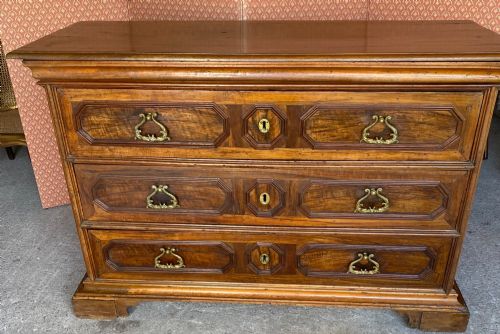
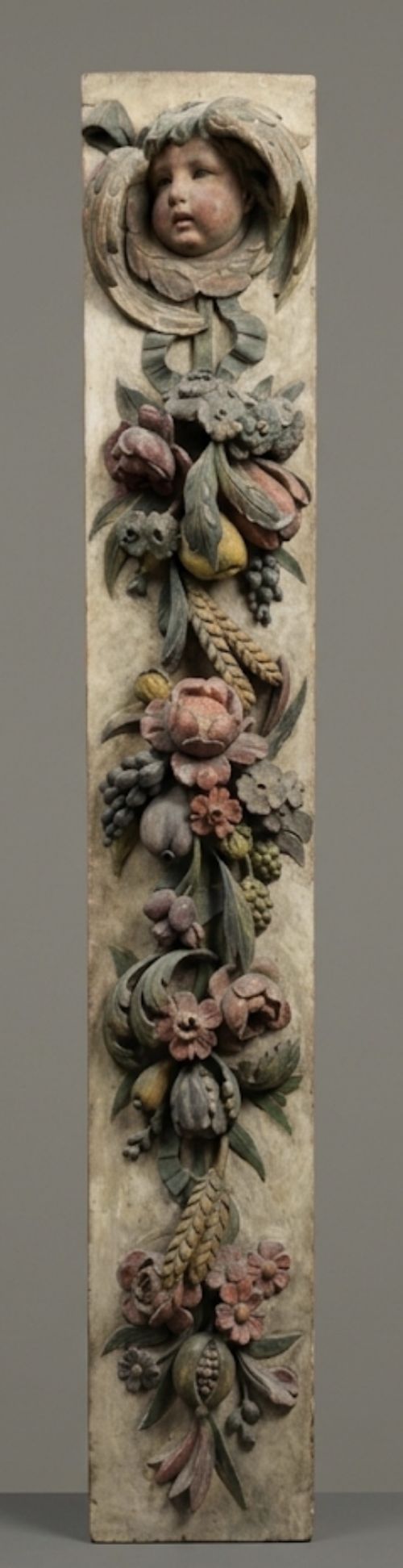
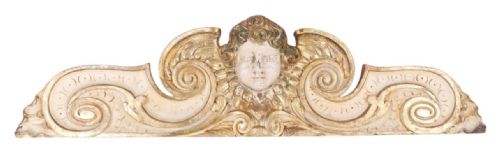
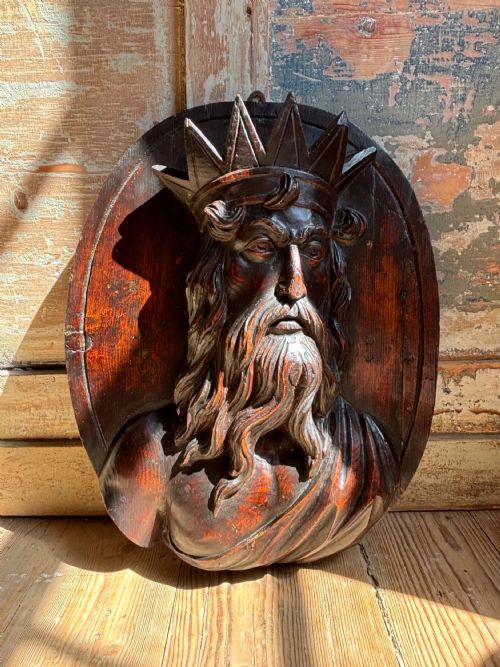


Baroque Wooden Panels
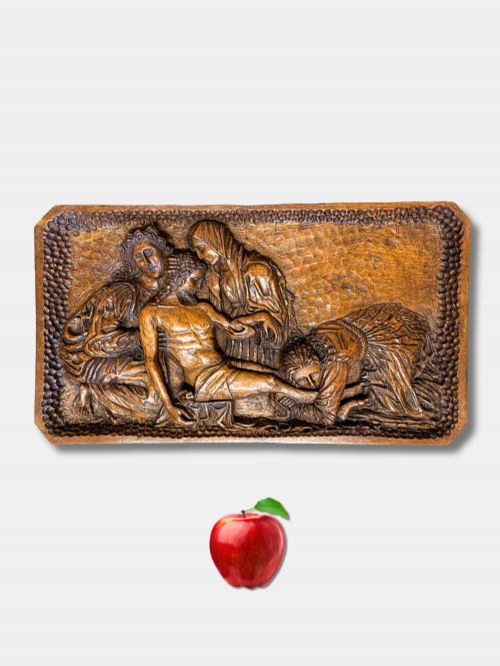
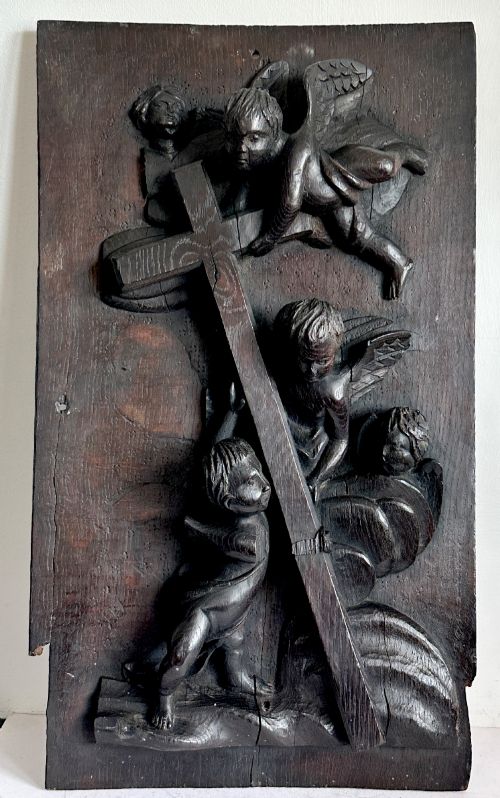
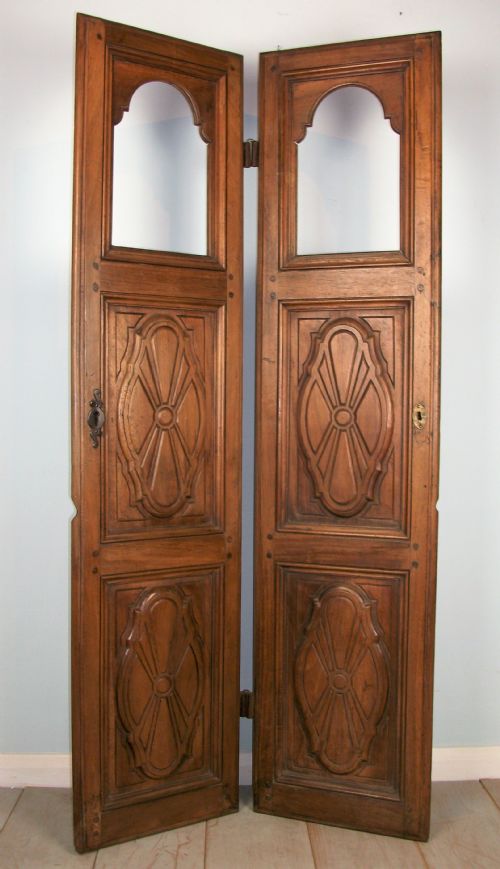
Baroque wooden panels are monumental architectural elements and carved wall reliefs that bring sculptural depth and historical gravitas to an interior.
Baroque Wooden Panels
Baroque wooden panels encompass architectural salvage, wall reliefs, overdoor carvings, and sculptural plaques originating from the seventeenth to nineteenth centuries. These pieces emerge from diverse European traditions including Italian, Flemish, Spanish, and Dutch workshops.
While many examples date directly to the seventeenth and eighteenth centuries, nineteenth-century revivals and later historical interpretations also appear. Each piece reflects the exuberant carving styles characteristic of the period, from pierced acanthus leaves to deep figural representations.
Materials and construction methods
Carvers worked primarily in dense hardwoods such as oak, walnut, chestnut, and general timber, selecting materials that could support high-relief sculptural detail. These woods were shaped using hand chisels and gouges to create dramatic three-dimensional effects.
Surfaces were frequently finished with gesso, gold leaf, polychrome paint, or iron hardware, adding rich colour and textural contrast to the carved wooden ground. Joinery techniques relied on traditional panel construction to accommodate seasonal wood movement within large architectural settings.
Baroque Wooden Panels Retail Price Guide 2026
Typical asking prices for baroque wooden panels among the pieces listed under this phrase on Sellingantiques today, from the lower quarter to the upper quarter. They describe what is for sale here now, not the wider market.
Listings span the seventeenth, eighteenth, and nineteenth centuries, featuring works from Italian, Flemish, Spanish, and Dutch origins.
Assessing quality in historical carvings
Quality rests in the crispness of the hand-carving and the depth of the relief, where master carvers achieved remarkable anatomical and botanical detail in walnut and oak. The vitality of figures such as cherubs or classical deities separates superior artistic execution from routine workshop production.
The integrity of the original timber and surface finishes, whether polychrome paint, gesso, or bare wood, determines the preservation state. Greater value belongs to panels retaining their original architectural context, such as overdoors or integrated wall sections, rather than altered fragments.
Edward Pearce
The Baroque Wooden Panels Glossary
- Baroque
- An ornate artistic style originating in the seventeenth century characterised by dramatic movement, deep relief, and theatrical composition. It values emotional intensity and grand scale.
- Wall relief
- A sculpture technique where figures and ornaments project from a flat wooden background. It forms the primary format for decorative architectural panels.
- Overdoor
- A carved wooden panel or architectural element positioned directly above a doorway. These often feature prominent figural subjects like cherubs.
- Gesso
- A plaster-like mixture applied to wood surfaces to prepare them for gilding or painting. It provides a smooth base for decorative treatments.
- Polychrome
- The practice of decorating architectural woodwork in multiple colours. It enhances the visual drama of historical carvings.
Baroque Wooden Panels: Frequently Asked Questions
How were baroque wooden panels originally used?
These panels functioned as integral components of elite interiors, decorating church walls, grand salons, and formal overdoors. They established status and framed important architectural spaces.
Over time, many pieces were salvaged from historic buildings as architectural elements were dismantled or redesigned, eventually entering the collector market as standalone artworks.
How do I distinguish seventeenth-century panels from later copies?
Examination of the wood grain, tool marks, and joinery reveals the age of a carved panel. Seventeenth-century examples display hand-tool signatures and oxidation consistent with centuries of exposure.
Stylistic conventions also help, as authentic seventeenth-century pieces show the specific depth and restrained asymmetry typical of early European baroque work rather than nineteenth-century mechanical uniformity.
What is the best way to hang a heavy wooden panel?
Due to their substantial weight in oak or walnut, these panels require professional wall anchoring directly into structural studs or masonry. Metal French cleats or custom steel brackets provide secure support.
Allowing slight clearance behind the wood prevents moisture accumulation and accommodates natural expansion and contraction caused by seasonal humidity changes.
How should I clean historic carved wood?
Dust accumulated in deep crevices is best removed using a soft, dry natural bristle brush. Avoid harsh chemical cleaners, polishes, or excess water that might damage aged timber or original gesso.
Maintaining stable indoor humidity prevents the wood from drying out, cracking, or causing polychrome paint and gold leaf to flake from the surface.