



Baroque Wood Figures
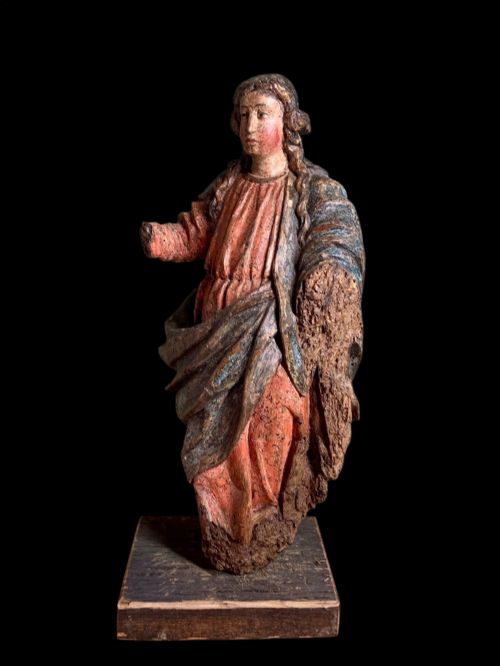
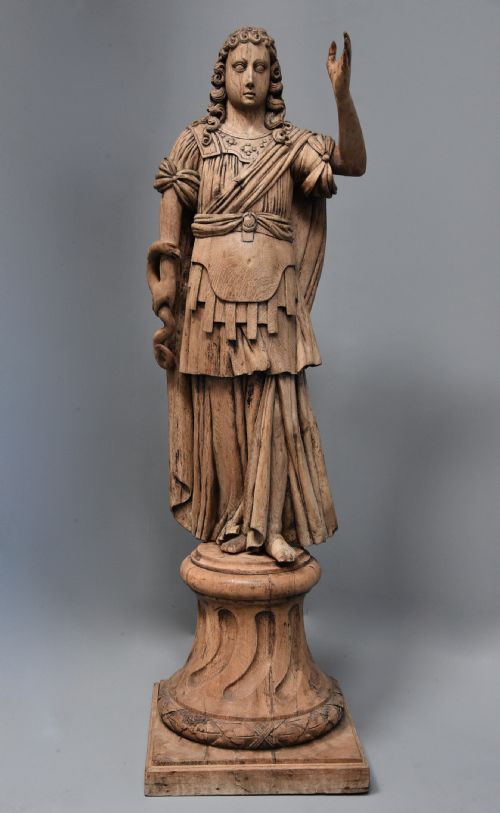
Baroque wood figures bring intense theatrical drama and devotional weight into a room, combining deep regional carving traditions with rich surface treatments like gold leaf and polychrome paint.
Baroque Wood Figures
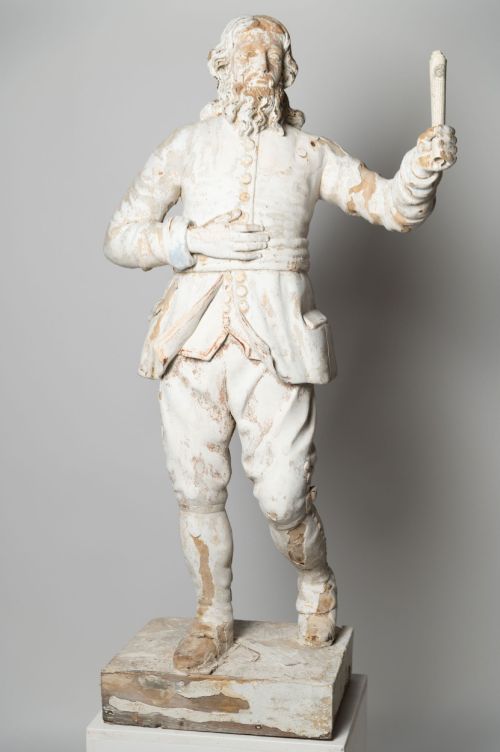
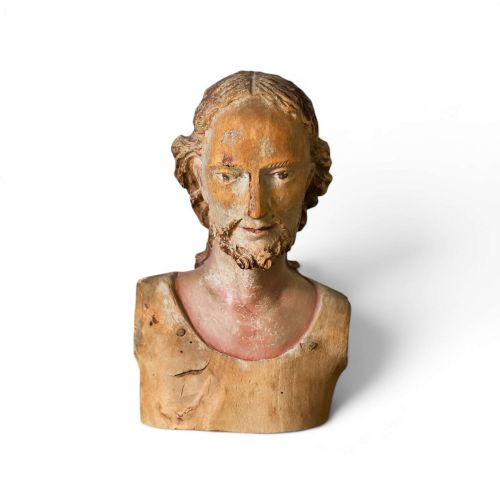
When searching for baroque wood figures, buyers encounter sacred sculptures, ecclesiastical statues, and decorative carvings produced across European centres from the seventeenth century onward. The selection spans Spanish pietas, Italian saints, German limewood figures, and continental church furnishings designed to convey profound emotional narratives.
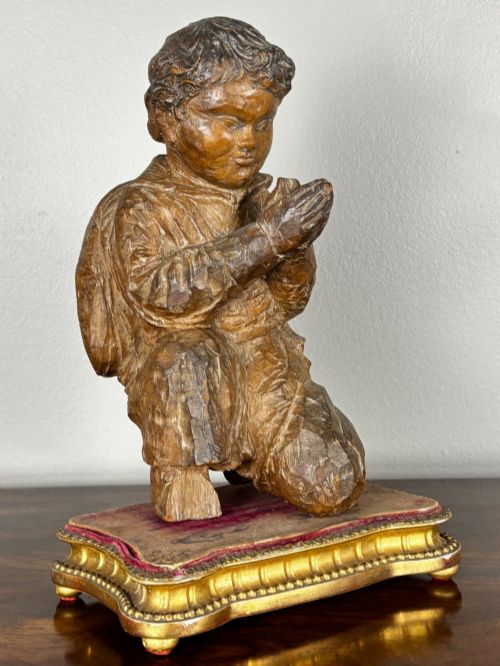
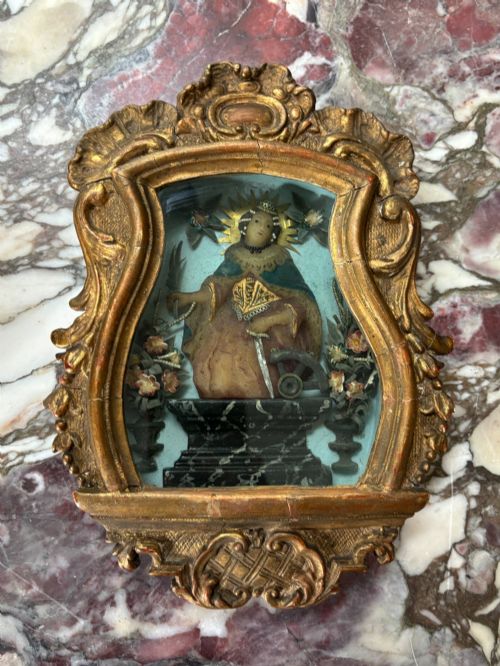
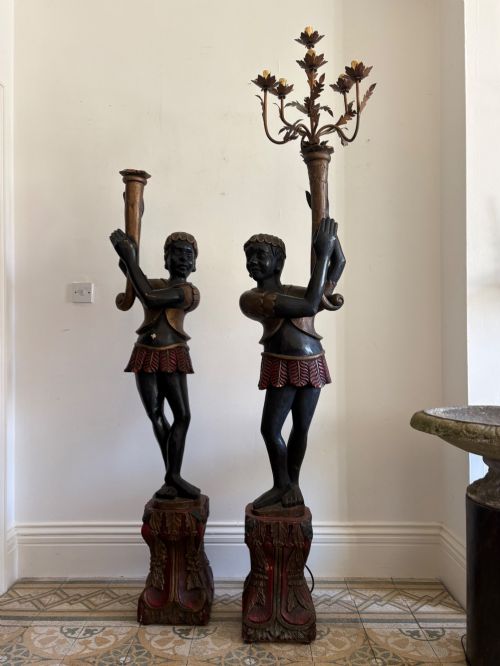
Most pieces on this page originate from the seventeenth and eighteenth centuries, taking the form of kneeling angels, cherubs, and devotional figures of saints. Alongside traditional devotional statues, buyers also find later interpretations, including nineteenth-century revivals and Venetian floor lamps.
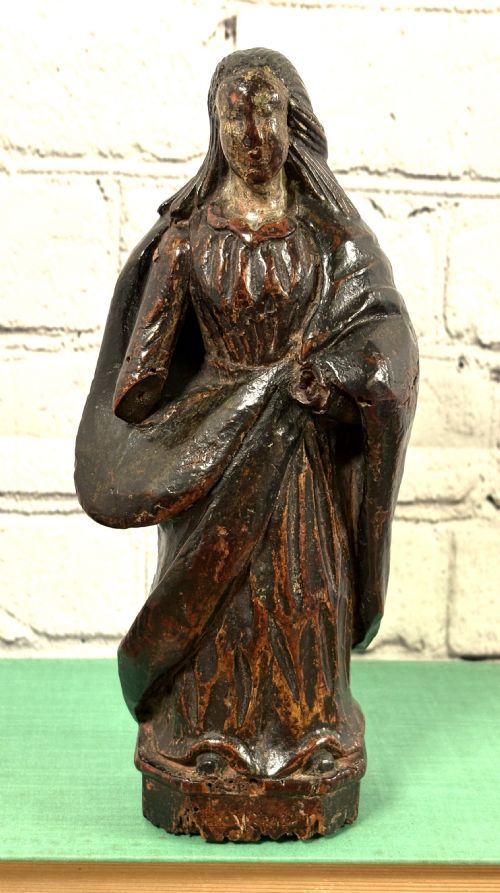
Religious sculpture forms the core of these listings, often emerging from Italian, Spanish, and German workshops. The physical presence of these works relies on substantial timber blocks shaped into dynamic, sweeping gestures typical of the period.
How they were made
Carvers utilised regional timbers such as oak, limewood, applewood, boxwood, and olive wood, selecting each for its grain structure and ability to hold fine detail. Artisans worked these woods with chisels and gouges to create the characteristic flowing drapery and energetic postures associated with the style.
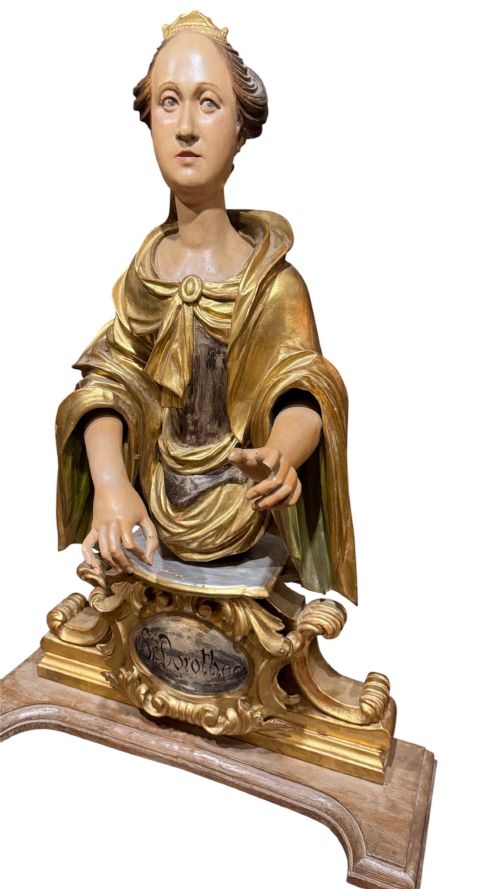
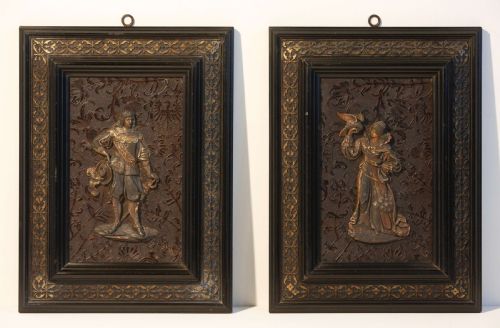
Surfaces were frequently finished with gesso to provide a smooth base for subsequent layers of polychrome paint, silvering, or gold leaf. This combination of carved timber and applied metallic or pigment finishes protected the wood while enhancing the visual drama of the drapery and flesh tones.
Baroque Wood Figures Retail Price Guide 2026
Typical asking prices for baroque wood figures among the pieces listed under this phrase on Sellingantiques today, from the lower quarter to the upper quarter. They describe what is for sale here now, not the wider market.
Listings feature woods such as oak, limewood, boxwood, applewood, and olive wood shaped into figures across the seventeenth, eighteenth, and nineteenth centuries.
What varies in quality
The sophistication of the initial carving distinguishes exceptional pieces from standard workshop output, particularly in the rendering of facial expressions, hands, and deep folds of fabric. Master carvers achieved a naturalistic weight and tension in the posture of figures like saints and angels that lesser artisans missed.
The preservation of original surface treatments, including polychrome pigment and gold leaf, significantly influences the integrity of a piece. Works retaining their early layered finishes demonstrate greater artistic completeness compared to those with later overpainting or stripped timber.
Simon Troger·Guillaume Courtois
The Baroque Wood Figures Glossary
- Polychrome paint
- Decoration applied in multiple colours to the surface of wood sculpture. This technique added realism to the skin tones and garments of religious figures.
- Giltwood
- Timber that has been coated with a thin layer of gold leaf. It reflects candlelight effectively within church interiors and domestic spaces.
- Limewood
- A fine-grained timber favoured by continental carvers for intricate detail work. Its soft yet stable nature allowed artisans to undercut drapery with precision.
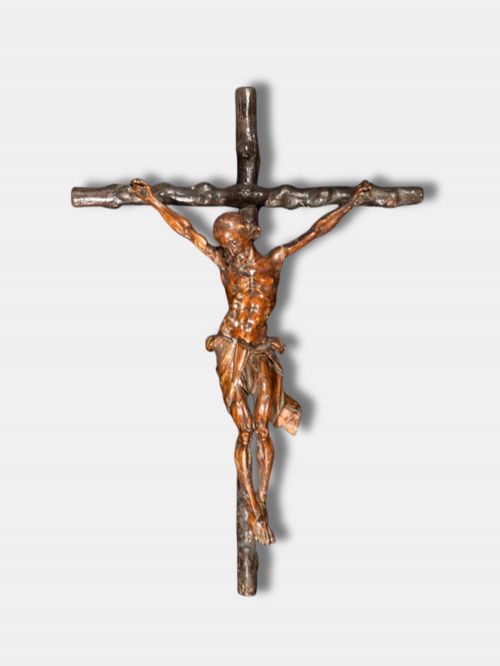
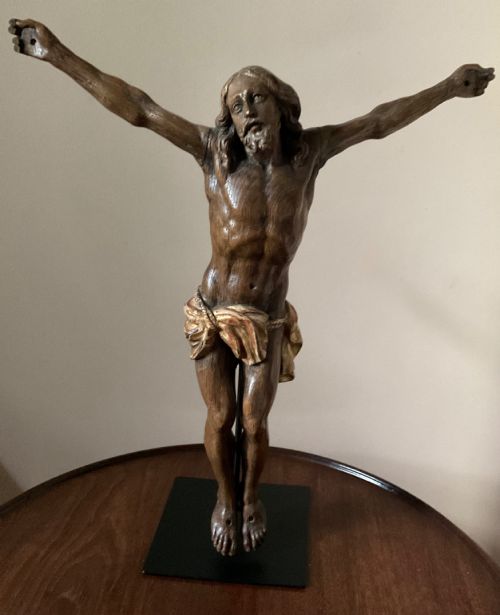
- Corpus Christi
- A representation of Jesus Christ on the cross. These wooden figures emphasise the physical suffering and emotional intensity typical of seventeenth-century devotion.
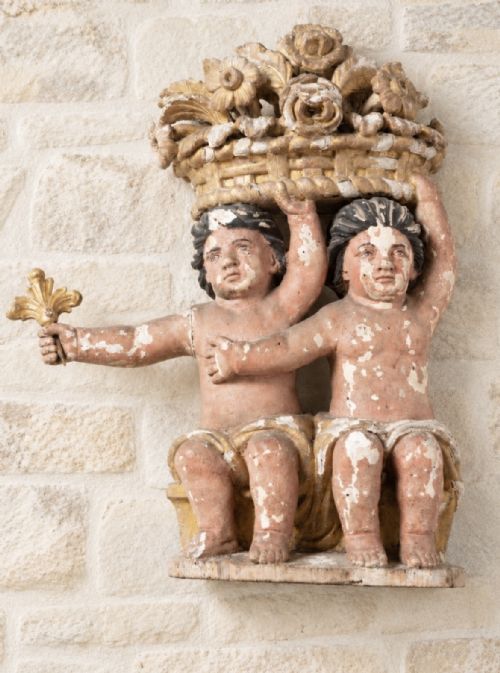
- Putto
- A chubby infant motif often depicted as a winged cherub or angel. They appear frequently in pairs supporting baroque altars and architectural elements.
Baroque Wood Figures: Frequently Asked Questions
What periods do these figures come from?
The listings span several centuries, with a strong concentration of pieces originating in the seventeenth and eighteenth centuries during the height of the continental baroque movement. Later nineteenth-century revival pieces also appear alongside these earlier works.
Craftsmen across Italy, Spain, Germany, and the Low Countries produced these carvings for both ecclesiastical settings and private devotional spaces.
How were these statues used originally?
Many of these sculptures served devotional functions in churches, private chapels, and monastic settings, aiding contemplation and prayer. Figures of saints, angels, and Christ were integrated into altarpieces, processional floats, and architectural niches.
Some larger items, such as candelabra figures and torcheres, functioned as functional lighting supports in grand interiors.
Where should I place a wooden figure at home?
These sculptures suit spaces with stable humidity and temperature, away from direct sunlight and heat sources to protect the wood and gesso surfaces. Placing them on consoles, brackets, or dedicated tables allows the dynamic silhouettes and carved details to be viewed clearly.
Pairing single saint figures with neutral backgrounds lets the historical character of the polychrome or gilt finish stand out.