






Baroque Walnut Secretary Desk
A baroque walnut secretary desk brings dramatic timber and clever compartments into a room, offering a serious workspace dressed in rich European craftsmanship.
Baroque Walnut Secretary Desk
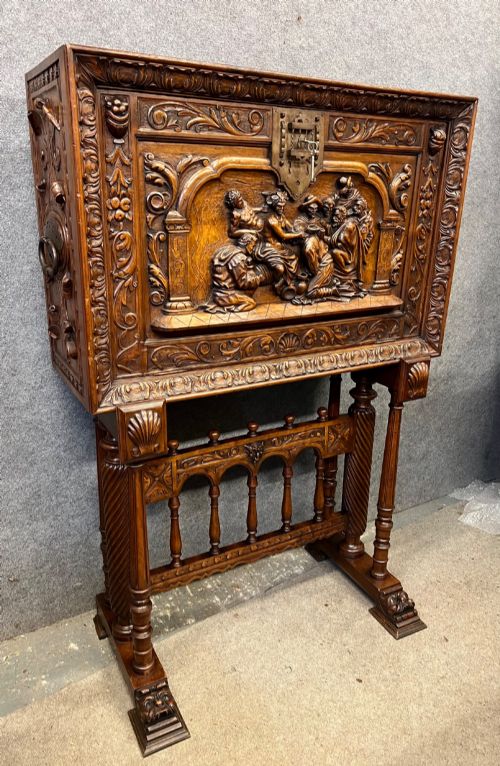
A baroque walnut secretary desk is a substantial writing furniture piece that combines a sloping fall-front desk or cabinet upper with drawers, often appearing as bureau bookcases, writing cabinets, or bureau-cabinets on stand.
The versions you meet on this page hail primarily from the seventeenth and eighteenth centuries, alongside later nineteenth-century interpretations and twentieth-century revivals.
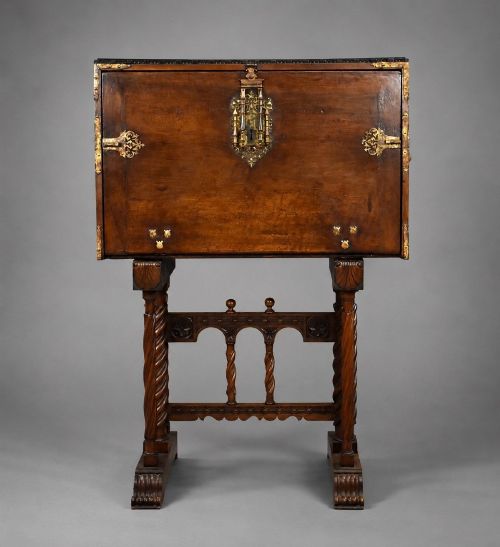
Geographic origins span continental Europe, with specific examples originating from Dutch, Spanish, and South German workshops.
Materials and construction
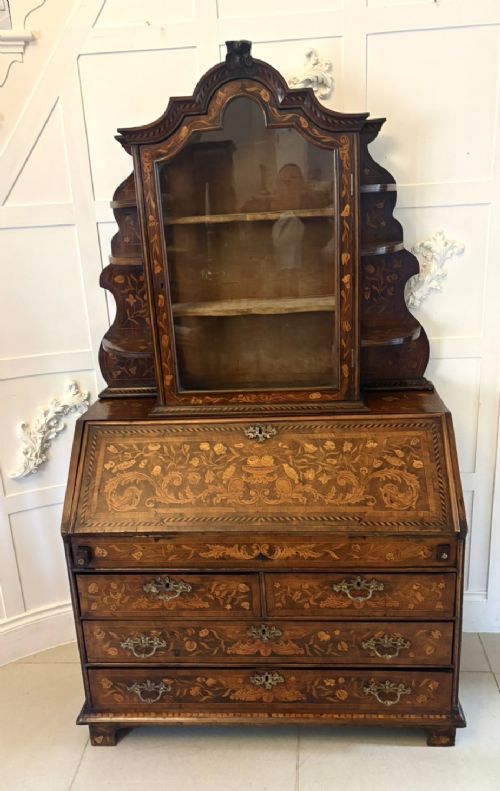
Cabinet makers utilised solid walnut, burr walnut veneer, and fruitwood, sometimes incorporating fruitwood marquetry decoration across the surfaces.
Structural and decorative elements incorporate brass hardware, iron fittings, and glass panels within taller bookcase or cabinet formats.
Baroque Walnut Secretary Desk Retail Price Guide 2026
Typical asking prices for baroque walnut secretary desk among the pieces listed under this phrase on Sellingantiques today, from the lower quarter to the upper quarter. They describe what is for sale here now, not the wider market.
Listings feature walnut, burr walnut veneer, fruitwood, and fruitwood marquetry across seventeenth, eighteenth, nineteenth, and twentieth-century periods.
Assessing quality
The caliber of a baroque walnut secretary desk rests on the ambition of its marquetry patterns and the selection of figured burr walnut veneers across the facade.
Architectural presence defines the higher tiers, where South German and Dutch forms exhibit confident proportions and integrated stands or upper bookcase sections.
The Baroque Walnut Secretary Desk Glossary
- Burr walnut
- A figured timber veneer sliced from walnut tree growths, prized for its swirling grain patterns. It creates highly decorative surfaces on European case furniture.
- Marquetry
- Fitted pieces of wood veneer assembled to form pictorial or geometric designs on furniture. Fruitwood marquetry often decorates Dutch desk facades.
- Bargueño
- A portable Spanish writing cabinet fitted with a drop-front lid revealing numerous small drawers. It traditionally rests on a matching stand or table.
- Bureau bookcase
- A dual-purpose piece featuring a writing desk lower section beneath an enclosed shelving cabinet. These tall items dominate the eighteenth-century styles.
Baroque Walnut Secretary Desk: Frequently Asked Questions
What is a baroque walnut secretary desk?
A baroque walnut secretary desk is a historical writing cabinet designed with a drop-front desk surface and internal compartments, often extended with a tall bookcase top.
These pieces originate from seventeenth and eighteenth-century European traditions, employing rich walnut timbers and decorative marquetry.
Where were these desks made?
The available pieces originate from various continental European regions, notably Dutch, Spanish, and South German workshops.
Each regional tradition brings distinct decorative habits, from Spanish fall-front cabinets to elaborate Dutch marquetry bureaus.
How do I date a baroque desk?
Dating relies on examining the structural joinery, timber selection, and decorative styles characteristic of periods from the seventeenth century onward.
Later twentieth-century revivals copy these earlier forms, making wood preparation and hardware crucial clues for age.
How do I live with a secretary desk?
Living with these desks involves positioning them away from direct sunlight and heat sources to protect the delicate walnut veneers and marquetry.
The fold-down writing surfaces and internal drawers provide functional storage for modern stationery while serving as strong focal points in a study.