


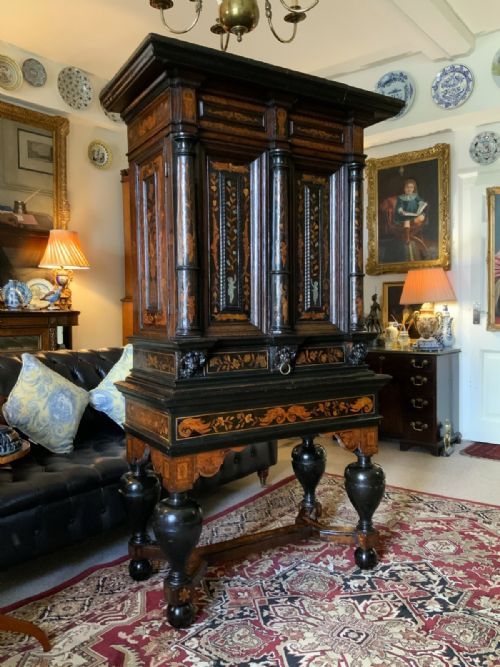
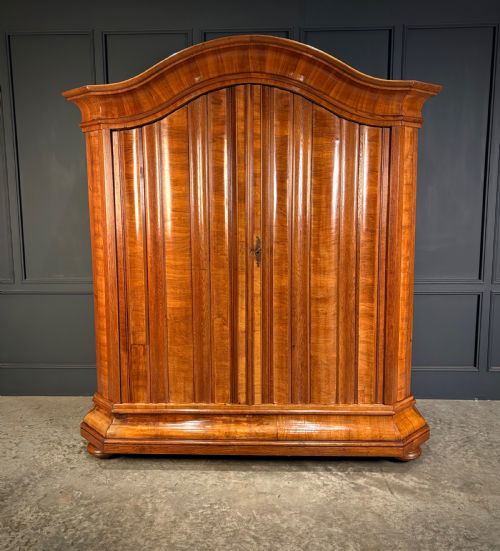
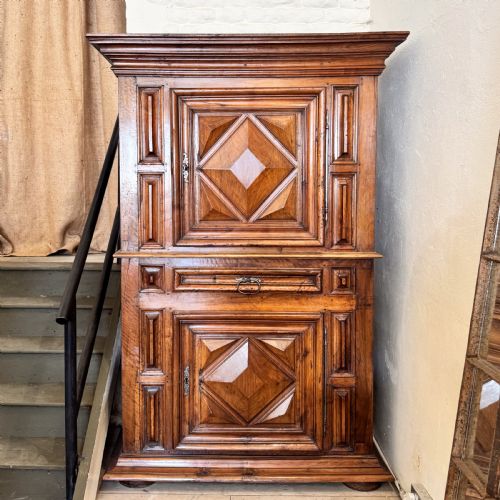
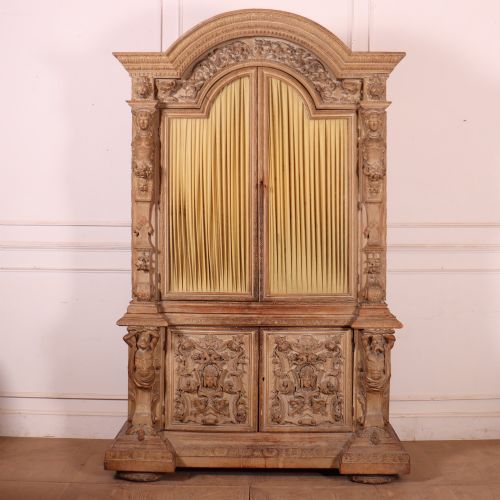
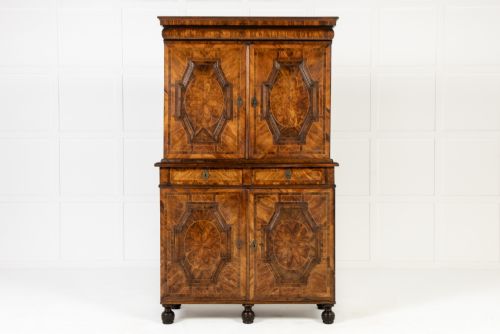

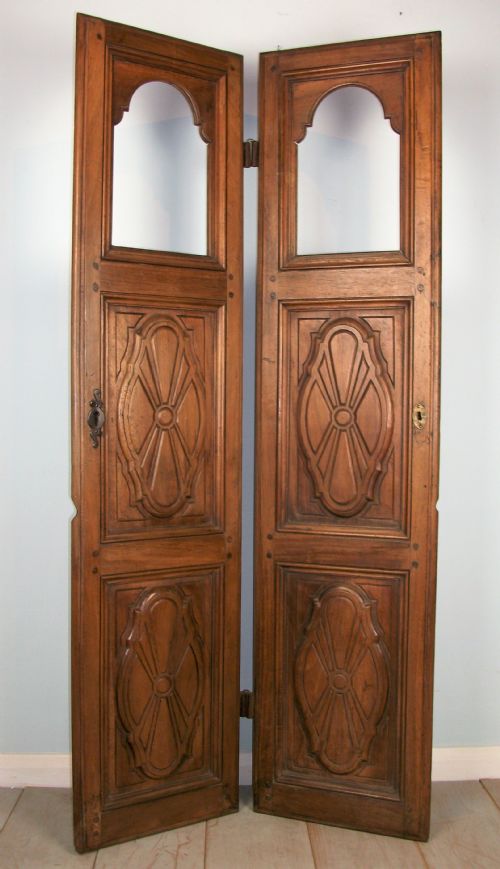
Baroque Walnut Cupboard
A baroque walnut cupboard brings dramatic grain and grand presence to a room, offering practical storage disguised as art.
Baroque Walnut Cupboard
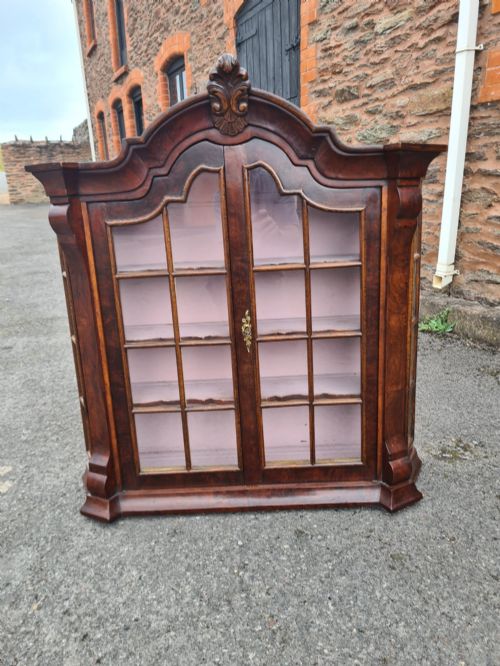
When you search for a baroque walnut cupboard, you enter a world of heavy timber, dark patination, and architectural forms designed to command a room. These pieces range from towering linen presses and cabinets on stands to smaller corner cupboards and sideboards.
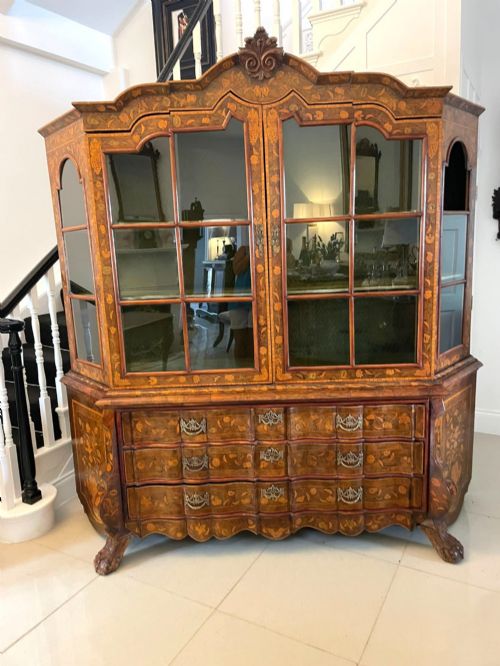
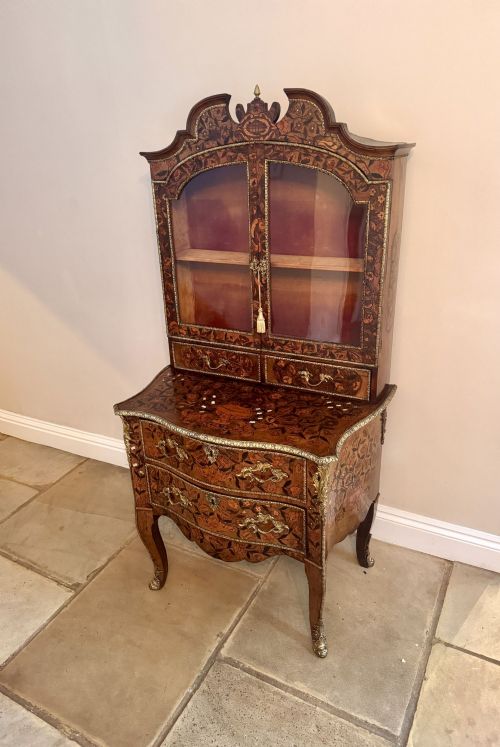
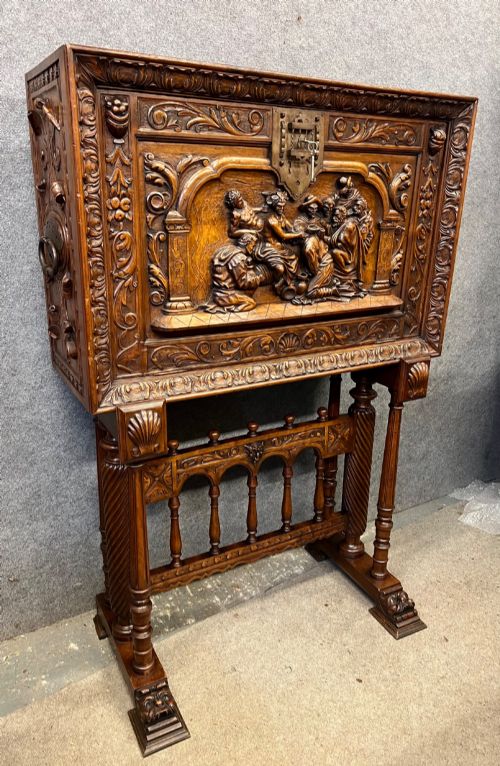
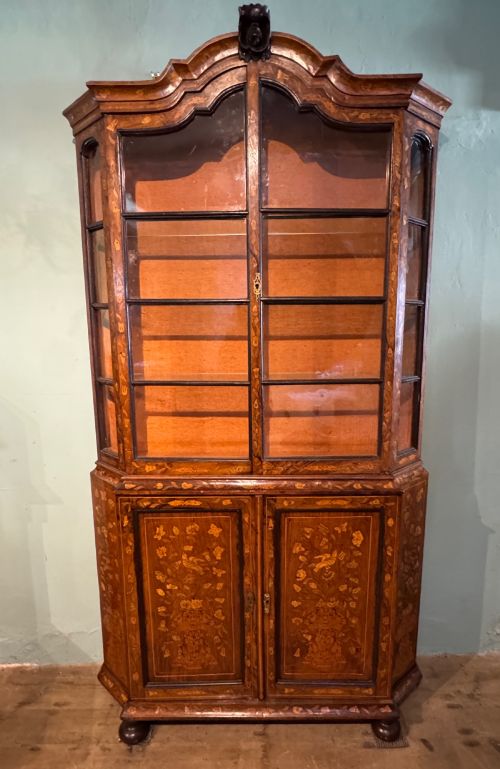
The versions you are most likely to meet on this page come primarily from seventeenth and eighteenth century workshops in the Netherlands, Italy, and Spain. Dutch examples often display elaborate marquetry and floral inlay, whilst Italian and Spanish pieces lean towards carved panels and clean, imposing proportions.
Continental makers constructed these storage items to house valuable textiles, silver, or documents, treating the exterior surfaces as canvases for figured wood. Surviving items include glazed display cabinets, pedestal cupboards, and massive armoires that retain their working interior shelves and drawers.
How they were made
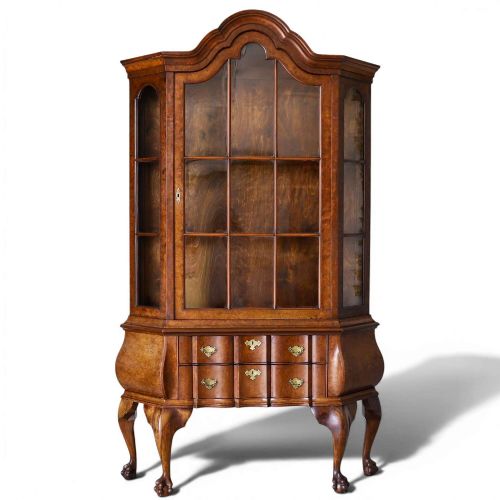
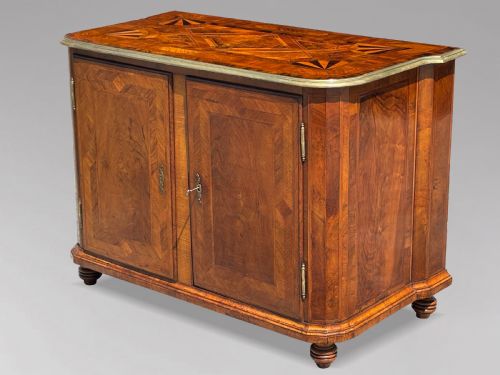
Cabinetmakers built these items using solid carcases of oak or fruitwood, entirely faced in finely figured walnut veneers and burr walnut slices. This technique allowed workshops to display swirling grain patterns across large flat doors and drawer fronts without risking the structural movement of solid timber.
Decoration relied heavily on intricate marquetry using fruitwoods, alongside contrasting inlay materials such as pewter and brass. Carved elements were worked directly into solid walnut or applied in high relief to frame panels and cornices.
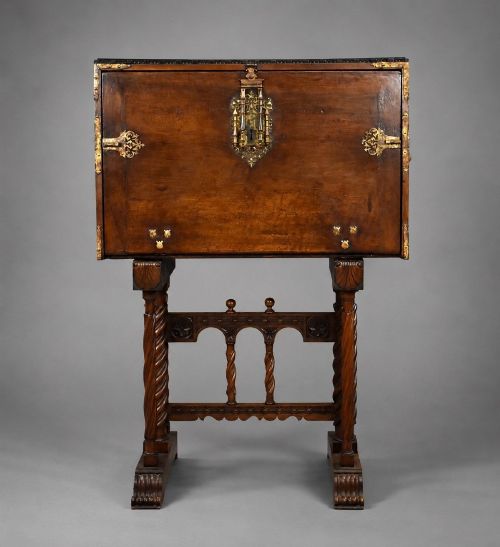
Iron and brass hardware, including heavy drop handles, decorative escutcheons, and visible hinges, secured doors and drawers while adding metallic contrast to the dark timber.
Baroque Walnut Cupboard Retail Price Guide 2026
Typical asking prices for baroque walnut cupboard among the pieces listed under this phrase on Sellingantiques today, from the lower quarter to the upper quarter. They describe what is for sale here now, not the wider market.
The selection spans the seventeenth, eighteenth, and nineteenth centuries, with origins across Italy, Spain, Germany, and the Netherlands.
What varies in quality
The standard of a baroque walnut cupboard rests on the depth of the timber's grain and the crispness of its marquetry or carved detail. Pieces featuring dense burr walnut veneers and multi-wood floral inlay demand significantly greater skill from the joiner than plain panelled surfaces.
Proportion and architectural integrity dictate the standing of a piece within its period. Refined mouldings, well-balanced panel layouts, and original stands elevate cabinetwork from simple utility to high decorative art.
The Baroque Walnut Cupboard Glossary
- Marquetry
- The art of forming decorative patterns by fitting together small pieces of wood veneer. Craftsmen used various fruitwoods to create floral and geometric scenes across cabinet doors.
- Bargueño
- A type of portable writing cabinet originating in Spain, usually featuring a drop-front lid and numerous small internal drawers. These pieces sit upon decorative stands or support tables.
- Burr walnut
- Wood taken from a tree growth or burl, yielding swirling, knotty grain patterns. Cabinetmakers prized this timber for high-status veneering.
- Linen press
- A tall storage piece designed to hold folded garments and textiles, combining upper cupboard doors with lower drawers. Early examples often feature panelled doors and deep cornices.
- Vitrine
- A glass-fronted display cabinet used to exhibit ceramics and collectibles. The upper glazed sections protect contents while allowing full visibility.
Baroque Walnut Cupboard: Frequently Asked Questions
How do I date a baroque walnut cupboard?
Dating relies on examining construction methods, timber choices, and stylistic markers such as feet, cornices, and hardware. Seventeenth-century examples often display heavier architectural mouldings and joined carcases, whilst eighteenth-century pieces frequently utilise elaborate marquetry veneers.
Secondary woods inside drawers and backboards offer further clues to geographic origin and workshop date. Comparing these details against documented regional traits helps narrow the decade of manufacture.
Where should I place a large cupboard?
These imposing storage items demand substantial wall space and stable environmental conditions away from direct heat sources. Placing them in a hallway, dining room, or drawing room allows the grand scale and figured grain to anchor the interior scheme.
Ensure the floor is level so doors hang true and internal mechanisms operate smoothly. Heavy pieces should be anchored to the wall for safety if they feature tall upper sections or stands.
How do I care for antique walnut?
Maintain walnut surfaces by dusting gently with a dry, soft cloth and avoiding modern silicone polishes. Feeding the timber occasionally with appropriate beeswax helps preserve the moisture and natural patination of the wood.
Keep the cupboard away from direct sunlight and dramatic humidity shifts to prevent veneer lifting or timber splitting. Stable indoor temperatures ensure the historical finish remains intact for decades.
What is the difference between a cabinet and a press?
A cabinet is a general term for storage furniture with doors and shelves, whilst a linen press specifically designates a tall piece built with internal sliding trays or shelves originally intended for textiles. Presses often combine deep upper cupboards with a chest-of-drawers base.
Cabinets frequently serve display or general storage functions with glazed or panelled doors. Understanding internal fittings clarifies the original domestic purpose of each form.