





Baroque Wall Plaque
A baroque wall plaque brings dramatic carved depth and historical theatre to a plain room, offering masterly woodwork or metalwork from centuries past.
Baroque Wall Plaque
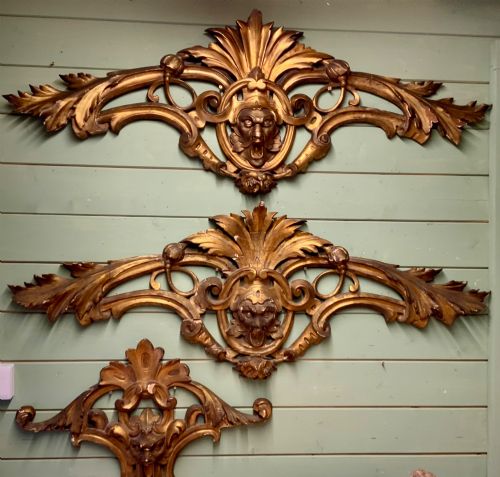
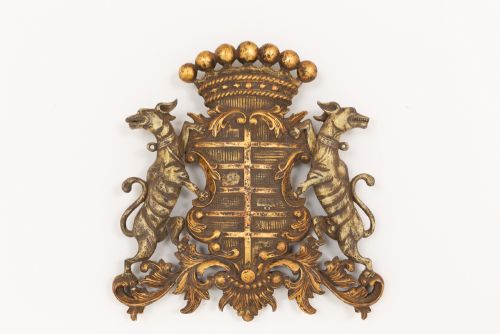
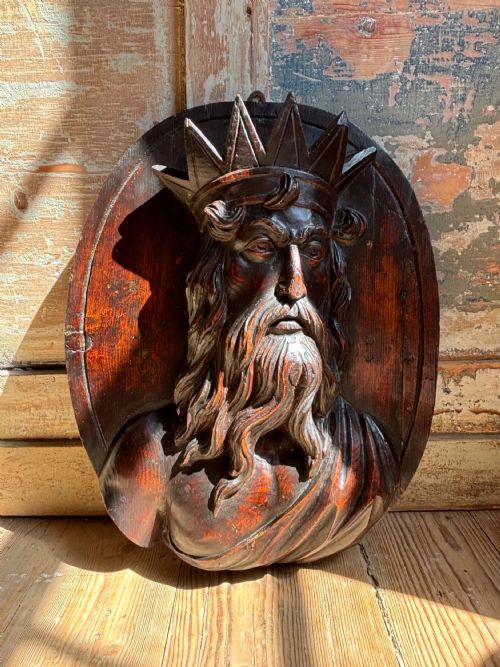
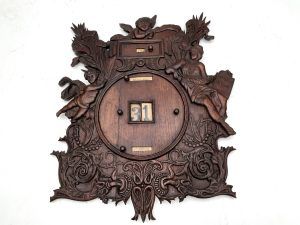
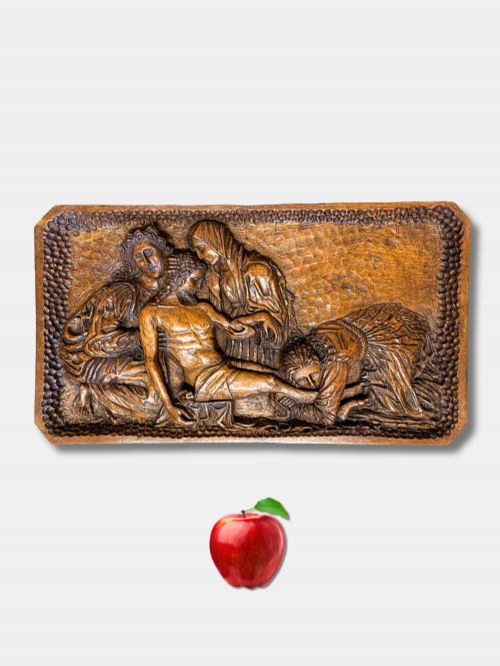
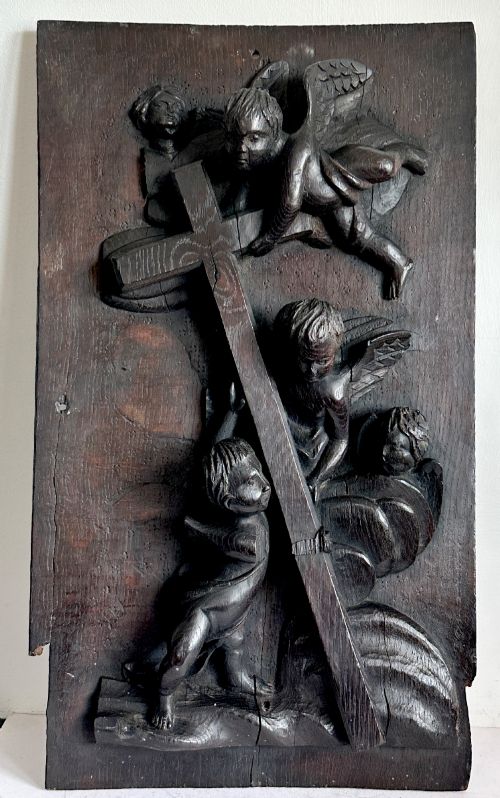
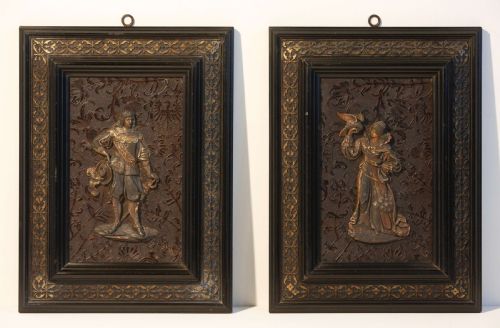
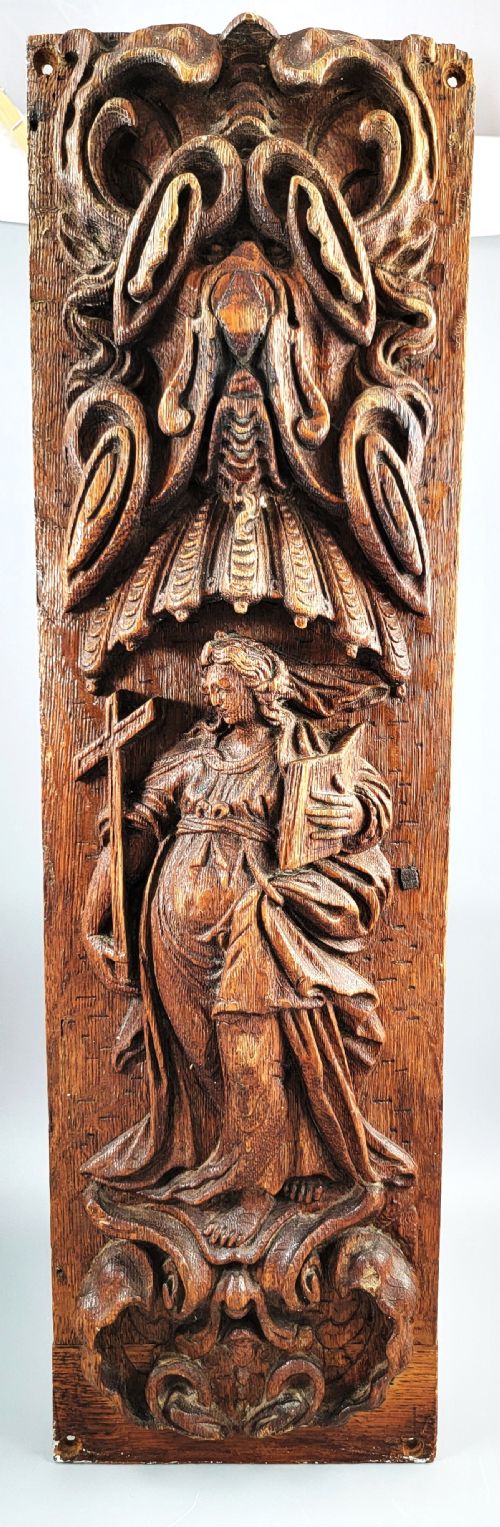
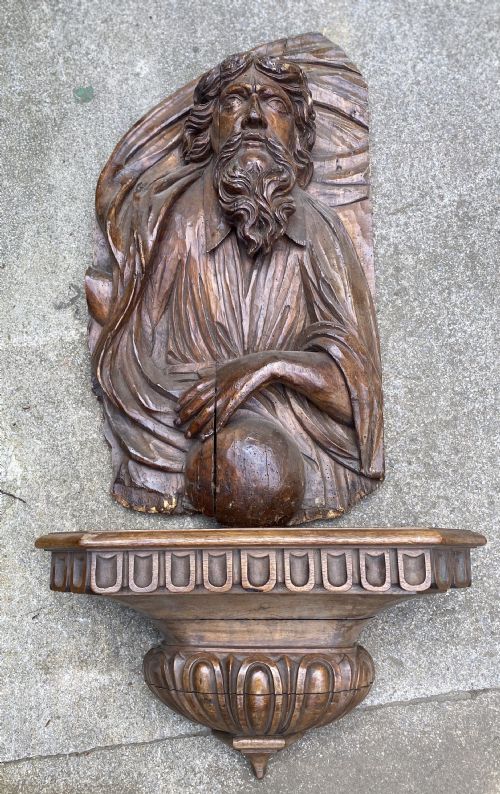
A baroque wall plaque is a sculptural panel or relief designed for interior display, drawing from styles like Italian Baroque, French Rococo, and Louis XIII. These pieces take the form of wall reliefs, carved architectural fragments, armorial shields, and figural sculptures depicting subjects such as Neptune and biblical scenes. You are most likely to meet substantial wooden panels and figural carvings originating from the seventeenth and eighteenth centuries.
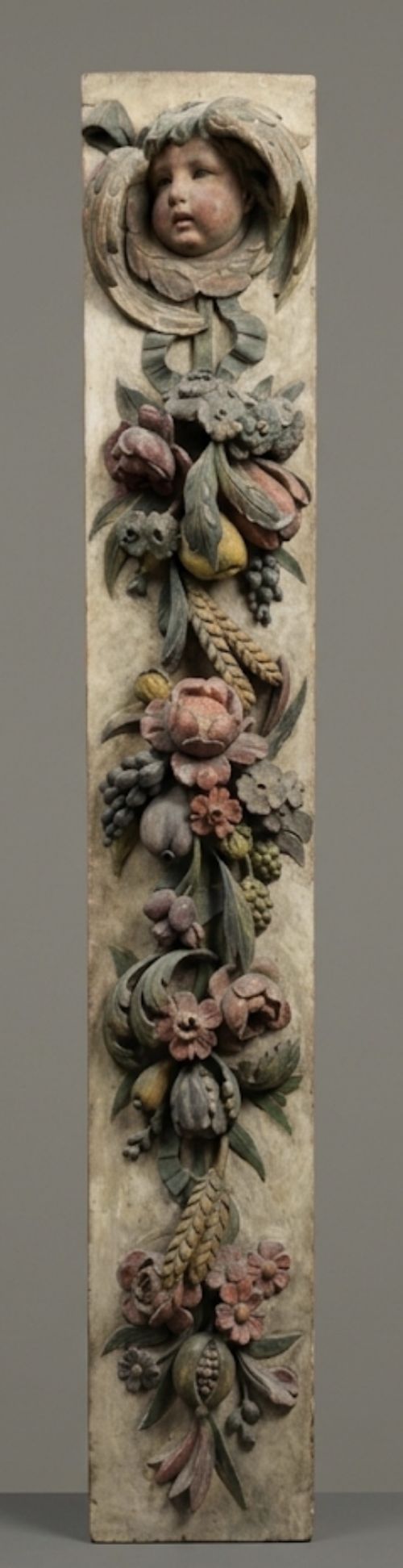
The selection ranges from early seventeenth-century oak and chestnut panels to later revival pieces and nineteenth-century white metal and gilded bronze relief plaques. Oak and walnut dominate the offerings, often deeply carved with acanthus leaves, cherubs, and allegorical subjects. Italian, French, Flemish, and German influences appear frequently among the works, reflecting diverse regional interpretations of the baroque aesthetic.
What varies in quality
The distinction between ordinary and exceptional panels lies in the depth and anatomical precision of the carving, particularly in complex figures and facial expressions. Master carvers achieved fluid motion in acanthus leaves and convincing musculature in subjects like Neptune or cherubs, whereas lesser work appears stiff or shallow. The integrity of the original wood, whether seasoned oak, walnut, or chestnut, and the preservation of early polychrome or gilt surfaces also elevate certain pieces above standard architectural salvage.
Regional execution dictates much of the character, with High Baroque Flemish and German panels displaying distinct sculptural ambition compared to standard decorative mouldings. The presence of documented iconography, such as allegorical representations of faith or specific armorial details, indicates workshop output of higher ambition and execution.
Baroque Wall Plaque Retail Price Guide 2026
Typical asking prices for baroque wall plaque among the pieces listed under this phrase on Sellingantiques today, from the lower quarter to the upper quarter. They describe what is for sale here now, not the wider market.
Object forms range from architectural salvage and marble crests to large figural wall reliefs depicting Neptune, cherubs, and biblical allegories.
The Baroque Wall Plaque Glossary
- Relief
- A sculptural technique where the sculpted elements remain attached to a solid background of the same material. High relief projects significantly from the wall, creating deep shadows.
- Acanthus
- A decorative ornament derived from Mediterranean foliage, heavily utilised in baroque carving for scrolling acanthus leaves. It provides dynamic movement across wooden panels.
- Gesso
- A plaster mixture used as a surface preparation for painting or gilding on wood. It creates a smooth base for gold leaf and polychrome pigments.
- Polychrome
- The practice of decorating architectural elements or sculpture in a variety of colours. Painted wooden panels often retain traces of these historic pigments.
- Armorial
- Relating to heraldry and coat of arms, frequently carved into shields or panels to denote lineage. These items often served as commemorative pieces in grand interiors.
Baroque Wall Plaque: Frequently Asked Questions
Where should I hang a baroque wall plaque?
These substantial panels demand a wall with adequate load-bearing capacity, often suiting a living room, hallway, or above a fireplace. Their deep relief and figural subjects anchor a room, pairing well with plain plastered walls that allow the carved timber or bronze to stand out.
Ensure the hanging method matches the weight of dense hardwoods like oak or walnut. Professional brackets or secure french cleats keep heavy panels stable without straining the ancient wood.
How do I clean an antique carved panel?
Maintenance requires only gentle dusting with a soft, dry brush to remove particles from deep recesses like acanthus leaves or cherub carvings. Avoid using wet cloths, liquid cleaners, or household polishes, which can damage aged timber, gesso, or delicate gold leaf.
Fluctuations in humidity can cause old hardwoods to split or warp over time. Keep these plaques away from direct heat sources and out of bright, direct sunlight to preserve the original surface integrity.
How can I tell a seventeenth-century panel from a later copy?
Early seventeenth-century panels show distinct tool marks consistent with hand-chiselled oak or chestnut, alongside natural timber shrinkage and patination earned through age. Construction methods, such as pegged joints or hand-hewn backing boards, often point to period authenticity.
Revival pieces, such as those from the nineteenth century, sometimes utilise different secondary timbers or machine-sawn elements. Examining the back of the panel reveals the age of the wood and the working methods of the period.
What is the difference between a wall plaque and architectural salvage?
A wall plaque is typically conceived as a standalone sculptural artwork intended for interior display, such as an armorial shield or figural relief. Architectural salvage usually comprises elements removed directly from a building structure, like fragments of masonry, marble crests, or integrated wooden panelling.
Both categories share baroque aesthetics and deep carving techniques, but plaques are framed for visual impact as independent objects. Salvage pieces carry the history of a specific building's interior scheme.