

Baroque Timber Carving
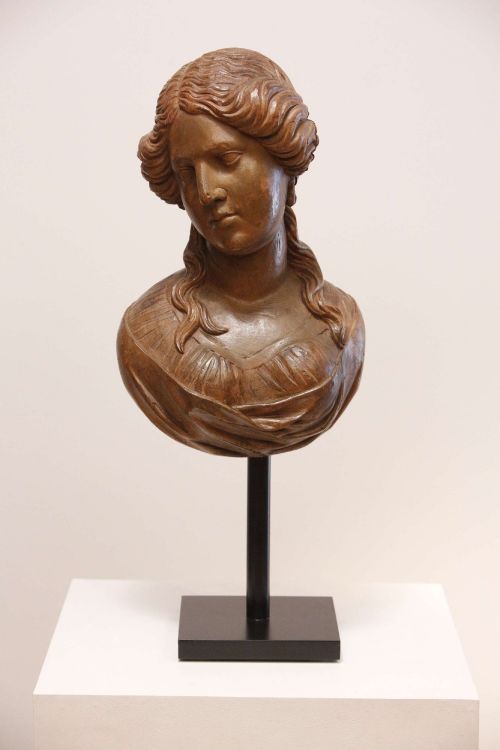
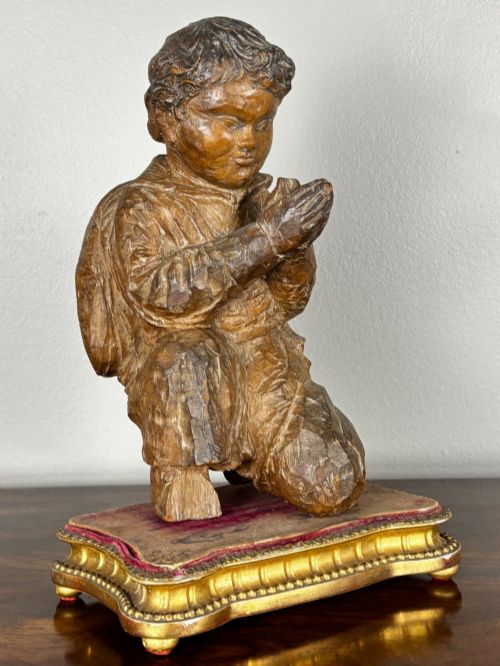
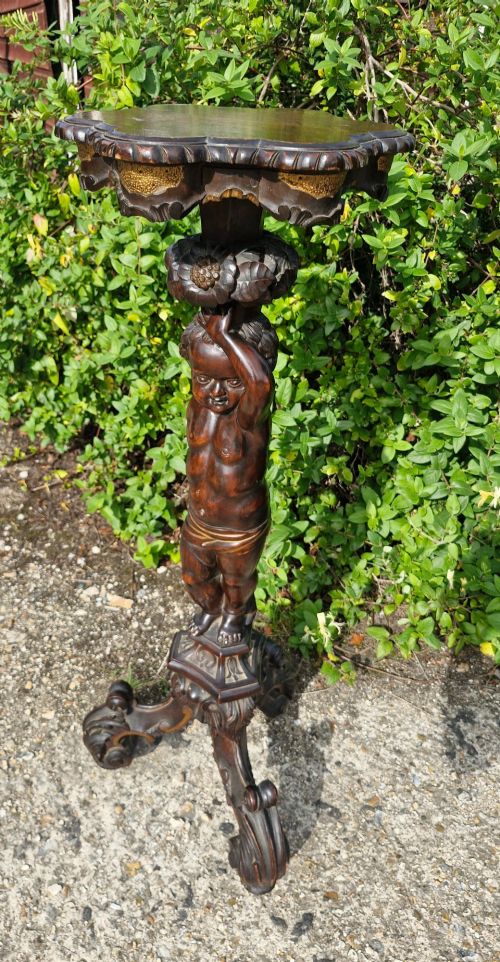
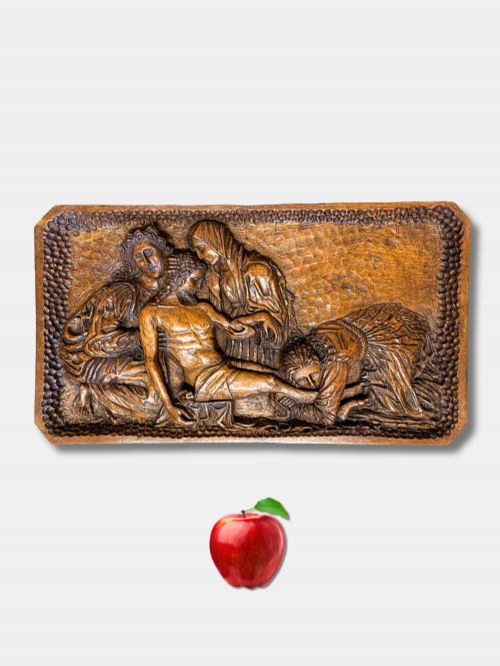
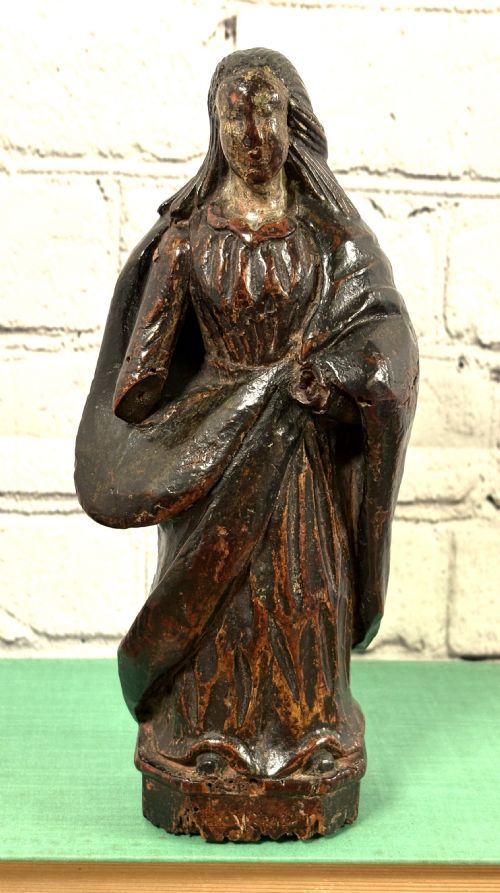
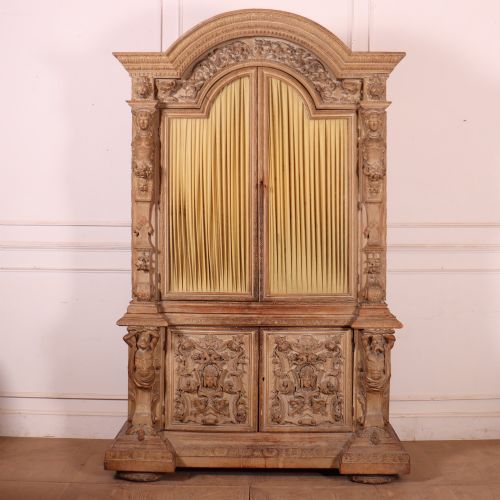
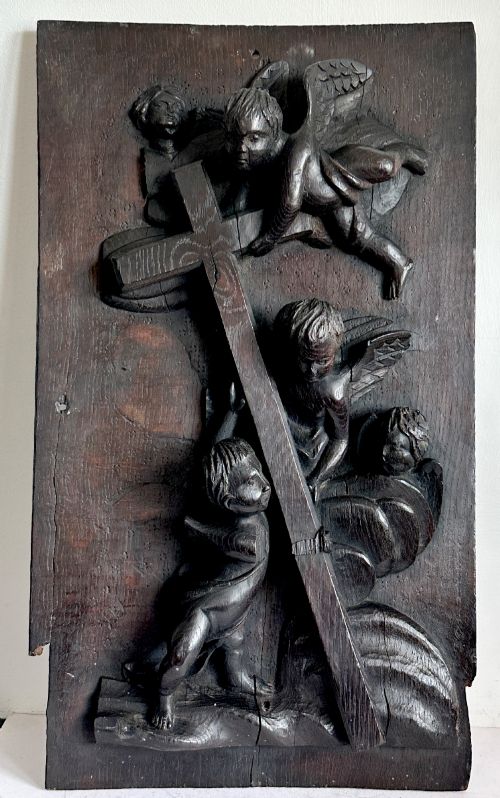
Baroque timber carving brings dramatic historical presence into a room through rich architectural salvage, ecclesiastical figures and ornate mirrors.
Baroque Timber Carving
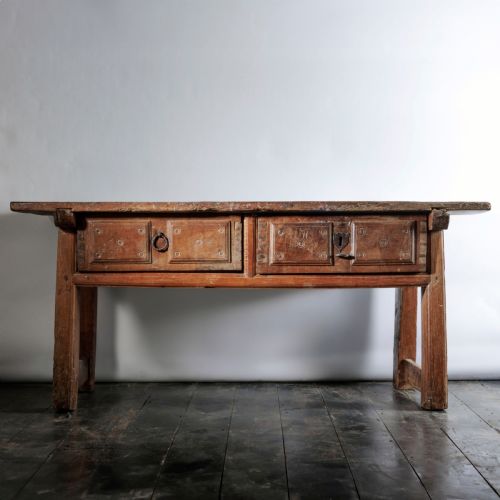
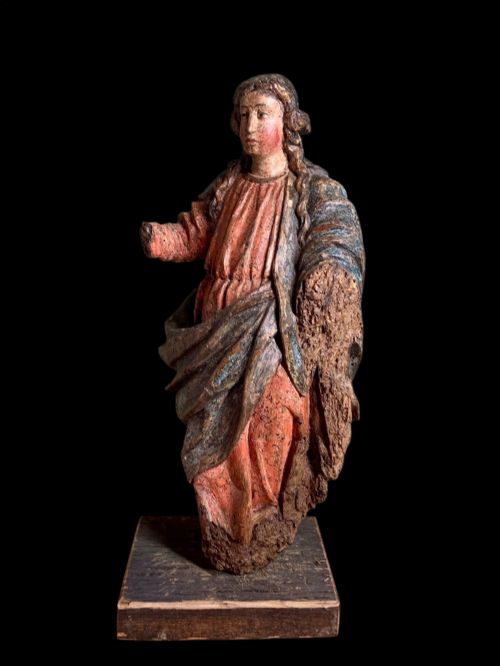
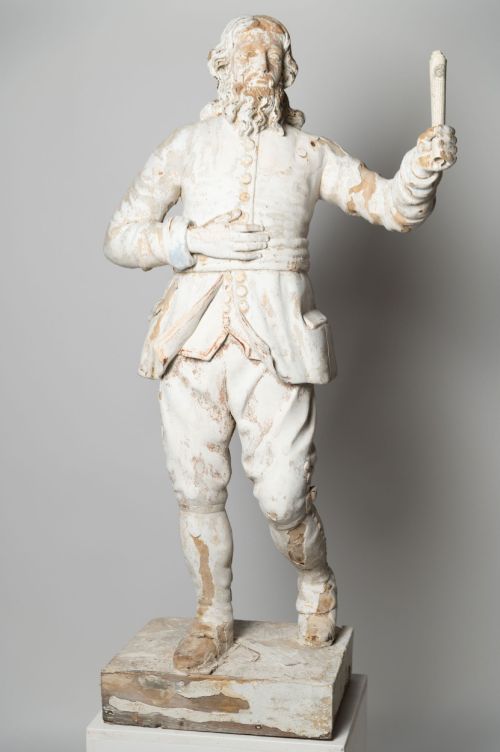
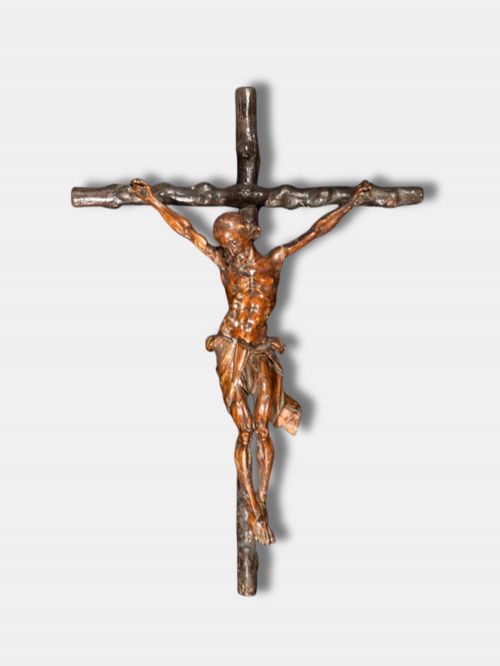
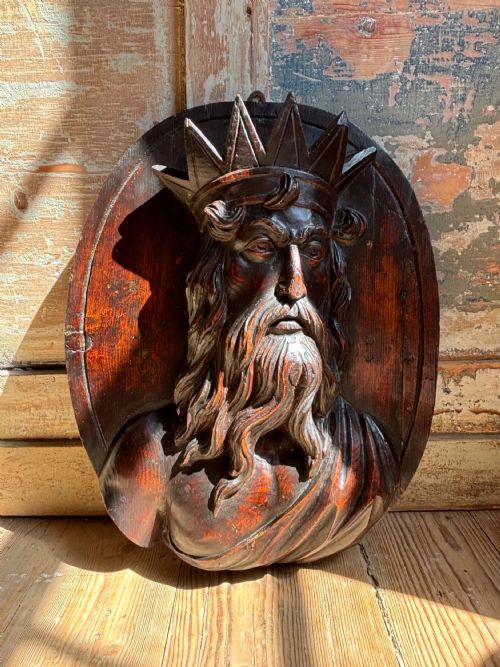
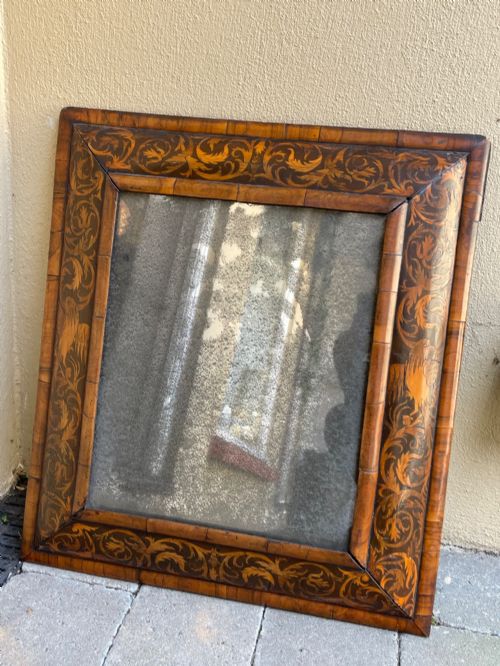
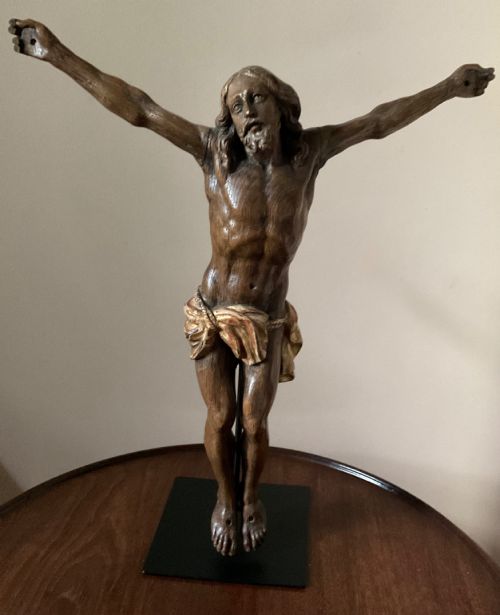
When you search for baroque timber carving, you encounter heavy panels, figures of saints, wall mirrors and architectural elements originating mainly from the seventeenth and eighteenth centuries. These pieces reflect continental workshops across Italy, Spain, Flanders and the Netherlands, alongside later revival interpretations.
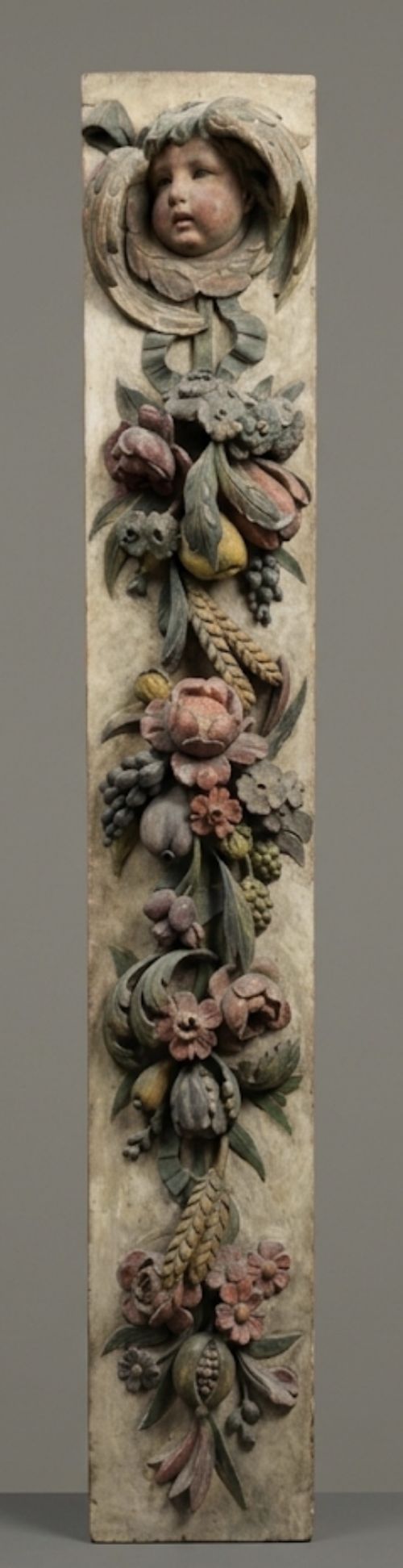
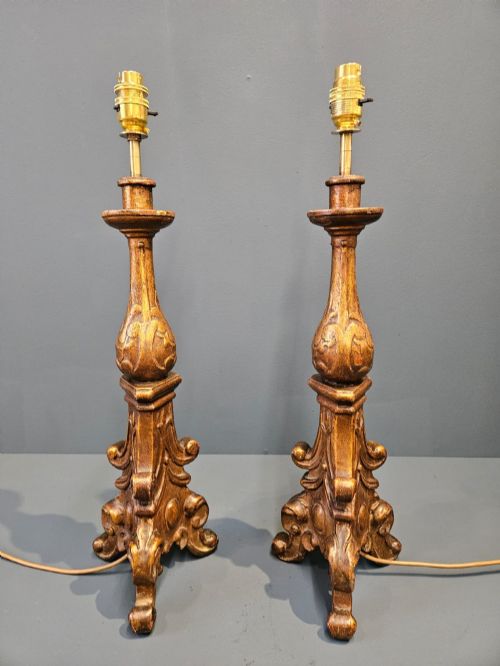
The selection ranges from large oak overdoor panels and chestnut reliefs to giltwood mirrors and limewood figures. Many items retain traces of polychrome or parcel gilt surfaces applied centuries ago.
Materials and construction
Carvers worked predominantly in native hardwoods such as oak, walnut, chestnut, limewood and applewood, utilising dense grain to achieve deep undercut relief. Gesso and gold leaf were frequently applied to pine, walnut or limewood to create luminous gilt surfaces.
Panels and figures were joined using traditional pegged mortise and tenon construction, while sculptural elements were often hewn entirely from single blocks of timber before receiving surface decoration.
Baroque Timber Carving Retail Price Guide 2026
Typical asking prices for baroque timber carving among the pieces listed under this phrase on Sellingantiques today, from the lower quarter to the upper quarter. They describe what is for sale here now, not the wider market.
Angels, saints, and mythical sea creatures peer out from the woodwork, keeping a watchful eye on any room they inhabit.
Assessing craftsmanship
Original surface integrity significantly influences quality, distinguishing pieces with untouched contemporary polychrome or period gilding from those stripped or heavily reworked in later centuries.
Grinling Gibbons·Edward Pearce
The Baroque Timber Carving Glossary
- Polychrome
- Painted in several colours. This term describes wooden figures and panels retaining their original pigment layers.
- Giltwood
- Wood covered with thin gold leaf or gold powder. It forms the shimmering surface seen on many mirrors and architectural ornaments.
- Acanthus
- A stylized leaf ornament derived from Mediterranean flora. It dominates the scrolling foliage found on seventeenth-century panels and frames.
- Caryatid
- A sculpted female figure serving as an architectural support. These appear on carved timber panels and furniture elements.
- Pediment
- A triangular or segmental gable above a door or panel. Baroque examples often feature broken or scroll designs decorated with carved timber mouldings.
Baroque Timber Carving: Frequently Asked Questions
How do I hang a heavy carved timber panel?
Heavy panels require secure wall fixings anchored directly into masonry or timber studs using appropriate metal brackets. Weight distribution must be carefully calculated before mounting.
Consult a professional installer if the piece lacks integrated hanging hardware to ensure the ancient timber remains entirely unstressed.
Should I clean old giltwood mirrors?
Dust accumulated over centuries is best removed gently with a soft, dry brush. Avoid liquid cleaners that can damage fragile gesso and gold leaf.
Moisture will destabilise the underlying timber and ground layers, causing flaking across the decorative carved surfaces.
What is the difference between oak and limewood carvings?
Oak offers robust durability suited for structural panels and architectural salvage. Its pronounced grain suits deep, geometric relief work.
Limewood provides a finer, tighter grain favoured by carvers for intricate figurative sculptures and delicate drapery.
How do I identify a period piece from a revival copy?
Examine the back of the timber for tool marks, oxidation patterns and historical construction methods. Tool usage varies significantly between seventeenth-century hand chisels and later machinery.
Patina builds over centuries through handling and environmental exposure, creating distinct surface wear absent in twentieth-century reproductions.