





Baroque Still Life
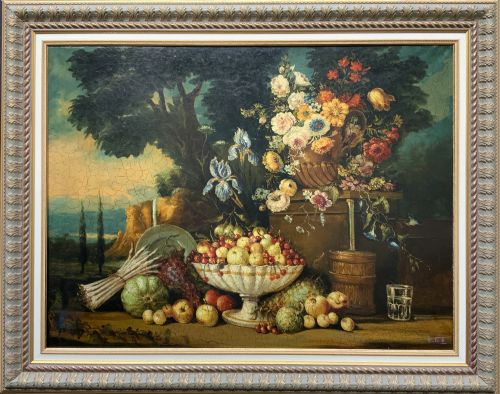
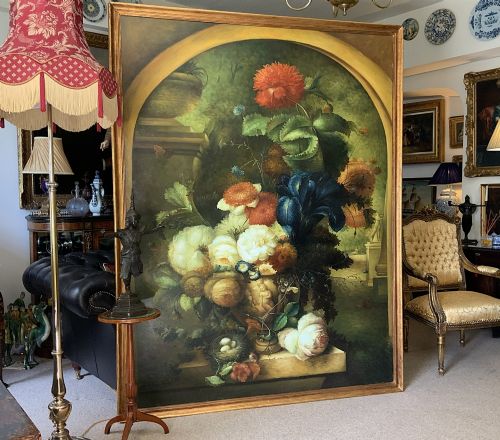
Baroque still life oil paintings and panels bring dramatic compositions of flowers, fruit, and larder scenes into any interior.
Baroque Still Life
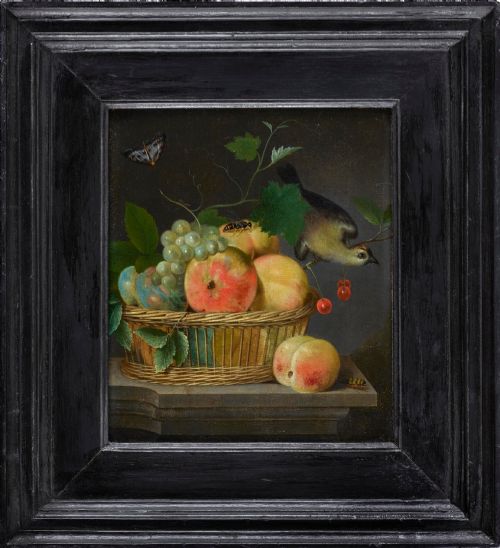
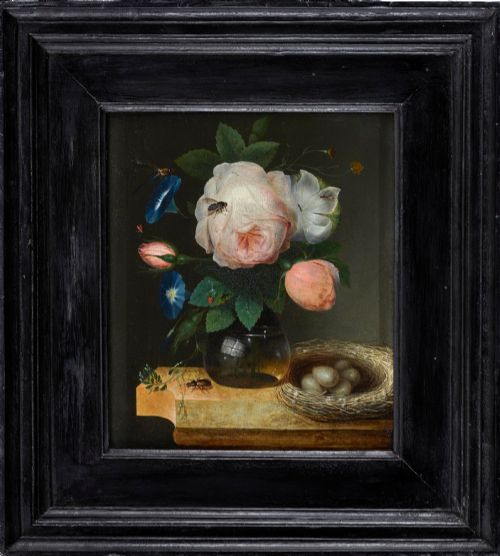
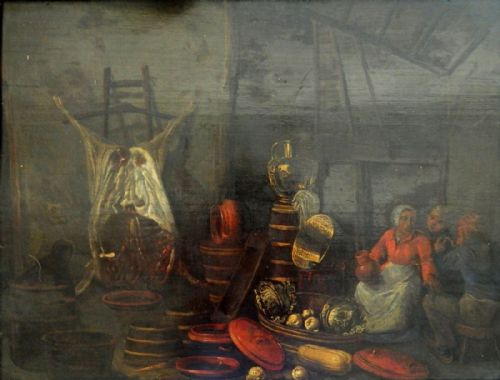
A baroque still life presents carefully arranged subjects such as flowers in glass vases, fruit in wicker baskets, and kitchen or larder provisions rendered in oil paint. These works draw heavily on seventeenth-century Dutch, Flemish, and Italian traditions, capturing rich textures and deep shadows.
The pieces on this page span several centuries, including seventeenth-century originals alongside later interpretations from the eighteenth, nineteenth, and twentieth centuries. Buyers will encounter both canvas supports and oak panels framed in giltwood or gilt wood.
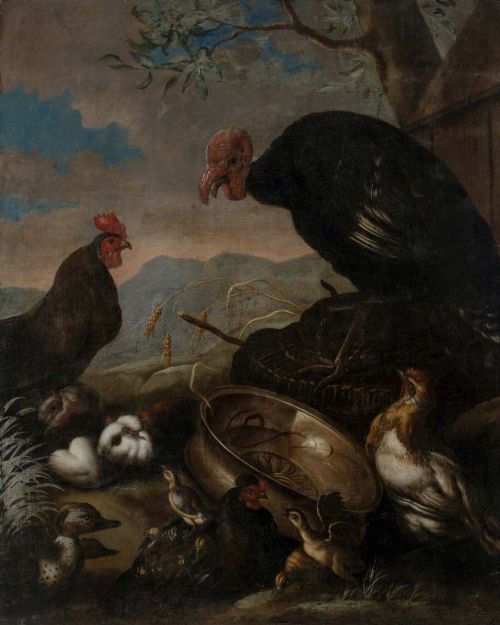
Compositions range from large-scale floral arrangements and animal subjects in landscapes to trompe l'oeil panels and intimate tabletop studies. Each piece reflects the enduring appeal of old master styles and northern European painting techniques.
Assessing quality
Quality rests in the handling of light, shadow, and tactile realism, where skilled brushwork distinguishes a compelling composition from a rigid copy. The rendering of perishable textures, such as the skin of a melon or the delicate petals of a tulip, reveals the hand of a capable painter.
The integrity of the original support and the depth of the pigment layers dictate the overall preservation of the piece. Additionally, the quality and period appropriateness of the giltwood frame contribute to the physical coherence and visual impact of the artwork.
Baroque Still Life Retail Price Guide 2026
Typical asking prices for baroque still life among the pieces listed under this phrase on Sellingantiques today, from the lower quarter to the upper quarter. They describe what is for sale here now, not the wider market.
Among the food, flowers, and fowl, a Spanish school larder scene even manages to squeeze in a game of playing cards and dice.
Angelo Maria Crivelli·Gaspar Peeter Verbruggen·Frans Snyders·Simon Pietersz Verelst·Bartolome' Murillo·Jan Steen
The Baroque Still Life Glossary
- Trompe l'oeil
- An optical illusion painting technique designed to trick the eye into perceiving painted objects as three-dimensional reality. This style appears frequently in decorative panels and tabletop compositions.
- Giltwood
- Wood carved and coated with gold leaf or a gold-coloured finish. Frames made from this material are common accompaniments to period oil paintings.
- Dutch Golden Age
- A period in Dutch history spanning the seventeenth century noted for exceptional achievements in painting. Many works on this page reference the distinct floral and larder aesthetics of this era.
- Oak panel
- A rigid wooden support used by artists instead of canvas. Northern European painters frequently utilised oak boards for stability and smooth surfaces.
Baroque Still Life: Frequently Asked Questions
What subjects appear in these paintings?
The works feature arrangements of flowers in vases, baskets of fruit, birds, fowl, and larder provisions such as bread, eggs, and walnuts. Kitchen interiors and trompe l'oeil floral compositions also recur.
These subjects reflect seventeenth-century artistic traditions focused on domestic abundance, natural philosophy, and the passage of time.
What is the difference between canvas and panel supports?
Canvas supports consist of woven fabric stretched across a wooden frame, offering flexibility and texture suitable for larger works. Wood panels provide a rigid, smooth foundation favoured by northern European painters.
Both methods require careful climate control to prevent cracking of the oil paint or warping of the wood.
How do I care for an oil painting on this page?
Display the artwork away from direct sunlight, high humidity, and rapid temperature fluctuations to protect the oil paint and canvas or wood support. Dust the surface gently with a soft, dry brush without applying pressure.
Avoid using liquid cleaners or touching the pigment directly to preserve the integrity of the paint layers.
Are all these pieces from the seventeenth century?
The selection includes seventeenth-century works alongside later interpretations, copies, and revivals created in the eighteenth, nineteenth, and twentieth centuries. Artists across multiple eras drew inspiration from Dutch and Flemish masters.
Examining the materials, frame style, and support helps determine whether a piece is a period original or a subsequent homage.