


Baroque Religious Wood Carving
A baroque religious wood carving brings ecclesiastical devotion and theatrical movement into a room through deep relief and dynamic form.
Baroque Religious Wood Carving
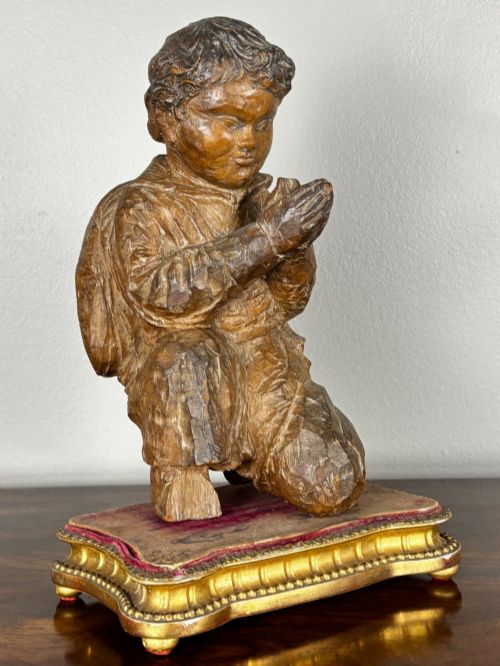
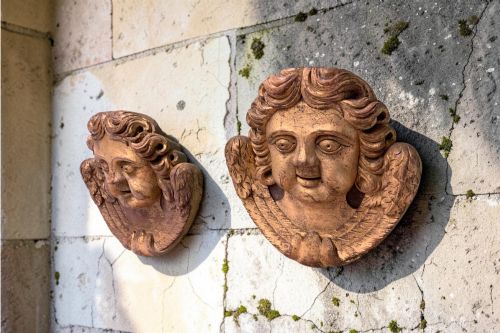
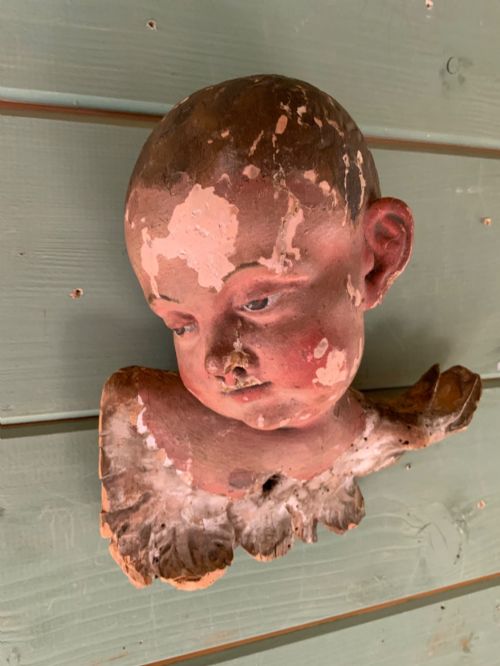
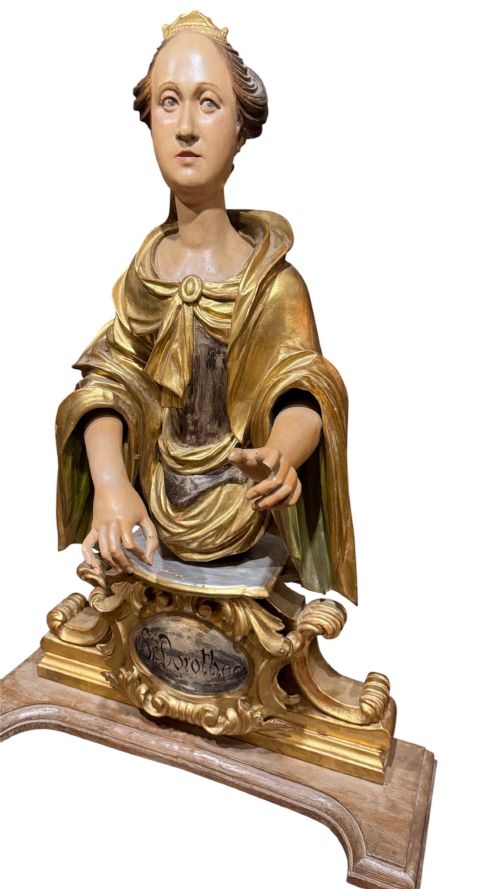
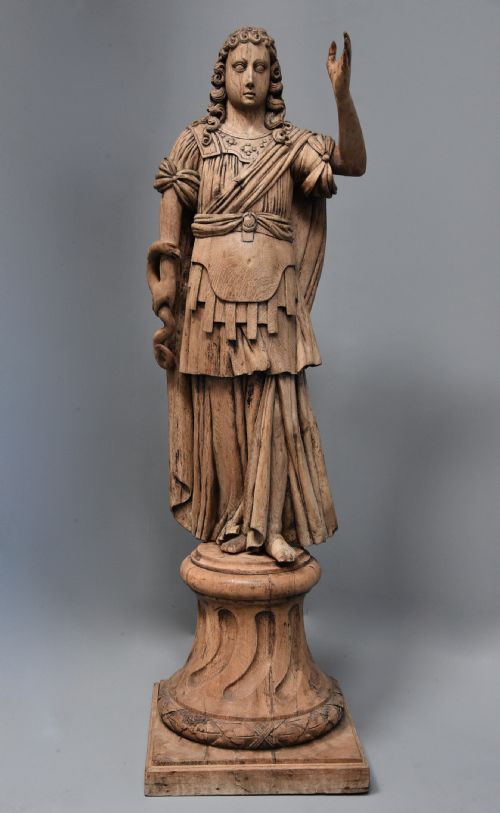
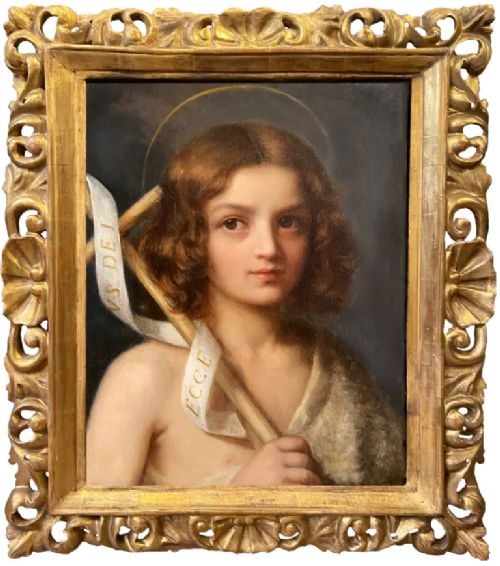
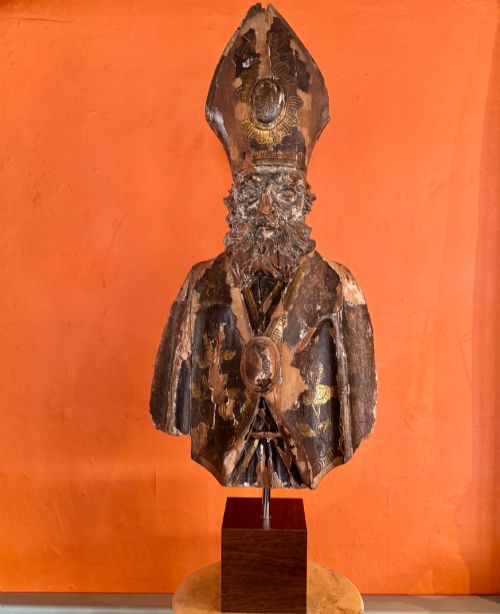
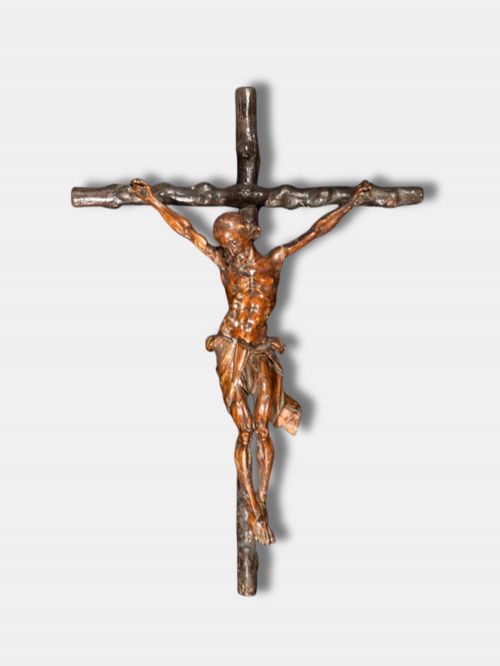
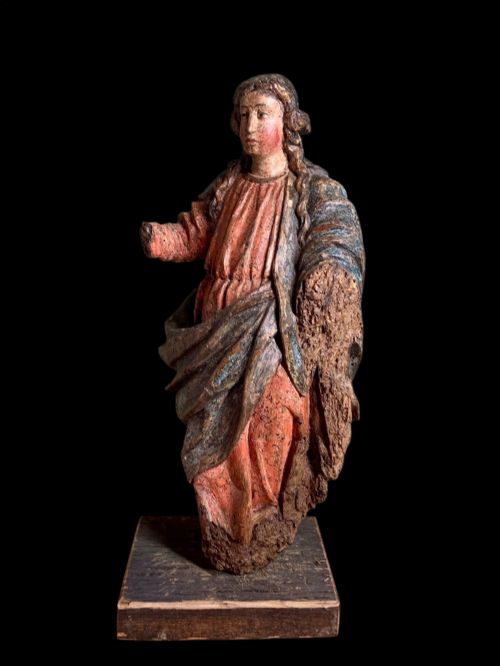
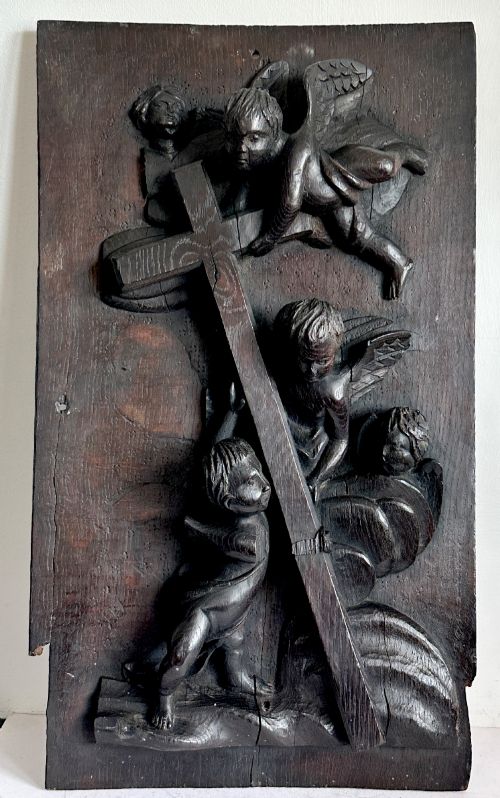
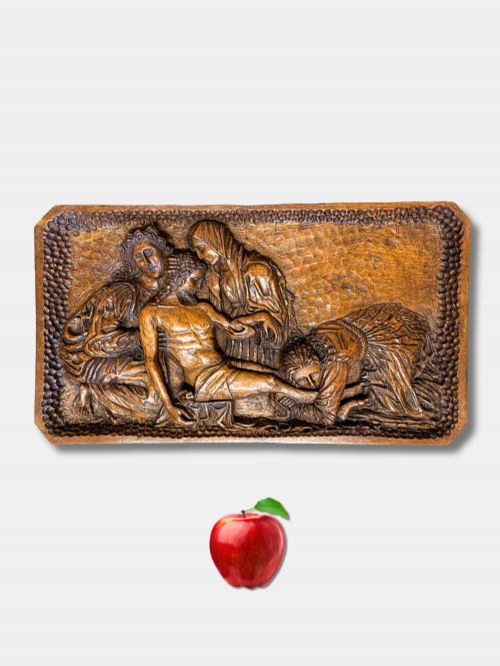
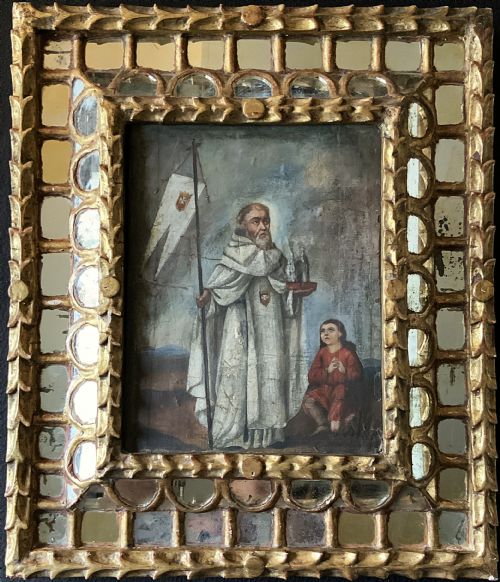
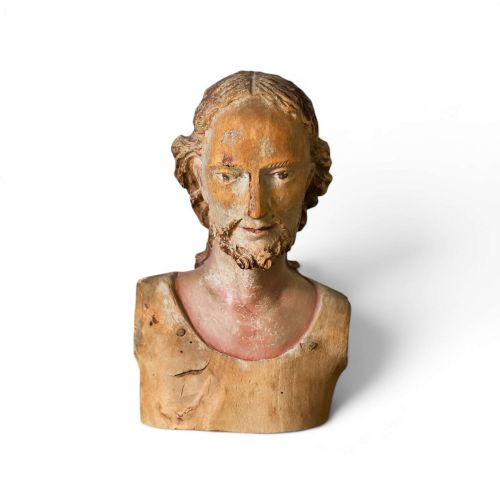
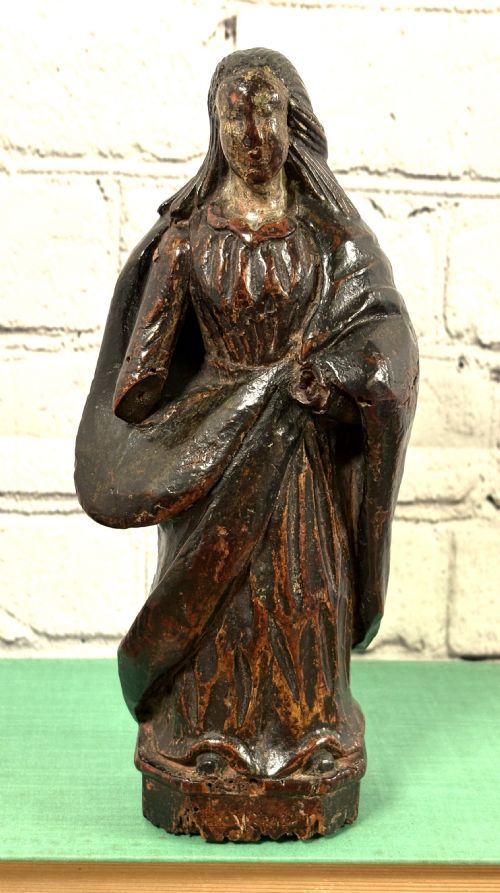
Buyers encounter distinct forms ranging from life-sized saints and altar candlesticks to wall panels, putti heads, and corpus Christi figures. The selection frequently includes polychrome saints and gilded architectural elements designed for liturgical spaces.
Materials and construction
Giltwood surfaces often combined burnished and matte gold leaf over a red bole base, while polychrome figures utilised layered pigments to render vestments and flesh tones with realistic depth.
Baroque Religious Wood Carving Retail Price Guide 2026
Typical asking prices for baroque religious wood carving among the pieces listed under this phrase on Sellingantiques today, from the lower quarter to the upper quarter. They describe what is for sale here now, not the wider market.
Listings feature timbers such as oak, limewood, walnut, chestnut, and olive wood shaped across the seventeenth and eighteenth centuries.
Distinctions in craftsmanship
The hierarchy of quality rests upon the anatomical fluency of the carving, where master carvers achieved convincing drapery folds and expressive hand gestures rather than stiff, formulaic rendering. Subtle detailing in hair texture and facial expression distinguishes workshop output.
The preservation of original surface treatments, such as untouched seventeenth-century polychromy or authentic gold leaf over gesso, elevates an object above pieces stripped to bare timber or heavily repainted in later eras.
The Baroque Religious Wood Carving Glossary
- Polychrome
- Decoration consisting of several colours applied to sculpture or woodwork. This technique brought devotional figures to vivid life in dim ecclesiastical interiors.
- Giltwood
- Timber surface covered with gold leaf or powder. Artisans applied this finish to liturgical furnishings to catch candlelight.
- Corpus Christi
- The body of Jesus depicted on a cross. These anatomical carvings reveal regional stylistic traits in musculature and posture.
- Putto
- A figure of a small chubby winged infant, frequently seen in religious art. Baroque carvers utilised these motifs to impart emotional drama and celestial movement.
- Cartagloria
- An altar card frame placed upon Catholic altars. These carved and gilded frames housed printed liturgical prayers.
Baroque Religious Wood Carving: Frequently Asked Questions
How were these carvings used originally?
These pieces served liturgical functions within churches, private chapels, and monastic foundations across Europe. They adorned altars, framed sacred texts, and focused congregational devotion during services.
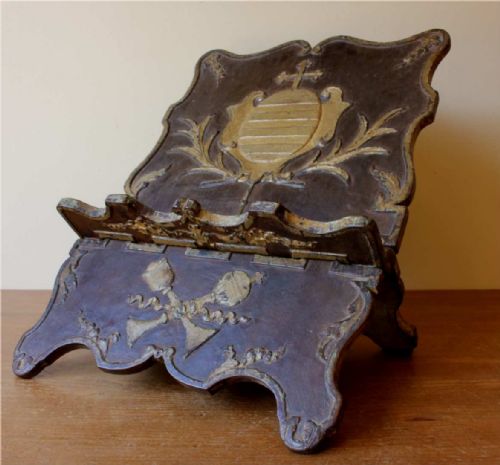
Figures of saints and angels stood in niches or decorated liturgical furniture, while missal stands held sacred texts for the officiating clergy.
How do I identify seventeenth-century work?
Seventeenth-century pieces typically display deep, dramatic undercutting and heavier timber construction, particularly in oak and walnut panels. The carving style prioritises high theatricality and robust physical presence.
Tool marks left by gouges and chisels beneath surviving gesso layers often corroborate the period of manufacture.
Should I clean polychrome wood carvings?
Historic painted surfaces require minimal intervention to preserve fragile pigments bound with old mediums. Dusting gently with a soft, dry brush is generally sufficient.
Moisture and modern cleaning agents will damage original paint layers and gold leaf, so professional conservation is advised for substantial cleaning.