





Baroque Religious Canvas
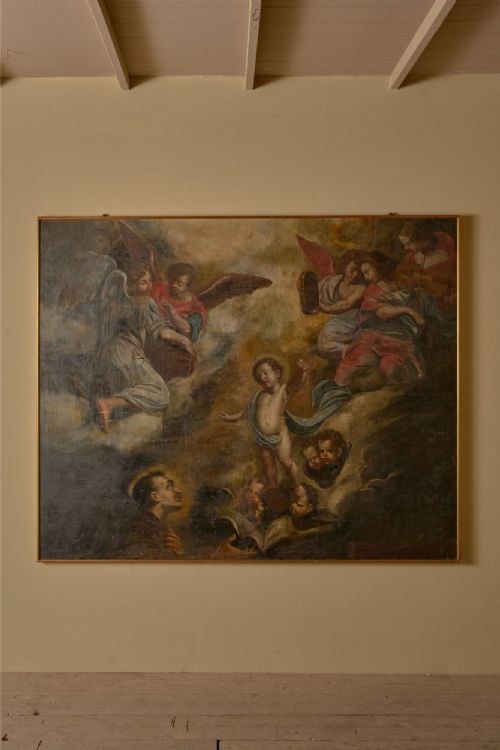
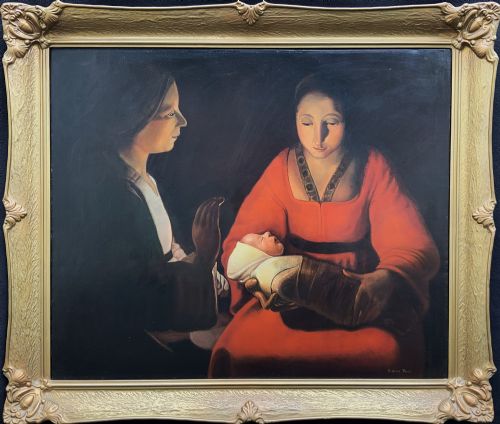
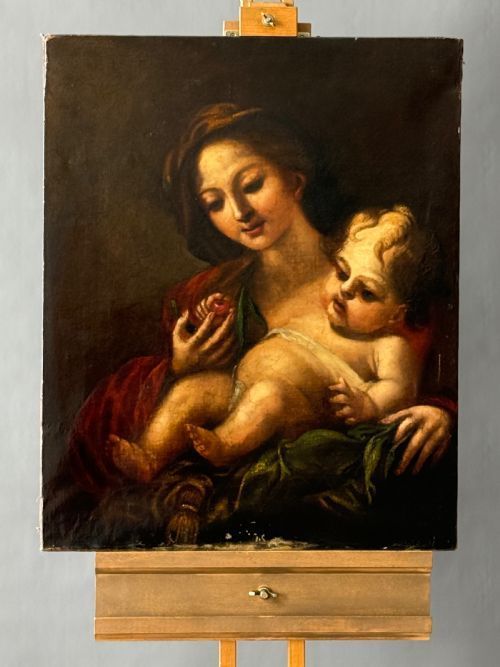
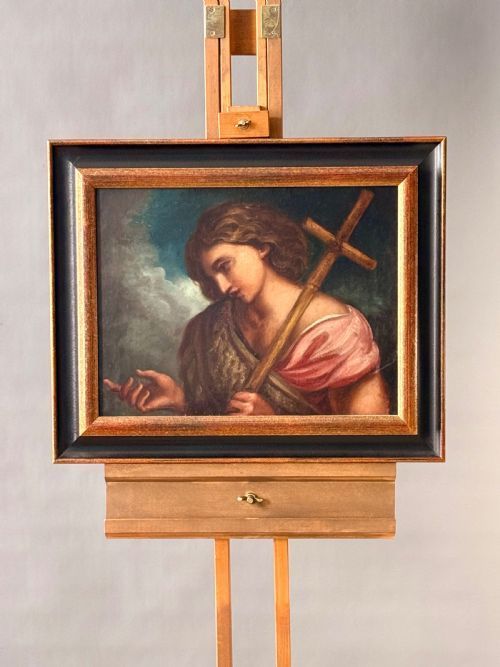
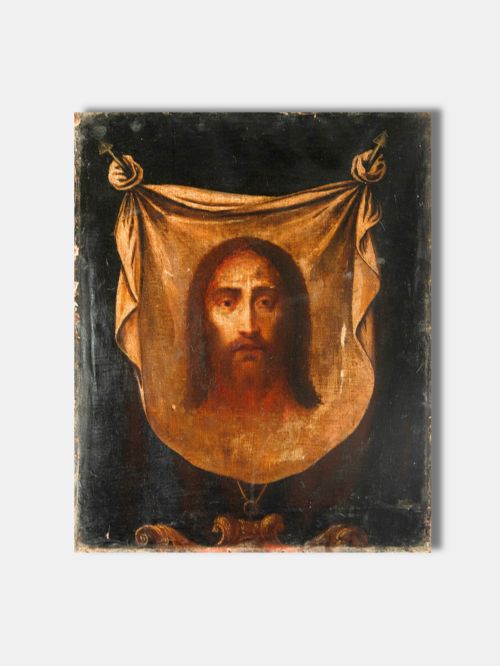
When you look for a baroque religious canvas, you enter a world of dramatic sacred portraiture and narrative devotional painting.
Baroque Religious Canvas
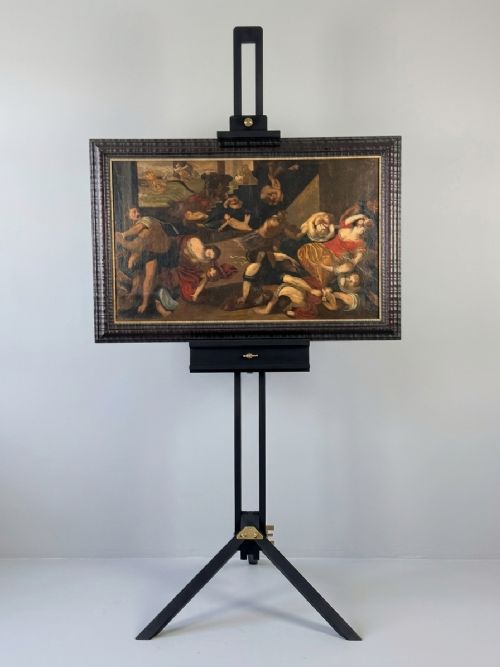
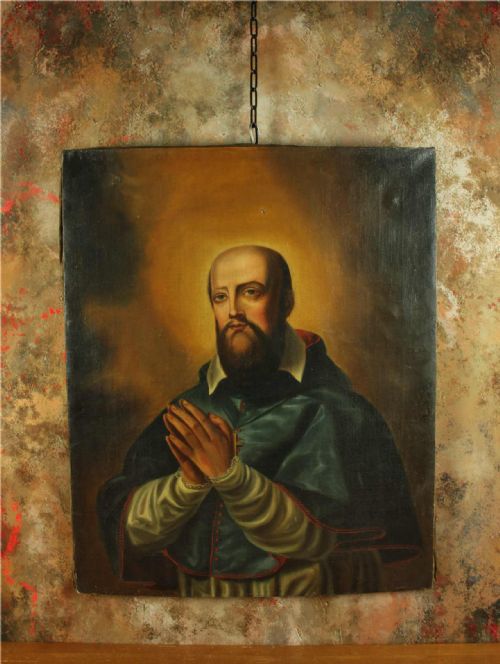
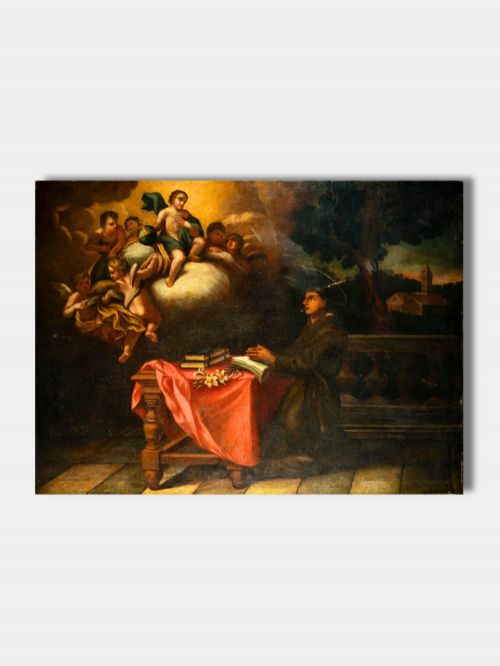
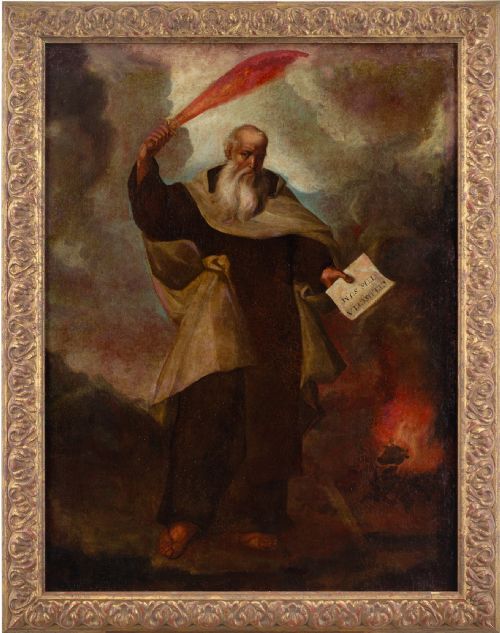
A baroque religious canvas captures sacred narratives and devotional figures through dramatic chiaroscuro and intense emotional expression. These works span centuries of European and colonial painting traditions, focusing on saints, biblical scenes, and the Virgin and Child.
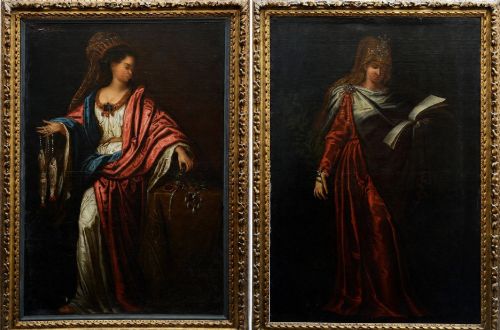
The pieces on this page are dominated by 17th-century and 18th-century Italian, French, and Spanish schools, alongside later revivals and interpretations. Collectors encounter everything from intimate portrayals of Mary Magdalene to monumental depictions of saints and holy families.
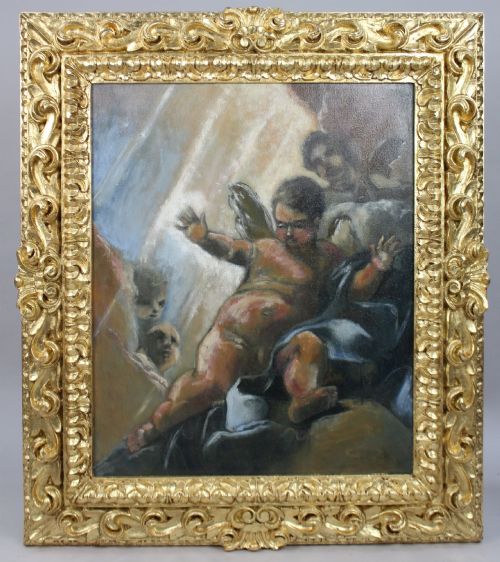
Many of these oil paintings arrive set in period surrounds, including carved and gilded wood frames that complement the theatrical depth of the imagery. Whether attributed to regional workshops or executed in the manner of notable masters, each canvas records historic theological themes.
How they were made
Painters applied oil paint to stretched canvas surfaces, building deep shadows and luminous highlights to create intense theatrical illumination. This technique allowed artists to manipulate light across figures and drapery, heightening the emotional drama of the sacred subject matter.
Many historical examples are housed in original or period frames fashioned from wood and giltwood, often intricately carved to enhance the devotional presence of the artwork. The combination of oil pigments on fabric and ornate wooden framing defines the physical structure of these works.
Baroque Religious Canvas Retail Price Guide 2026
Typical asking prices for baroque religious canvas among the pieces listed under this phrase on Sellingantiques today, from the lower quarter to the upper quarter. They describe what is for sale here now, not the wider market.
Listings feature canvases spanning the seventeenth century through to mid-nineteenth-century revivals, utilising oil paint on woven fabric.
What varies in quality
The integrity of the canvas and the preservation of the original pigment layers also dictate the standing of a piece. Finer examples retain their intended tonal contrasts and atmospheric depth without heavy intervention, while lesser works may show more conventional execution and later overpainting.
Francesco Solimena·Juan Ruiz Soriano·Gaspar de Figueroa·Pompeo Batoni·Reynard Le Vieux
The Baroque Religious Canvas Glossary
- Chiaroscuro
- The use of strong contrasts between light and dark, usually bold contrasts affecting a whole composition. This technique creates a dramatic atmosphere that focuses attention on the central sacred figures.
- Old Master
- A term applied to a skilled European painter of high status working before about eighteen hundred. These artists formed the traditions that later schools and revival painters emulated.
- Giltwood
- Wood that has been covered with a thin layer of gold leaf or powder. Frames made in this manner provide a reflective border that isolates and elevates the painted canvas.
- Emilian School
- An artistic tradition originating from the Emilia-Romagna region of Italy. Painters from this sphere were known for their expressive handling of religious narratives.
- Provenance
- The chronology of the ownership and custody of a historical painting. Clear documentation helps establish the origin and historical context of a canvas.
Baroque Religious Canvas: Frequently Asked Questions
What is a baroque religious canvas?
It is an oil painting on fabric depicting sacred subjects, created during the seventeenth or eighteenth century or within later revival periods. These works use dramatic light and shadow to convey intense spiritual narratives.
Subjects typically include biblical scenes, depictions of the Virgin Mary, and portraits of saints intended for contemplation and devotion.
How do I identify seventeenth-century paintings?
Seventeenth-century paintings often feature the theatrical lighting and dynamic compositions characteristic of the height of the baroque movement. Artists of this era focused on emotional intensity and psychological depth.
Examining the canvas preparation, stretcher construction, and painting technique helps determine the likely period of origin.
Where were these devotional paintings displayed?
Historically, such artworks hung in churches, private chapels, and domestic oratories to aid personal prayer and religious devotion. Large-scale canvases commanded central positions in religious institutions.
Smaller formats were usually intended for private homes and quiet reflection by individual owners.
How should I care for an oil on canvas?
Keep the painting away from direct sunlight and steady extremes of temperature and humidity to protect the canvas and oil pigments. Stable environmental conditions prevent the fabric from sagging and the paint from cracking.
Dust the surface gently with a soft, dry brush and avoid using liquid cleaners on the paint layer.