



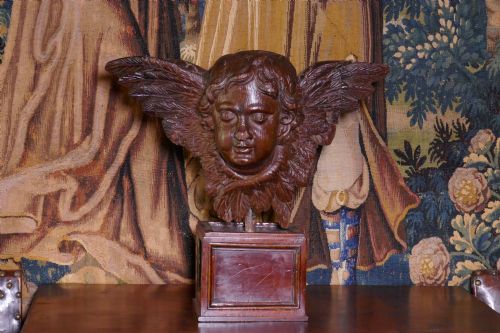


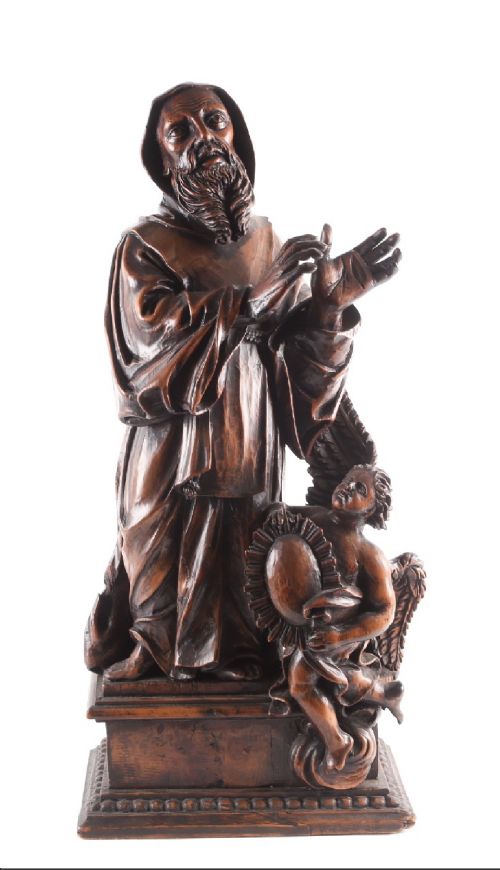
Baroque Putto Figure
A baroque putto figure brings sculptural drama to a room, offering the carved vitality of seventeenth and eighteenth century workshops.
Baroque Putto Figure
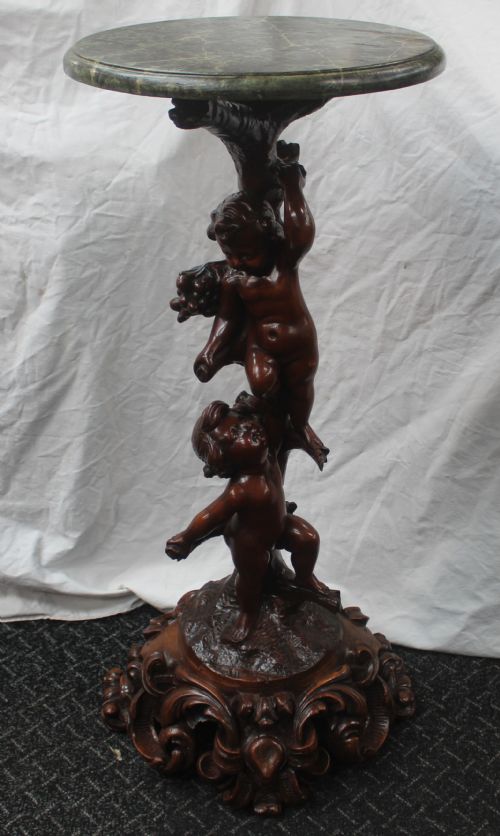
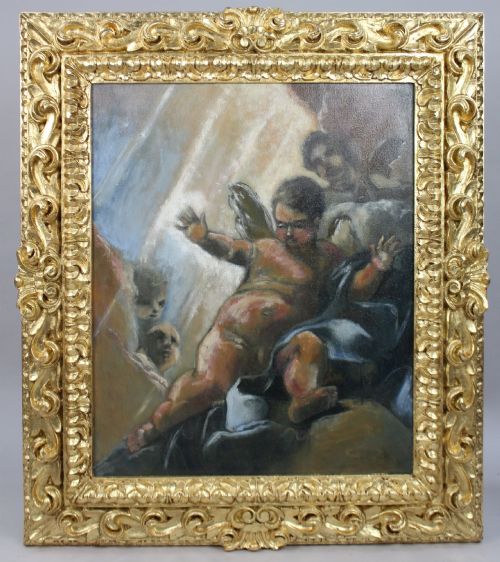
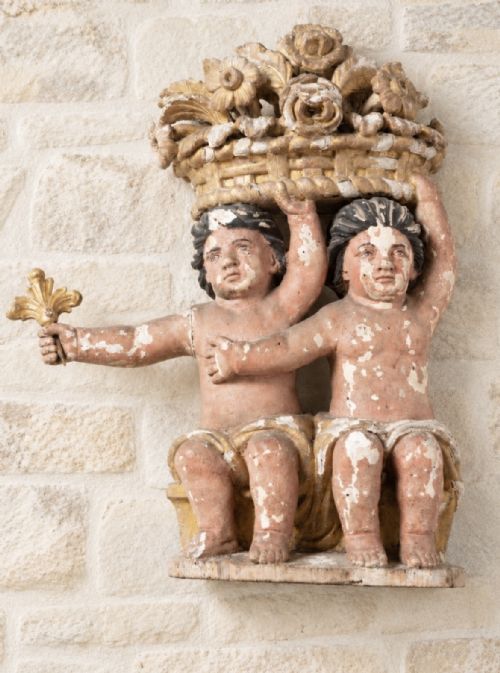
A baroque putto figure takes the form of a winged child or cherub, rendered in carved wood, gesso, and oil paint across various historical periods. Buyers searching this phrase encounter examples ranging from seventeenth-century French limewood carvings to nineteenth-century Italian revival pieces and related oil paintings.
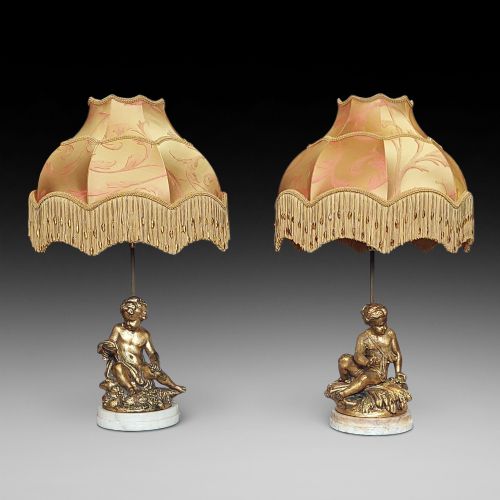
The selections span freestanding sculptures, pairs of altar angels, table lamps, and wall-mounted decorative carvings. Most pieces on this page emerge from nineteenth-century revivals alongside genuine eighteenth-century examples.
The physical forms include full figures standing on clouds, mounted terms, and isolated cherub heads framed in giltwood. Each object displays the characteristic theatrical movement and expressive postures associated with the style.
Materials and construction
Painted finishes frequently incorporate polychrome pigments, oil colours, and silvering to create rich surface textures on wood and canvas. Mounting involves alabaster bases or gilded frames that complement the sculptural work.
Baroque Putto Figure Retail Price Guide 2026
Typical asking prices for baroque putto figure among the pieces listed under this phrase on Sellingantiques today, from the lower quarter to the upper quarter. They describe what is for sale here now, not the wider market.
Listings feature items spanning from the seventeenth century through to nineteen-sixty, utilising carved wood, oil on canvas, and alabaster mounts.
Factors that distinguish quality
The depth and fluidity of the carving determine the visual strength of a figure, separating rigid mechanical cuts from expressive hand-modelled anatomy. Finer pieces retain crisp details in the hair, wings, and drapery without losing proportion.
Surface preservation dictates the character of the object, distinguishing original polychrome and gold leaf from later overpainting. The integration of period mounts, such as giltwood frames or alabaster bases, contributes to the overall cohesion of the piece.
The Baroque Putto Figure Glossary
- Putto
- A plump, often winged child figure derived from classical art and heavily utilised in baroque sculpture. These figures frequently appear in pairs flanking larger religious or decorative subjects.
- Giltwood
- Timber treated with gesso and covered in thin gold leaf to create a brilliant reflective surface. This finish protects the underlying wood while providing an opulent appearance.
- Polychrome
- Decorated in multiple colours, typically applied to wood or stone sculptures to render lifelike flesh tones and garments. This technique adds visual warmth and realism to carved figures.
- Term
- A pillar or pedestal that tapers toward the base, often topped with a bust or figure such as a cherub. These architectural supports combine structural utility with decorative sculpture.
- Limewood
- A fine-grained, pale timber favoured by European carvers for its softness and lack of pronounced grain, allowing for intricate detail work.
Baroque Putto Figure: Frequently Asked Questions
Where should I place a putto figure?
These figures suit mantels, side tables, or bracket shelves where their three-dimensional form can catch ambient light.
Pairs often work well framing a mirror or artwork to create a balanced, classical arrangement.
How do I clean carved wood figures?
Dust the surfaces gently with a soft, dry brush to prevent accumulation in the carved recesses and delicate wing crevices.
Avoid using water, liquid cleaners, or polishes that might damage fragile gold leaf or historical polychrome paint.
What is the difference between a putto and an angel?
A putto represents a non-religious classical motif of a winged child, whereas angels carry specific Christian theological meaning.
Many period pieces blur this distinction, particularly altar figures made for devotional spaces.
How can I tell a nineteenth-century revival piece from an eighteenth-century original?
Eighteenth-century carvings typically exhibit tool marks consistent with period hand methods and deeper patination on exposed timber.
Revival pieces from the nineteenth century often display standardised proportions and machine-assisted preparation beneath the gesso layer.