
Baroque Portrait
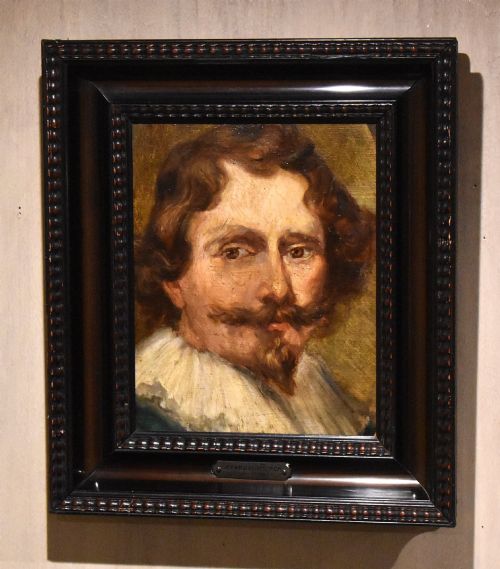
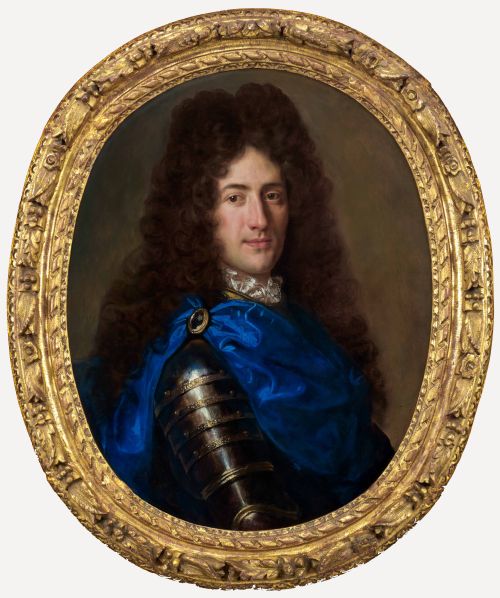
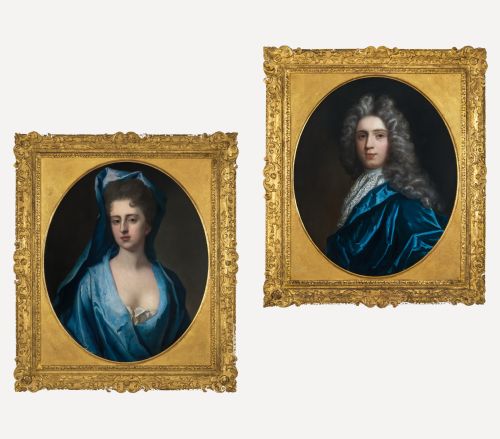
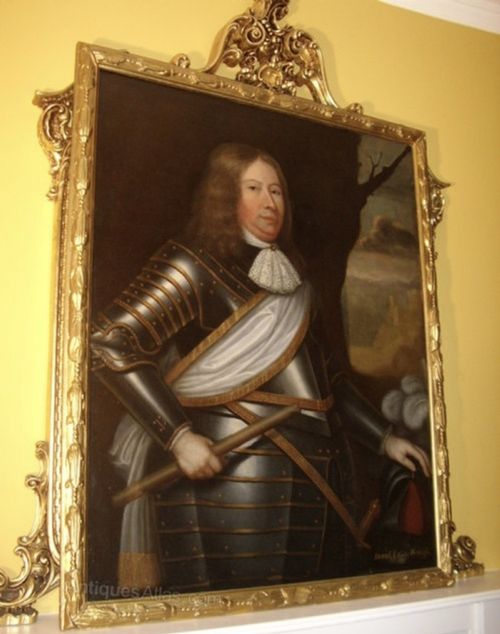
When you search for a baroque portrait, you encounter centuries-old depictions of nobility and notable figures rendered in oils, wood, and giltwood frames.
Baroque Portrait
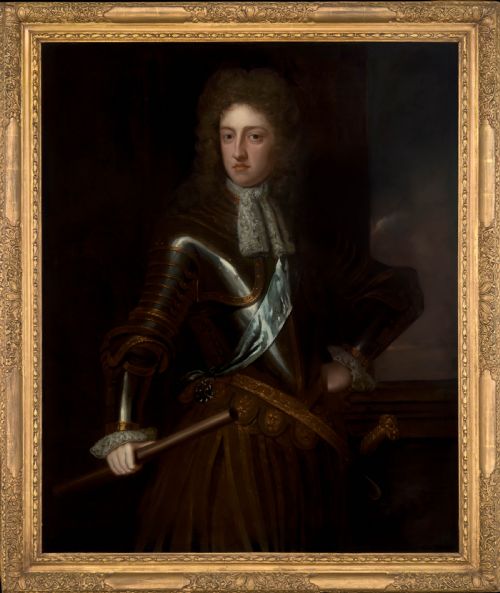
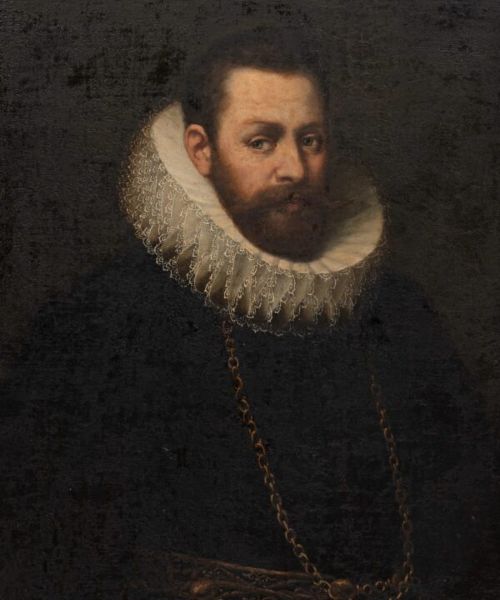
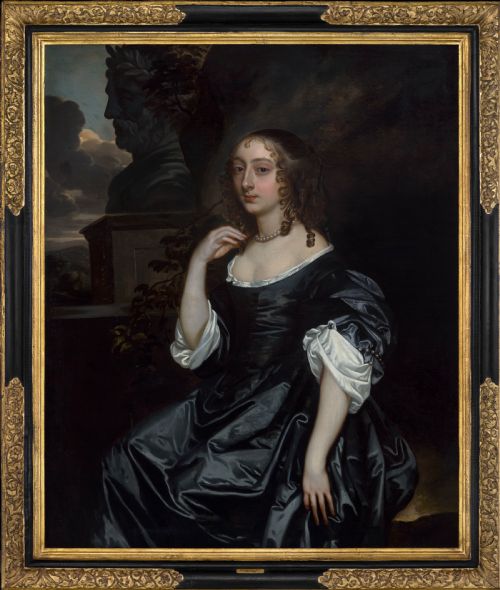
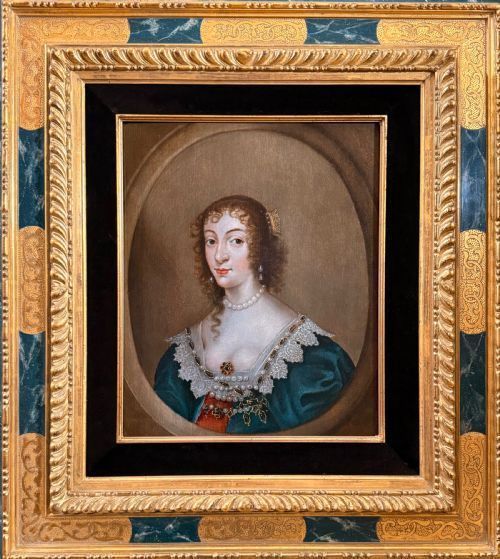
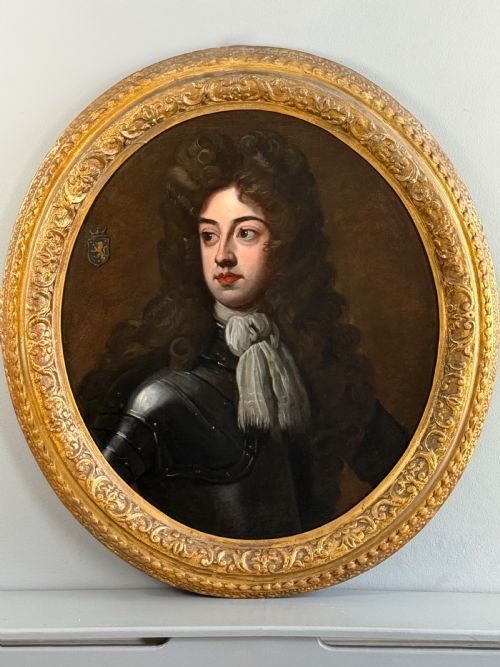
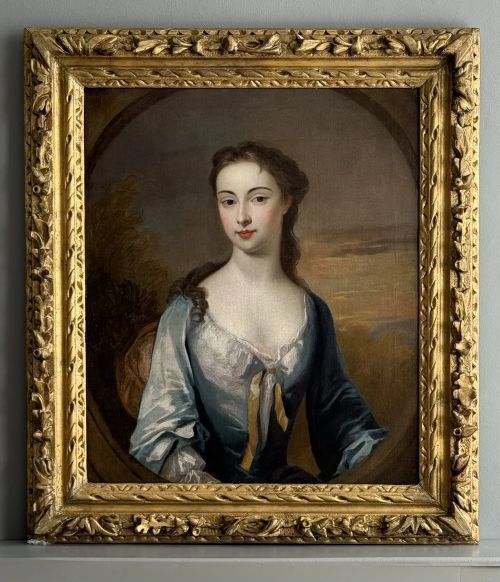
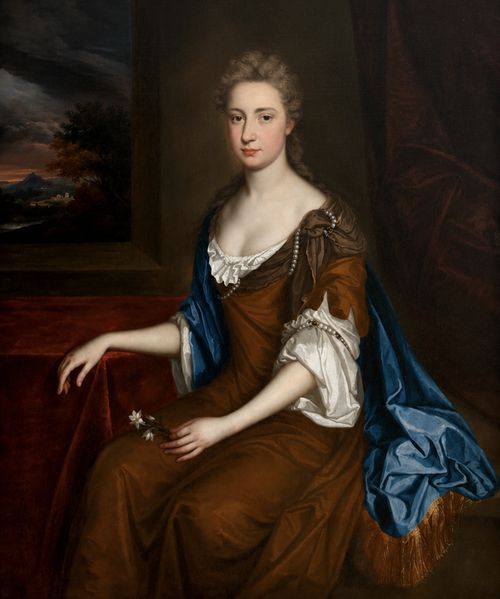
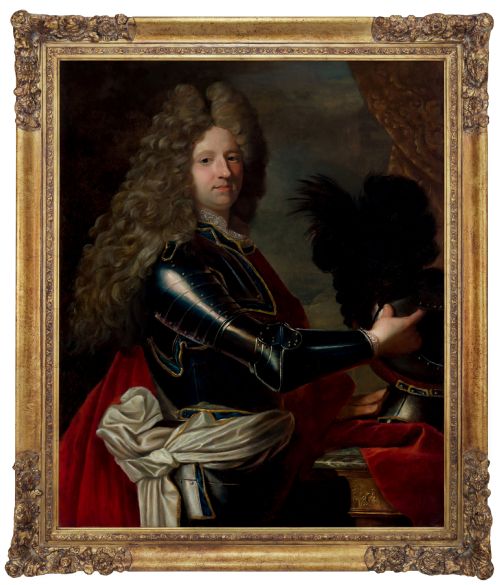
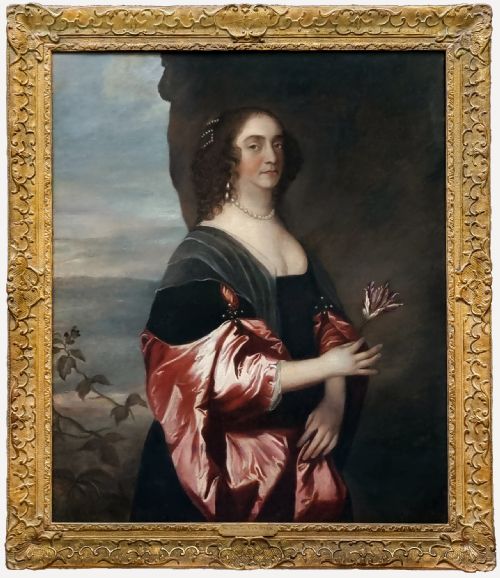
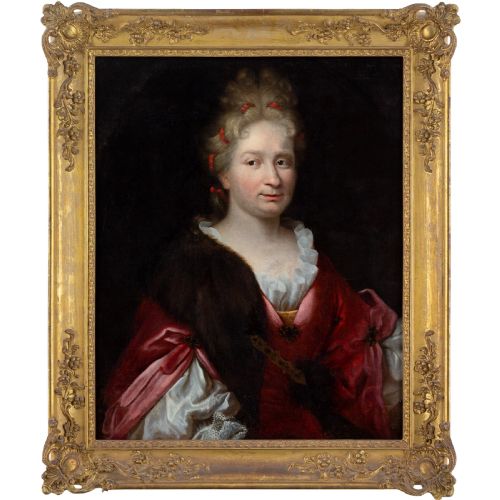
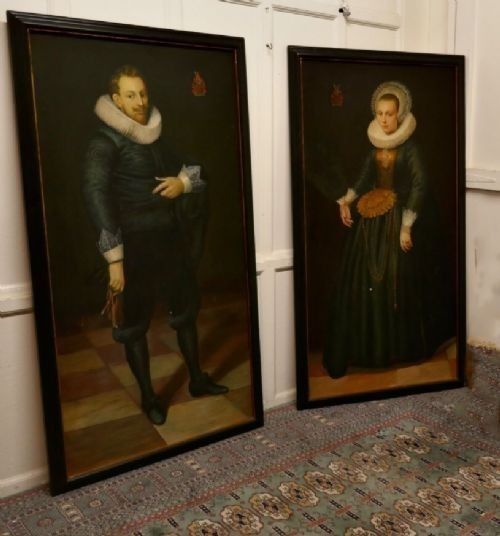
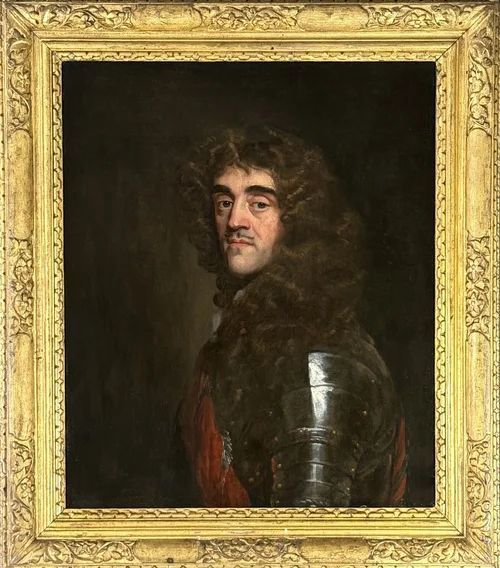
A baroque portrait captures the grandeur of seventeenth and eighteenth-century subjects, including noblemen, countesses, and military officers depicted in elaborate garments such as armour, ruff collars, and velvet cloaks.
The selection on this page centres primarily on seventeenth-century and eighteenth-century works, alongside later interpretations and print formats from subsequent eras.
Pieces range from original oils created by studio assistants and circle members of prominent portraitists to later mezzotint engravings and academic studies.
Materials and technique
Artists applied oil paint onto woven canvas or wooden panels, building rich layers of colour to render textures like silk, satin, and lace.
Framing often involved carved giltwood and gold leaf, which complemented the dramatic chiaroscuro and deep shadow work characteristic of the period.
Printmakers utilised copper plates to produce detailed mezzotint portraits on paper, translating painted compositions into ink multiples.
The listings span from seventeenth-century oil paintings on canvas and panel to eighteenth-century mezzotints on paper.
Evaluating standard and execution
The condition of the original paint layer, the presence of stable craquelure, and the survival of period frames contribute significantly to the standing of an individual artwork.
Sir Peter Lely·Sir Godfrey Kneller·Thomas Murray·John Smith·David Scougall
The Baroque Portrait Glossary
- Chiaroscuro
- A technique employing strong contrasts between light and dark to give subjects a three-dimensional volume. This method defines the dramatic atmosphere typical of seventeenth-century paintings.
- Mezzotint
- A printmaking process where the copper plate is roughened to achieve tones of grey and black before highlights are scraped away. It allowed tonal portraits to be reproduced accurately in ink.
- Giltwood
- Wood that has been coated with a thin layer of gold leaf or gold paint. Frames treated this way often exhibit intricate carved ornamentation matching the period of the artwork.
- Periwig
- A voluminous horsehair or human hair wig fashionable among European nobility and gentlemen. These elaborate hairpieces frequently appear in elite portraiture.
- Circle of
- A designation indicating the work was produced by an unnamed artist closely associated with a master and working in a shared style. It reflects the techniques of the primary studio.
Baroque Portrait: Frequently Asked Questions
What is a baroque portrait?
A baroque portrait is a painting or print from the seventeenth or eighteenth century depicting individuals with theatrical lighting, rich fabrics, and dramatic poses.
These artworks emphasise status, personality, and psychological depth through strong contrasts and detailed period attire.
How were these paintings displayed?
Original owners hung these portraits in the reception rooms, galleries, and staircases of grand houses to project family lineage and social standing.
They were customarily set within heavy, carved wooden frames finished in gold leaf to complement interior wood panelling.
Are these portraits original or copies?
The inventory contains a mixture of original period works by studio assistants, pieces by followers of major masters, and later eighteenth-century mezzotint engravings.
Catalogues attribute each piece based on style, technique, and historical documentation associated with the workshop traditions of the era.
How do I care for an antique oil portrait?
Keep oil paintings away from direct sunlight, extreme temperature fluctuations, and high humidity to prevent the canvas from slackening and the paint from cracking.
Dust surfaces gently with a soft, dry brush and avoid using chemical cleaners or water on the paint or giltwood frame.