




Baroque Period Oil Painting
When you search for a baroque period oil painting, you encounter centuries-old portraiture and still-life compositions defined by dramatic light and rich textile detail.
Baroque Period Oil Painting
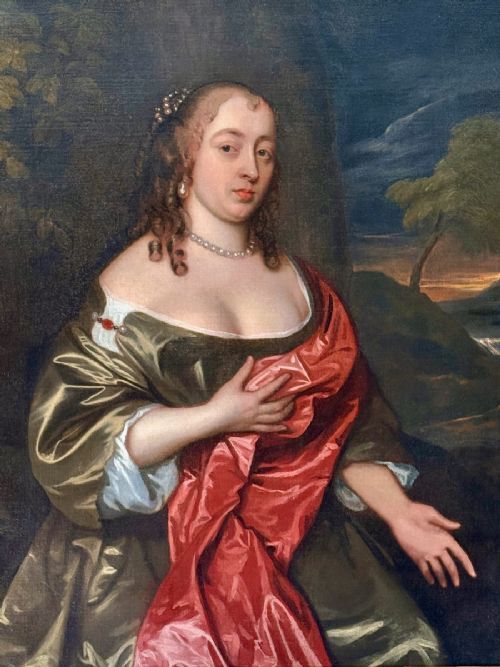
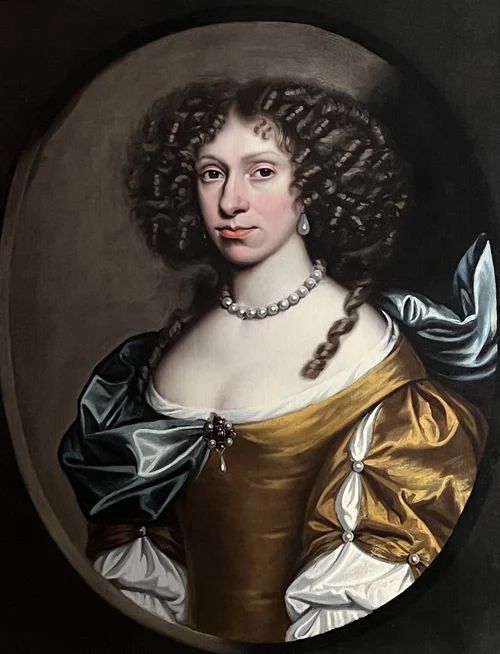
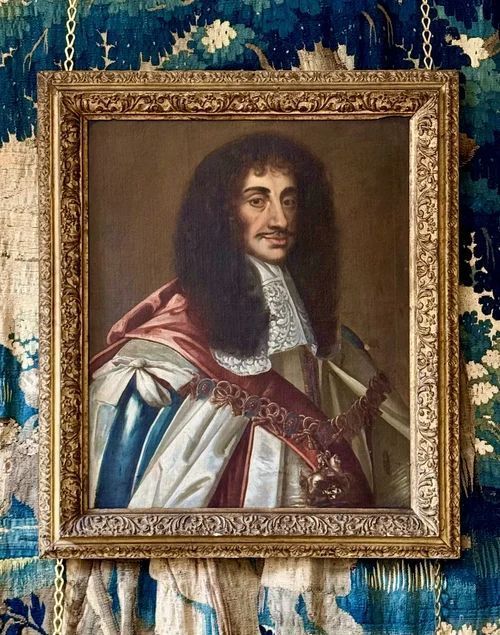
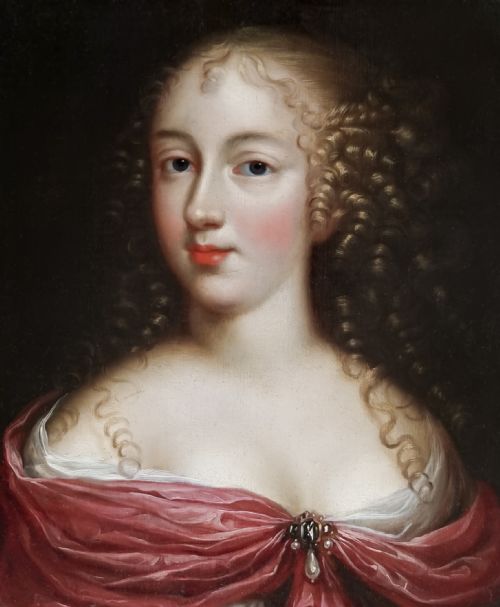
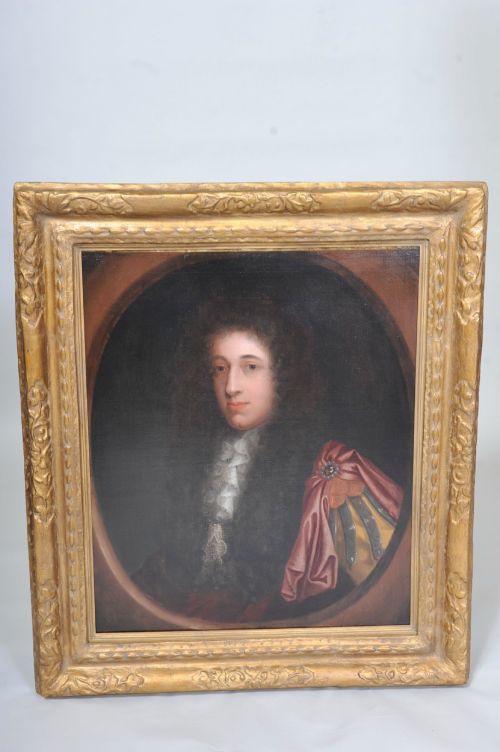
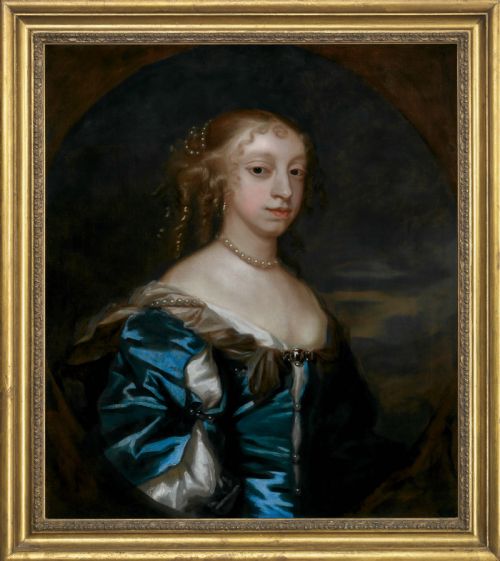
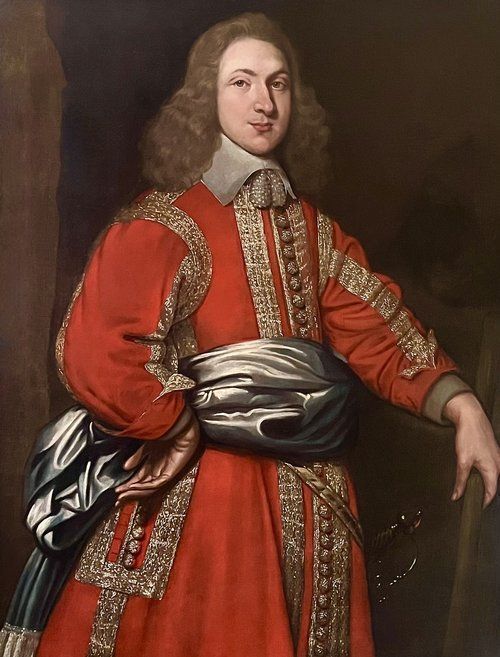
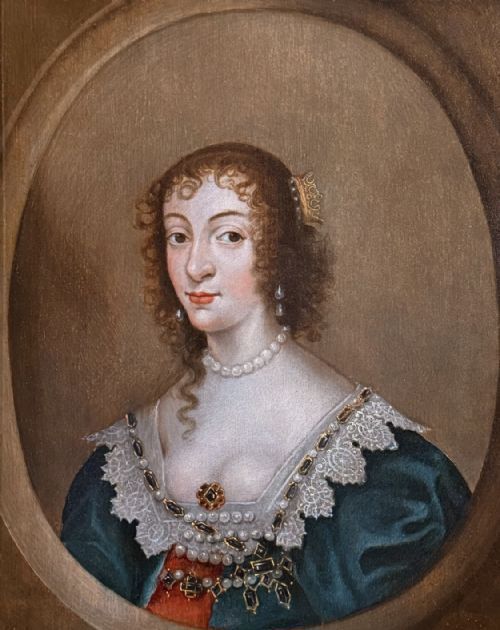
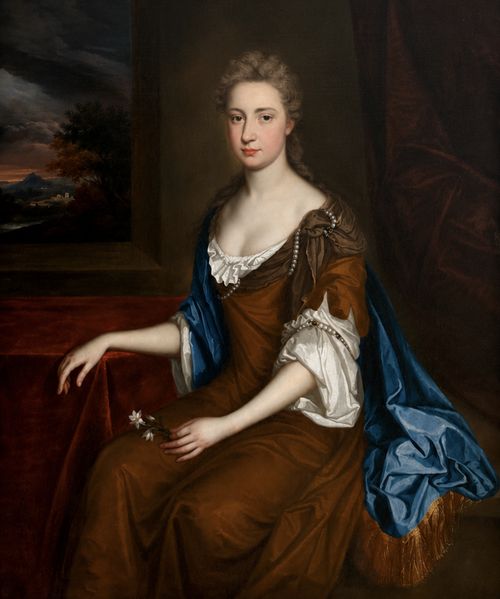
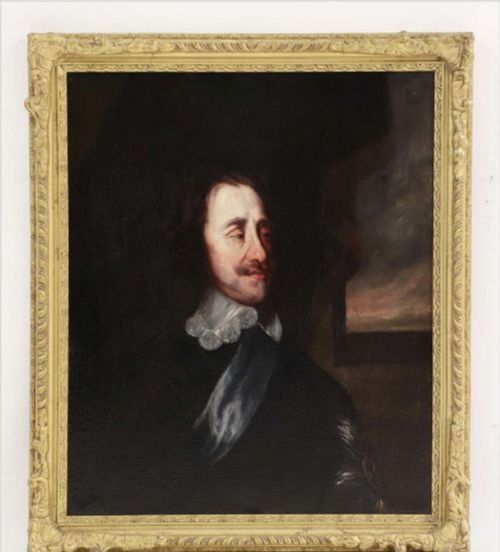
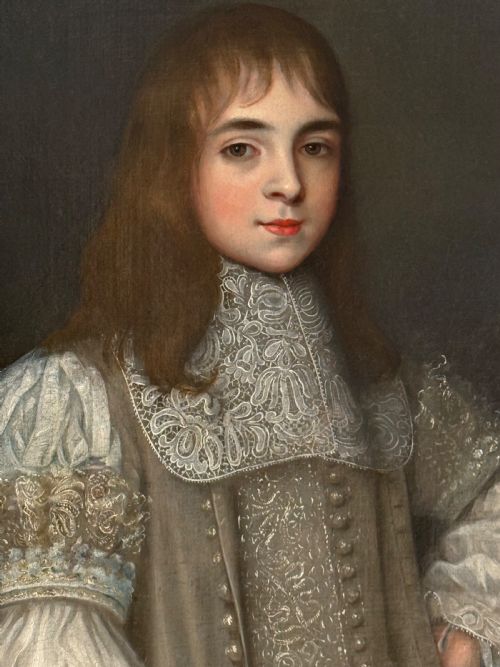
A baroque period oil painting typically takes the form of a portrait depicting nobility, military officers, or gentlefolk dressed in elaborate costume, lace, and satin. These works originate primarily from the seventeenth and early eighteenth centuries, reflecting British, English, and Anglo-Dutch artistic traditions of the era.
The most common subjects encountered here are half-length and bust-length portrayals of named individuals or unidentified sitters associated with specific historical circles. Alongside formal portraiture, the selection occasionally incorporates still-life compositions featuring floral and fruit arrangements rendered in the same dramatic style.
How They Were Made
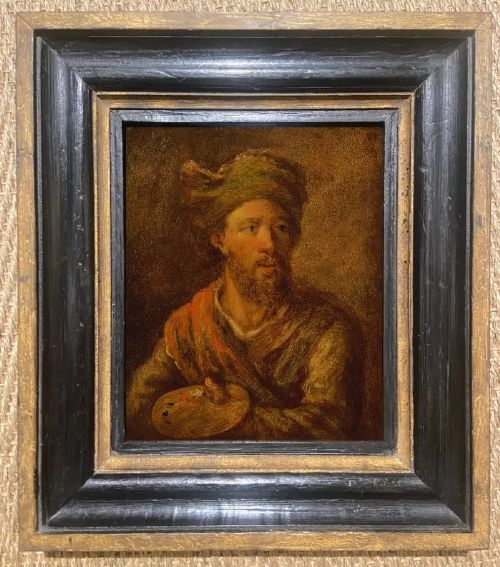
These works are painted in oil pigments applied to stretched canvas or wooden panels, utilising the foundational material techniques of the period. Artists built up rich dark backgrounds and luminous skin tones by layering translucent glazes over opaque underpaintings.
Many of the surviving frames are constructed from wood and embellished with giltwood or gold leaf, providing the ornate decorative housing characteristic of the style.
Several noble sitters share the canvas with vigilant King Charles Spaniel puppies, ensuring aristocratic dignity is kept thoroughly in check by small dogs.
What Varies in Quality
The survival condition of the painted surface and the original integrity of the wooden support structure also influence the standing of an individual canvas or panel within the broader range.
JOHN HAYLS·DAVID SCOUGALL·SIR PETER LELY·PIERRE MIGNARD·MARY BEALE·SIR GODFREY KNELLER·VAN DYCK·JOHN GREENHILL·JOHN MICHAEL WRIGHT·TRAJAN HUGHES·CORNELIUS JOHNSON·NICOLAES MAES·PIERRE GOBERT·JACOB HUYSMANS·JOHANN KERSEBOOM·HENRY STONE·JOHN RILEY·JOHN CLOSTERMAN
The Baroque Period Oil Painting Glossary
- Baroque
- A style of European art from the seventeenth and early eighteenth centuries characterised by drama, tension, and rich detail. It developed in Italy before influencing British portraiture.
- Oil on Canvas
- A painting medium where pigments are suspended in drying oils and applied to a woven fabric support. This combination allowed artists to achieve deep, luminous colour and subtle tonal gradations.
- Giltwood
- Wood that has been coated with a thin layer of gold leaf or powder. It frequently frames these paintings to complement the opulence of the subject matter.
- Circle of
- A designation used when a painting shows the distinct hand of an artist working closely within the studio or immediate influence of a major master. It denotes proximity in style and date.
- Panel Painting
- A work executed on a flat piece of wood rather than canvas. This was a common support method for earlier works before canvas became the dominant medium.
Baroque Period Oil Painting: Frequently Asked Questions
What is a baroque period oil painting?
A baroque period oil painting is a work of fine art created during the seventeenth or early eighteenth centuries, featuring dramatic lighting and rich subject matter. Most examples on this page are portraits of historical figures, nobility, and gentry.
These paintings capture the distinct fashions, armour, and textiles of the Stuart and post-Restoration eras, rendered by British and continental European schools.
What does circle of mean in a title?
The term circle of indicates that an anonymous artist worked in close proximity to a named master, absorbing their specific techniques and composition style.
Such works originate from the same workshops or cultural milieus as the principal artists without necessarily being attributed to their individual hand.
How should I care for an old oil painting?
Old oil paintings require stable indoor environments away from direct sunlight, excessive heat sources, and rapid humidity fluctuations which can warp wood panels or crack canvas.
Dust should be removed gently from the surface and frame by a professional restorer, avoiding household cleaning products or moisture entirely.