
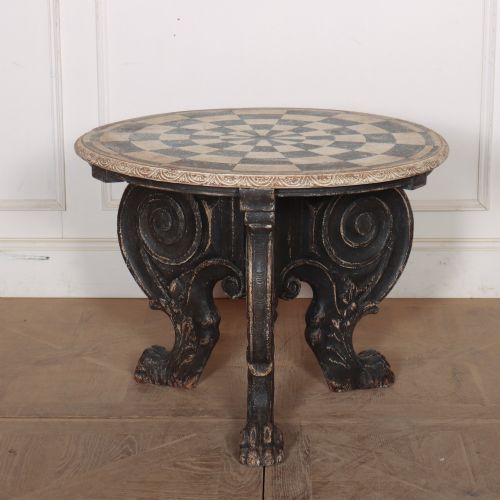
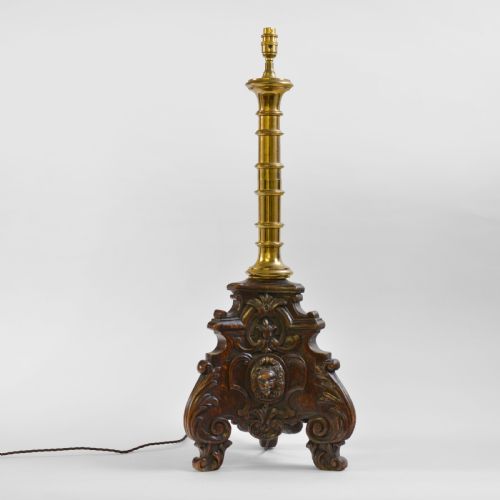


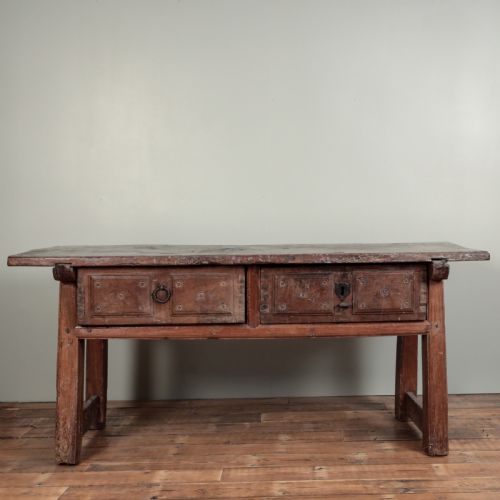


Baroque Oak Side Table
A baroque oak side table brings heavy timber, deep carving and continental presence into a room.
Baroque Oak Side Table
A baroque oak side table grounds a room with solid construction, visible grain and architectural proportions. These pieces range from seventeenth-century continental originals to nineteenth-century revival interpretations.
The selections here span side tables, console tables, writing desks and lamp tables. Spanish, Flemish and Dutch influences dominate the forms, often featuring turned supports and carved friezes.
Materials and construction methods
Makers built these tables from solid oak, shaping heavy tops and framing them with mortise and tenon joints. Carvers worked directly into the dense timber to create scrollwork, mouldings and panel details.
Wrought iron and brass elements appear on structural braces, stretchers and hardware. Turnery on the legs relies on lathe work to produce robust baluster and spiral shapes.
Expect seventeenth-century tables to carry the deep gouge marks of forgotten continental carvers who worked by flickering candlelight.
Distinctions in quality
Depth and crispness of the hand carving separate standard production from superior work. Crisp undercut details demonstrate skilled execution by the maker.
Integration of period timbers and honest structural patination dictate the desirability of an example. Surface finishes that respect the age of the wood carry more visual authority than heavy modern sealants.
The Baroque Oak Side Table Glossary
- Baroque
- A style of European architecture, music, and art of the 17th and 18th centuries that followed Mannerism and is characterised by ornate detail. In furniture, it translates to dynamic carved movement and robust proportions.
- Console table
- A table fixed to a wall or standing against it, often supported by ornamental brackets or legs. These tables frequently serve a decorative function in hallways and reception rooms.
- Parquetry
- Geometric mosaic woodwork used for surfaces, resembling inlaid tiles. This technique creates patterned tops using contrasting wood pieces.
- Frieze
- The wide central section part of an entablature, often decorated with bas-reliefs. On these tables, the frieze typically houses drawers or carved decorative panels.
Baroque Oak Side Table: Frequently Asked Questions
Where should I place a baroque oak side table?
These tables suit hallways, living rooms and studies where their heavy timber and dark patination anchor the space. They provide a sturdy surface for lamps, books and decorative objects.
Keep them away from direct heat sources and strong sunlight to protect the aged timber and prevent the wood from drying out.
How do I clean an antique oak table?
Dust the surface regularly with a soft, dry cloth to prevent dirt accumulation in the carved recesses. Avoid modern silicone sprays and harsh chemical polishes.
Apply a traditional beeswax occasionally to nourish the oak and maintain a soft, protective sheen across the grain.
How can I tell a seventeenth-century table from a nineteenth-century revival piece?
Examine the construction marks, timber shrinkage and joint methods visible beneath and inside the table. Seventeenth-century examples show hand-cut joinery and period tool marks appropriate to the era.
Revival pieces from the nineteenth century often display machine assistance, standardised fixings or timber preparation methods distinct from earlier workshops.
What is the difference between a side table and a console table?
Side tables are freestanding pieces designed to sit against a wall or beside seating furniture. They offer accessible surfaces from multiple angles.
Console tables traditionally relied on wall support or specific bracket feet, designed primarily for display rather than functional movement around a room.