



Baroque Needlework Panel
A baroque needlework panel brings centuries-old textile art into a modern room, offering intricate silk and metallic thread work framed for display.
Baroque Needlework Panel
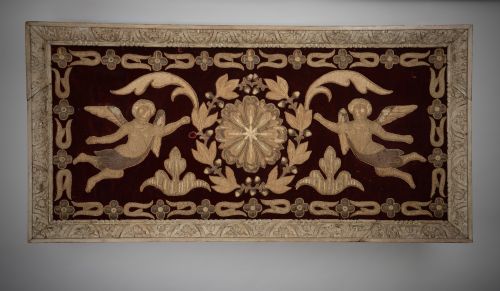
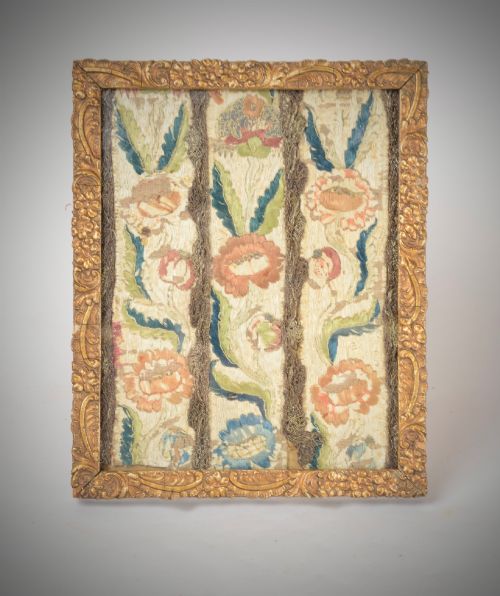
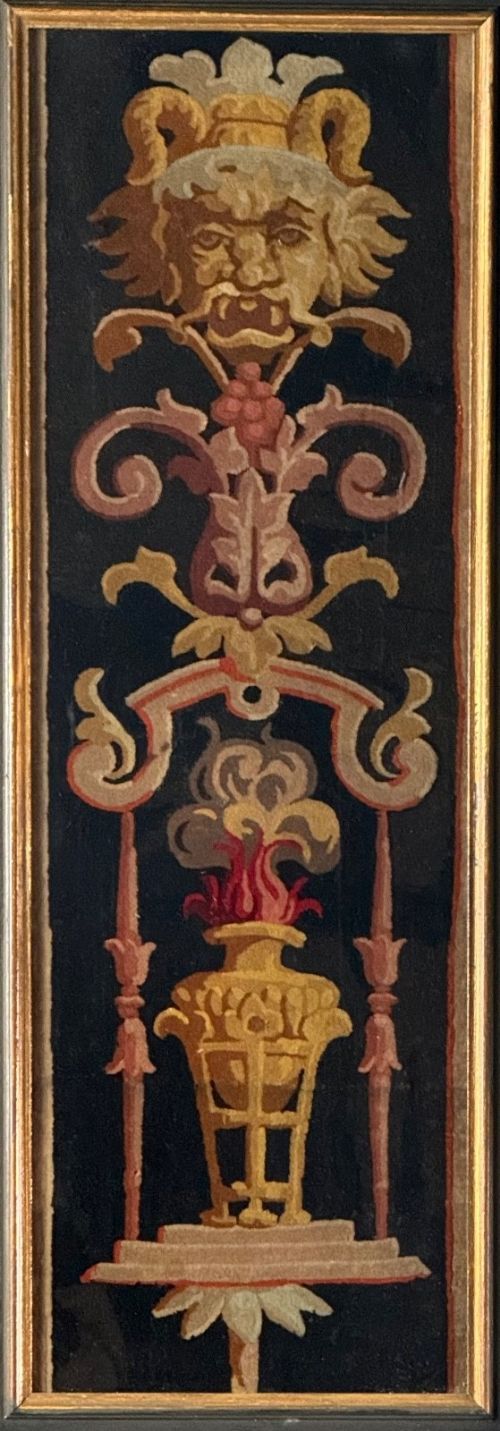
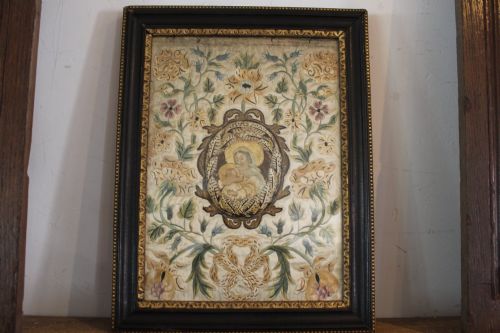
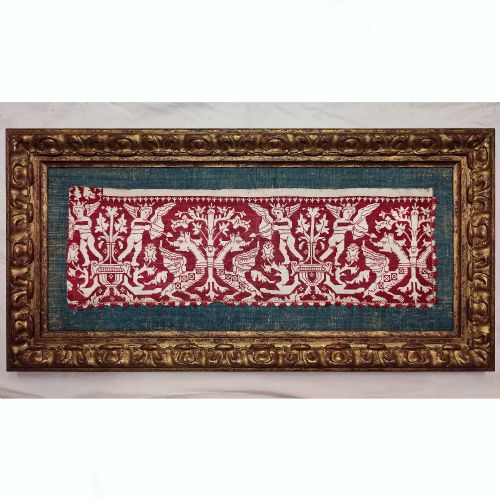
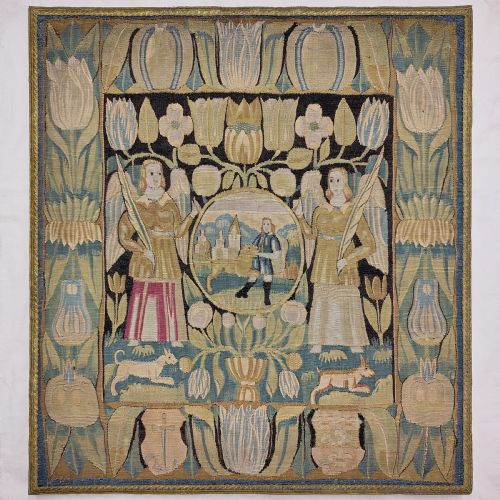
When you search for a baroque needlework panel, you find historic textile art originating mainly from the seventeenth and eighteenth centuries, alongside later nineteenth-century revivals. These pieces encompass framed wall art, embroidered borders, and repurposed tapestry cushion covers that display classical motifs, grotesques, and masks.
Makers utilised canvas and linen grounds to build rich pictorial surfaces using wool, silk, and metallic threads. Pieces range from large wall panels to smaller borders and cushion covers, reflecting the diverse domestic and decorative applications of needlework in historic interiors.
Materials and construction methods
Artisans built these panels upon sturdy canvas and linen foundations, providing a stable base for heavy stitchwork. They employed wool and silk threads alongside metallic threads to introduce varied textures and shimmering details into the design.
Craftspeople shaped these textiles into wall art, framed silkwork, and tapestry cushion covers, often housing them in wooden or gilded wood frames. Glass frequently protects the delicate surfaces of framed pieces from dust and handling.
Baroque Needlework Panel Retail Price Guide 2026
Typical asking prices for baroque needlework panel among the pieces listed under this phrase on Sellingantiques today, from the lower quarter to the upper quarter. They describe what is for sale here now, not the wider market.
Certain seventeenth-century panels conceal whimsical grotesques and hidden masks among their floral scrolls.
Factors that define quality
The intricacy and preservation of the silk, wool, and metallic thread embroidery dictate the visual impact of each panel. Finer stitching and well-preserved metallic elements separate superior decorative works from heavily worn or compromised fragments.
The integration of the textile with its frame, whether wood or gilded wood, influences the overall presentation. Original or period-appropriate framing enhances the historic character of seventeenth-century and eighteenth-century works.
The Baroque Needlework Panel Glossary
- Baroque
- A stylistic period spanning the seventeenth and eighteenth centuries, characterised by drama, rich detail, and grand ornamentation. It appears in needlework through elaborate floral patterns, masks, and grotesques.
- Metallic Thread
- Wire or metal-wrapped fibre used in embroidery to add reflective highlights and lustre. It frequently appears in seventeenth-century continental and English pieces.
- Grotesques
- Decorative arrangements involving fantastical human and animal forms intertwined with foliage. They form a key visual motif in continental classical embroidered panels.
- Tapisserie
- Woven textile art used historically for wall hangings or soft furnishings. In this collection, it appears adapted into cushion covers and framed panels.
- Silkwork
- Embroidery executed primarily in silk threads upon a linen or canvas ground. It yields a smooth, lustrous surface seen in framed wall art.
Baroque Needlework Panel: Frequently Asked Questions
How do I hang a textile panel?
Most framed panels arrive ready for wall mounting using standard picture hooks suited to the weight of the wood frame.
Keep framed textiles away from direct sunlight and damp environments to protect the historic silk, wool, and metallic threads.
Are cushion covers meant for use?
Tapestry cushion covers function well as decorative soft furnishings on armchairs or beds in low-traffic areas.
Frequent friction can damage aged wool and silk fibres, so light decorative placement preserves the antique material.
How do I date a needlework panel?
Stylistic elements like seventeenth-century baroque grotesques, colour palettes, and the specific mix of linen grounds and metallic threads provide clues to the period.
Comparing the stitching technique with documented examples from English, French, Italian, and German workshops helps confirm the era.
Can I clean an antique panel?
Professional textile conservators should handle any cleaning to avoid shrinking or degrading delicate wool, silk, and canvas materials.
Surface dust should only be removed very gently with a soft brush by someone experienced in historic textiles.