


Baroque Military Oil Portrait
A baroque military oil portrait brings the commanding presence of officers and royals into a room through rich canvas and oil paint.
Baroque Military Oil Portrait
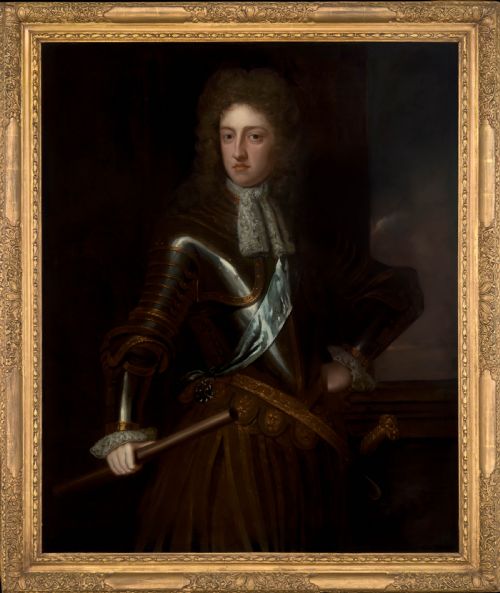
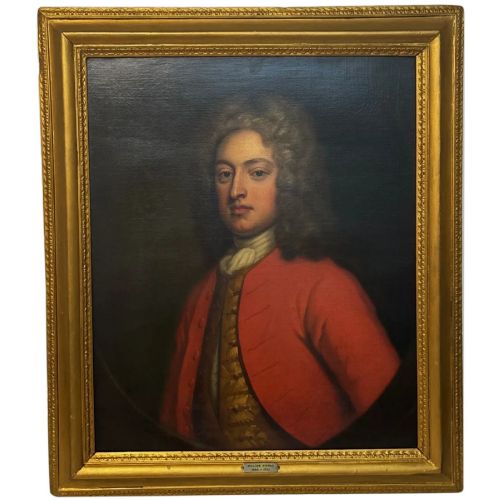
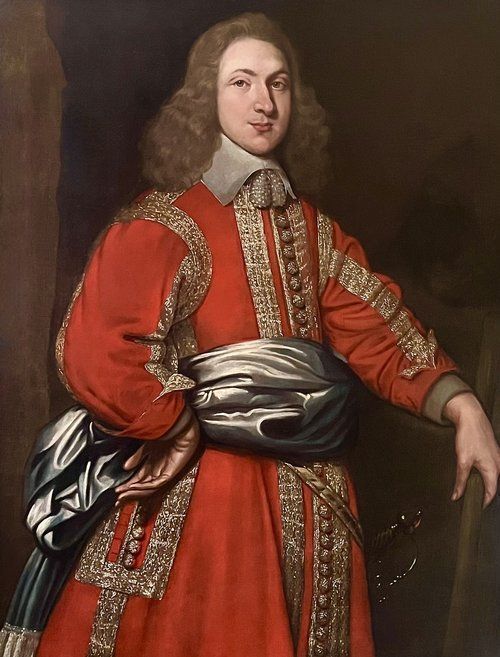
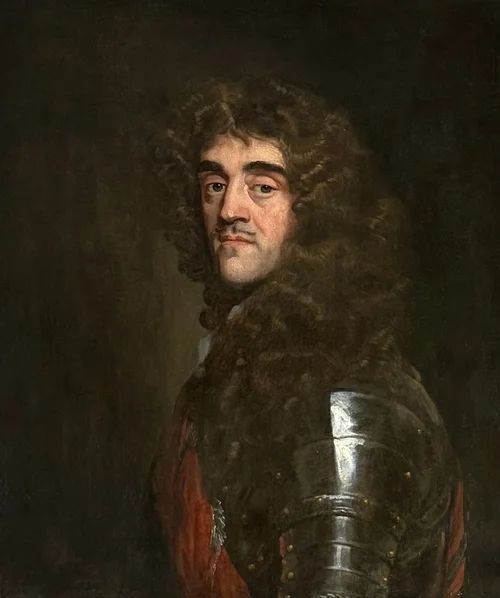
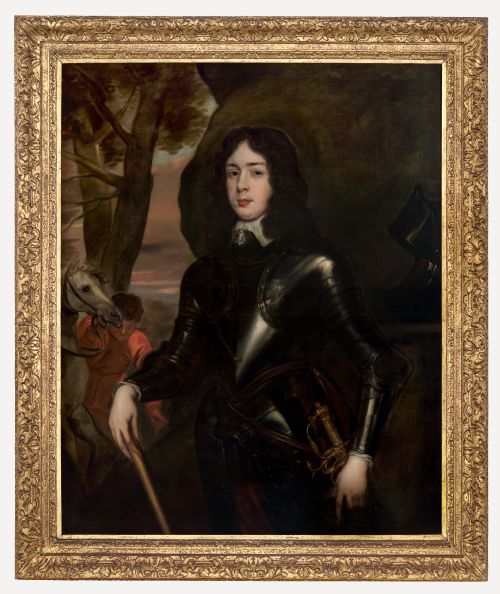
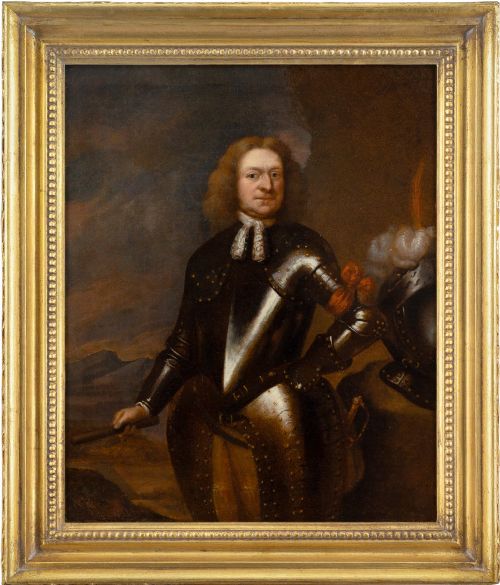
A baroque military oil portrait captures officers, cavaliers, and nobles in period attire, frequently encased in armour with sashes and heavy drapery. These works span the seventeenth and eighteenth centuries, reflecting Anglo-Dutch, Flemish, French, and German schools of painting.
The subjects on this page typically present half-length or three-quarter views of historic commanders and aristocrats, sometimes accompanied by horses or distant battlegrounds. Such pieces record the martial status and nobility of their sitters with dramatic lighting and solemn expressions characteristic of the baroque style.
Most examples hail from the seventeenth century and the early eighteenth century, created either by contemporary studios or subsequent followers adhering to established portrait traditions. Buyers encounter works attributed to regional schools alongside studio pieces depicting named figures such as Prince George of Denmark and General John Churchill.
How a baroque military oil portrait was made
Painters built these works using oil paint applied to woven canvas supports, sometimes stretched over wooden frames and later housed within giltwood and gold leaf mouldings. The combination of oil medium and linen ground allowed artists to achieve deep shadow gradients and luminous highlights on polished steel armour and velvet coats.
Workshops utilised layered pigment techniques, beginning with dark priming layers to establish the intense chiaroscuro typical of seventeenth-century and eighteenth-century portraiture. Flesh tones and garment textures were built up progressively, using translucent glazes to render the rich reds of military coats and the reflective sheen of metal breastplates.
Several military sitters sport elaborate cascading wigs that rival the complexity of the steel breastplates worn beneath them.
What varies in quality in a baroque military oil portrait
The distinction between a prime studio version and a later circle piece lies in the vitality of the characterisation and the depth of the background integration. Works by named masters or direct studio followers display superior draughtsmanship and more sophisticated tonal graduation across the canvas.
Sir Godfrey Kneller·John Greenhill·Sir Anthony van Dyck·Nicolas De Largillière·David Scougall·Wybrand de Geest·John Closterman·Jean-Baptiste Santerre·Samuel van Hoogstraten
The Baroque Military Oil Portrait Glossary
- Baroque
- A European artistic style of the seventeenth and eighteenth centuries characterised by drama, deep shadow, and dynamic movement. It emphasises grandeur and emotional intensity in portraiture.
- Chiaroscuro
- An artistic technique using strong contrasts between light and dark to give subjects a three-dimensional volume. Painters of this era relied on this method to model faces and armour.
- Giltwood
- Wood that has been coated with gold leaf or gold paint, commonly forming the decorative frames of these paintings. These frames enhance the theatrical appearance of the artwork.
- Cavalier
- A traditional term for a horseman or royalist soldier, frequently depicted wearing armour and long hair during the seventeenth century. Such figures form a primary subject category in these collections.
- Sash
- A decorative band worn across the chest or waist, indicating military rank, honours, or aristocratic orders. Painters rendered these textiles in bright pigments like red to draw the eye.
Baroque Military Oil Portrait: Frequently Asked Questions
What is a baroque military oil portrait?
These paintings depict commanders, aristocrats, and military officers from the seventeenth and eighteenth centuries, usually rendered in oil on canvas. Subjects appear in full armour or period military dress, reflecting the artistic conventions of European schools.
Such portraits served to record status and lineage, capturing sitters with dramatic lighting and formal gravity. They remain sought after for their historical significance and striking visual presence.
How should I hang an oil portrait?
Hang these works away from direct sunlight and fluctuating heat sources to protect the canvas and traditional giltwood frames. Stable interior environments prevent the linen ground and oil paint layers from drying out or cracking.
Ensure the wall fixings match the weight of the heavy wooden frames often found on these large canvases. Positioning the portrait at eye level allows viewers to appreciate the fine details of the subject's armour and facial expression.
What schools of painting exist here?
The listings feature works from Anglo-Dutch, Flemish, German, and French artistic traditions spanning the baroque era. These regional schools shared techniques while maintaining distinct approaches to lighting and costume detail.
Works attributed to specific circles or followers demonstrate how painting styles spread across European workshops during the seventeenth and eighteenth centuries. This variety offers collectors insight into both major artistic centres and provincial practices.