


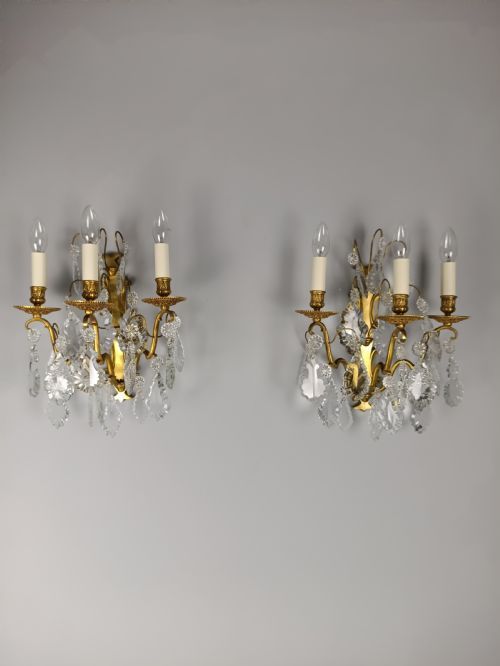


Baroque Gilt Wall Applique
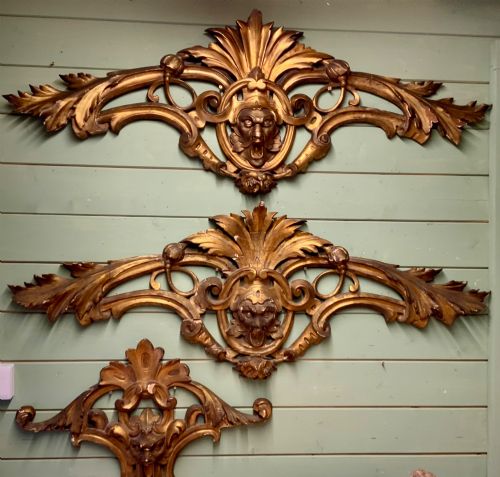
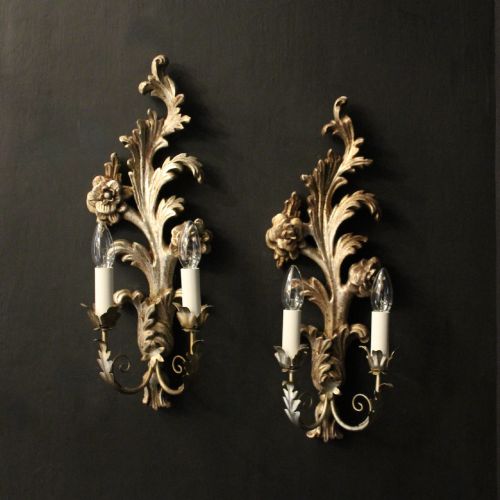
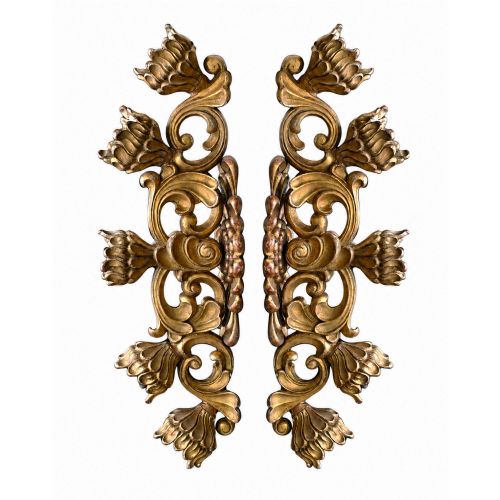
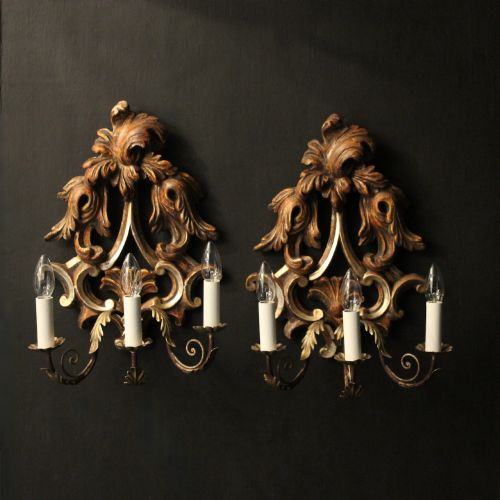
A baroque gilt wall applique brings dramatic carved splendour and warm candlelit reflection directly to an interior.
Baroque Gilt Wall Applique
A baroque gilt wall applique represents ornate lighting fixtures designed to project warmth and architectural depth across a room. Buyers browsing this selection encounter wall lights, wall sconces, wall brackets, and wall lighting spanning from the seventeenth century through to the early twentieth century.
The prevalent forms originate primarily from Italian and French workshops, encompassing Italian Baroque, Florentine Rococo, French Baroque, and Louis XIV styles. These pieces frequently appear in pairs, featuring twin arms, triple arms, or larger branch configurations designed to hold multiple candles or bulbs.
Construction and Materials
Craftsmen built these fixtures using carved wood, gesso, giltwood, silver leaf, gold leaf, and cast metals such as bronze and brass. Carved wooden bases received layers of gesso before being meticulously gilded with gold or silver leaf to achieve a brilliant reflective surface.
Certain pieces incorporate contrasting materials, combining gilded woodwork with Murano glass elements or integrating polychrome painted details beneath the gilding. Metal components on French and Italian examples typically involve cast bronze or brass shaped into scrolling arms and foliate motifs.
Baroque Gilt Wall Applique Retail Price Guide 2026
Typical asking prices for baroque gilt wall applique among the pieces listed under this phrase on Sellingantiques today, from the lower quarter to the upper quarter. They describe what is for sale here now, not the wider market.
Cherubs occasionally peek out from the gilded branches, keeping a watchful eye on whoever controls the lighting.
Factors of Quality
Quality reveals itself in the depth and crispness of the hand-carved detail across the wooden frames and metal castings. Superior examples display refined proportions, confident scrollwork, and harmonious integration between the structural arms and the backplates.
The application and preservation of the gold leaf or silver leaf significantly influence the visual impact of each piece. Finer items retain rich patination on their gilded surfaces, showing careful ageing rather than heavy-handed restoration.
The Baroque Gilt Wall Applique Glossary
- Applique
- A wall-mounted lighting fixture or decorative bracket designed to hold candles or electric lamps. This term is frequently used interchangeably with wall sconce.
- Giltwood
- Timber that has been coated with a thin layer of gold leaf or powder. It provides the signature luminous finish seen on classical wall lights.
- Gesso
- A plaster-like mixture applied to wood surfaces as a smooth base for gilding. It allows carvers to achieve sharp, intricate decorative details.
- Sconce
- A historical term for a wall-mounted candleholder with a backplate that reflects the light. Many period examples utilise multiple branching arms.
- Polychrome
- Decorated in multiple colours. Certain regional variants feature painted pigments beneath or alongside the traditional metallic leaf.
Baroque Gilt Wall Applique: Frequently Asked Questions
How do I install an antique wall applique?
Many period wall lights require professional electrical installation, particularly older fixtures that have been rewired for modern use. Secure mounting to wall studs is essential due to the weight of carved wood and cast bronze.
Positioning depends on ceiling height and room proportions, though they typically hang at eye level to provide flattering ambient illumination.
Are these wall lights wired for electricity?
Many pieces adapt historical candle sconces for modern electrical wiring while preserving their original aesthetic character. Specific examples note whether they have been successfully rewired for contemporary use.
Checking the internal wiring with a qualified electrician ensures safety before permanent installation on domestic walls.
How do I date a baroque wall applique?
Dating relies on examining the carving techniques, the composition of the underlying gesso, and the specific stylistic markers of periods such as Louis XIV or Italian Baroque. Variations in metal casting methods also help distinguish seventeenth-century pieces from later nineteenth-century revivals.
Comparing the wear patterns on the wooden substrate provides further clues to the age of the object.