
Baroque Gentleman Portrait
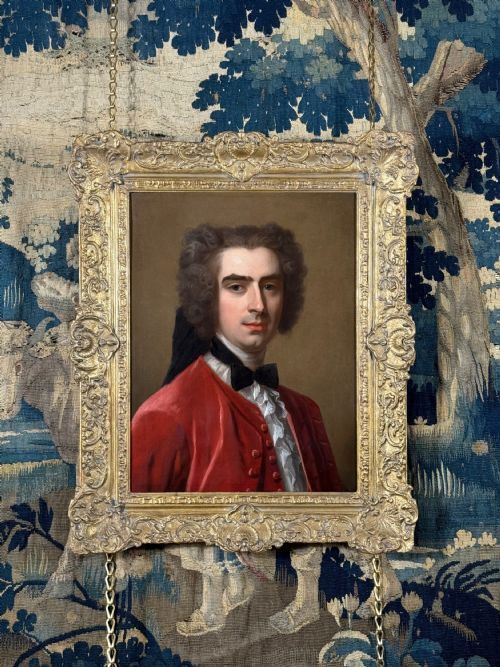
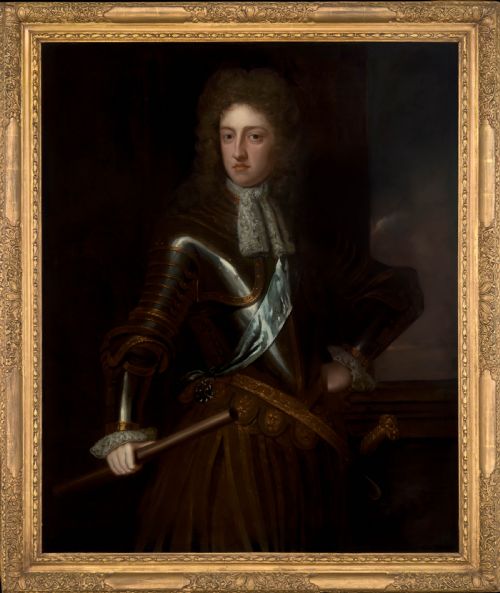
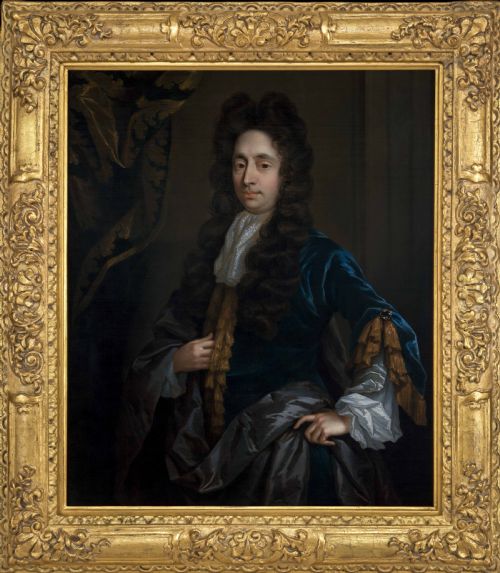
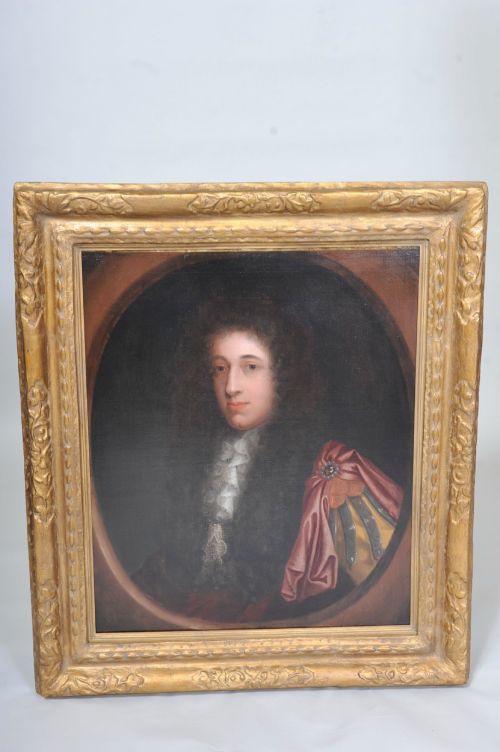
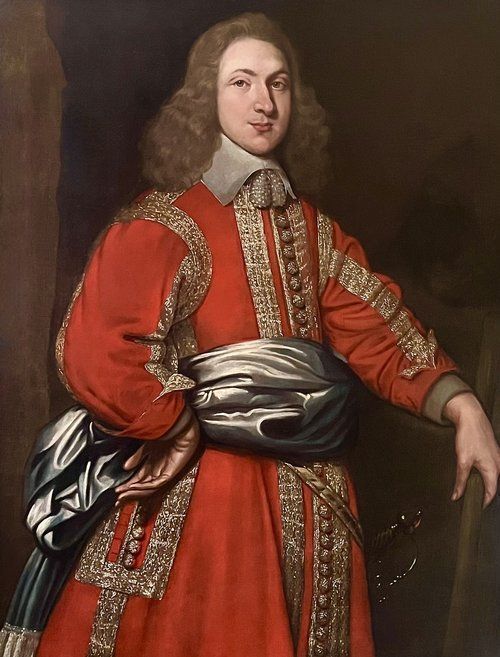
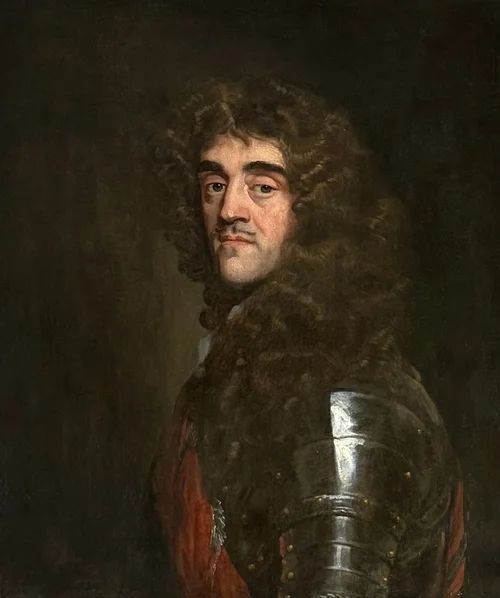
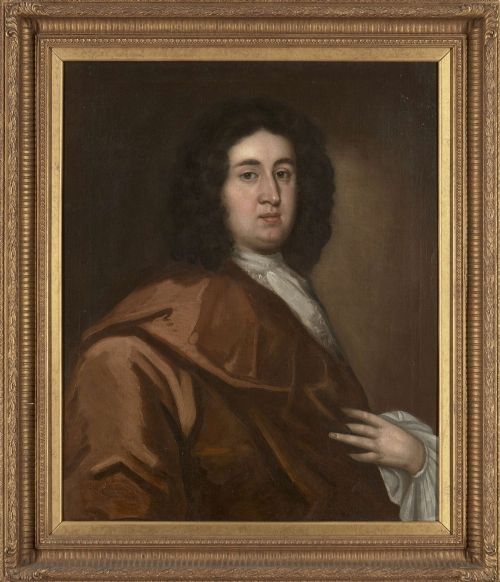
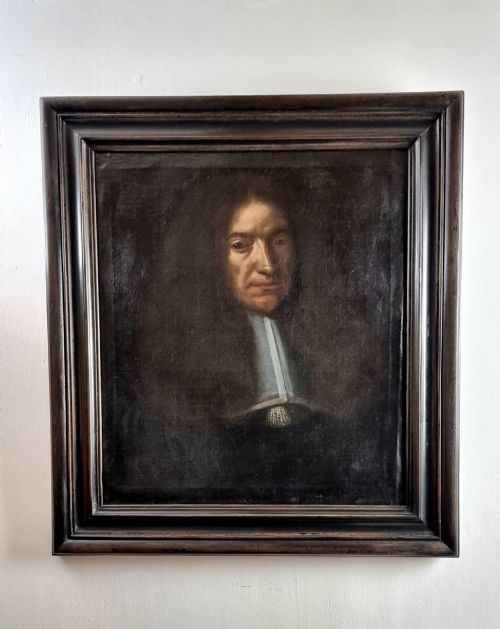
A baroque gentleman portrait captures the commanding presence of a seventeenth-century sitter in oil on canvas.
What they are
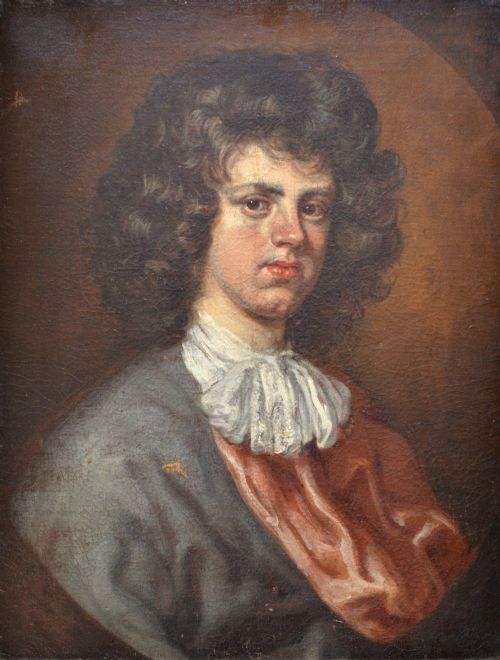
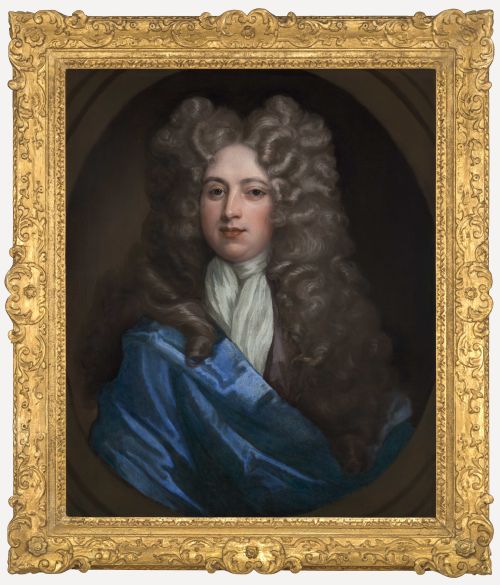
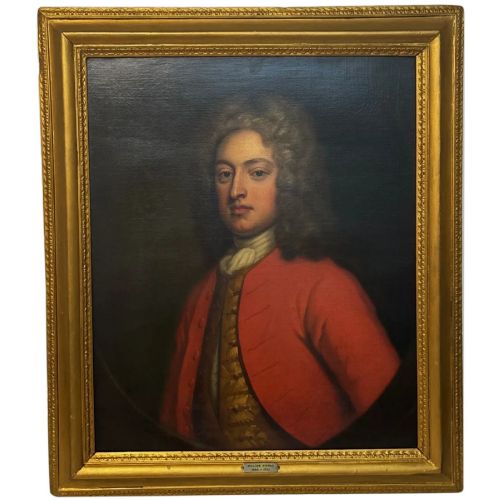
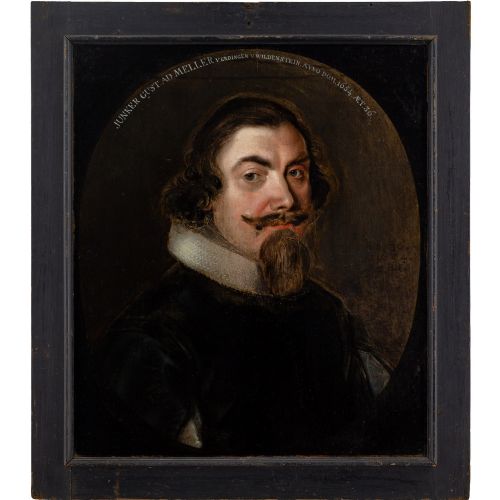
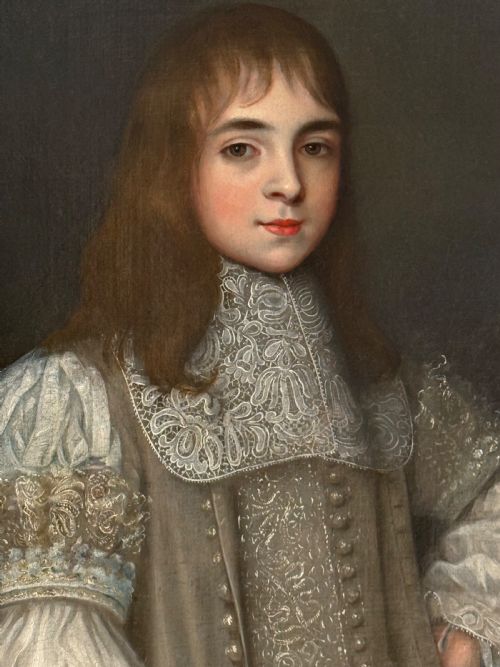
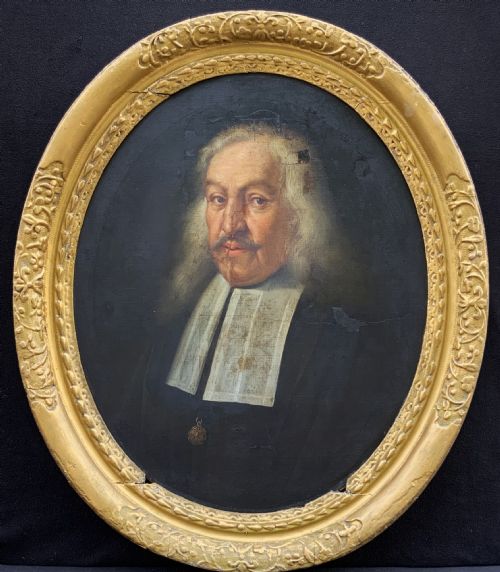
A baroque gentleman portrait represents the stately portraiture of the seventeenth century and around the year seventeen hundred. These oil paintings depict male sitters, occasionally identified by name or title, framed in periods spanning the seventeen hundreds.
The most common examples on this page are oil paintings on canvas, often presented in period frames of gilded wood, ebonised wood, or gesso. These works originate from British and European artistic circles of the baroque and French baroque styles.
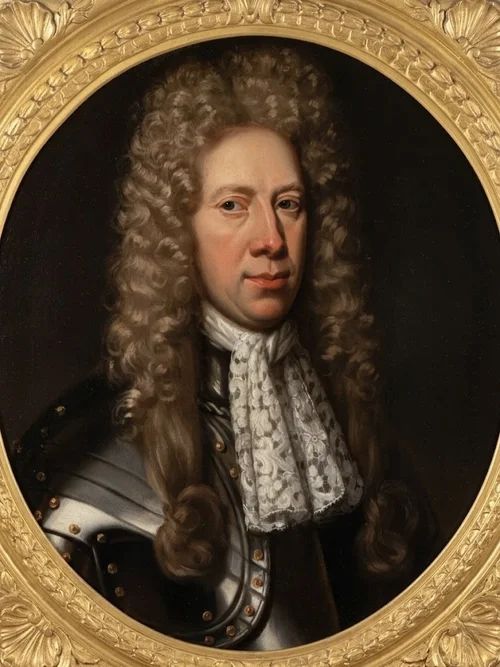
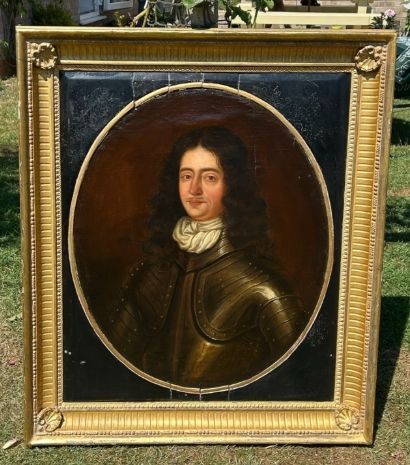
Collectors encounter works attributed to notable portraitists of the era as well as anonymous examples from the seventeenth century. Each piece reflects the formal attire, armour, and drapery characteristic of elite male portraits from the period.
How they were made
These portraits are executed in oil on canvas, employing traditional painting techniques of the seventeenth century to build depth and rich tonal contrast. Artists rendered fabrics such as azure cloaks and armour with careful attention to light and shadow.
The canvases are housed in frames constructed from wood and finished with gesso and giltwood or gilded wood. Ebonised wood framing also appears, providing a dark, contrasting border typical of baroque framing conventions.
Retail Price Guide 2026
Typical UK retail prices for baroque gentleman portrait, calculated from the Sellingantiques database of over a million retail prices indexed since 2003. This retail price guide relies exclusively on Sellingantiques data; no external sources or auction records are used, so the figures do not describe the wider market.
Listings feature oil paintings on canvas exclusively from the seventeenth century and around seventeen hundred, framed in giltwood, gesso, and ebonised wood.
What varies in quality
The distinction between works rests upon the fidelity of attribution and the mastery of the brushwork within the oil painting. Portraits linked closely to the circle of prominent painters or specific masters command greater scholarly interest.
Joseph Vivienne·Arnold van Boonen·Michael Dahl·Sir Godfrey Kneller
The Baroque Gentleman Portrait Glossary
- Baroque
- A European artistic style of the seventeenth century characterised by dramatic movement, grandeur, and rich detail. This aesthetic dictates the theatrical lighting and imposing composition seen in these portraits.
- Giltwood
- Wood carved and covered with a thin layer of gold leaf or gilt. It forms the opulent frames that frequently accompany seventeenth-century paintings.
- Ebonised wood
- Timber treated to resemble ebony, creating a dark, polished finish. This material is often utilised for the severe, elegant frames of the period.
- Gesso
- A plaster-like mixture applied to wood frames as a base for gilding or paint. It allows for intricate moulded decoration along the frame borders.
- Circle of
- A term used when a work originates from an artist's workshop or closely follows their specific manner and technique. It denotes a contemporary follower rather than the master's own hand.
Frequently Asked Questions
What is a baroque gentleman portrait?
A baroque gentleman portrait is an oil painting on canvas depicting a male sitter from the seventeenth century or around seventeen hundred. These works capture the formal dress and aristocratic dignity of the era.
Such pieces are typically executed in European baroque or French baroque styles, often framed in period giltwood or ebonised wood.
Who painted these portraits?
These works are produced by seventeenth-century painters, sometimes attributed to known masters or artists working within their immediate circle. Examples include attributions to painters active around seventeen hundred.
Many surviving works remain anonymous while retaining the distinctive artistic conventions of the period.
How should I display one?
Display these oil paintings on a sturdy wall away from direct sunlight and excessive temperature fluctuations to protect the canvas and paint layers. The heavy giltwood or ebonised frames require secure wall fixings.
Positioning the portrait at eye level in a traditional interior setting allows the dramatic lighting of the baroque style to be fully appreciated.
How do I identify the period?
Dating relies on the sitter's costume, such as armour or specific cloaks, alongside the painting technique and canvas characteristics. Seventeenth-century portraits exhibit distinct handling of oil pigments and formal composition.
Original frames of gesso and gilded wood further assist in confirming the period of the artwork.