


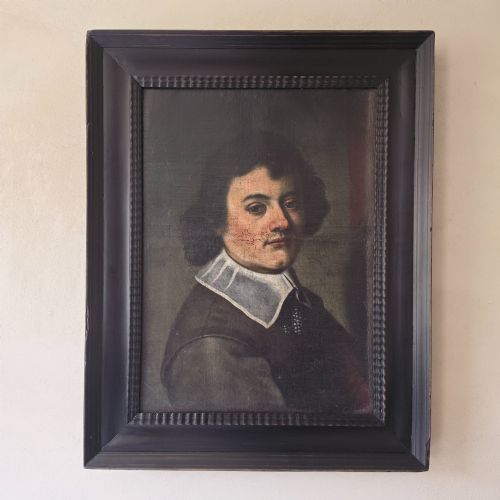

Baroque Gentleman Artwork
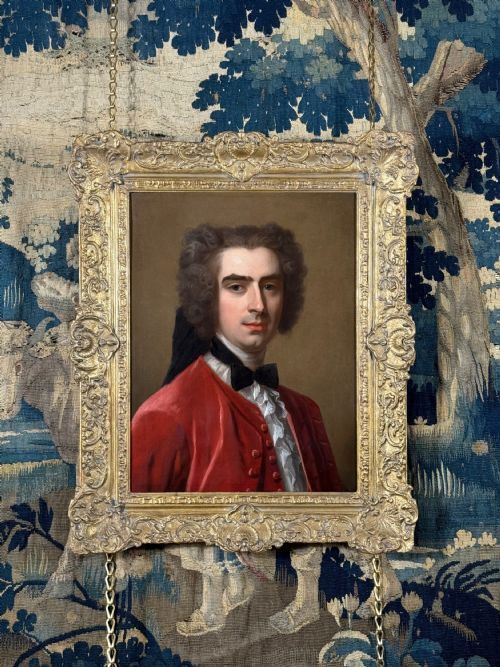
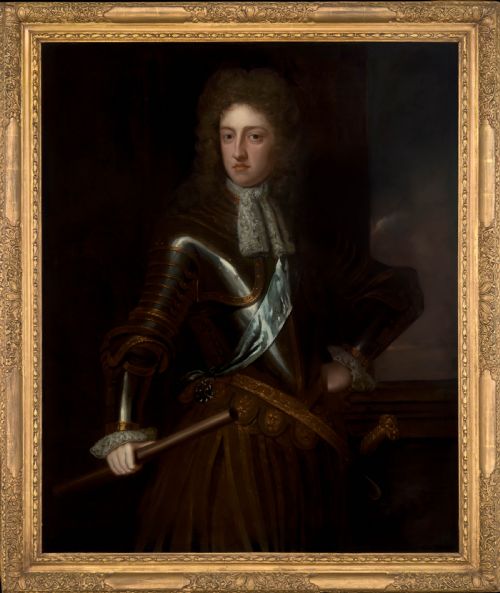
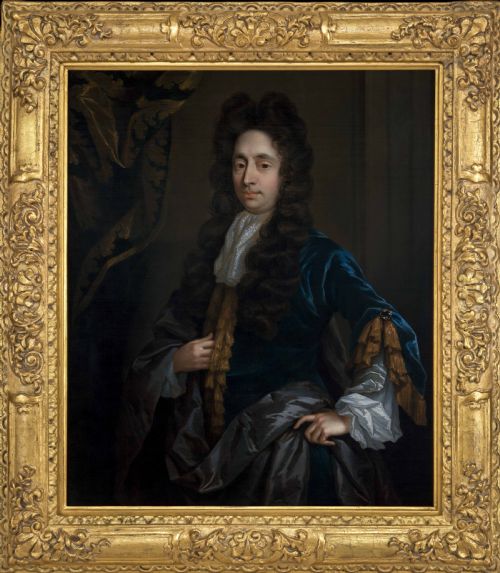
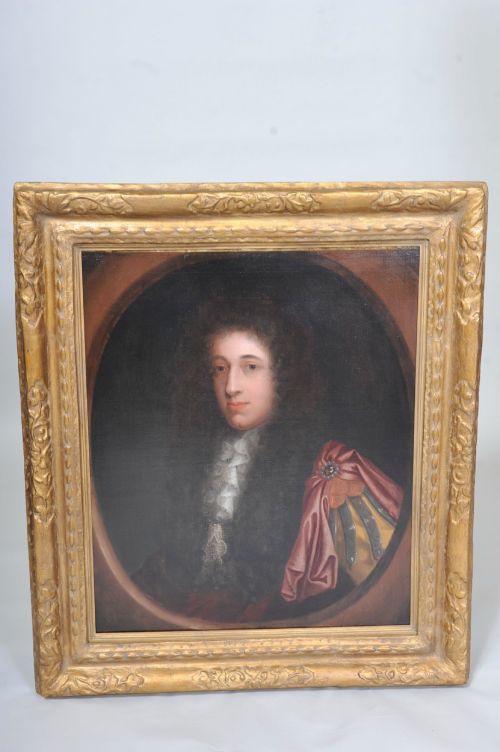
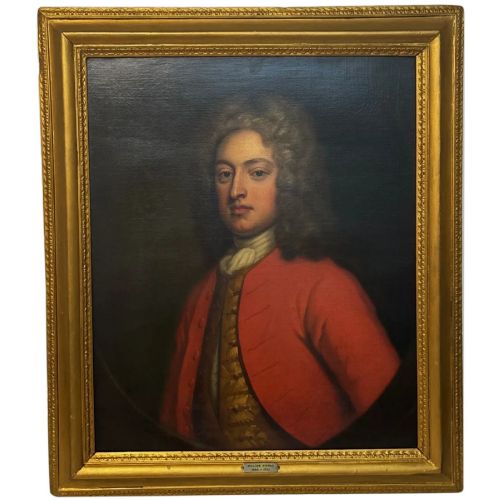
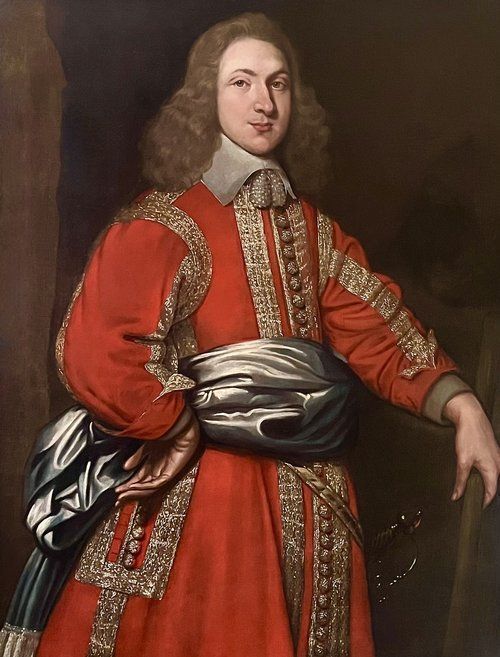
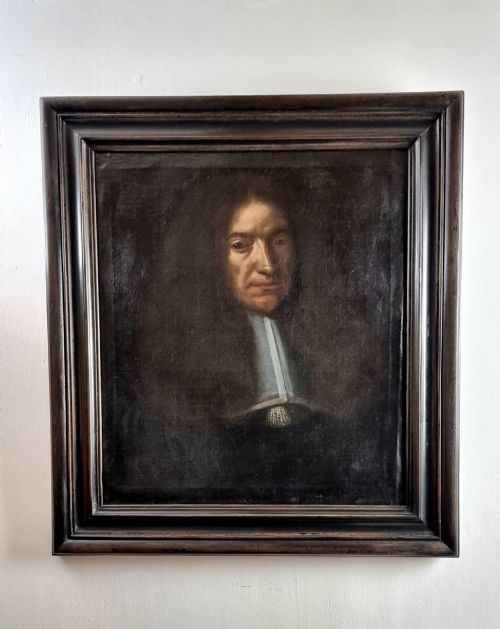
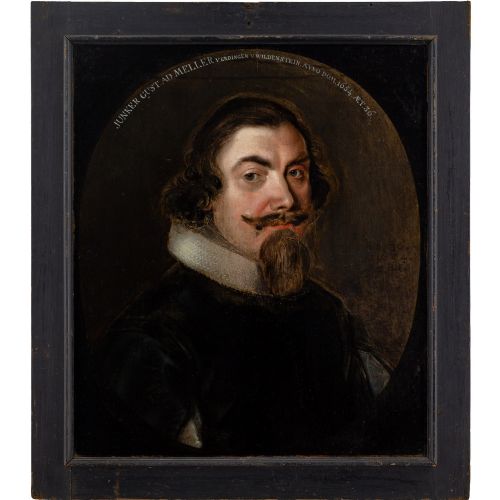
These baroque gentleman artwork pieces capture commanding sitters in oil on canvas, framed in giltwood to bring seventeenth-century presence into a room.
Baroque Gentleman Artwork
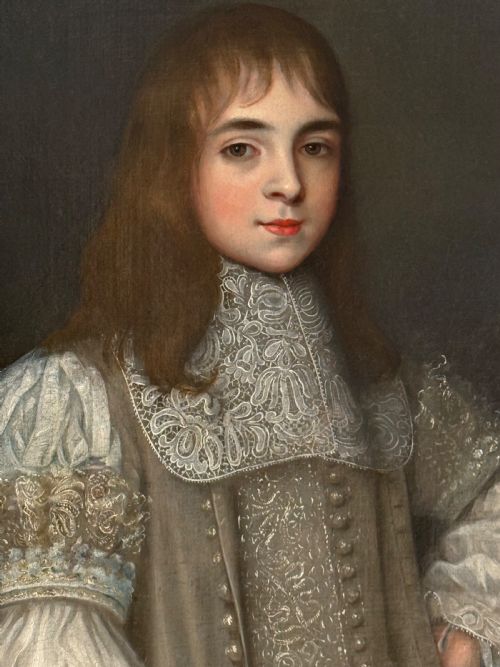
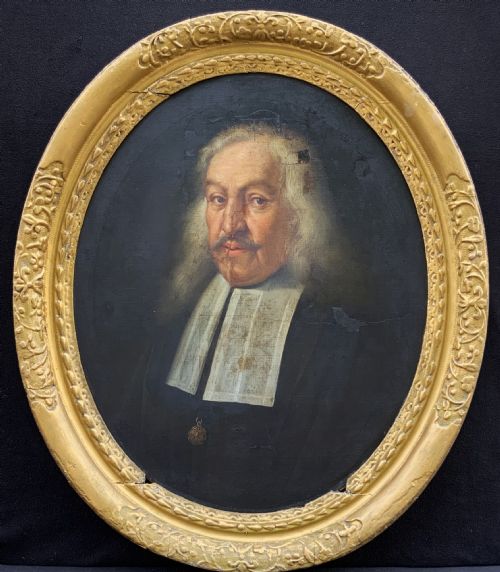
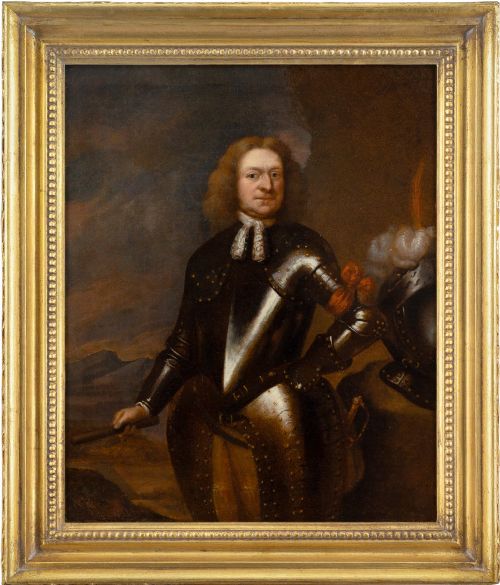
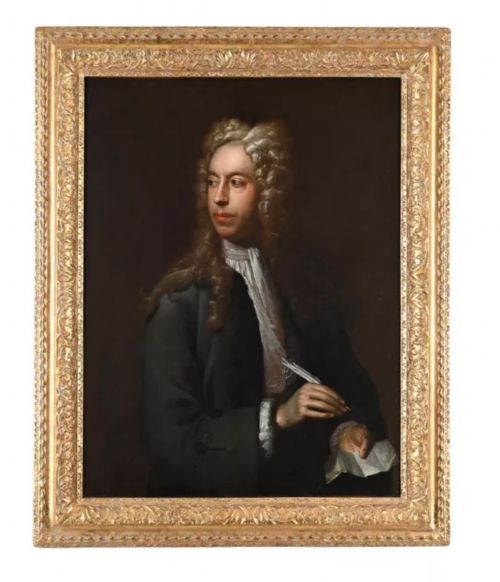
When you search for baroque gentleman artwork, you encounter oil paintings originating from the seventeenth and early eighteenth centuries, spanning British, Dutch, German, and French schools. These works typically portray military officers, judges, scholars, and aristocrats rendered in oil on canvas.
The version most commonly met on this page is the oil portrait, often presented in its original or period-matched giltwood frame. Sitters appear in elaborate costume, armour, or academic dress, reflecting the portraiture traditions of the Baroque and Georgian periods.
How they were made
These pieces are built using oil paint applied to woven canvas supports, stretched over wooden frames and frequently housed within carved giltwood frames finished with gold leaf. Artists layered pigments to achieve depth in garments such as scarlet jackets, blue coats, and azure cloaks.
Techniques rely on the foundational practices of seventeenth and eighteenth-century European studios, where master painters and their circles balanced fine brushwork with robust priming layers on fabric.
Listings feature oil paintings on canvas from the seventeenth and eighteenth centuries, executed by British, Dutch, German, and French schools.
What varies in quality
The distinction between an average studio output and a superior painting rests in the handling of the sitter's facial expression, fabric folds, and hands. Master painters achieved a lifelike presence through precise tonal gradations, whereas lesser workshop pieces rely on formulaic execution.
Condition also divides the range, particularly the preservation of the original canvas and the integrity of the carved giltwood frame. Pieces retaining their early stretchers and untouched paint surfaces hold greater historical cohesion.
Jean Baptiste Van Loo·Sir Godfrey Kneller·Constantyn Netscher·Mary Beale·John Michael Wright·Pieter Borseler·Joseph Vivienne·Michael Dahl·Daniel Mytens·John Riley·John Greenhill·Arnold van Boonen·Jonathan Richardson
The Baroque Gentleman Artwork Glossary
- Baroque
- A European style spanning the seventeenth and early eighteenth centuries characterised by drama, rich detail, and deep chiaroscuro. This aesthetic dominates the portraiture found in these listings.
- Giltwood
- Wood carved and coated with gold leaf or metal powder to create a reflective metallic finish. It serves as the standard framing material for grand oil paintings from this era.
- Oil on canvas
- A painting medium where pigments are suspended in a drying oil and applied to a stretched cloth support. This combination allowed artists to achieve rich colours and subtle blending.
- Circle of
- A designation indicating the work was produced by an artist closely associated with a master, working in their immediate style and period. It denotes authentic period technique without direct attribution.
- Ruff
- A prominent pleated collar of stiffened fabric worn around the neck during the late sixteenth and early seventeenth centuries. Its appearance on a sitter helps date the costume depicted.
Baroque Gentleman Artwork: Frequently Asked Questions
How should I hang an oil portrait?
Position the painting away from direct sunlight and fluctuating heat sources to protect both the oil on canvas and the giltwood frame. Use sturdy wall fixings suited to the substantial weight of these framed works.
Ensure the centre of the canvas sits at eye level for optimal viewing, allowing the sitter's gaze to engage naturally with the room.
How do I identify a seventeenth century portrait?
Examine the clothing, hair styling, and framing materials for period markers such as lace bands, armour, or elaborate wigs. Portraits from this era often feature heavy carved wood frames finished in gold leaf.
Consult the stretcher bars and canvas weave behind the painting for signs of age, such as handmade nails and oxidized linen.
What is the difference between studio and circle works?
A work from the studio of an artist was produced under the direct supervision and guidance of the master, often incorporating their methods and sketches. Pieces attributed to the circle of an artist reflect the hand of a contemporary working in the same immediate artistic environment.
Both categories provide authentic period craftsmanship from the seventeenth or eighteenth centuries without carrying a direct signature.
How do I care for giltwood frames?
Dust the carved wooden surfaces gently with a soft, dry brush to prevent accumulation without disturbing the gold leaf. Avoid liquid cleaners, polishes, and moisture, which can degrade the historic finish.
Maintain stable humidity levels in the room to prevent the wood beneath the gilding from expanding or contracting.