

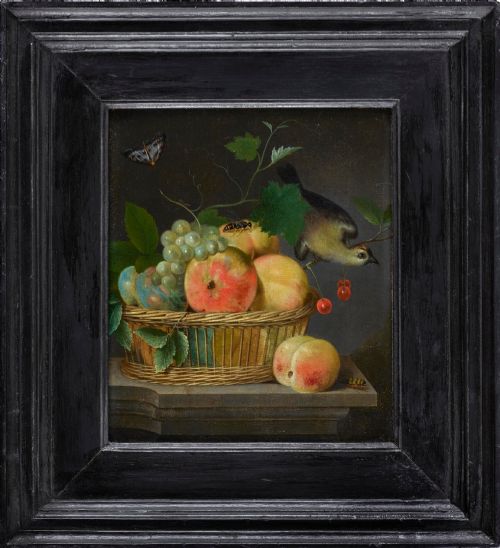
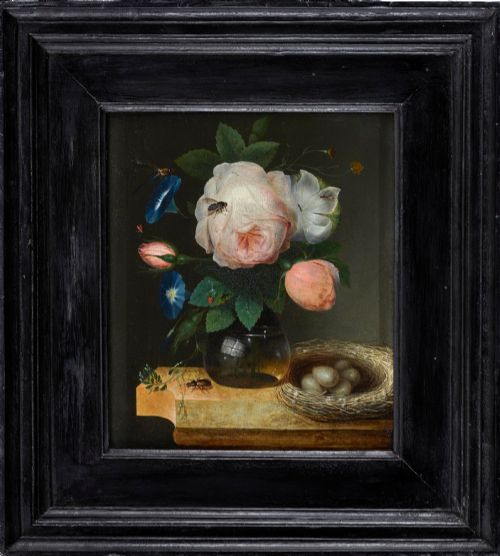


Baroque Floral Painting
A baroque floral painting brings rich, dramatic botanical displays into a room through deep shadow and abundant petals.
Baroque Floral Painting
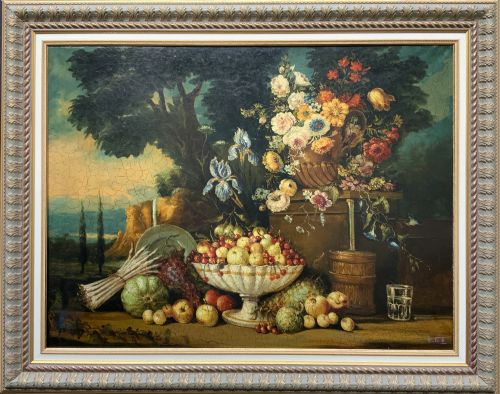
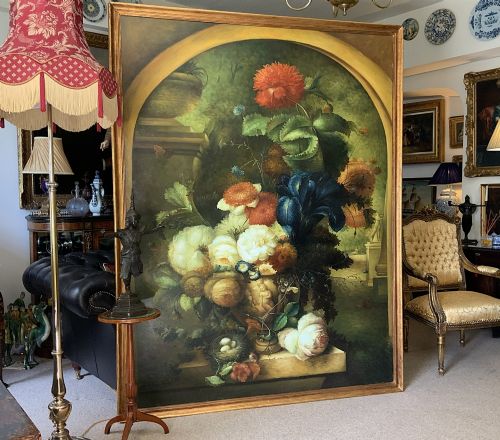
A baroque floral painting captures lush arrangements of flowers and fruit, emerging from dark backgrounds in the manner of seventeenth-century Dutch and Italian masters. You will encounter works spanning actual seventeenth-century origin down to later twentieth-century interpretations created in historical styles.
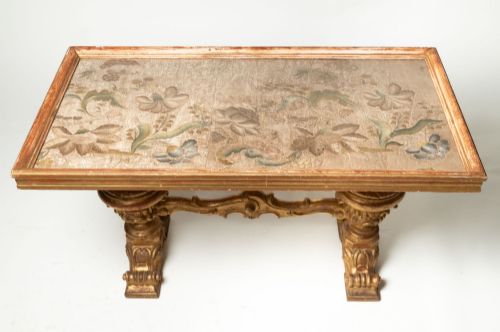
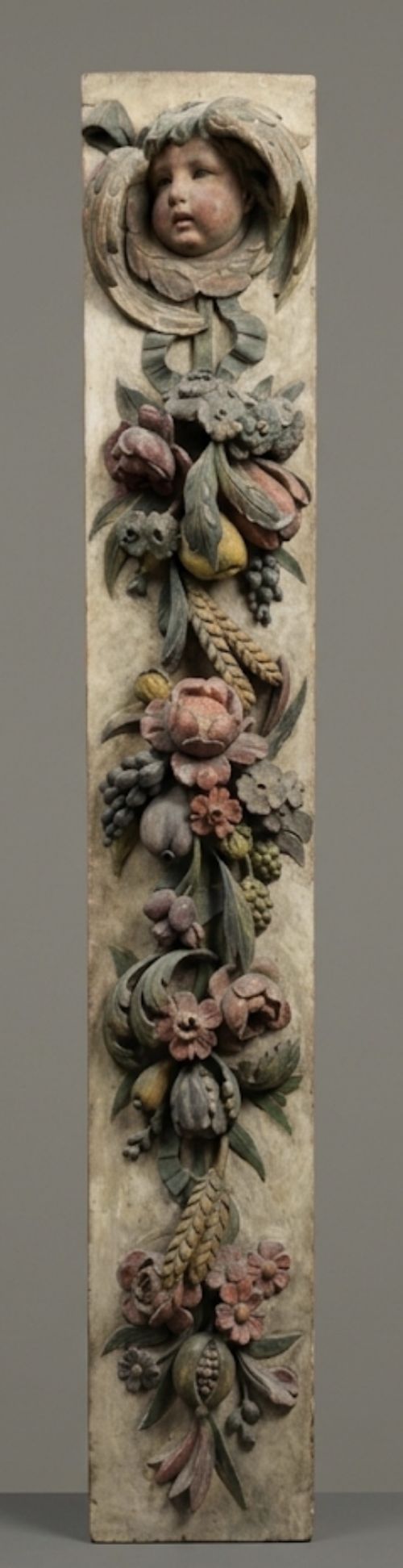
Beyond traditional canvases, this search phrase embraces related forms including carved wooden polychrome panels, painted leather screens, and decorative mirrors framed by floral motifs. These decorative objects share the theatrical lighting, ornate carving, and rich pigment application characteristic of the period aesthetic.
Materials and construction
The traditional works in this group rely on oil paint applied to canvas or oak panels, building up layers to achieve depth and luminosity in the depiction of petals and foliage. Gesso and carved wood provide the structural foundation for ornate giltwood frames and architectural panels.
Later pieces utilise similar oil and paint techniques on board or canvas, sometimes incorporating hand-painted leather or polychrome finishes on carved wooden surfaces to emulate earlier decorative traditions.
Baroque Floral Painting Retail Price Guide 2026
Typical asking prices for baroque floral painting among the pieces listed under this phrase on Sellingantiques today, from the lower quarter to the upper quarter. They describe what is for sale here now, not the wider market.
Featured periods range from seventeenth-century masters through eighteenth-century decorative panels to mid-twentieth-century revival pieces.
Assessing quality
Quality rests in the subtlety of tonal gradation and the naturalistic rendering of botanical details, where superior works display precise brushwork in the depiction of light falling across delicate petals. Weaker pieces often show flat, uniform backgrounds lacking the atmospheric depth characteristic of accomplished oil paintings.
The integrity of the physical support matters greatly, distinguishing panels and canvases with stable historical materials from later decorative reproductions that lack material depth.
The Baroque Floral Painting Glossary
- Still life
- A painting depicting inanimate subject matter, typically commonplace objects or botanical specimens arranged in a deliberate composition.
- Gesso
- A plaster-like mixture used as a smooth base for painting or for building up low relief carvings on wood frames.
- Polychrome
- The practice of decorating architectural elements, wood panels or sculptures in a variety of vibrant colours.
- Trompe l'oeil
- An art technique involving extremely realistic imagery in order to create the optical illusion that the depicted objects exist in three dimensions.
- Pier glass
- A tall mirror designed to be hung on the wall between windows, often accompanied by a matching console table.
Baroque Floral Painting: Frequently Asked Questions
How do I hang a heavy oil painting?
Ensure your wall fixings are secured directly into masonry or wooden studs to safely support the substantial weight of large framed canvases.
Use heavy-duty picture wire and professional D-rings attached firmly to the wooden stretcher frame rather than relying on decorative mouldings.
Where should I place a floral painting?
These dramatic works suit principal reception rooms or dining spaces where subdued lighting can emphasise the rich shadows and vibrant botanical details.
Keep oil paintings away from direct sunlight and dramatic temperature fluctuations to protect the canvas and traditional pigments from deterioration.
Are these paintings from the seventeenth century?
The selection includes genuine seventeenth-century works alongside later eighteenth-century pieces and twentieth-century interpretations created in historical styles.
Examine the canvas support, craquelure, and framing materials to determine whether a piece dates from the historical period or represents a later revival.