



Baroque Floral Art
Baroque floral art brings opulent seventeenth-century botanical splendour into your interior through lavish oil paintings and intricate needlework.
Baroque Floral Art
Baroque floral art encompasses dramatic oil paintings and detailed textile pieces that capture lush arrangements of flowers and fruit. When you search for baroque floral art, you encounter heavy canvas works and framed silkwork panels reflecting seventeenth and eighteenth-century aesthetics.
The selections on this page span several centuries, including period works alongside later interpretations from the twentieth century. These pieces range from grand Dutch-style still life paintings to smaller embroidered panels and tapestry cushion covers.
Subjects typically feature abundant floral displays in vases or baskets, sometimes accompanied by birds or banquet elements. The overarching style draws heavily upon Flemish and Dutch traditions alongside Italian and English workmanship.
Materials and construction
Oil paint applied to canvas or oak panel forms the core of the pictorial works in this category. Artists utilised rich pigments to render deep shadows and vibrant botanical details.
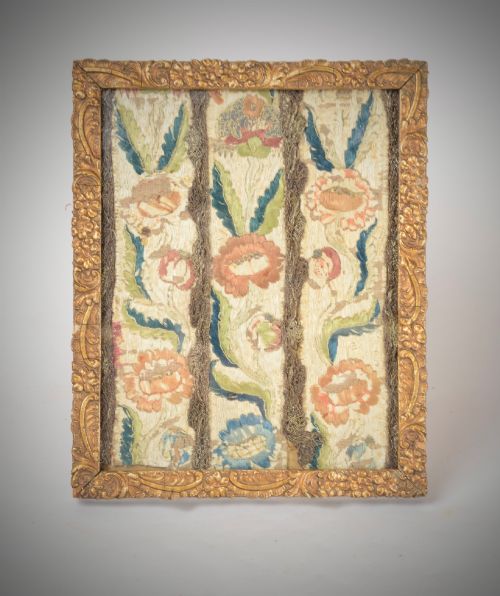
Textile examples utilise materials such as silk, wool, and canvas for needlework, embroidery, and tapestry cushion covers. These fabrics demonstrate skilled hand-stitching executed within wooden frames or structured panels.
Baroque Floral Art Retail Price Guide 2026
Typical asking prices for baroque floral art among the pieces listed under this phrase on Sellingantiques today, from the lower quarter to the upper quarter. They describe what is for sale here now, not the wider market.
Listings feature materials ranging from traditional oil paint and canvas to giltwood, glass, silk, wool, and oak panels.
Assessing quality
Quality rests in the precision of the brushwork and the depth of the composition within the painted pieces. Superior oil paintings display careful handling of light across petals and fruit, whereas lesser works appear flat.
In textile works, the density of the stitching and the complexity of the silkwork indicate the maker's skill. Finer panels maintain tight, even threads that preserve intricate floral motifs over generations.
Gaspar Peeter Verbruggen·Calzolari
The Baroque Floral Art Glossary
- Still life
- A painting or drawing depicting inanimate subject matter, typically commonplace objects such as flowers, fruit, and tableware. These compositions were central to seventeenth-century Dutch and Flemish art.
- Giltwood
- Wood that has been treated with gold leaf or a gold-coloured finish. This material frequently frames the grand oil paintings and mirrors of the period.
- Silkwork
- Embroidery executed primarily with silk threads on a backing fabric. Victorian examples often recreated elaborate floral designs in this medium.
- Tapestry
- A form of textile art woven on a loom, used for wall hangings or cushion covers. Early examples feature dense pictorial scenes with floral and botanical themes.
- Trompe l'oeil
- An art technique involving extremely realistic imagery in order to create the optical illusion that the depicted objects exist in three dimensions.
Baroque Floral Art: Frequently Asked Questions
What is baroque floral art?
Baroque floral art comprises decorative works from the seventeenth century and later that focus on lavish botanical compositions. These pieces primarily take the form of oil paintings on canvas or panel, alongside detailed textile art.
They reflect an era of dramatic lighting and abundant natural subjects, capturing flowers and fruit with intense visual depth.
How were these pieces used?
Painted works served as formal wall decorations in grand European homes, displaying the owner's wealth and appreciation for naturalism. Tapestries and embroidered panels functioned as functional soft furnishings like cushion covers or decorative wall hangings.
They added warmth, colour, and texture to domestic interiors across various centuries.
How do I live with them?
These pieces suit traditional and contemporary interiors alike, acting as striking focal points in living rooms or dining spaces. Painted works require careful placement away from direct sunlight to protect oil pigments.
Textile art and needlework panels benefit from controlled indoor environments to preserve delicate silk and wool fibres.
How do I tell periods apart?
Seventeenth and eighteenth-century works generally display the darker palettes and intricate compositional layering characteristic of old master traditions. Later twentieth-century pieces often employ brighter tones or reinterpret classical styles with different canvas preparations.
Examining the backing materials, framing techniques, and weave structures helps distinguish period originals from later revivals.