


Baroque Fine Art Painting
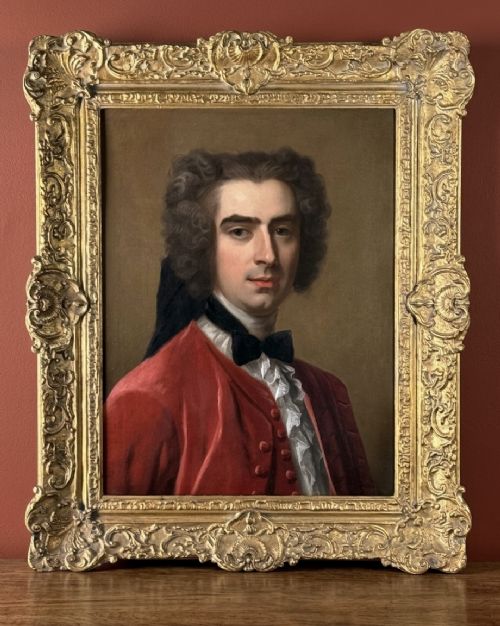
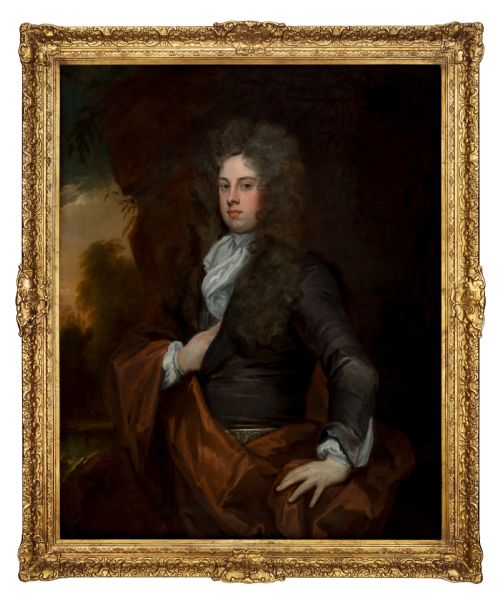
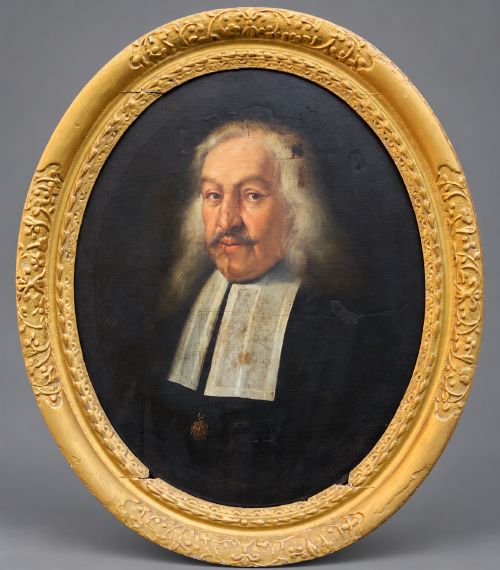
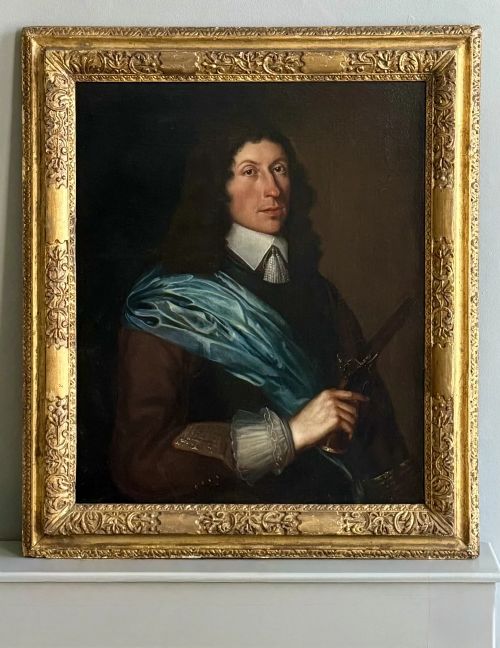
A baroque fine art painting captures theatrical light and rich portraiture from the seventeenth and eighteenth centuries.
Baroque Fine Art Painting
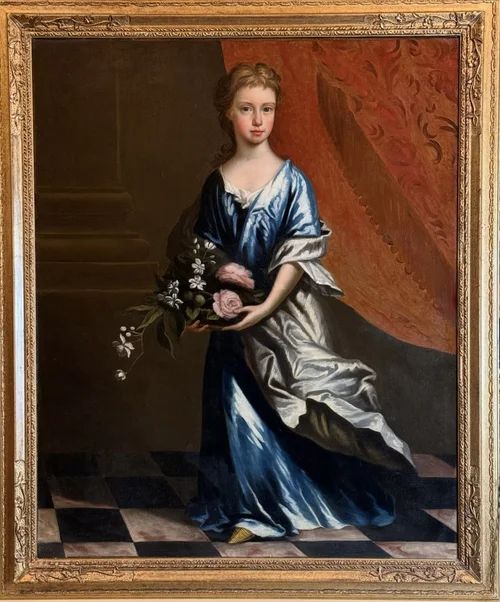
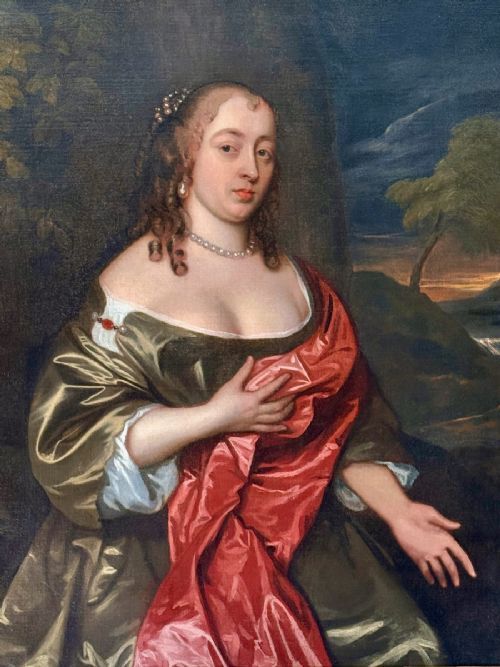
When buyers search for a baroque fine art painting, they encounter historical works focused on dramatic portraiture, religious scenes, and classical mythology. These canvases originate primarily from seventeenth-century and eighteenth-century European schools, including Dutch, French, Italian, and Spanish traditions.
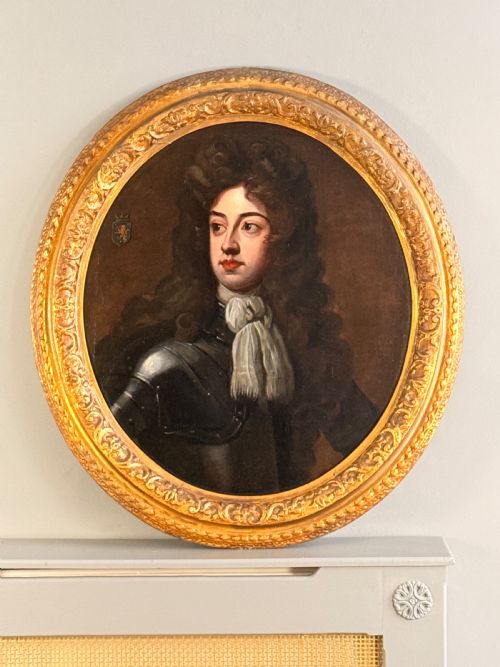
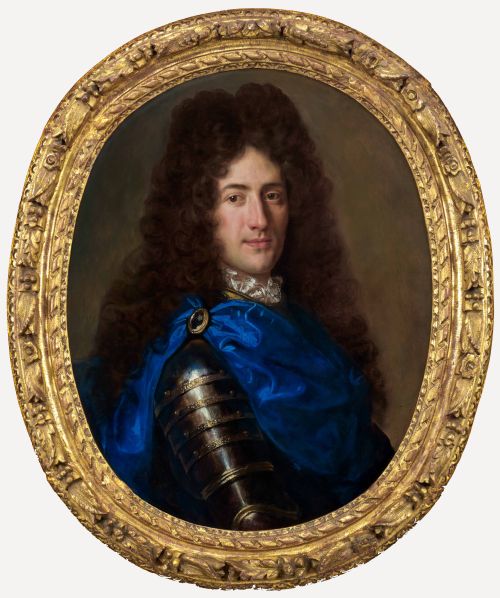
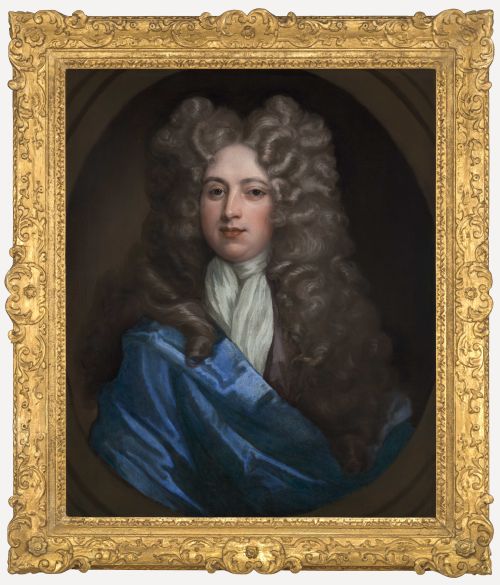
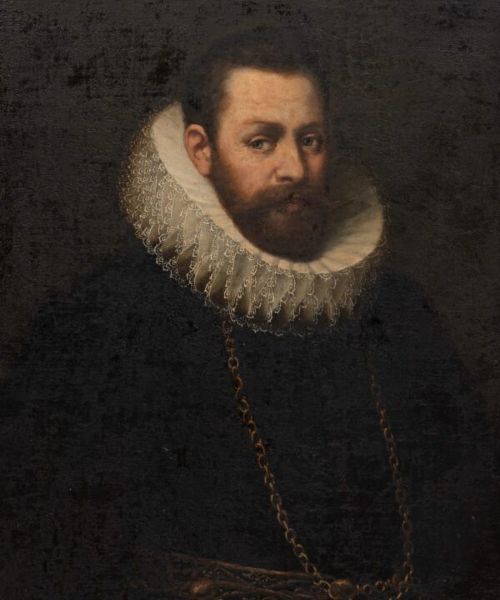
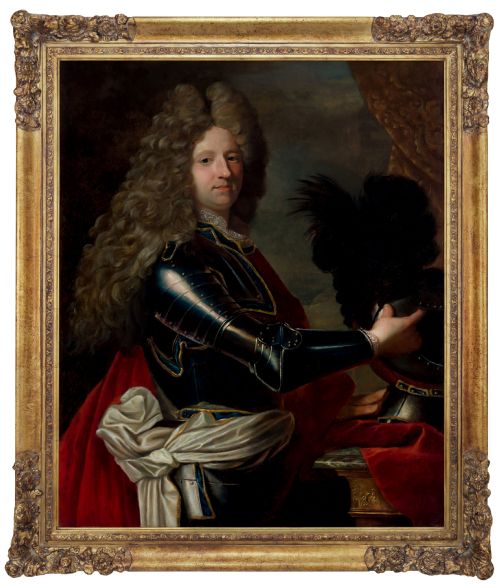
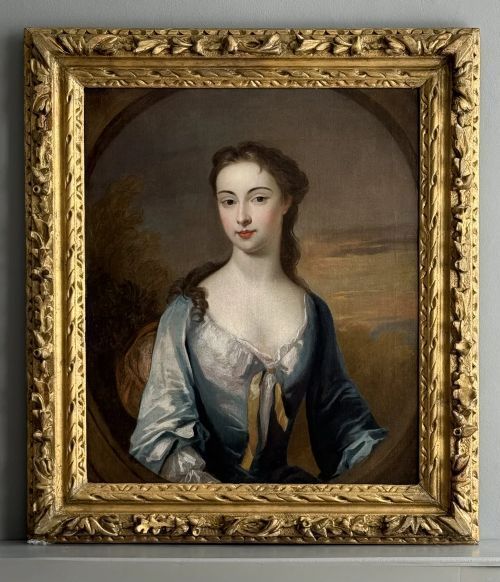
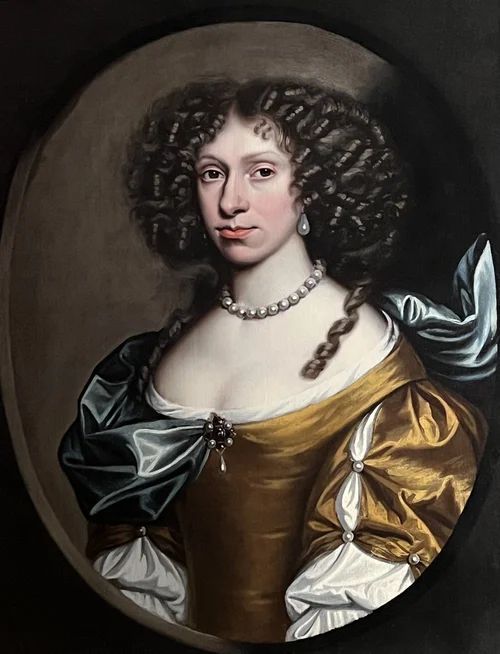
The selections available here lean heavily toward portrait paintings depicting nobility, military officers, and prominent gentlemen or ladies. Alongside these formal portraits, viewers find religious subjects such as the Transfiguration or depictions of saints set within substantial historical frames.
Originating from distinct workshops and continental schools, these pieces reflect the grandeur and theatricality associated with the period. The assortment ranges from works by known masters and their circles to school pieces from the seventeen-hundreds.
Materials and Techniques
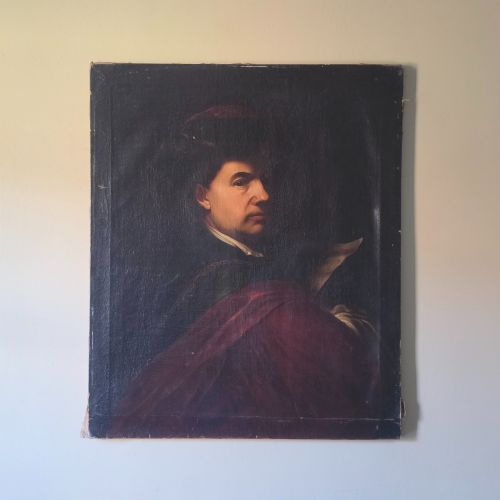
Makers applied oil paint directly onto stretched canvas or wooden panels, utilising rich pigments to build deep shadows and luminous highlights. This oil on canvas or panel technique allowed artists to blend tones smoothly and achieve realistic textures in fabrics like silk, velvet, and armour.
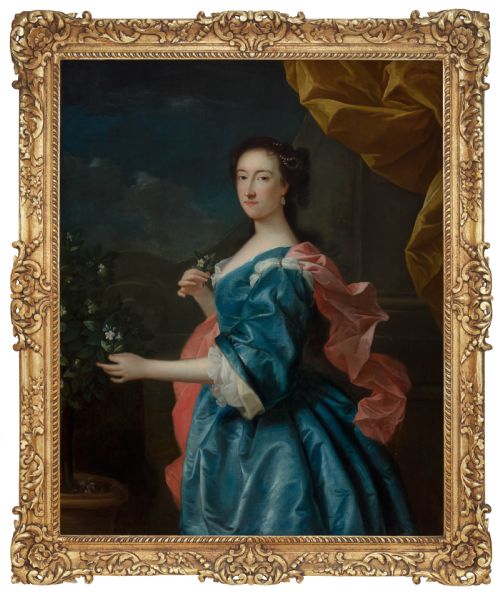
Many surviving works are housed within their original or period-appropriate carved giltwood frames, which provide structural support and ornamental weight. The combination of oil paint, prepared canvas, and gilded wood defines the physical construction of these historic artworks.
Baroque Fine Art Painting Retail Price Guide 2026
Typical asking prices for baroque fine art painting among the pieces listed under this phrase on Sellingantiques today, from the lower quarter to the upper quarter. They describe what is for sale here now, not the wider market.
Several seventeenth-century portrait sitters proudly pose alongside loyal horses, decorated armour, or carefully placed orange trees.
Distinctions in Quality
The distinction between ordinary workshop output and superior examples rests upon the expressive handling of the subject and the anatomical precision of the figures. Master painters captured light across a sitter's face or drapery with fluid confidence, whereas lesser hands produced rigid forms and flat surfaces.
Condition and originality play a significant part in the standing of a canvas, particularly regarding the preservation of the original paint layer and the integrity of the support. Surviving period frames executed in carved giltwood also elevate the overall cohesion and historical standing of the painting.
Charles Jervas·Hyacinthe Rigaud·Joseph Vivienne·John Greenhill·Robert Byng·Barent Gael·Matthieu Elias·Peter Lely·Constantyn Netscher·Pierre Mignard·Mary Beale·John Hayls·Jean Baptiste Van Loo·David Scougall·Anthony van Dyck·Jeremiah Davison·Benedetto Luti·Charles D Agar·Pietro Fachetti·John Closterman·Pieter Borseler·Guillaume Courtois
The Baroque Fine Art Painting Glossary
- Baroque
- A European artistic style originating around sixteen hundred, characterised by drama, deep shadow, and dynamic movement. It emphasises theatrical illumination and emotional intensity.
- Oil on Canvas
- A traditional painting medium where coloured pigments are suspended in drying oils and applied to a woven fabric support. This technique permits subtle blending and rich colour saturation.
- Giltwood
- Timber carved and coated with a thin layer of gold leaf or gold paint. It was extensively utilised for ornate picture frames during the seventeenth and eighteenth centuries.
- Old Master
- A term applied to European painters of skill working before eighteen hundred. It also describes a painting produced by such an artist.
- Provenance
- The documented history of ownership of an artwork from its creation to the present day. Verified lineage establishes authenticity and historical context.
Baroque Fine Art Painting: Frequently Asked Questions
What is a baroque fine art painting?
These are historical artworks created primarily during the seventeenth and eighteenth centuries, capturing dramatic lighting, rich textures, and theatrical compositions. They frequently depict aristocratic figures, classical narratives, or religious scenes.
The category encompasses both direct works by established continental masters and paintings produced within their immediate studios or regional schools.
Where were these paintings made?
The pieces originate from various European artistic centres, including France, Italy, Spain, and the Netherlands. Each region developed distinct stylistic traits within the broader baroque movement.
Anglo-Flemish and British schools are also well represented among the portraiture from this era.
How should I hang a canvas?
Historical oil paintings require stable environments away from direct sunlight, excessive heat sources, and high humidity. Proper wall anchoring is essential to support the weight of both the canvas and its substantial carved frame.
Positioning the work at eye level in a room with controlled climate conditions helps preserve the integrity of the oil paint and wood.
How do I identify the period?
Dating relies on stylistic clues within the clothing, hair styling, and armour depicted in portraits, alongside the physical construction of the canvas and stretcher. Costumes often reflect the exact fashion trends of decades such as sixteen ninety or seventeen fifty.
Attributions are further supported by biographical records of the sitters and the working dates of the artists or studio circles.