


Baroque Figure Sculpture
These pieces of baroque figure sculpture bring the drama, movement and deep devotion of past centuries straight into a room.
Baroque Figure Sculpture
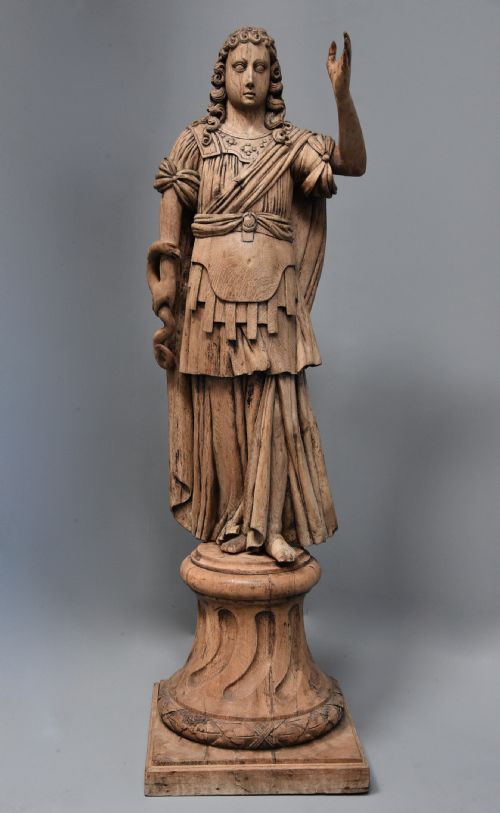
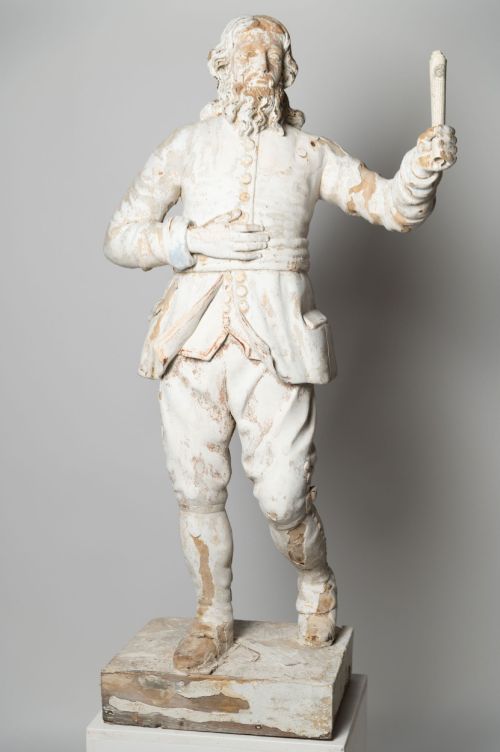
When you search for baroque figure sculpture, you encounter carved representations of saints, cherubs, noblemen and classical deities created primarily across the seventeenth and eighteenth centuries. These works span continental European traditions, including Spanish, Italian, German and Flemish pieces designed for both ecclesiastical devotion and private display.
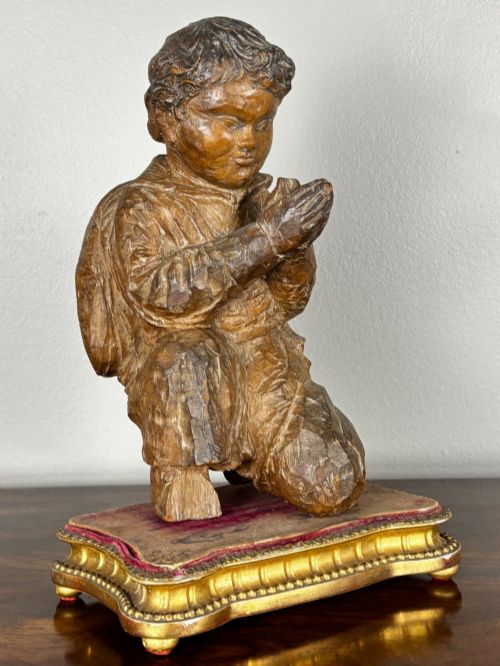
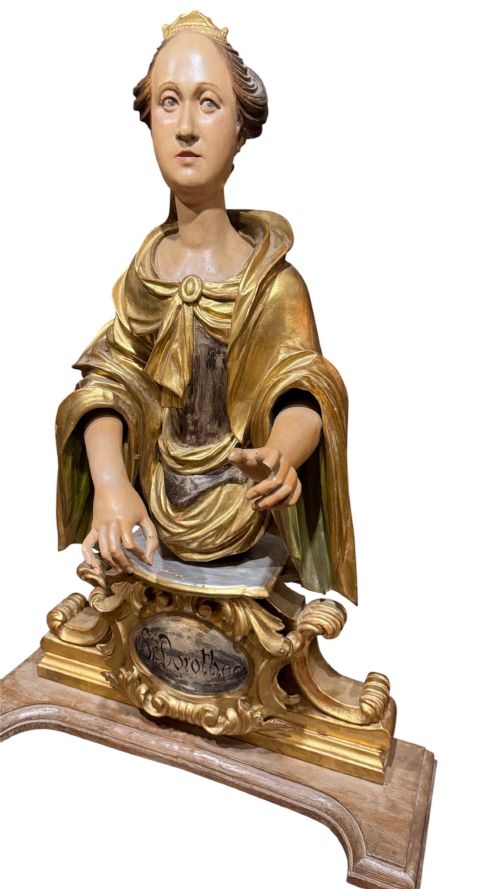
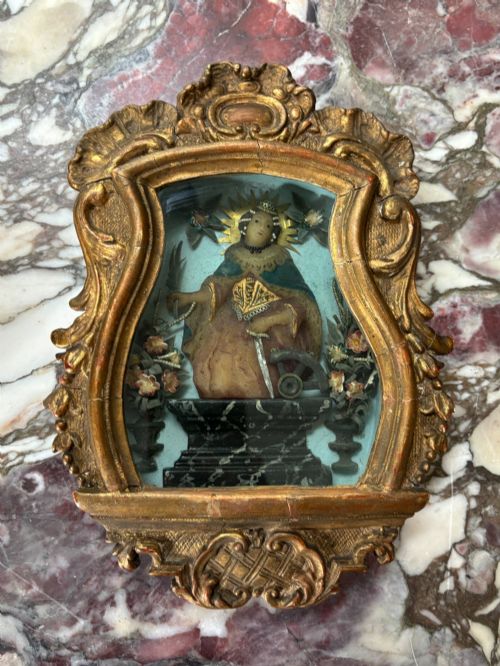
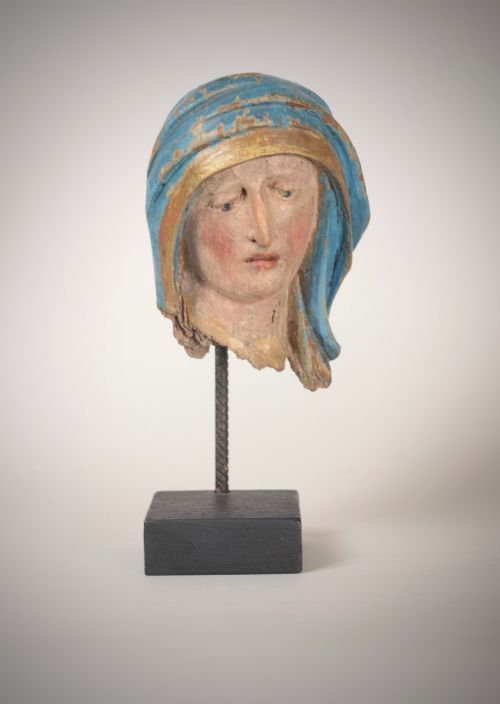
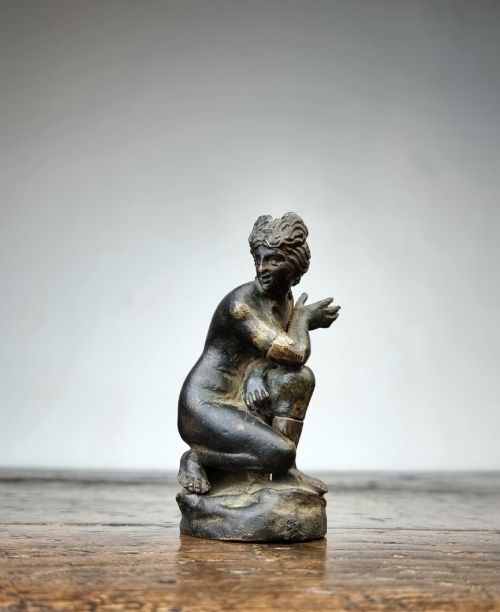
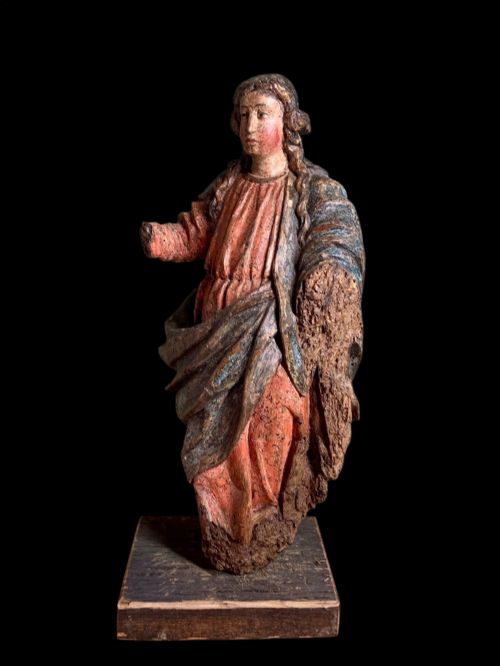
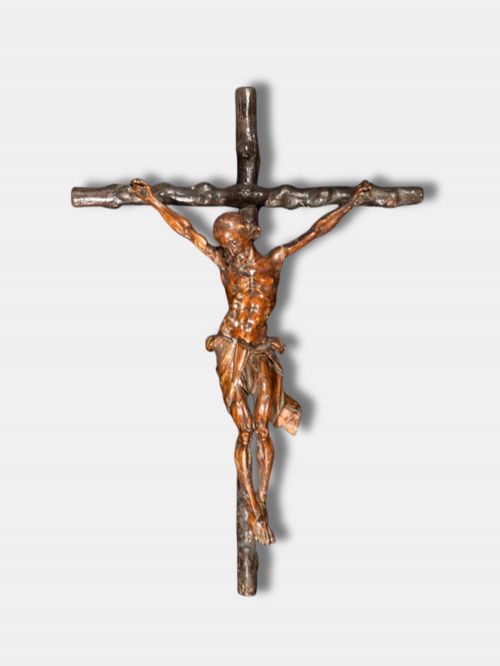
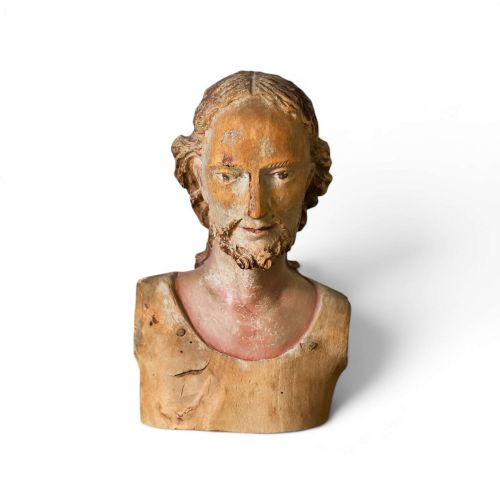
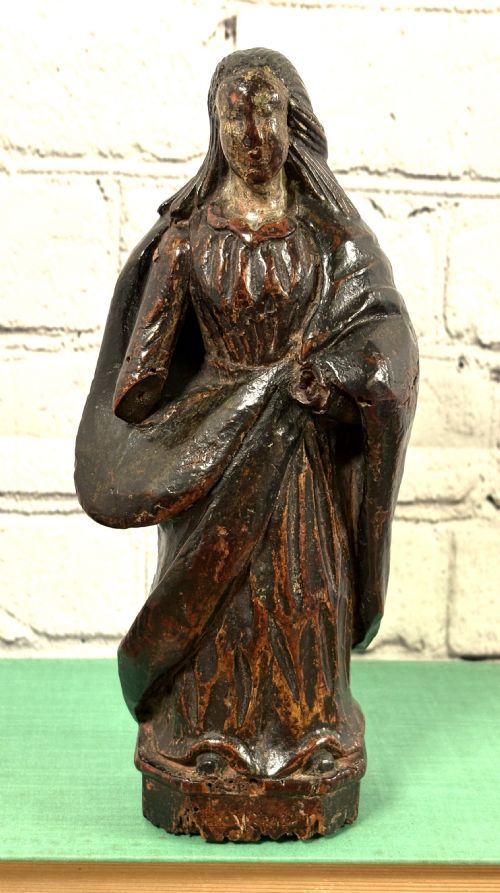
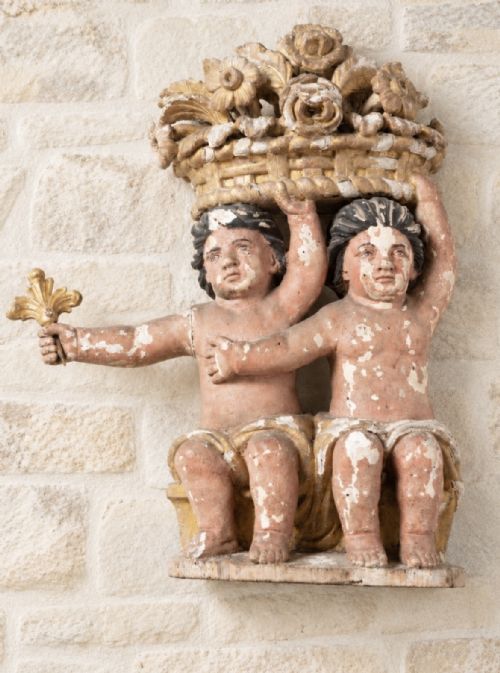
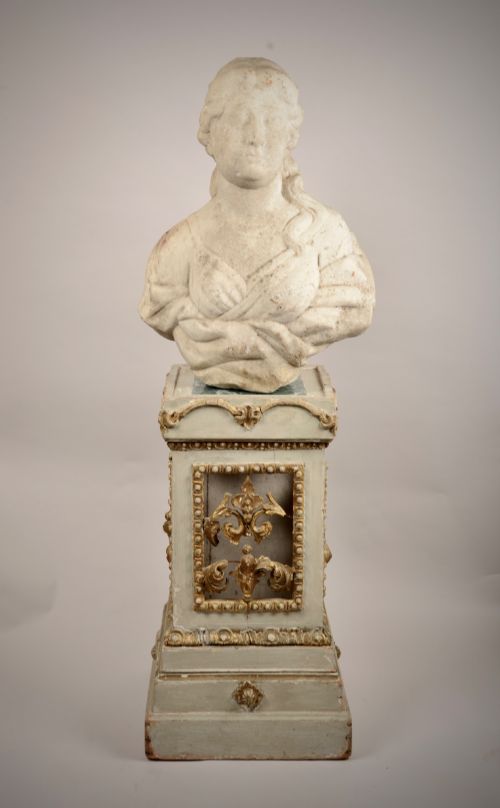
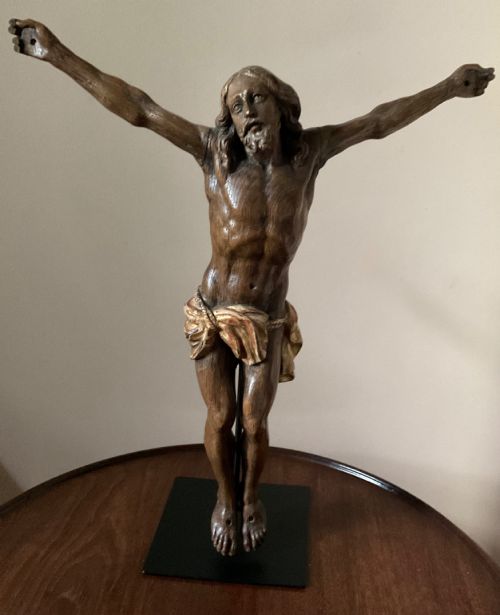
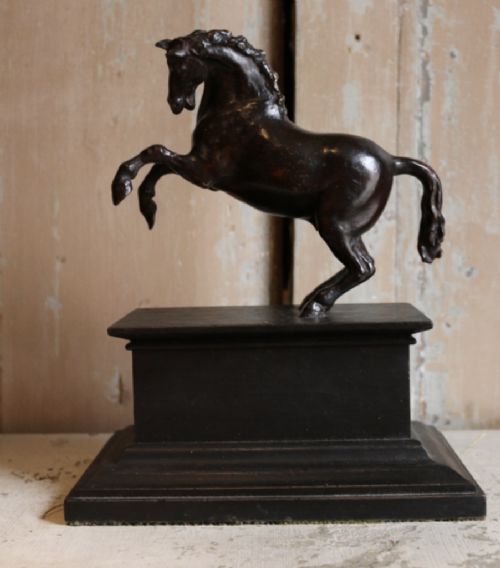
The most common forms on this page are carved wooden figures of saints, putti, and religious icons, often finished with polychrome paint, gesso, or gold leaf. Alongside these ecclesiastical works appear bronze statuettes and marble busts rooted in the same theatrical, dynamic aesthetic.
How they were made
Carvers shaped these forms from dense timbers such as oak, limewood, applewood, boxwood and olive wood, frequently applying a layer of gesso before adding polychrome paint or gold leaf. This combination of carved wood and surface pigment allowed makers to achieve lifelike skin tones and richly decorated garments.
Bronze and white metal pieces relied on metal casting techniques, sometimes incorporating gilding to enhance theatrical light reflection. Sculptors also employed ivory for intricate detail work, pairing it with darker woods to create high-contrast compositions.
Baroque Figure Sculpture Retail Price Guide 2026
Typical asking prices for baroque figure sculpture among the pieces listed under this phrase on Sellingantiques today, from the lower quarter to the upper quarter. They describe what is for sale here now, not the wider market.
Listings feature works spanning the seventeenth, eighteenth, and nineteenth centuries, executed in carved wood, bronze, marble, and ivory.
What varies in quality
Survival of original surface finishes significantly alters the character of a piece. Original polychrome paint and genuine gold leaf retain a depth and harmony that heavy overpainting or later restoration tends to obscure.
Simon Troger
The Baroque Figure Sculpture Glossary
- Polychrome
- Painted in several colours. This term describes wooden sculptures finished with pigments to imitate life.
- Giltwood
- Wood covered with gold leaf or thin gold paint. It provided a radiant finish suited to dim church interiors.
- Putto
- A figure of a small child, often winged. These frequently appear as attendants in religious and secular compositions.
- Corpus Christi
- The body of Jesus depicted on a cross. These wooden or bronze figures focus attention on the crucifixion.
- Caryatid
- A sculpted female figure serving as an architectural support. They appear in carved woodwork supporting cornices or mantelpieces.
Baroque Figure Sculpture: Frequently Asked Questions
What is baroque figure sculpture?
These works are carved, cast, or modelled representations of human figures from the seventeenth and eighteenth centuries that emphasise movement, emotion, and theatrical presence. They range from large altarpiece saints to small bronze statuettes and devotional icons.
Most examples originate from European workshops and combine organic materials like wood, ivory, and marble with painted or gilded surfaces.
How were these sculptures used?
Many of these pieces served a devotional purpose in churches, private chapels, or home shrines, aiding prayer and contemplation. Others were created as decorative elements for wealthy interiors, cabinets of curiosity, or architectural displays.
Religious figures often depicted patron saints or scenes from the passion, while classical subjects brought mythology into domestic spaces.
How do I live with them?
Placing these sculptures in a stable environment away from direct sunlight and strong heat sources protects delicate wood, gesso, and paint layers. They command attention on console tables, brackets, or within dedicated display spaces where lighting can catch their carved contours.
Allowing sufficient surrounding space helps reveal the dynamic angles and intricate drapery characteristic of the period.
How do I tell periods apart?
Seventeenth-century pieces often lean towards heavy, dramatic folds and intense expressions, while eighteenth-century works can display greater lightness, rococo fluidity, or delicate polychromy. Materials also offer clues, as limewood and boxwood permitted finer detail in earlier continental workshops.
Examining the tool marks on the reverse and the ageing of the underlying gesso helps establish the likely era of manufacture.