



Baroque Carved Walnut Table
A baroque carved walnut table brings centuries of continental craftsmanship into a room, combining heavy timber with spirited carving.
Baroque Carved Walnut Table
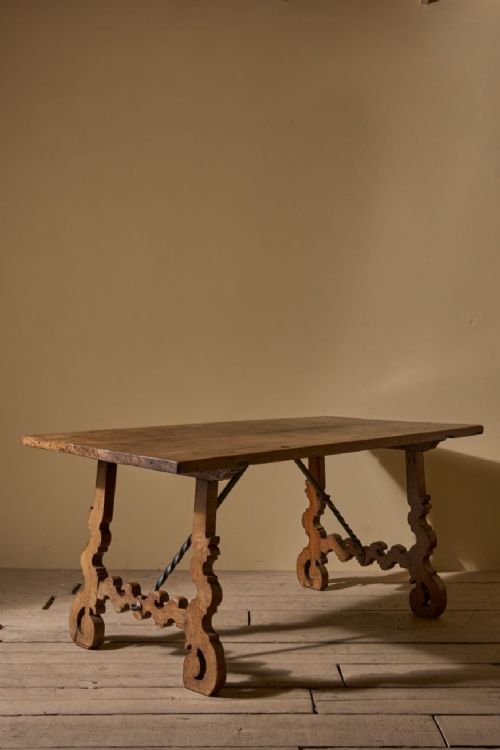
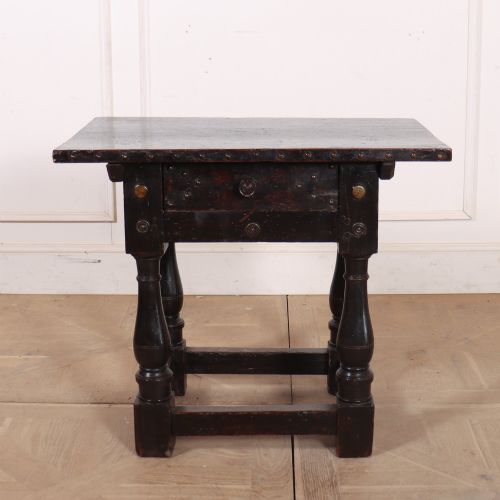
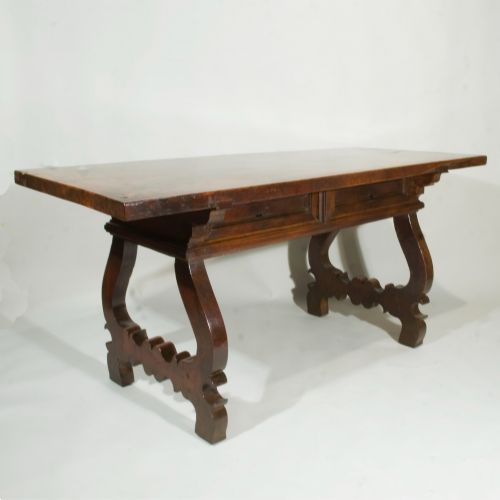
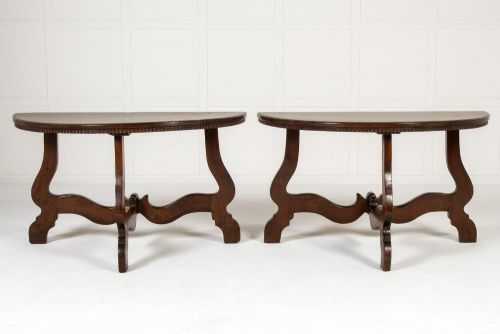
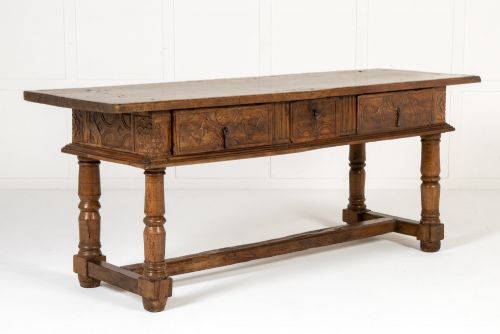
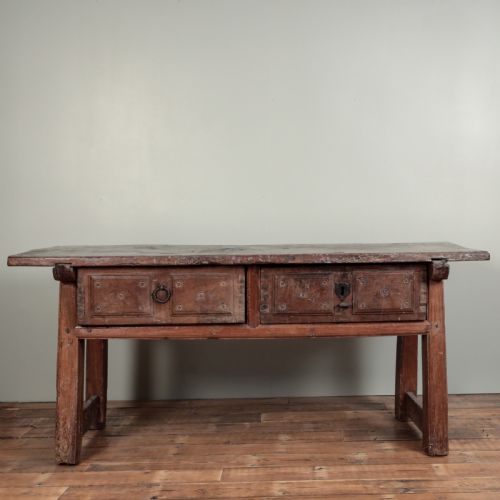
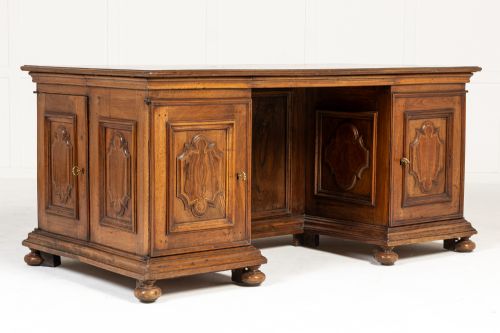
When searching for a baroque carved walnut table, buyers encounter heavy wooden furniture originating primarily from Spain and Italy across the seventeenth and eighteenth centuries, alongside later nineteenth and twentieth-century revivals. The forms span dining tables, console tables, side tables, desks, and centre tables, often utilising walnut alongside iron, brass, marble, and fruitwood.
Italian and Spanish examples dominate the selection, ranging from austere seventeenth-century trestle designs to ornate eighteenth-century console tables featuring marble tops or figural carvings. Later revival pieces from the nineteenth and twentieth centuries replicate these continental styles using solid walnut and traditional construction methods.
How they were made
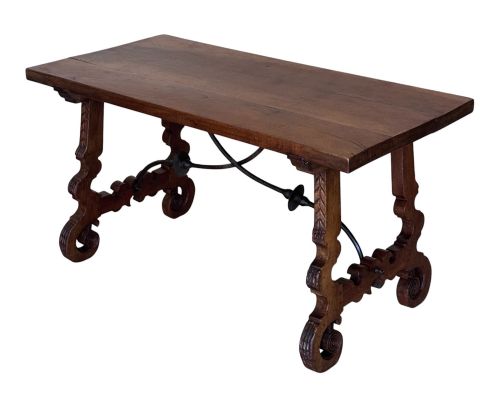
The pieces rely primarily on solid walnut, frequently paired with secondary timbers like fruitwood or oak, and secured with wrought iron or brass stretchers and hardware. Surfaces display hand-carved ornamentation, parquetry, and patinated finishes developed over centuries of use.
Construction techniques follow regional traditions, utilising pegged joints, trestle structures, and heavy pedestal bases. Marble inserts appear on select Italian centre and console tables, whilst some examples incorporate ironwork for structural reinforcement.
Several tables manage to look simultaneously stern enough for a Spanish monastery and flamboyant enough for an Italian palazzo.
What varies in quality
Quality rests in the depth and crispness of the hand-carved detail, the integration of original hardware, and the preservation of authentic surface patina. Tables retaining their early timber surfaces and structural integrity command greater attention than heavily restored equivalents.
The choice of materials also dictates standing, with dense European walnut and genuine antique marble tops elevating a piece above simpler revival iterations constructed from mixed woods.
Angiolo Barbetti Firenze
The Baroque Carved Walnut Table Glossary
- Walnut
- A dense, dark hardwood prized for its rich grain and suitability for intricate carving. It forms the primary structural and decorative material for these continental tables.
- Console table
- A table designed to stand against a wall, frequently supported by ornate brackets or legs. These pieces often feature marble tops or elaborate figural carvings.
- Parquetry
- A geometric mosaic of wood pieces used for decorative surface inlay. This technique appears on tabletops and side surfaces to create patterned designs.
- Brasero
- A traditional heating vessel or brazier often mounted within a decorative stand. Examples in walnut and metal serve as distinctive continental accessories.
- Trestle table
- A table comprising two or more supports connected by a horizontal beam or stretcher. This sturdy form underpins many early Spanish dining designs.
Baroque Carved Walnut Table: Frequently Asked Questions
Where were these tables made?
The pieces originate predominantly from workshops in Italy and Spain, reflecting regional preferences for robust walnut construction and dramatic carving styles.
Later revival pieces produced in the nineteenth and twentieth centuries continue these continental aesthetic traditions.
How do I care for a walnut table?
Maintain the timber by keeping the surface away from direct heat sources and moisture to protect the historic finish and patina.
Apply occasional beeswax and buff gently with a soft cloth to nourish the wood grain without creating artificial gloss.
What is the difference between console and centre tables?
Console tables feature flat backs designed to sit flush against a wall, frequently anchored by decorative brackets or legs.
Centre tables are finished on all sides to stand freely in the middle of a room, often featuring detailed pedestals or round marble tops.
Are these tables suitable for daily dining?
Many sturdy seventeenth and eighteenth-century examples provide robust surfaces capable of accommodating regular use in a dining room.
Consider protecting older timber surfaces with appropriate linen or felt runners when serving food.