




17th Century Walnut Table
These pieces give any room a grounded authority, bringing the deep grain and rich colour of a 17th century walnut table into daily use.
17th Century Walnut Table
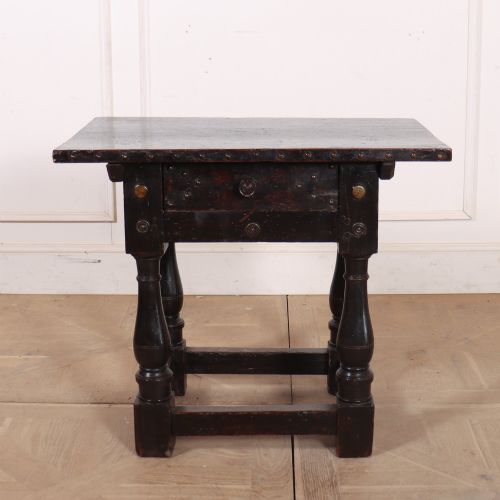
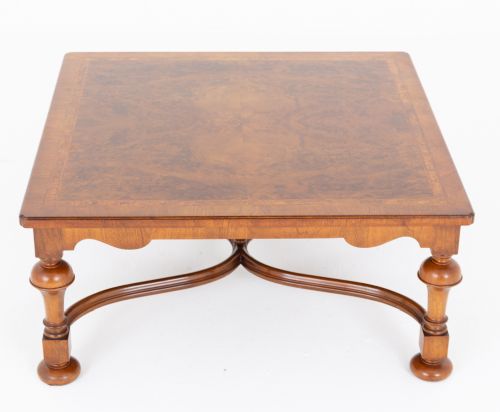
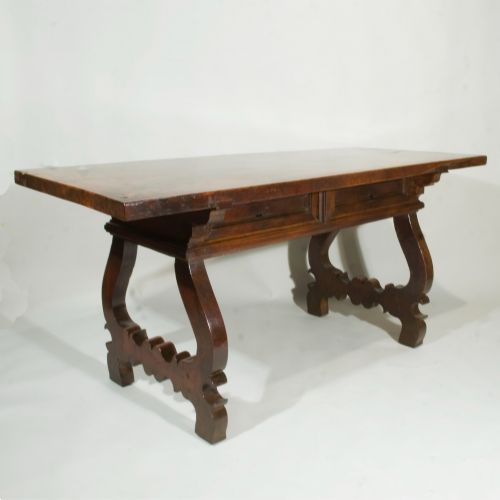
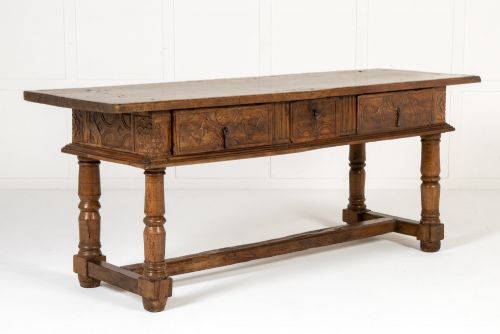
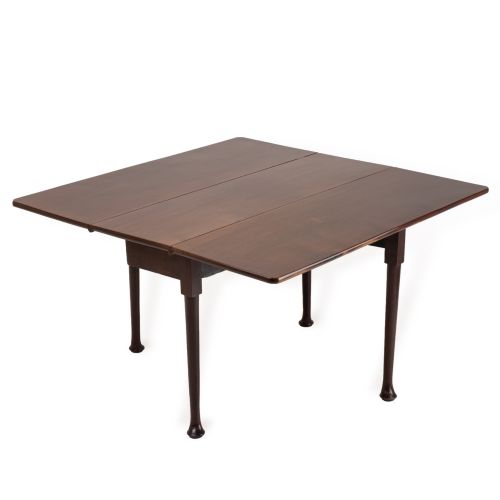
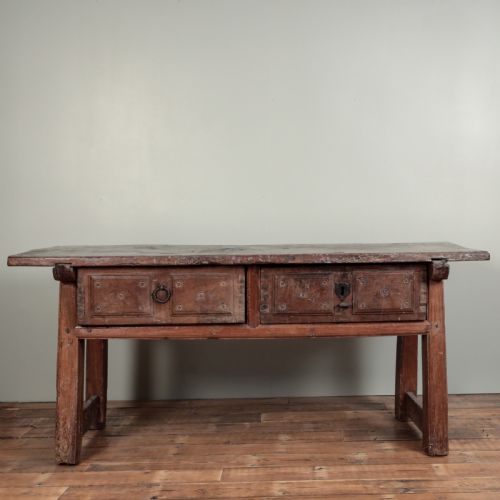
A 17th century walnut table encompasses heavy Spanish refectory boards, Dutch and Italian side tables, and English gateleg formats built for domestic life. Walnut serves as the primary timber, often supported by fruitwood, oak, or iron elements.
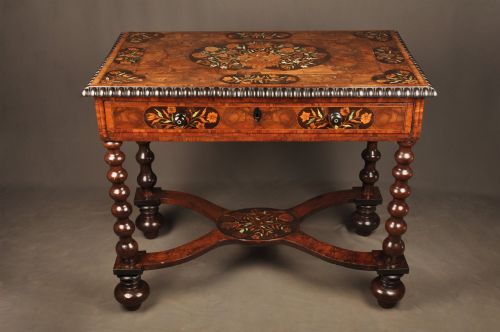
Spanish and Italian examples dominate the earlier periods with solid tops and substantial stretchers, while later William and Mary pieces introduce marquetry, parquetry, and drop-leaf designs. Buyers regularly encounter both authentic period survivals and later revival interpretations spanning into the twentieth century.
The form stretches beyond simple dining formats to include console tables, centre tables, and side tables designed for halls and parlours. Each variant shows the adaptability of walnut during the Baroque era across different European workshops.
How they were made
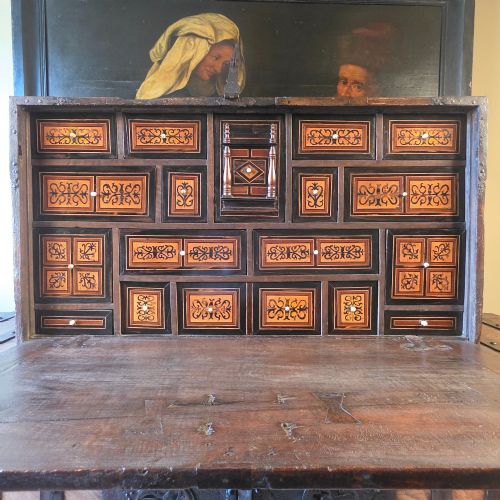
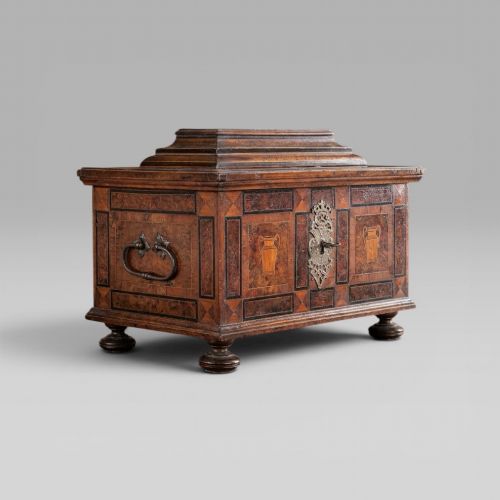
Cabinetmakers constructed these tables using solid walnut boards alongside intricate veneers, oyster veneers, and geometric marquetry patterns inlaid into secondary timbers such as oak or fruitwood. Joinery relied on pegged mortise and tenon frames, while turned supports utilised barley twist and classical columnar shapes.
Surface preparation involved hand-planing and finishing with natural oils and waxes that built up deep patinas over centuries of handling. Metal fittings such as brass hinges, iron stretchers, and boxwood stringing provided structural reinforcement and decorative contrast.
Listings feature periods spanning from the seventeenth century through to nineteenth-century revivals, utilising solid walnut, burr walnut, fruitwood, and iron.
What varies in quality
The distinction between ordinary and exceptional pieces rests upon the integrity of the timber, the ambition of the parquetry or marquetry layout, and the rhythm of the turned elements. Solid walnut tops with undisturbed grain patterns and original patination command greater regard than heavily restored surfaces.
Proportion and structural honesty dictate the success of the design, where original stretchers and unclipped feet maintain the intended silhouette. The precision of inlay work and the harmony between primary walnut veneers and secondary woods reveal the competence of the original maker.
Mappin & Webb
The 17th Century Walnut Table Glossary
- Marquetry
- Decorative veneer work arranged in pictorial or geometric patterns using various coloured woods. It covers the flat surfaces of tabletops and cabinet doors.
- Gateleg table
- A table with hinged drop leaves supported by swing-out legs that resemble a swinging gate. This design allowed furniture to fold against walls when not in use.
- Barley twist
- A turned wooden column carved in a spiral resembling a twisted rope. It appeared widely on legs and stretchers during the seventeenth century.
- Oyster veneering
- Cutting small branches or shoots across the grain to produce circular or oval motifs resembling oyster shells. Cabinetmakers arranged these closely across table surfaces during the late seventeenth century.
- Parquetry
- Geometric mosaic woodwork forming repeating patterns like cubes or herringbone. It provides durable and decorative surfaces on tabletops.
17th Century Walnut Table: Frequently Asked Questions
How do I spot a true 17th century walnut table?
Examine the underside and the joints for hand-cut pegged construction, iron or wooden fixings, and timber shrinkage consistent with age. Genuine examples show deep patination and tool marks from hand planes rather than modern machinery.
Compare the secondary woods used in the frame, such as oak or fruitwood, which align with regional workshop practices of the period. Revival pieces from later centuries often reveal machine-cut marks and uniform coloration.
Were these tables used for dining?
Many larger Spanish and English gateleg or refectory formats served primarily for dining and communal gatherings in great houses. Smaller console and side tables were placed against walls for display or serving.
Their sturdy construction accommodated heavy daily use, while drop-leaf mechanisms allowed households to adjust table sizes according to the occasion.
How do I care for a walnut table?
Maintain a stable indoor humidity and keep the timber away from direct heat sources and harsh sunlight to prevent the walnut veneers from drying and lifting. Apply traditional beeswax occasionally to nourish the grain and preserve the surface sheen.
Avoid using modern chemical sprays or excessive moisture, wiping spills immediately with a dry cloth to protect the historic polish and underlying wood.
What is the difference between Spanish and English tables?
Spanish tables from this era typically feature thick solid walnut tops, bold trestle or iron-braced stretcher bases, and restrained carving suited to monastic or formal interiors. They emphasise robust construction and rich, dark patinas.
English variants, particularly under William and Mary influence, favour lighter gateleg frames, intricate marquetry, and turned barley-twist legs. These tables reflect the developing sophistication of domestic joinery and veneering techniques.