

Baroque Canvas Painting
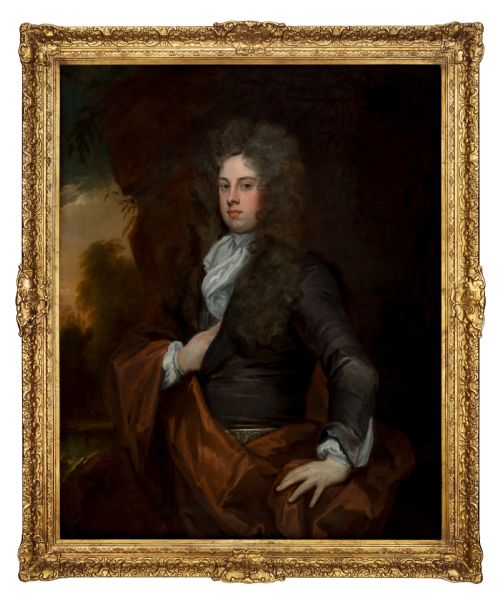
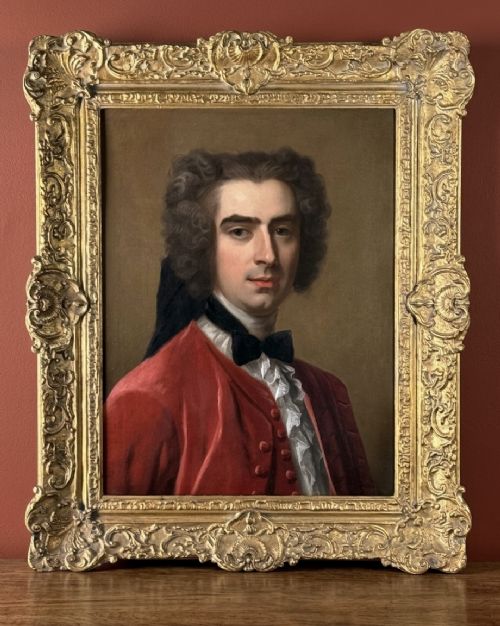
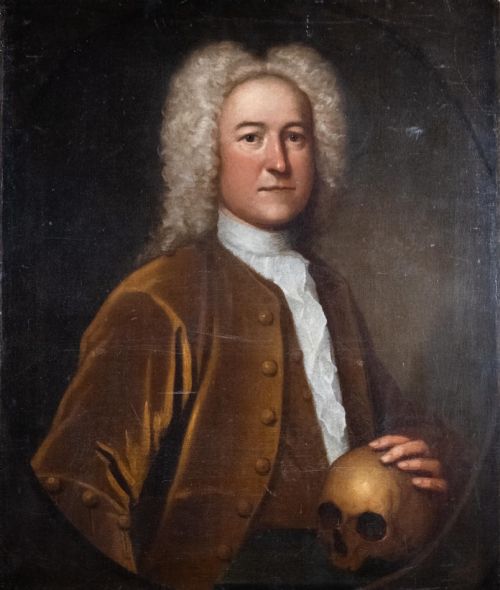
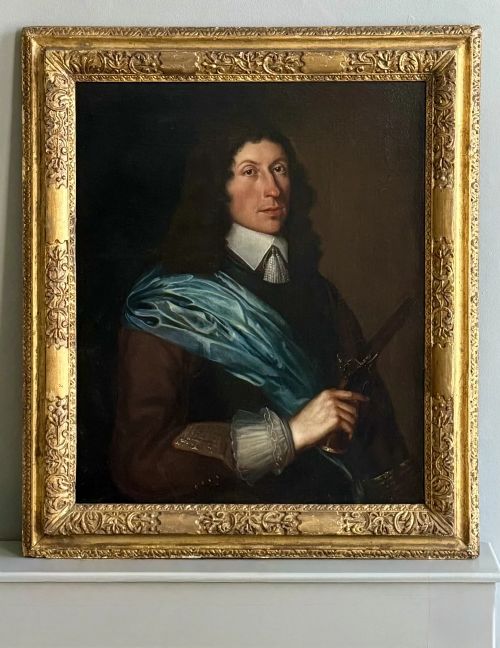
A baroque canvas painting brings intense drama, deep shadow and rich portraiture directly into a room from the seventeenth and eighteenth centuries.
Baroque Canvas Painting
When you search for a baroque canvas painting, you encounter grand oil portraits and dramatic religious or mythological scenes created during the seventeenth and eighteenth centuries. These works originate from British, Dutch, French, Flemish and Italian schools, reflecting the ornate aesthetic of the period.
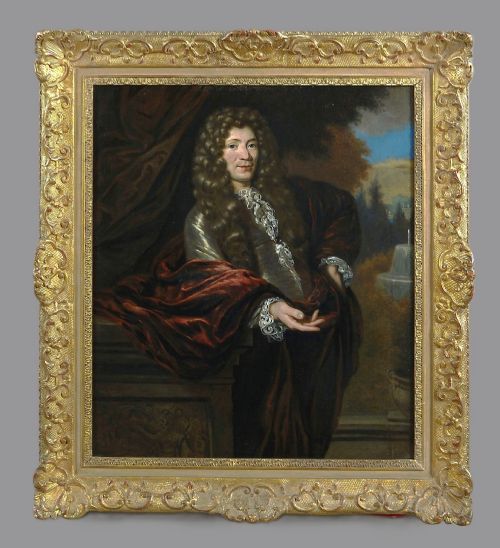
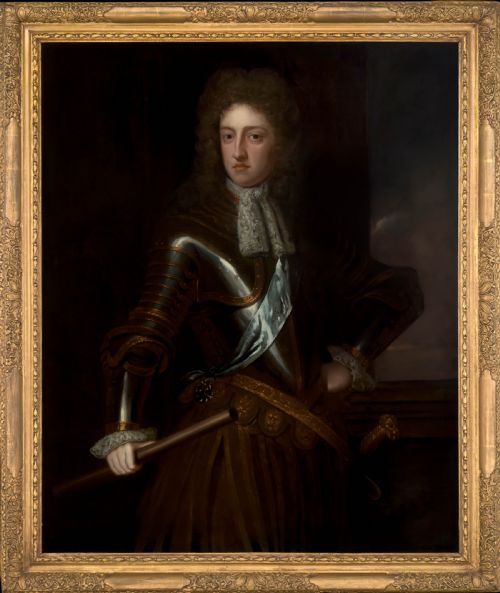
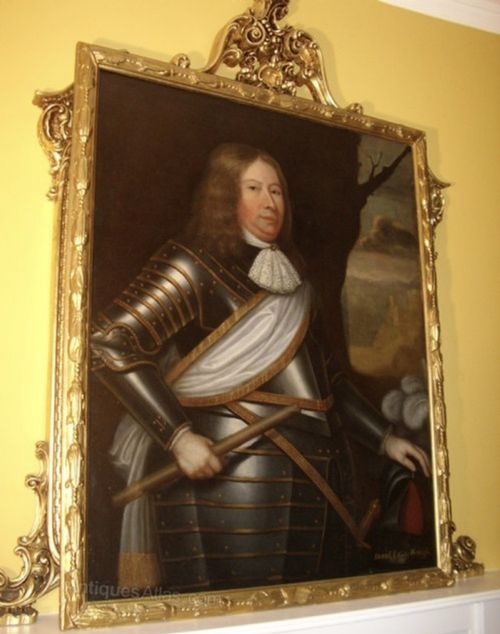
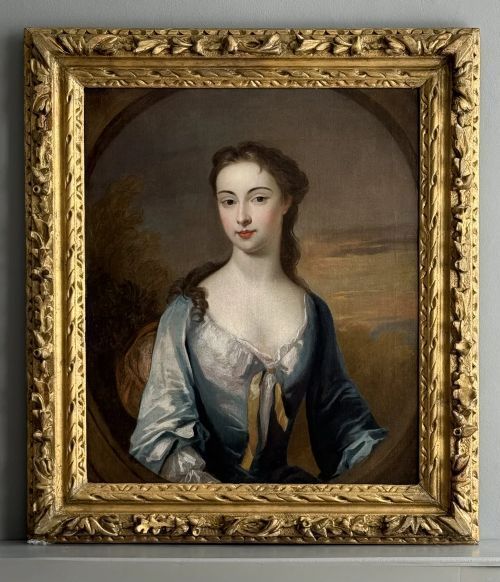
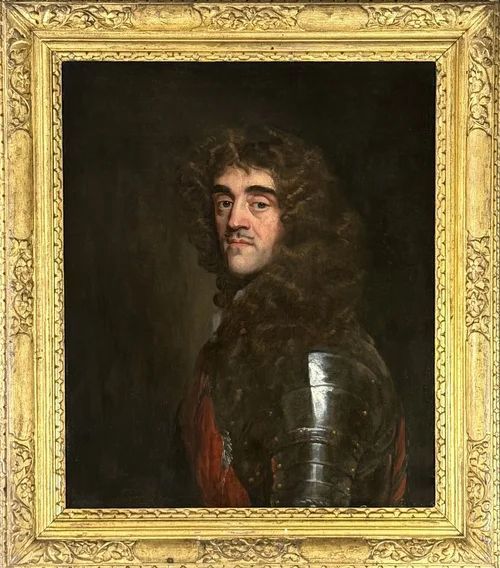
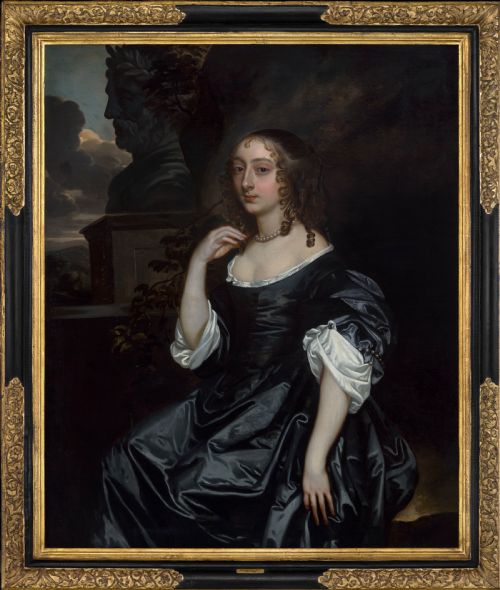
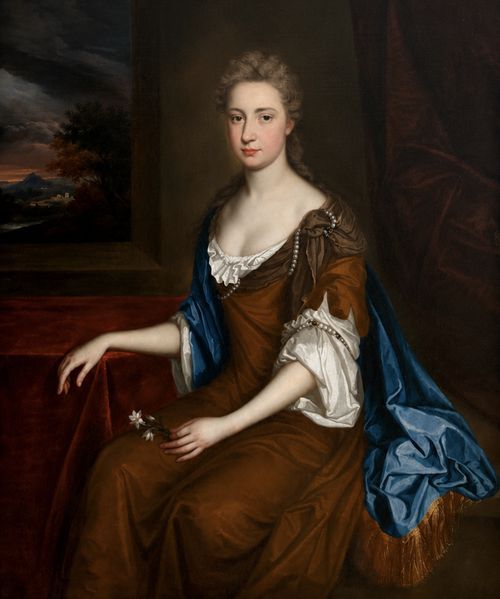
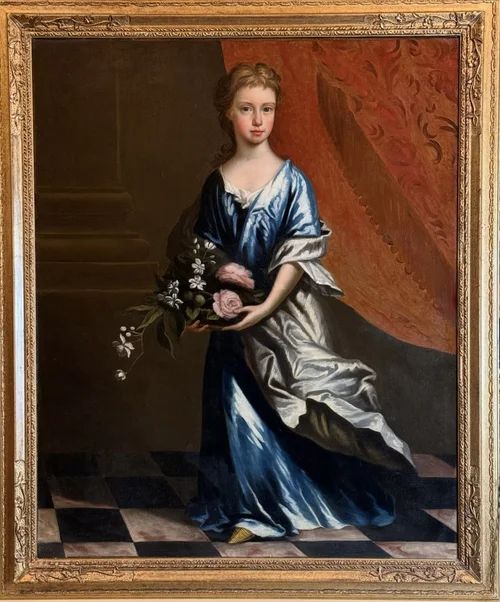
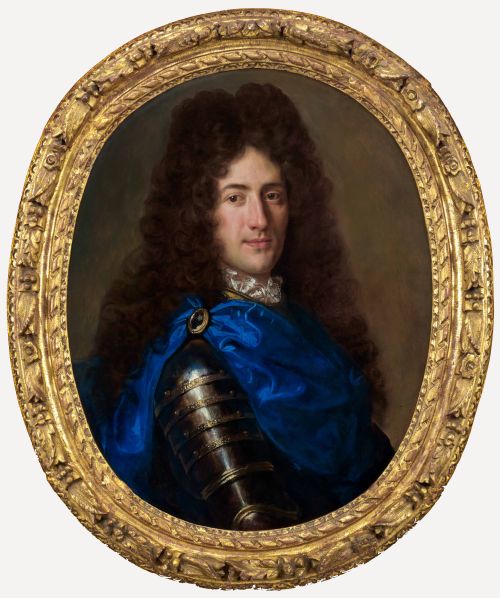
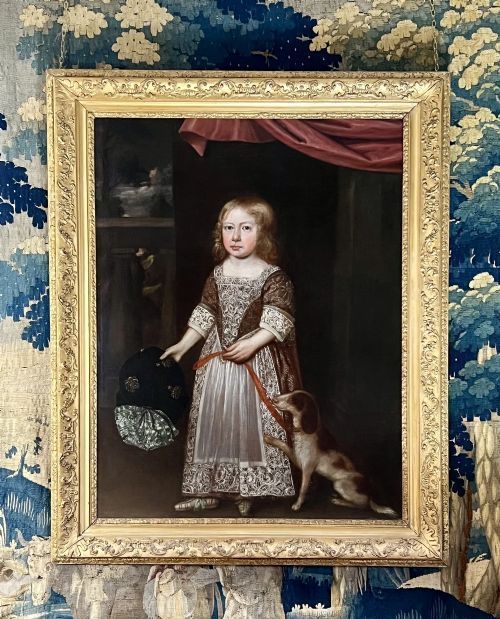
Most examples found here take the form of substantial oil paintings on canvas, often depicting nobility, gentlemen in armour, ladies in elaborate dress or classical subjects. Portraiture dominates the selection, frequently framed in heavy giltwood.
Pieces range from original seventeenth-century compositions by studio assistants and regional masters to later interpretations created across the subsequent centuries.
How they were made
These works utilise oil paint applied to woven canvas supports, often stretched over wooden frames and secured with traditional methods. Pigments were blended to achieve the deep chiaroscuro contrasts characteristic of the period.
Many surviving canvases retain their original or period frames constructed from carved giltwood, wood and gold leaf, completing the presentation of the artwork.
Baroque Canvas Painting Retail Price Guide 2026
Typical asking prices for baroque canvas painting among the pieces listed under this phrase on Sellingantiques today, from the lower quarter to the upper quarter. They describe what is for sale here now, not the wider market.
Listings feature oil on canvas works spanning from the seventeenth century through to the twentieth century, including nineteenth-century and 1930s interpretations.
What varies in quality
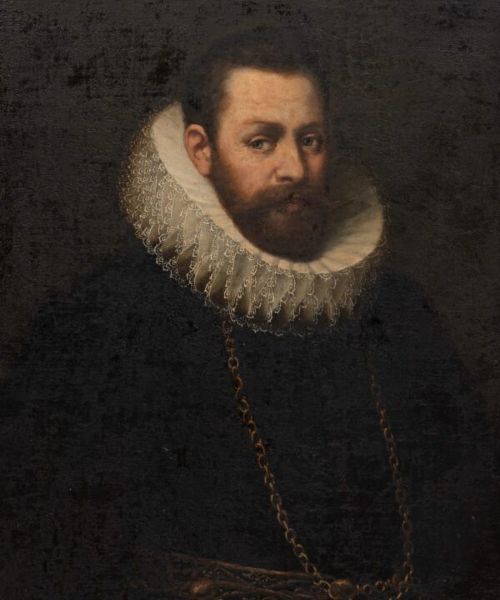
The standard of execution varies between works produced by a master artist's own hand, pieces created by workshop studios, and later copies. Hand-painted detail in facial expressions, textiles such as ruff collars, and drapery distinguishes the more accomplished outputs.
Condition plays a major role, encompassing the integrity of the canvas, the stability of the oil paint layers, and the preservation of any accompanying giltwood framing.
Sir Godfrey Kneller·Sir Peter Lely·Charles Jervas·Mary Beale
The Baroque Canvas Painting Glossary
- Baroque
- A European style spanning the seventeenth and mid-eighteenth centuries noted for theatricality, deep shadow, and rich ornamentation. It defined the visual arts of the era.
- Chiaroscuro
- An artistic technique employing strong contrasts between light and dark to give subjects a three-dimensional volume. It remains a hallmark of seventeenth-century painting.
- Giltwood
- Wood that has been treated with a thin layer of gold leaf or gold paint. It frequently forms the ornate frames housing antique canvases.
- Provenance
- The documented history of ownership of an artwork. It establishes authenticity and traces the journey of a painting through time.
- Studio of
- A designation indicating an artwork was produced in the workshop of a master, often under their direct supervision or following their established compositions.
Baroque Canvas Painting: Frequently Asked Questions
Where should I hang a large portrait?
Large seventeenth-century portraits demand a wall with adequate load-bearing support and enough distance to view the canvas properly. They suit reception rooms or high-ceilinged hallways where the heavy gilt frames can command the space.
Keep them away from direct sunlight and strong heat sources to protect the aged oil paint and canvas from drying out or warping.
What is a studio piece?
A studio piece is a work created by assistants or pupils working within a master artist's workshop. These paintings often replicated successful portraits or followed the compositional style of the primary artist.
Such works offer an authentic period connection to renowned painters while remaining distinct from pieces painted entirely by the master's own hand.
How can I tell the age of the canvas?
The age of a canvas is judged by examining the weave of the fabric, the composition of the stretcher frame, and the ageing patterns of the oil paint known as craquelure. Older flax and hemp canvases show hand-woven irregularities absent in modern machine-made supports.
Backings, old stamps, and historical labels also provide crucial physical evidence regarding the date of the work.