

Baroque Art Painting
When choosing a baroque art painting, buyers look for rich oil works on canvas spanning the seventeenth and eighteenth centuries.
Baroque Art Painting
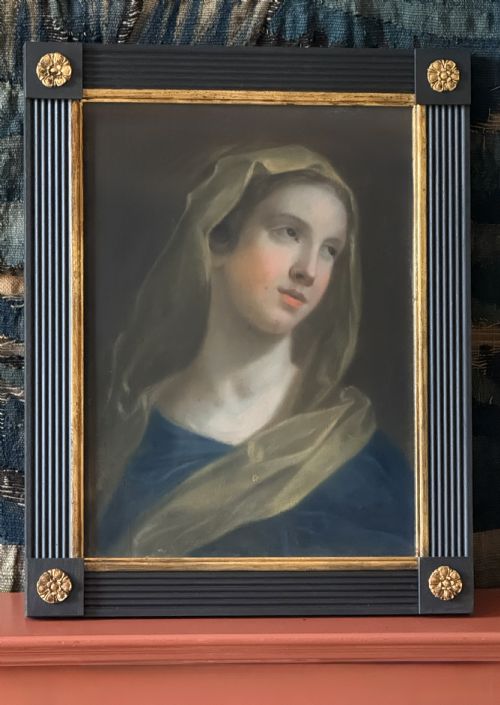
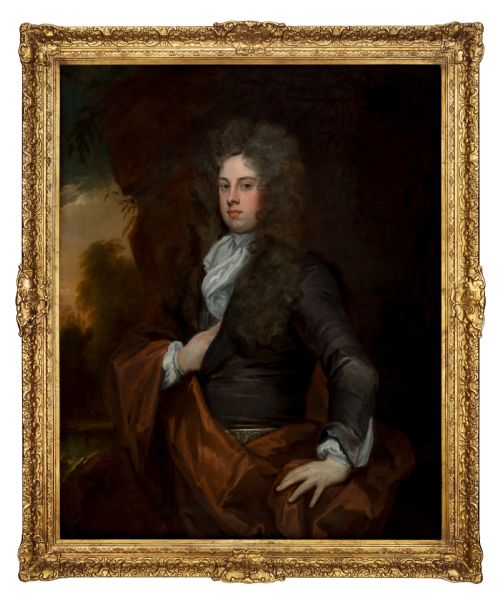
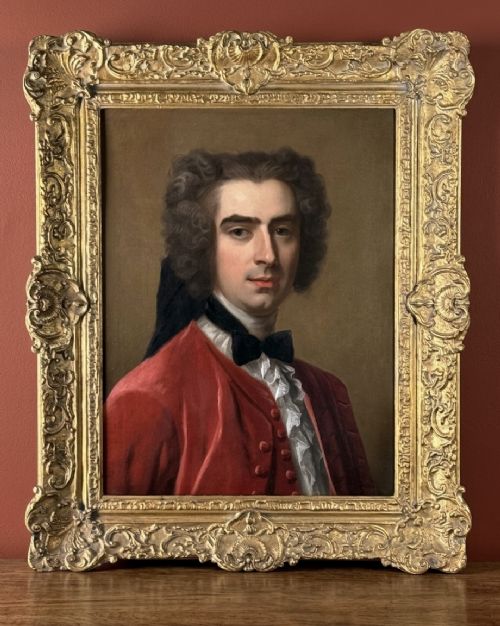
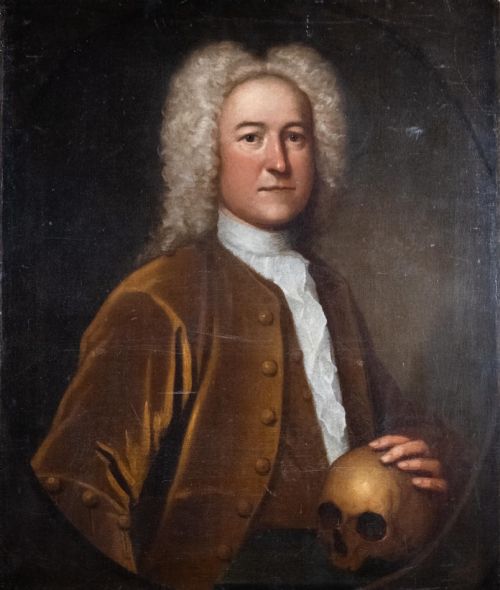
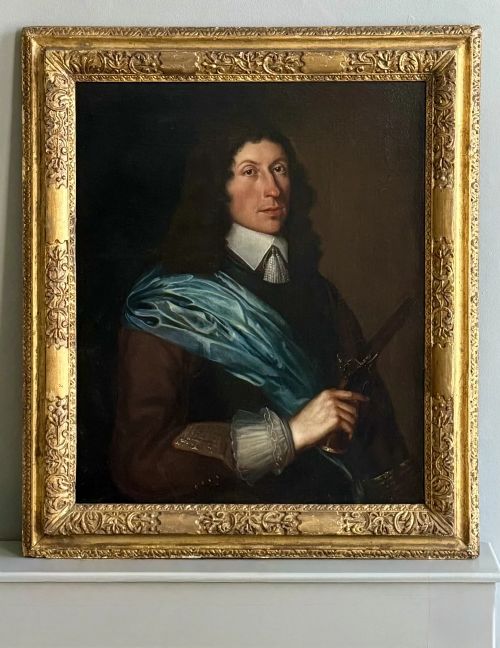
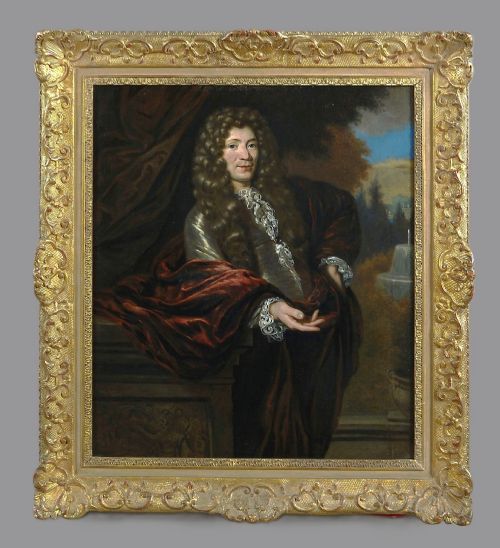
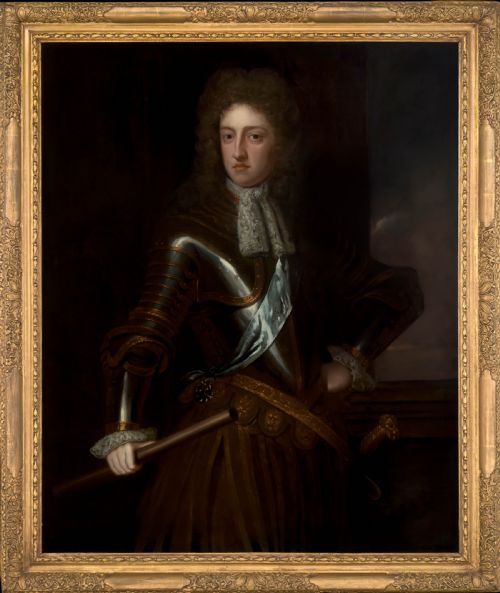
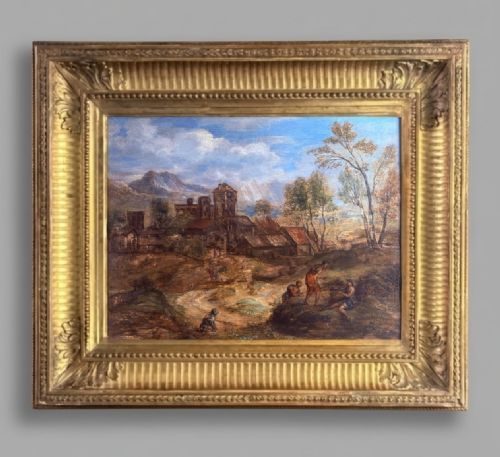
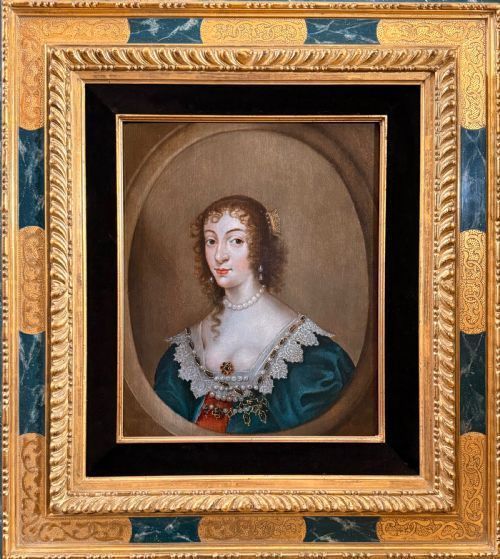
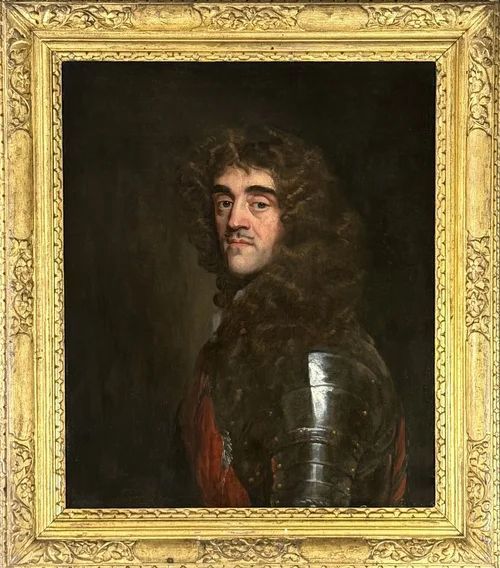
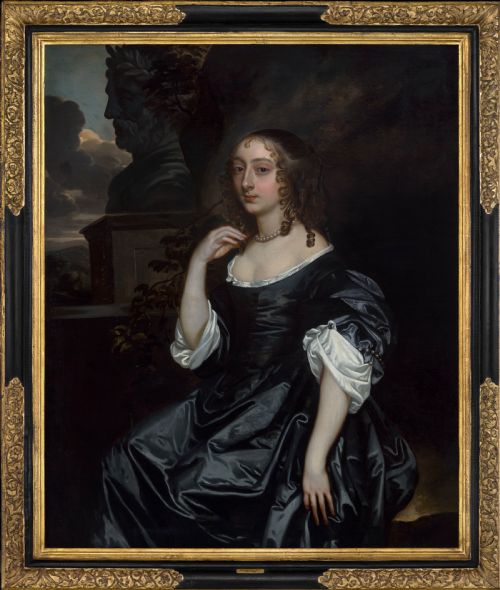
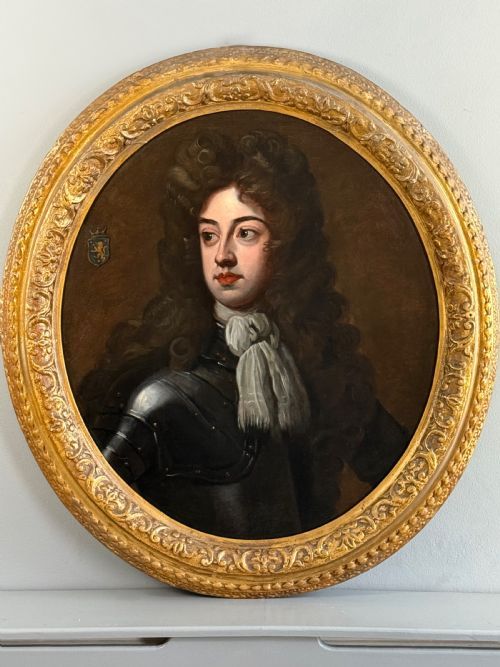
A baroque art painting typically presents detailed portraiture or dramatic narrative scenes originating from British, Dutch, Flemish, French and Italian schools. These works capture likenesses of nobility, religious figures or pastoral landscapes set within specific historical periods.
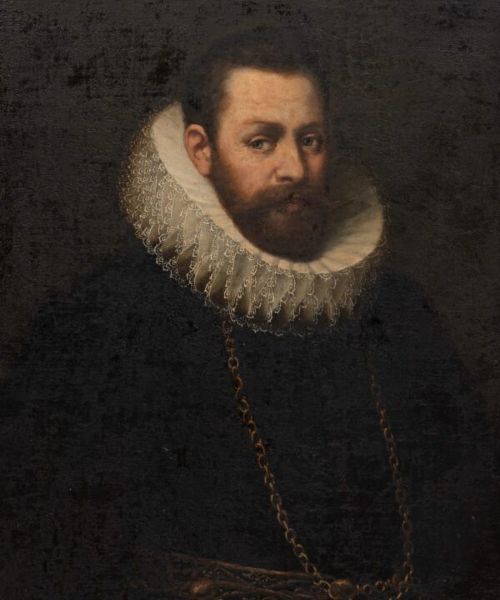
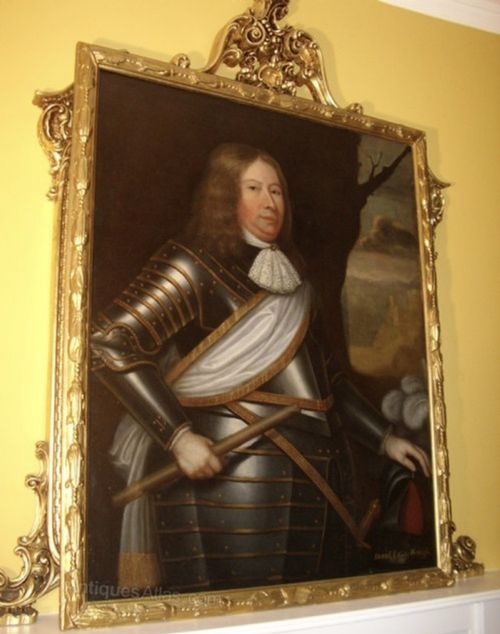
The pieces on this page range from original seventeenth-century canvases and panels to later interpretations and copies produced across subsequent centuries. Portraiture featuring elaborate costume, ruff collars and armour dominates the available selection.
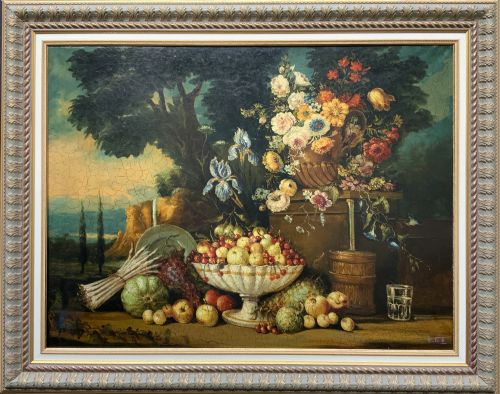
Buyers encounter both works by named studio circles and pieces attributed to regional European schools. The formats include half-length portraits, full figures and still life compositions.
How they were made
Makers utilised oil paint applied to woven canvas or wooden panels to build deep, layered compositions. Many surviving examples retain their original support materials alongside period frames constructed from wood, giltwood or embellished with gold leaf.
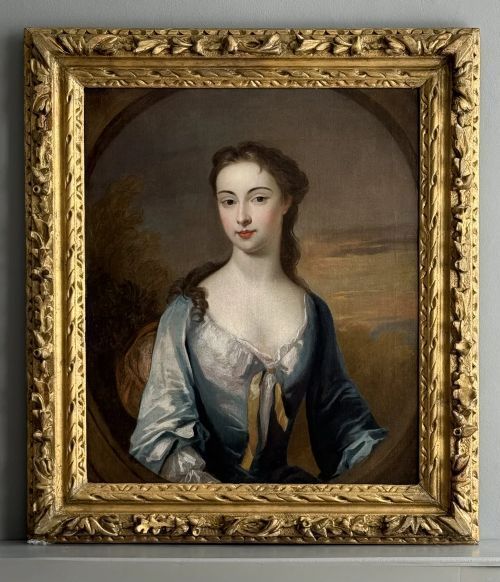
The application of oil pigment allowed artists to render soft textures in fabrics like silk, velvet and satin, alongside intricate details in lace collars and periwigs. Techniques involve careful glazing and tonal shading to create dramatic contrast and depth.
Baroque Art Painting Retail Price Guide 2026
Typical asking prices for baroque art painting among the pieces listed under this phrase on Sellingantiques today, from the lower quarter to the upper quarter. They describe what is for sale here now, not the wider market.
Materials recorded across the selection include oil paint, canvas, wood panels, giltwood and gold leaf.
What varies in quality
Quality rests in the handling of facial expression, garment textures and the psychological weight of the sitter. Master painters achieved lifelike depth in skin tones and drapery that lesser studio hands rendered more stiffly.
The preservation of the pigment layer and the integrity of the original canvas or panel dictate the visual strength of the piece. Associated period frames, such as carved giltwood coronet frames, add substantially to the historical weight of an artwork.
Sir Godfrey Kneller·Sir Peter Lely·Charles Jervas·Michael Dahl
The Baroque Art Painting Glossary
- Oil on canvas
- A painting medium where pigments suspended in drying oils are applied to a stretched fabric support. This combination allows for rich blending of colours and enduring flexibility.
- Giltwood
- Wood carved and coated with a thin layer of gold leaf or metal powder. It provides reflective, ornate framing common to period artworks.
- Panel
- A flat wooden board utilised as a rigid support for painting before canvas became standard. These are frequently found in earlier seventeenth-century works.
- Studio of
- A designation indicating an artist worked directly under the supervision or within the workshop of a master. The output often reflects the style and composition of the principal master.
- Old Master
- A term applied to European painters of high skill working before the nineteenth century. These works carry historical provenance and traditional academic technique.
Baroque Art Painting: Frequently Asked Questions
How do I identify a seventeenth century portrait?
Look closely at the costume details, such as lace ruffs, periwigs, armour and satin gowns typical of the period. Attributions often link the work to specific European schools or studio circles.
Examine the medium and support structure, as many works from this era utilise oil on panel or early woven canvas. Inscriptions and historical provenance labels on the reverse also help establish the date.
What is the difference between an original and a later copy?
Period copies and works produced after master painters were common practice for recording important likenesses. These paintings still exhibit historical oil techniques and appropriate canvas ageing.
Originals painted from life by a master or their direct studio carry stronger documentary value. Documentation or attribution notes in the title often clarify the relationship to the primary artist.
How should I care for an oil painting on canvas?
Keep the artwork away from direct sunlight and dramatic fluctuations in room temperature and humidity. Stable conditions protect the canvas tension and prevent the oil paint from cracking.
Dust the surface gently with a soft, dry brush without applying pressure. Avoid using liquid cleaners or touching the pigment layer directly.
What subjects are common in baroque art?
Portraiture of nobility, military figures and composers forms a large portion of the available pieces. These subjects often wear formal attire including azure cloaks and red sashes.
Narrative religious scenes, floral still lifes and pastoral landscapes also appear frequently. Each subject utilises dramatic lighting and rich colour palettes characteristic of the style.