

Baroque Armchairs
Baroque armchairs combine heavy carving, rich materials and grand scale, offering statement seating rooted in seventeenth-century excess.
Baroque Armchairs
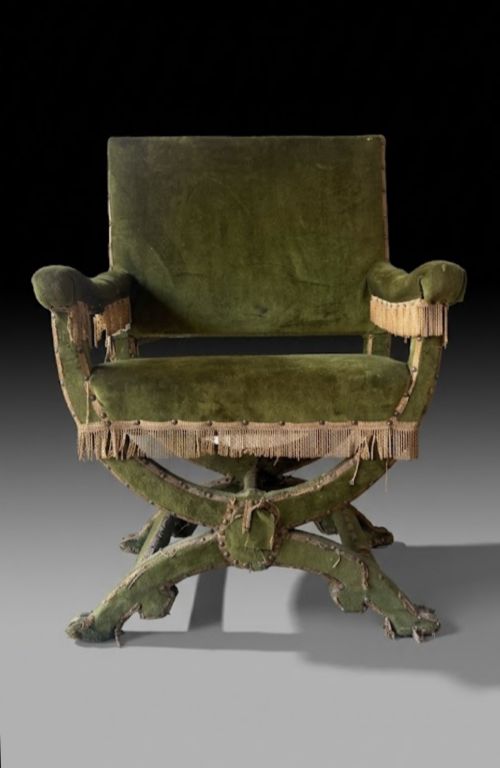
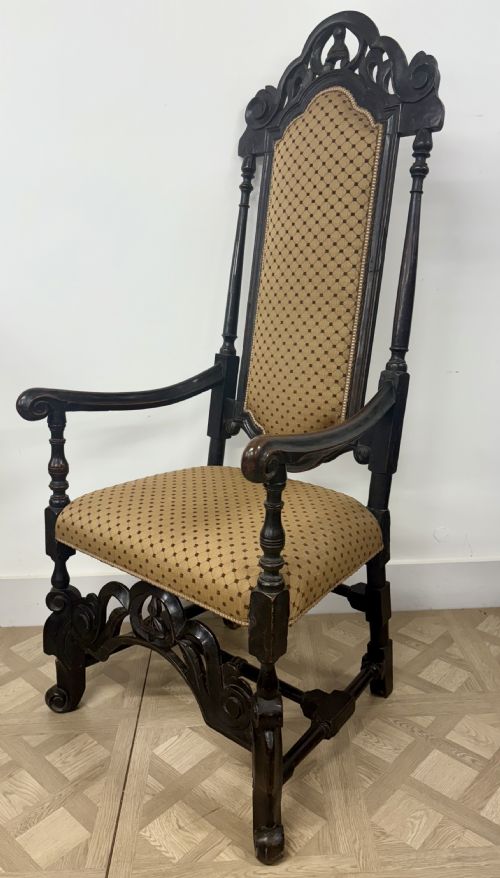
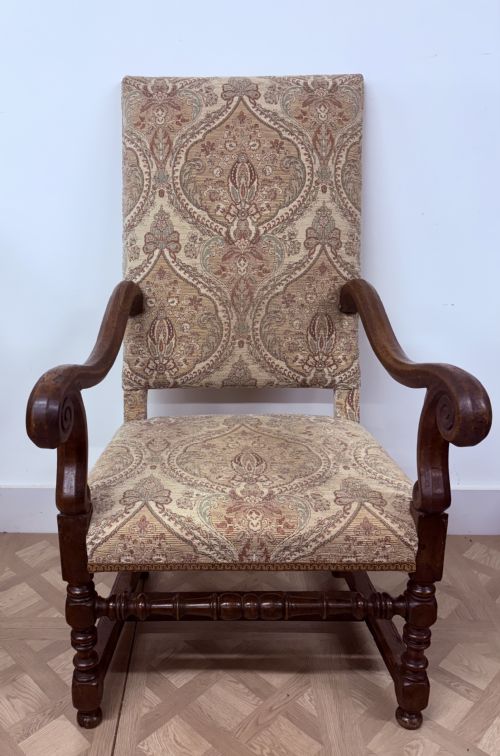
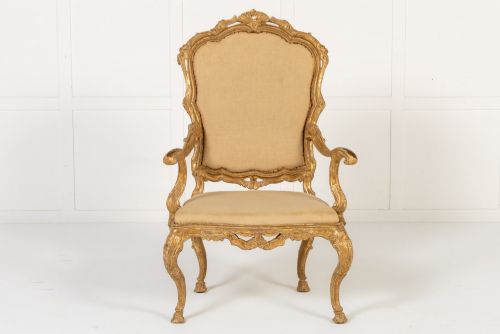
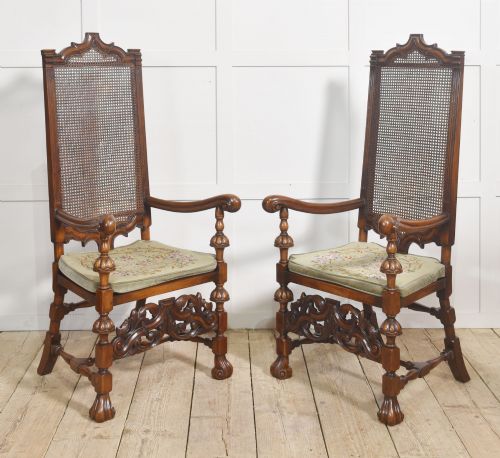
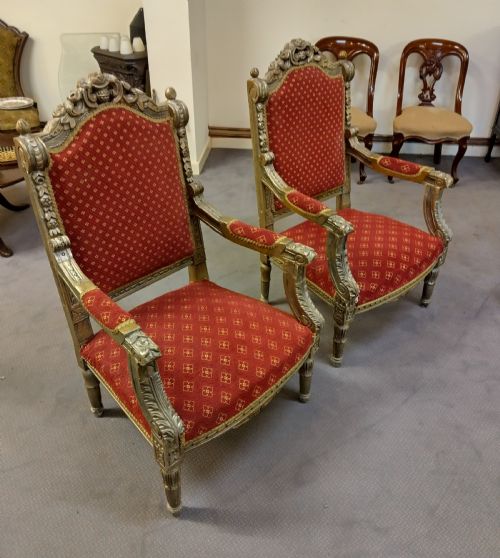
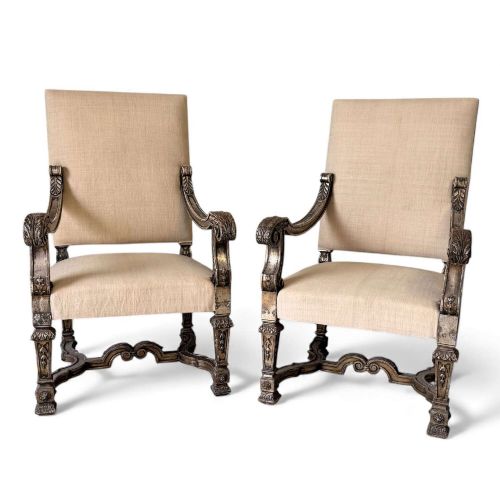
Baroque armchairs encompass heavy wooden frames, high backs and generous upholstered seats designed to project authority and status. When exploring baroque armchairs, buyers encounter authentic seventeenth- and eighteenth-century examples alongside nineteenth-century revival pieces that emulate the ornate carving of the original era.
Materials and construction
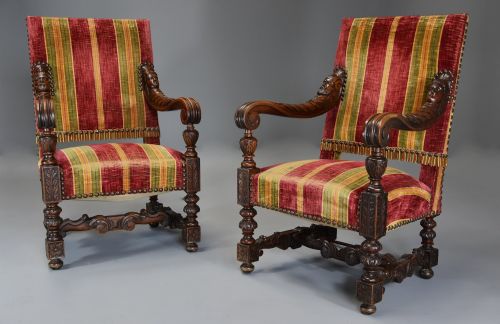
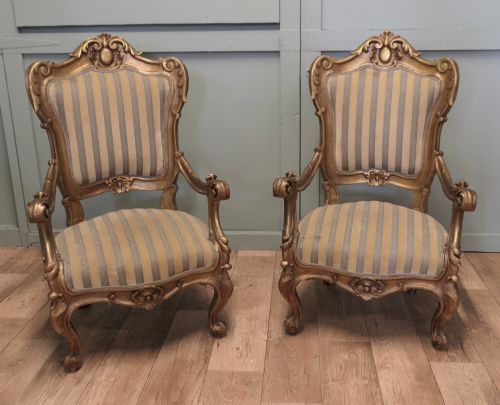
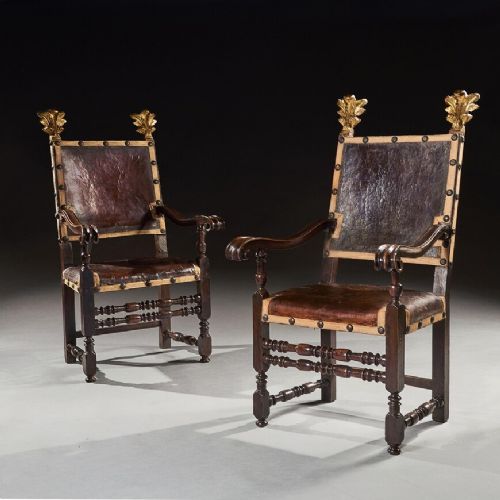
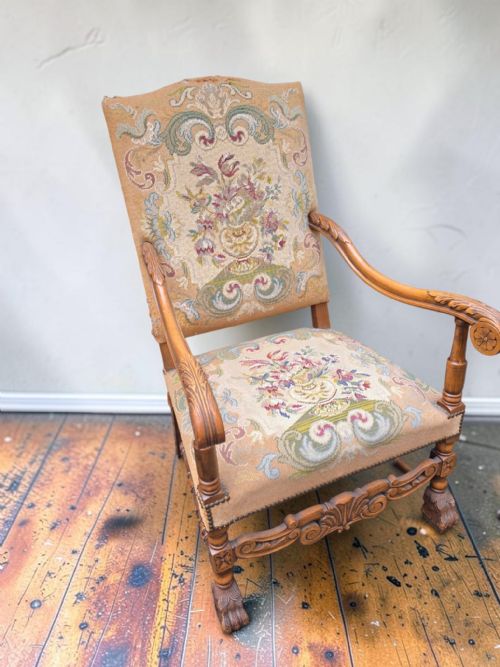
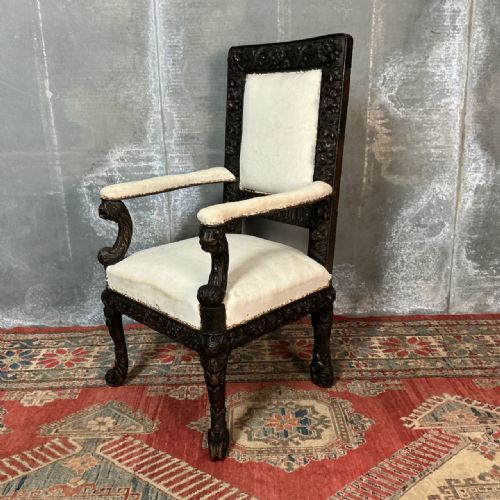
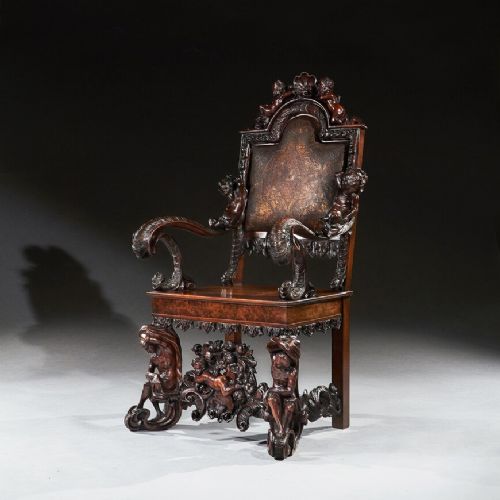
Makers relied primarily on walnut, oak and padouk for the structural framing, shaping the timber through deep carving, bobbin turning and joinery. Giltwood surfaces were created by applying fine gold leaf over a prepared base, while parcel-gilt details highlighted specific carved motifs against dark wood.
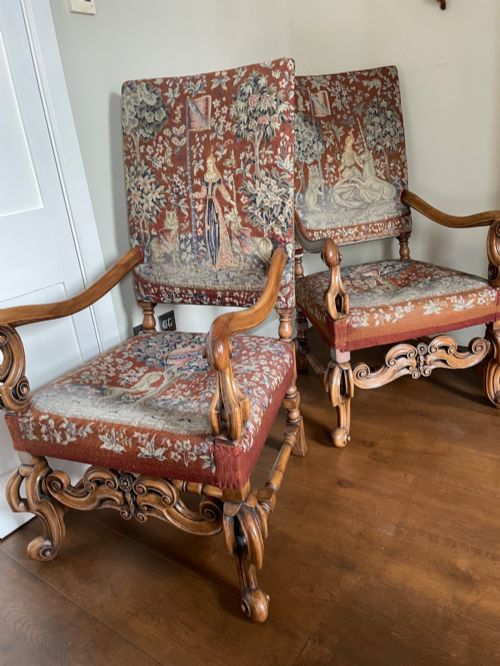
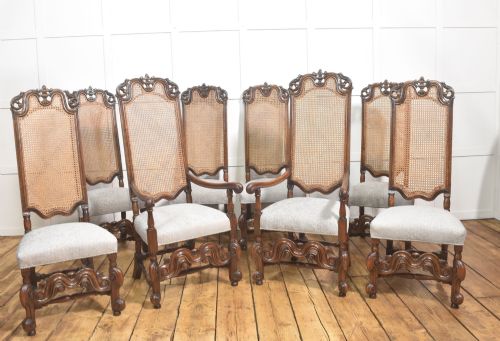
Upholstery utilised traditional materials including cane, needlework, tapestry, leather and silk textiles secured with brass elements. Frames often incorporated elaborate scrollwork, floral motifs and sculptural figures executed by skilled hands.
Baroque Armchairs Retail Price Guide 2026
Typical asking prices for baroque armchairs among the pieces listed under this phrase on Sellingantiques today, from the lower quarter to the upper quarter. They describe what is for sale here now, not the wider market.
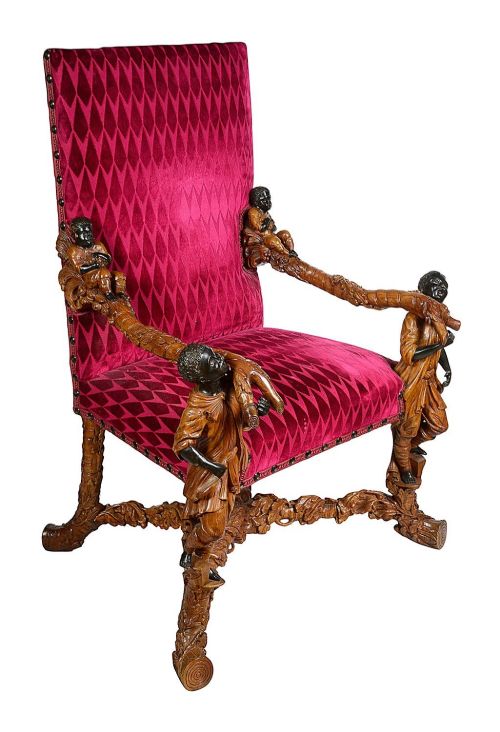
Some nineteenth-century makers revived seventeenth-century styles with such enthusiasm that even standard hall chairs received lavish royal treatment.
Assessing quality
Quality rests upon the crispness and depth of the wood carving, distinguishing fluid, hand-chiselled ornamentation from shallow or mechanical moulding. The integrity of the timber frame, the choice of primary woods such as solid walnut, and the sophistication of the gilding elevate finer examples.
The authenticity and execution of the upholstery textiles, whether period needlepoint, silk or leather, contribute significantly to a piece's standing. Proportion, balance within large-scale frames, and the preservation of original structural components separate standard items from exhibition-quality works.
Andrea Brustolon
The Baroque Armchairs Glossary
- Baroque
- A flamboyant artistic style originating in the seventeenth century characterised by drama, exuberant ornamentation and dynamic movement. It dominated European furniture design through grand carving and lavish finishes.
- Giltwood
- Timber coated with thin gold leaf or gold powder. This luxurious finish was applied to carved frames to catch candlelight in formal rooms.
- Cane
- Woven rattan or split cane used for seats and back panels. It provided a resilient, lighter alternative to solid wood or heavy upholstery.
- Fauteuil
- An open-armed upholstered armchair with exposed wooden framing. Originating in France, it combines structural woodcraft with textile comfort.
- Marquetry
- Decorative veneer patterns assembled from various woods. It adds pictorial or geometric surface detail to cabinet furniture and chair frames.
Baroque Armchairs: Frequently Asked Questions
What defines a baroque armchair?
These chairs are defined by robust wooden frames, elaborate scrollwork, high backs and sumptuous upholstery materials like silk, leather or needlepoint. They were built to command attention in formal reception rooms and palaces.
Makers employed deep relief carving and rich finishes such as giltwood to project wealth and power. Their imposing scale distinguishes them from later, more delicate seating styles.
How do I tell original pieces from later revivals?
Original seventeenth- and eighteenth-century examples show authentic age-related wear in the timber, hand-cut joinery and period-appropriate upholstery methods. Close inspection of the tool marks reveals the hand of the historic carver rather than mechanical production.
Revival pieces from the nineteenth century often utilise machine finishing or heavier, unseasoned timbers. Comparing construction details against known period exemplars helps clarify the exact date of manufacture.
Where were these chairs placed historically?
Historically, such grand seating occupied state apartments, antechambers and formal dining halls where status needed to be visibly asserted. Throne-like armchairs were reserved for hosts of high rank or placed at the head of long tables.
Lighter elbow chairs and open armchairs were arranged around panelled rooms for daily use by nobility and wealthy merchants. Their mobility allowed them to be repositioned for warmth near hearths or beneath tall windows.
How should I care for antique upholstery?
Historic textiles, leather and needlework require stable environmental conditions with controlled humidity and protection from direct sunlight. Vacuuming should be performed gently through a protective mesh screen to prevent fibre damage.
Leather surfaces benefit from periodic conditioning using museum-approved treatments to maintain flexibility. Professional conservation is advised for fragile silk or tapestry elements to secure loose threads.