




Baroque Angel Sculptures
Baroque angel sculptures bring dramatic heavenly motion into a room through carved wood and gilt surfaces.
Baroque Angel Sculptures
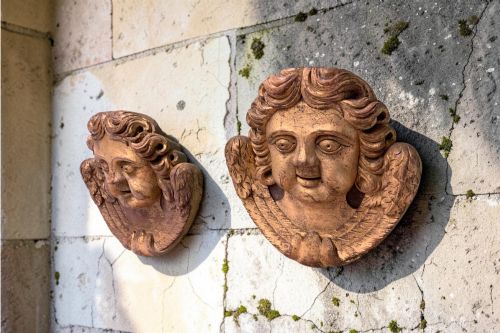
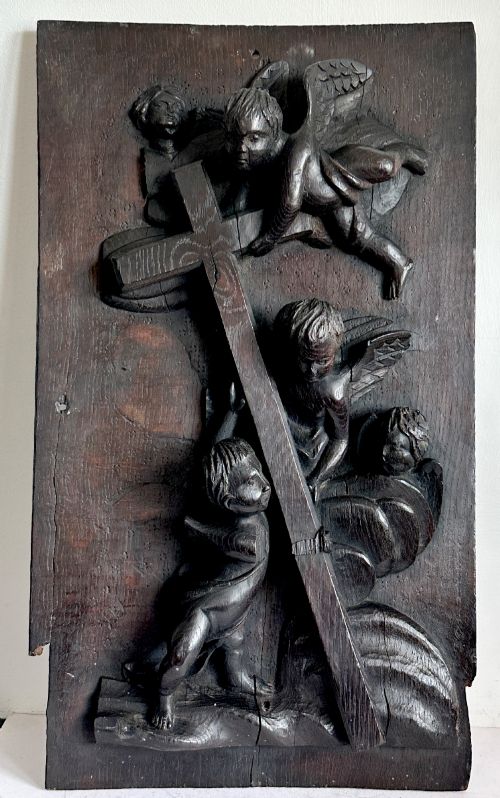
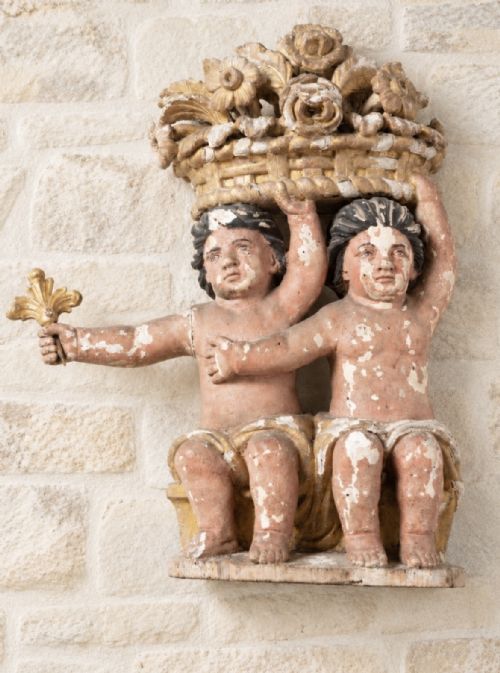
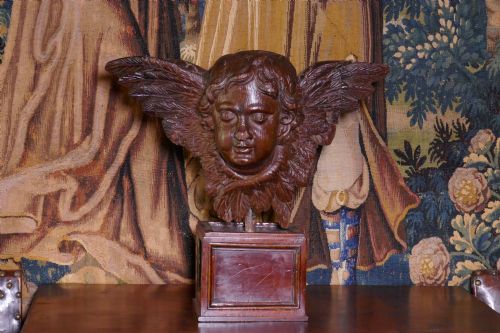
Baroque angel sculptures comprise carved wooden putti, cherub heads, and kneeling figures originating from the seventeenth, eighteenth, and nineteenth centuries. These pieces reflect Italian and French ecclesiastical traditions, spanning styles from the foundational baroque period through to later Victorian and gothic revivals. Buyers encounter individual carvings, architectural salvage panels, and paired wall reliefs that once adorned church altars and chateaux interiors.
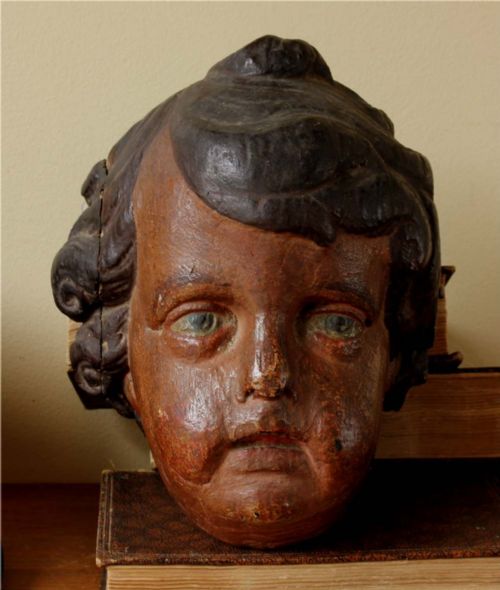
The versions most commonly met on this page are eighteenth-century French and Italian pieces alongside nineteenth-century revival works. They appear frequently as solitary cherub heads, complete putti figures, or matched pairs poised upon carved wooden clouds. The forms range from small decorative carvings to substantial architectural wall sculptures.
How they were made
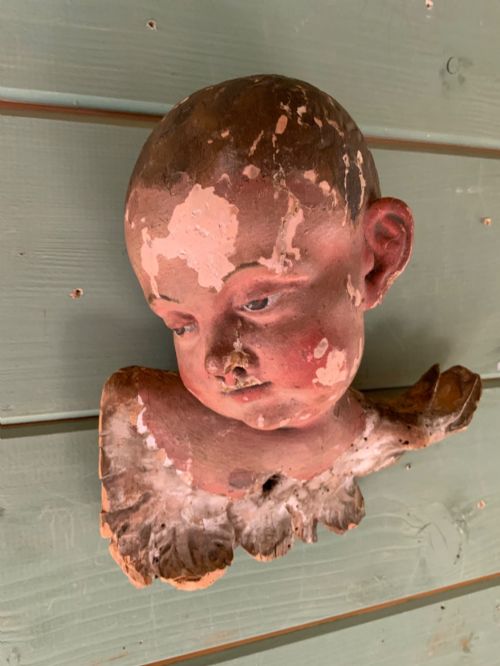
Surfaces received elaborate finishes including gold leaf, polychrome paint, and polychrome silvering to catch candlelight within dim sacred spaces. Artisans applied thin layers of metallic leaf over gesso bases to create the enduring gilt radiance seen on nineteenth-century examples. Polychrome pigments added lifelike flesh tones and contrasting hues to hair and vestments.
Baroque Angel Sculptures Retail Price Guide 2026
Typical asking prices for baroque angel sculptures among the pieces listed under this phrase on Sellingantiques today, from the lower quarter to the upper quarter. They describe what is for sale here now, not the wider market.
Listings feature oak, gesso, and carved wood materials across the seventeenth, eighteenth, and nineteenth centuries.
What varies in quality
Quality rests in the anatomical confidence of the carving and the depth of the spatial relief. Superior pieces exhibit spirited movement and sensitive facial modelling, whereas lesser examples rely on stiffer, repetitive hand execution.
The preservation of original surface treatments dictates the visual strength of a carving. Retained layers of early gold leaf or intact polychrome paint elevate a piece far above items stripped down to bare timber.
The Baroque Angel Sculptures Glossary
- Putto
- A chubby male infant, often winged, derived from classical art and frequently depicted in baroque church carvings. These figures embody heavenly playfulness.
- Cherub
- A celestial being depicted in these sculptures usually as a winged head or youthful figure. They populate architectural panels and altar decorations.
- Gesso
- A plaster mixture applied to wood as a smooth base for gilding and paint. It allows gold leaf to adhere securely.
- Gilt
- Covered thinly with gold leaf or gold paint to simulate solid gold. This finish enhances the theatrical illumination of ecclesiastical spaces.
Baroque Angel Sculptures: Frequently Asked Questions
Where did these sculptures originate?
These carvings originate primarily from France and Italy, reflecting the ecclesiastical traditions of those regions across the seventeenth to nineteenth centuries. Many served liturgical functions within churches, altars, and domestic chateaux.
Workshop production varied from local French church carvers to Italian ecclesiastical artisans. Their output travelled widely before entering the modern antique market.
How were these figures mounted?
Many pieces functioned as architectural salvage, originally integrated into wooden church walls, altarpieces, or large decorative panels. Pairs often knelt upon carved wooden clouds designed to project outward from a flat surface.
Today, collectors typically mount wall sculptures and reliefs directly onto interior walls using traditional hanging hardware suited to solid wood.
What woods were used?
Carvers utilised dense timbers, with oak appearing frequently across seventeenth and eighteenth-century examples. General carved wood served for pieces finished in thick gesso and polychrome paint.
Selection depended on whether the sculpture required structural integrity for architectural support or finer grain for delicate facial detailing.
How do I distinguish periods?
Seventeenth and early eighteenth-century pieces display robust proportions and heavy oak construction tied to the height of the baroque movement. Later nineteenth-century revival works often feature brighter gold gilt and softer wood selections.
Surface treatments also help signal age, as original polychrome and gold leaf age differently than nineteenth-century revival applications.