






Baroque Accent Table
A baroque accent table brings theatrical curves and rich historic timber into a room, offering both striking presence and practical surface space.
Baroque Accent Table
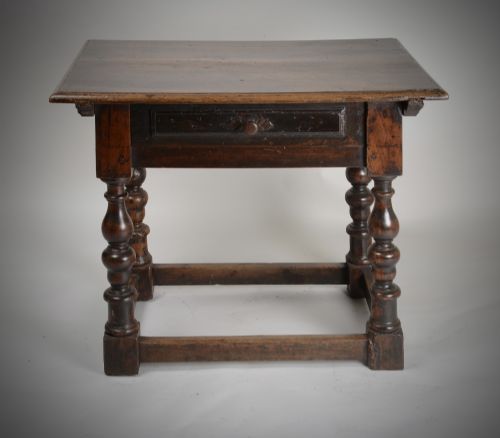
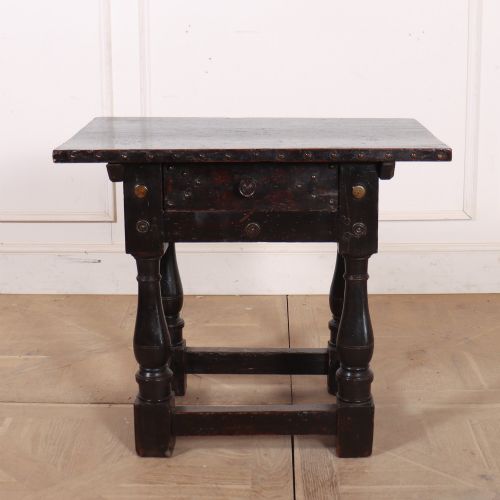
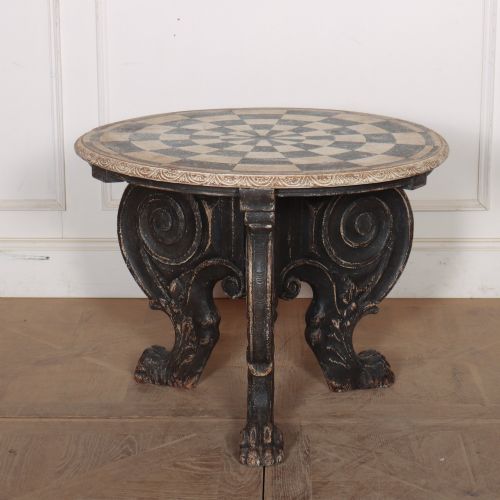
When you search for a baroque accent table, you encounter a varied selection of antique forms including side tables, lamp tables, coffee tables, and console tables. These pieces draw upon Italian, Spanish, Dutch, Flemish, and William and Mary styles, capturing ornate continental tastes.
Makers and workshops across Europe produced these tables to anchor formal rooms or provide functional surfaces with dramatic flair. Their forms range from diminutive miniature centre tables to substantial carved oak and walnut designs.
Materials and construction
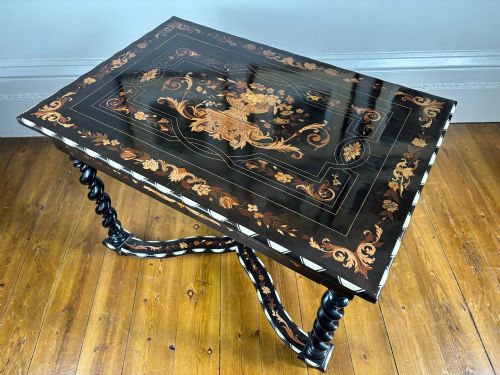
Cabinetmakers utilised dense hardwoods such as oak, walnut, and olive wood, frequently employing parquetry or intricate oyster veneering to create patterned table tops. Lime wood and rosewood also appear, offering contrasting textures and lighter tones for detailed carving.
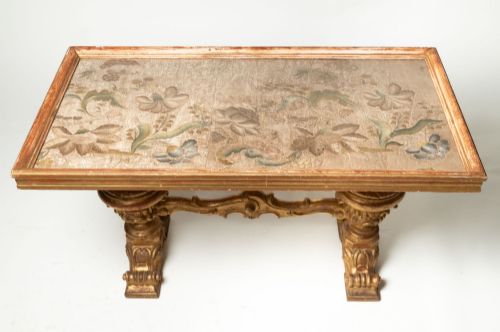
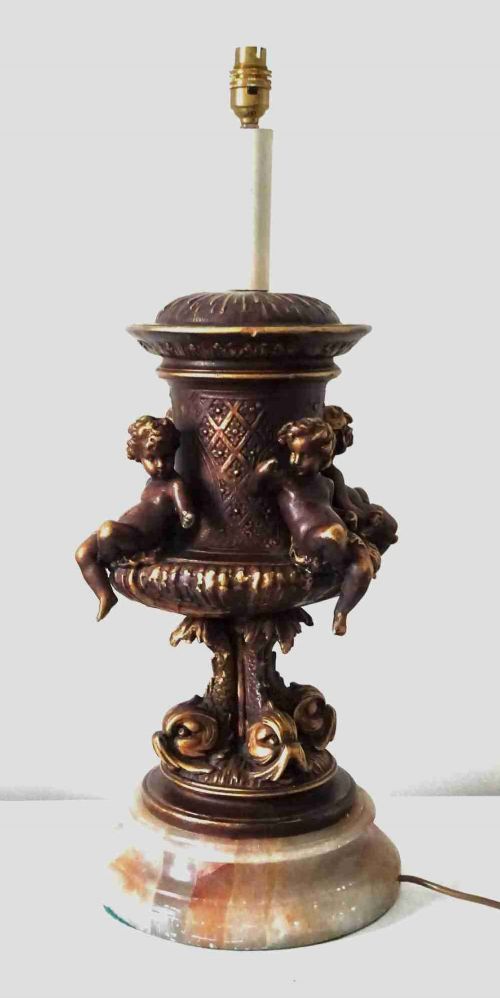
Surface decoration relies heavily on gold leaf, giltwood, paint, and brass mounts to achieve the opulent shimmer characteristic of the period. Skilled hands shaped marble tops, carved dolphins, cherubs, and scrolling foliage directly into the solid timber.
Baroque Accent Table Retail Price Guide 2026
Typical asking prices for baroque accent table among the pieces listed under this phrase on Sellingantiques today, from the lower quarter to the upper quarter. They describe what is for sale here now, not the wider market.
Several tables feature carved wooden dolphins acting as structural supports, bringing a touch of marine mythology directly into the parlour.
Defining quality and craftsmanship
The distinction between standard examples and finer pieces lies in the depth and fluidity of the hand carving on the frame. Crisp undercut foliage and sculptural figures show a higher level of artisan skill than shallower, softer moulding.
The choice of materials also dictates the grade of the piece, with choice olive wood oyster veneers, substantial marble inserts, and original giltwood surfaces elevating the overall execution. Integration between the structural frame and decorative elements remains key to a cohesive piece.
The Baroque Accent Table Glossary
- Parquetry
- A geometric mosaic of wood pieces used for decorative surfacing on floors and furniture. It creates patterned table tops using contrasting timbers.
- Giltwood
- Wood that has been thinly coated with gold leaf or gold paint. This technique gives the carved frames their characteristic metallic brilliance.
- Oyster veneering
- The practice of slicing small branches across the grain to produce circular or oval wooden veneers resembling oyster shells. It creates intricate, swirling surface patterns.
- Console table
- A table fixed to a wall with legs in the front, often supported by brackets. These decorative pieces were traditionally placed in grand halls and reception rooms.
- William and Mary style
- An English and Dutch furniture style prevalent around the late 17th and early 18th centuries. It is characterised by trumpet turned legs and rich walnut veneers.
Baroque Accent Table: Frequently Asked Questions
What is a baroque accent table used for?
These tables serve primarily as decorative side surfaces in living areas, hallways, or libraries. They provide a stable platform for lamps, decorative objects, or books while adding historical character to a room.
Historically, ornate tables of this style functioned to display wealth and artistic taste in formal interior settings. Today, they easily adapt to contemporary spaces as focal points or functional corner pieces.
How do I identify a 17th century table?
Seventeenth century tables typically feature heavy construction in solid oak or walnut, with deep hand carving and joined frames. Evidence of early construction methods, such as hand-cut pegs and dense timber weight, points towards this period.
Later revivals from the 19th century and the 1920s often emulate these early forms but may display different wear patterns or machine-assisted joinery upon closer inspection.
Are these tables suitable for everyday use?
Most accent tables handle daily placement of small items, lamps, and drinks comfortably, provided proper care is taken with the antique surfaces. Using coasters and placing them away from direct heat sources protects the historic wood and gilt.
Delicate surfaces involving extensive gold leaf or painted details require gentle treatment and occasional dusting with a soft, dry cloth rather than modern chemical cleaning products.
What is the difference between Italian and Dutch baroque styles?
Italian baroque tables often lean towards sculptural drama, featuring carved figures like dolphins and cherubs alongside marble tops and gilded finishes. They emphasise classical theatricality and ornate floral motifs.
Dutch interpretations frequently focus on rich wood grains, utilising olive wood oyster veneers, parquetry, and carved oak with a sturdy, grounded sensibility rooted in traditional craftsmanship.