


Barley Twist Cabinet
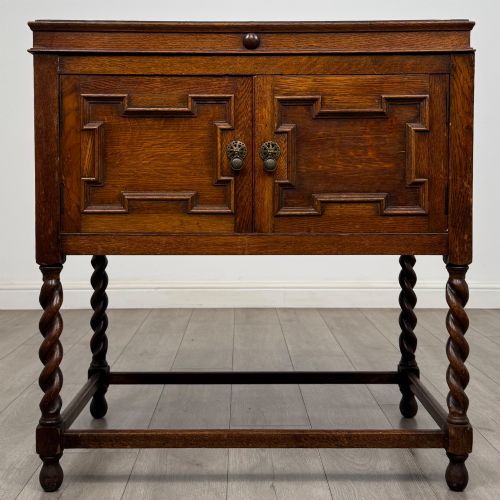
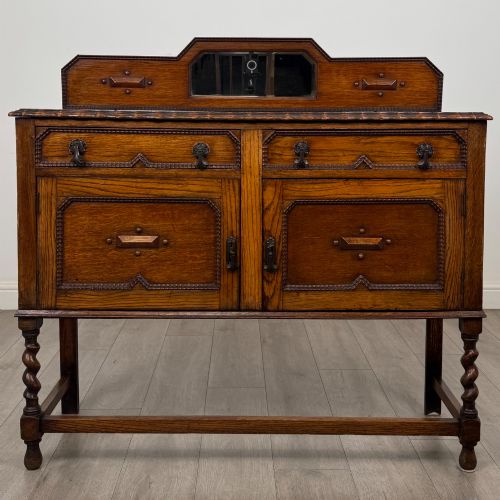
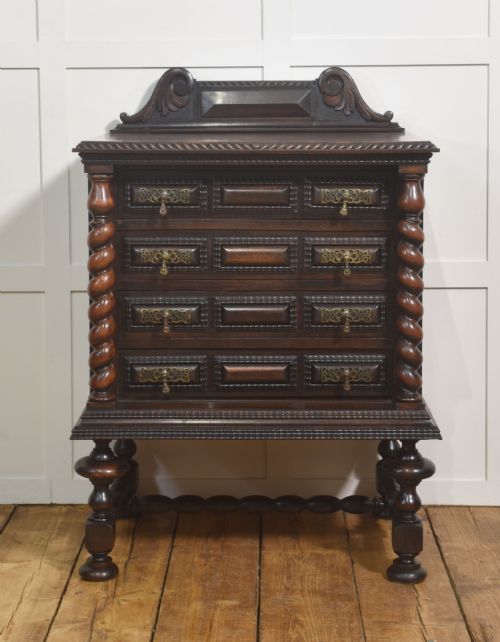
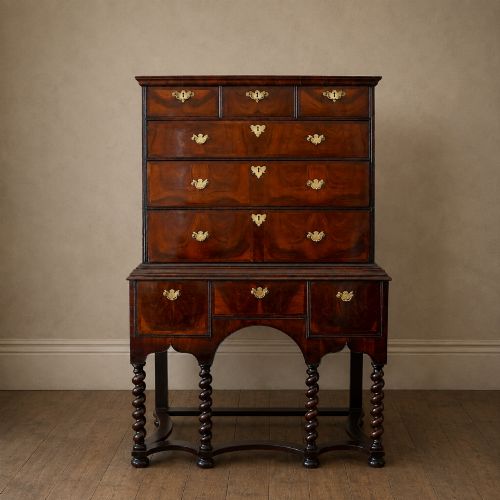
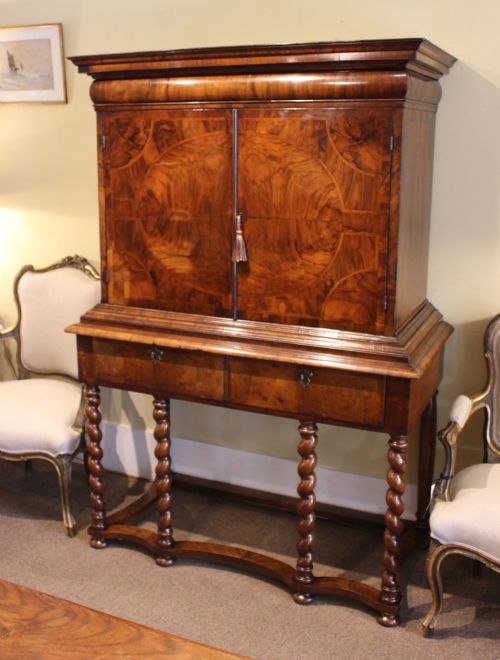
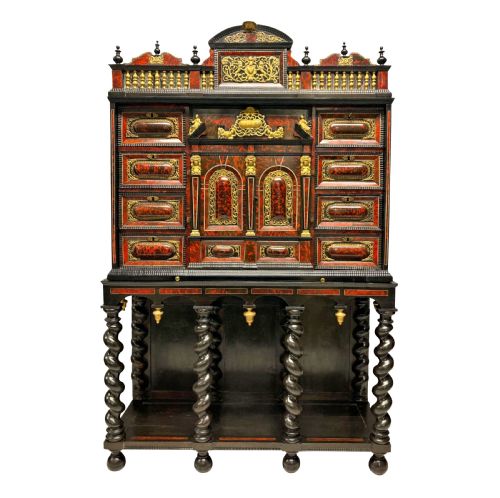
These pieces known as a barley twist cabinet combine helical timber turnings with storage, bringing tactile texture and period storage to a room.
Barley Twist Cabinet
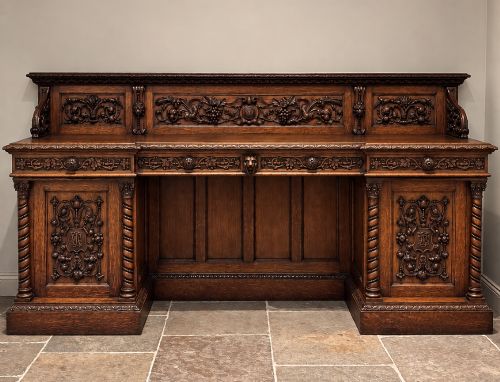
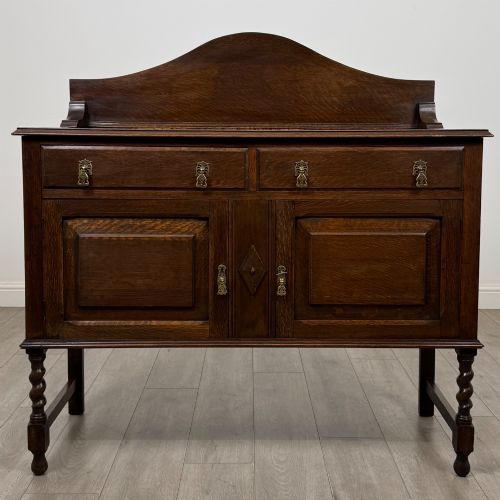
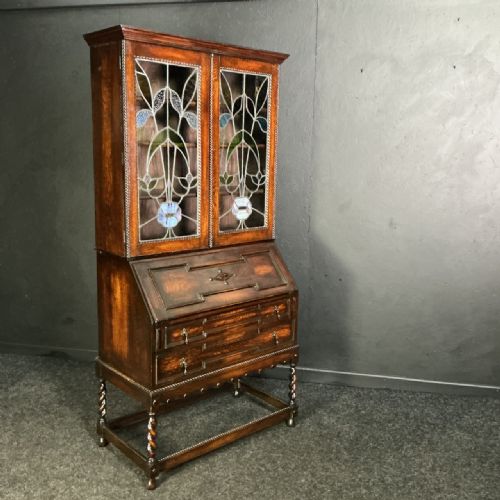
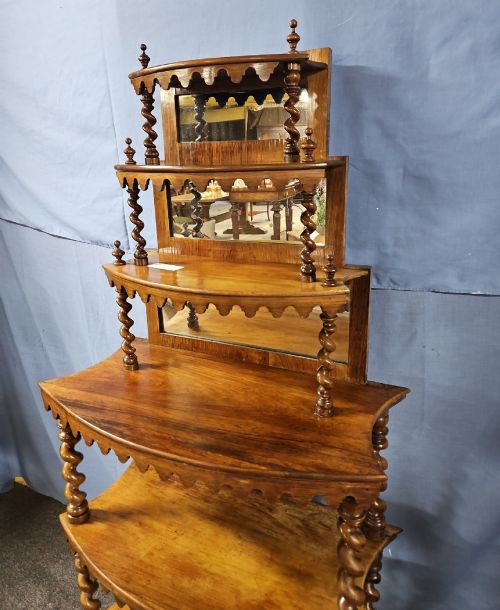
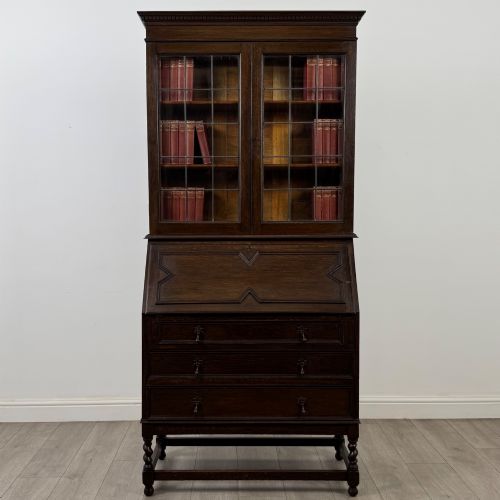
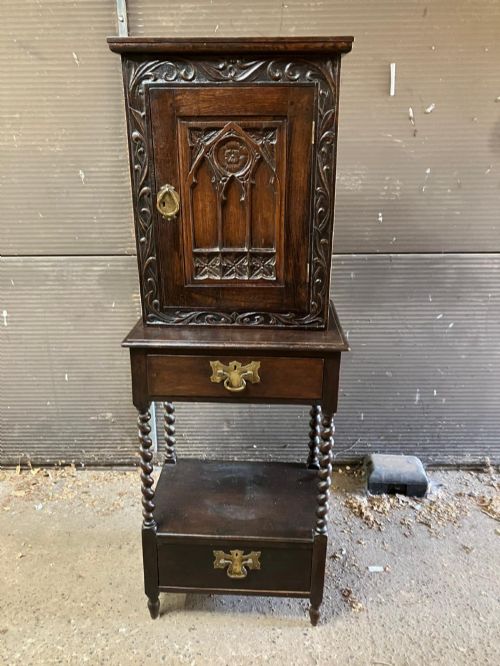
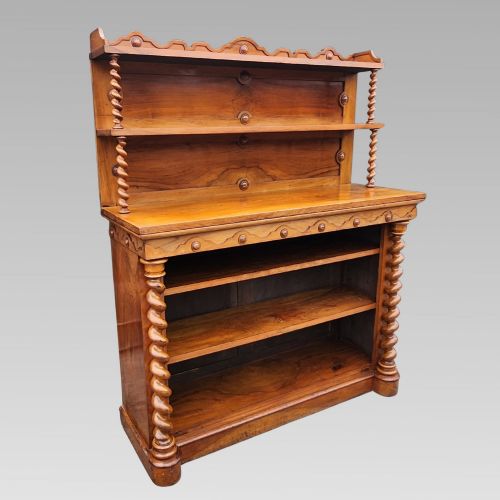
A barley twist cabinet is primarily encountered in oak and walnut, spanning periods from the seventeenth century through the Victorian era and into the nineteen-twenties. Buyers seeking this form will find sideboards, cabinets on stand, bureaus, and bookcases featuring distinctive spiral wooden supports.
The selections on this page lean heavily towards oak and walnut manifestations, incorporating styles from Jacobean revival to William and Mary and Edwardian production. Pieces range from grand architectural cabinets on stands to smaller side cabinets and display units.
Quality indicators
Quality rests upon the crispness of the timber turnings and the depth of the carving on panels and doors. Timbers selected for grain movement, such as burr walnut or figured oak, elevate the visual impact of the piece.
Proportion and the integrity of the original stand or base dictate the standing of a cabinet. Finer examples display harmonious scale between the upper storage body and the twisted leg supports beneath.
Barley Twist Cabinet Retail Price Guide 2026
Typical asking prices for barley twist cabinet among the pieces listed under this phrase on Sellingantiques today, from the lower quarter to the upper quarter. They describe what is for sale here now, not the wider market.
Certain Victorian sideboards hide carved green man masks amongst their foliage, keeping a watchful wooden eye on the dining room.
Holland and Sons
The Barley Twist Cabinet Glossary
- Barley twist
- A spiral turning resembling a twisted rope, used extensively on the legs and supports of seventeenth-century and revival furniture. This form requires precise hand or lathe work.
- Cabinet on stand
- An elevated storage compartment raised upon a distinct base or frame with legs. This configuration was particularly popular during the seventeenth and early eighteenth centuries.
- Oyster veneer
- Small circular or oval slices cut across branches or small logs to create an intricate, mottled pattern resembling oyster shells. It appears frequently on William and Mary walnut furniture.
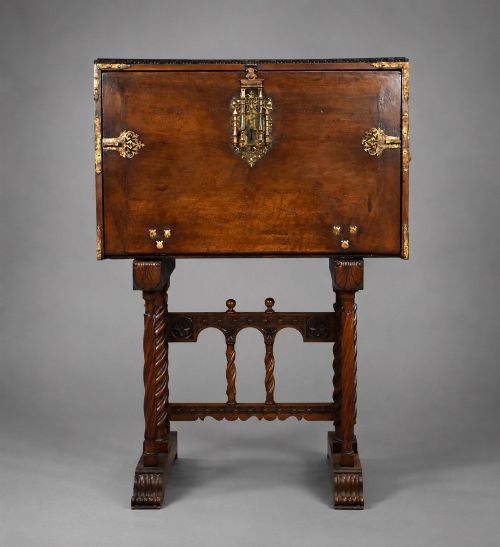
- Bargueño
- A type of cabinet chest originating in Spain, typically featuring a drop-front writing surface concealing numerous small drawers. They are often mounted on dedicated stands.
- Escritoire
- A writing cabinet featuring a fall-front flap that opens to reveal a fitted interior of pigeonholes and small drawers. These pieces combine display surfaces with enclosed workspace.
Barley Twist Cabinet: Frequently Asked Questions
What periods do these cabinets come from?
The pieces span multiple centuries, including seventeenth-century origins, eighteenth-century walnut examples, nineteenth-century Victorian interpretations, and twentieth-century Edwardian or nineteen-twenties revival pieces.
Revival furniture often mirrors earlier seventeenth-century Jacobean and William and Mary styles, making period identification reliant on secondary construction clues.
How were cabinets on stand used?
These elevated units served to store precious items, documents, or collections away from damp floor levels while displaying the status and wealth of the owner.
The lower stands provided a decorative architectural base that lifted the main storage compartment to a convenient height for viewing.
Where does the spiral turning come from?
The helical twist motif gained prominence in British and European furniture during the seventeenth century, drawing influence from Flemish and Baroque design traditions.
Cabinetmakers resurrected this turning technique during nineteenth-century revival periods and into the twentieth century for oak sideboards and bookcases.
How do I fit one into a modern room?
These dark wood cabinets anchor a room effectively when paired with neutral walls and contemporary lighting that highlights the carved grain and spiral turnings.
Smaller side cabinets and night tables function well as accent storage pieces in hallways, living spaces, or studies.