



Bar Cart Tray
A bar cart tray is a practical surface for serving spirits and glassware, spanning Georgian mahogany butler pieces to silver plated Art Deco cocktail designs.
Bar Cart Tray
When you search for a bar cart tray, you encounter everything from removable trolley surfaces to dedicated silver plated cocktail platters used for serving drinks. These items appear across periods such as the Edwardian era, 1920, and 1930, reflecting shifts in entertaining habits over the decades.
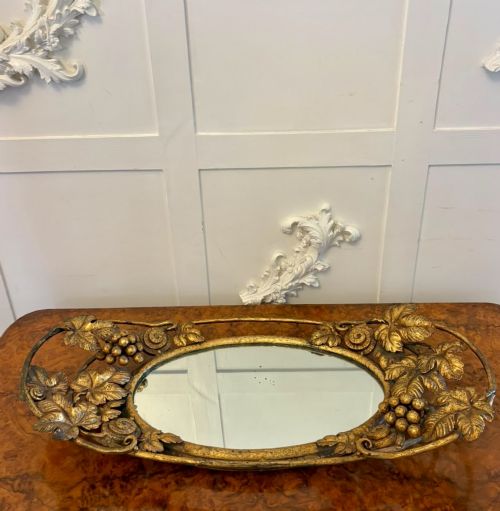
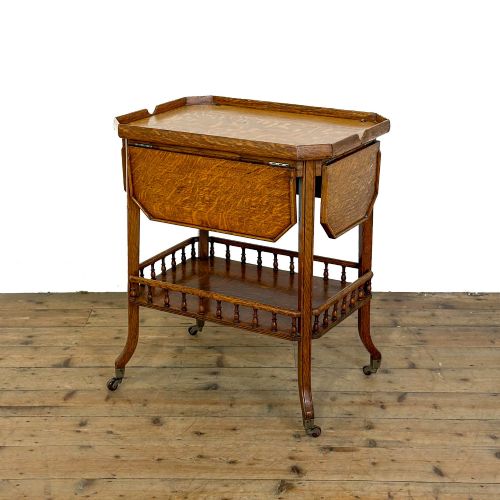
The most common formats on this page include removable wooden trays from tea trolleys and standalone metal or mirrored serving pieces. Examples range from simple oak frames on wheels with lift-off trays to elaborate gilt metal mirrored designs decorated with vine motifs.
Earlier pieces lean towards mahogany and oak construction, sometimes with inlaid details or gallery edges, while later twentieth-century iterations embrace silver plate, ebonised finishes, and cobalt blue mirror glass. You also find novelty barware trays depicting figures like Charlie Chaplin from the Art Deco period.
Materials and construction methods
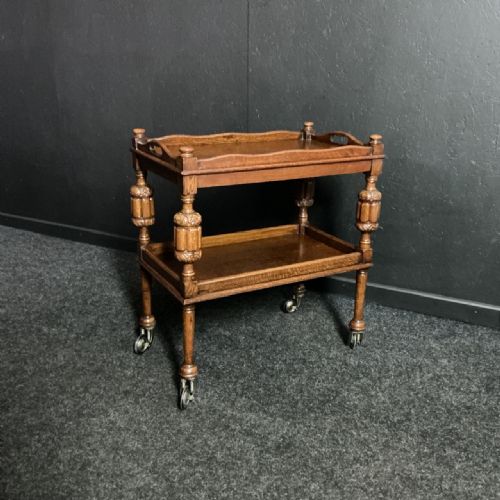
Timber framing relies heavily on mahogany and oak, often incorporating sturdy edges or gallery surrounds to secure glassware during transit. Wooden tea trolleys feature removable tray tops that lift directly off the wheeled underframe.
Metal surfaces utilise silver plate, EPNS, brass, and gilt metal, frequently paired with inset glass panels or mirrored bases. Gallery trays employ raised pierced or scalloped metal edges soldered or screwed to a flat base plate.
Decorative touches span inlaid mahogany veneers, ebonised timber, and specialised mirror glass such as cobalt blue inserts. Novelty pieces from the 1930s incorporate stamped or cast metalwork depicting specific subjects.
Bar Cart Tray Retail Price Guide 2026
Typical asking prices for bar cart tray among the pieces listed under this phrase on Sellingantiques today, from the lower quarter to the upper quarter. They describe what is for sale here now, not the wider market.
Charlie Chaplin makes a silent appearance on a 1930s Art Deco novelty barware tray.
Assessing quality and execution
Quality rests on the crispness of the metalwork, the weight of the silver plate, and the joinery of the timber frame. Superior pieces demonstrate clean soldering on gallery edges and tightly fitted removable tray tops.
Materials dictate the character of the piece, with heavy mahogany or solid oak frames sitting at a different level of substance compared to lighter gilt metal or ebonised designs. The integration of specialty materials like cobalt blue mirror glass or detailed engraving elevates the overall execution.
The Bar Cart Tray Glossary
- Gallery tray
- A serving tray featuring a raised pierced metal or wooden gallery wall around its perimeter to prevent items from sliding off. These borders are often scalloped or decorated with pierced patterns.
- EPNS
- Electroplated Nickel Silver, a common base metal method for producing silver-plated items during the nineteenth and twentieth centuries. It provides the appearance of solid silver at a different material cost.
- Butlers tray
- A portable wooden tray, often rectangular, designed to sit upon a folding wooden stand. These pieces date back to the Georgian period and function independently or as a combined unit.
- Tea trolley
- A wheeled serving cart with two or more tiers designed to transport tea services or drinks. Many versions incorporate a removable top tray for direct table service.
Bar Cart Tray: Frequently Asked Questions
What is a bar cart tray?
A bar cart tray is a portable serving surface designed to hold glassware, decanters, and bottles. These pieces range from standalone metal platters to removable wooden trays that lift off trolley bases.
They serve both a functional role during entertaining and a decorative purpose when placed atop furniture or wheeled carts.
How do I use a bar cart tray today?
You can place a bar cart tray directly onto a serving trolley, sideboard, or coffee table to organise spirits and cocktail accessories. Removable versions offer the practicality of carrying drinks from the kitchen to the living space.
They also act as static display bases for glassware collections and decanters in dining rooms.
How do I distinguish Edwardian trays from Art Deco ones?
Edwardian trays often feature naturalistic motifs like grape vines, polished oak, or inlaid mahogany alongside traditional silver plate. They lean towards domestic tea service and formal hospitality.
Art Deco trays from the 1930s embrace streamlined geometric forms, ebonised finishes, novelty subjects, and modernist silver-plated styling suited for cocktail culture.
Are trolley trays removable?
Many trolley trays are designed to lift off the wheeled underframe so the tray can function independently as a serving platter. This dual-purpose construction allows the wheels to remain stationary while drinks are served at the table.
Listings specify whether a particular trolley includes a lift-off or removable tray component.