



Bamboo Style Furniture
Bamboo style furniture brings exotic warmth and lightweight practicality to a room, ranging from genuine cane pieces to clever turned-wood imitations.
Bamboo Style Furniture
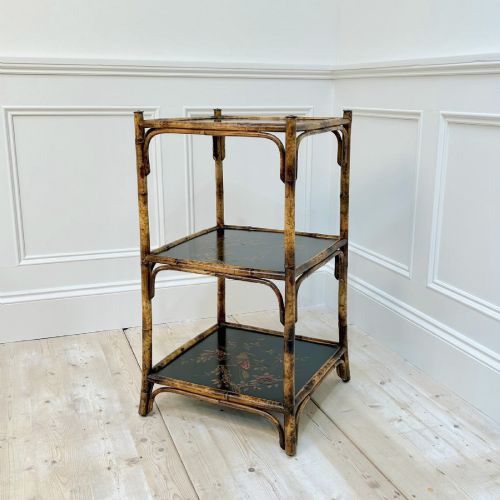
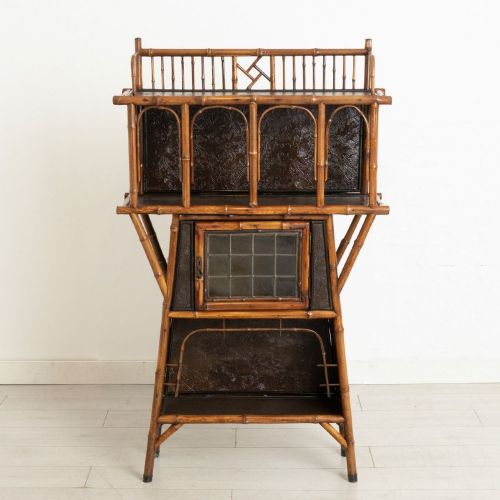
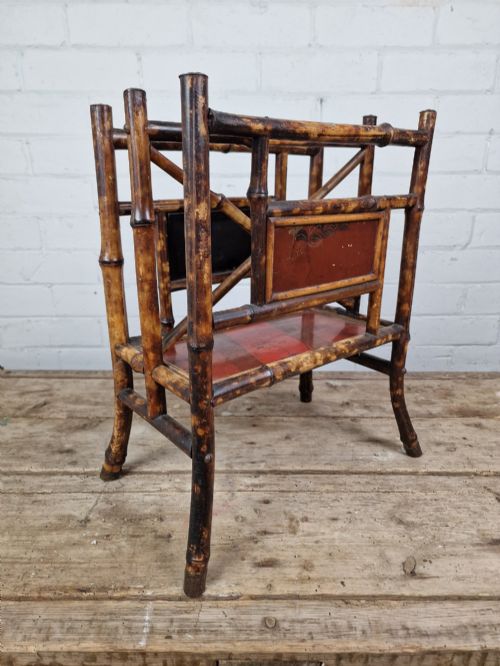
Bamboo style furniture encompasses a variety of decorative and utilitarian forms designed to evoke an Eastern aesthetic, spanning the nineteenth and twentieth centuries. When exploring bamboo style furniture, buyers frequently encounter pieces from the Victorian era, including occasional tables, etageres, and magazine racks. These domestic items demonstrate how nineteenth-century makers adapted natural materials and simulated finishes for British homes.
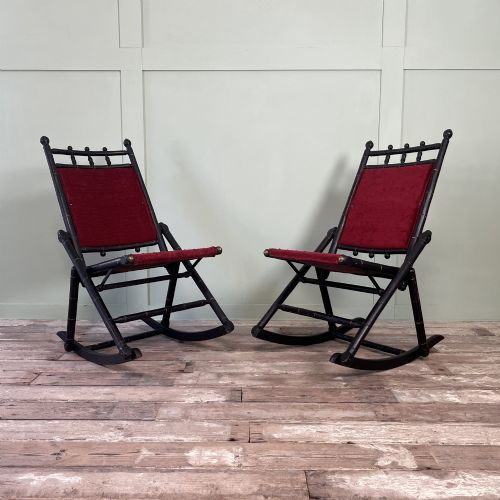
The selection here includes distinctive forms such as folding rocking chairs, washstands, and display cabinets originating from the eighteen-eighties and eighteen-nineties. Alongside genuine cane construction, the listings feature simulated pine and ebonised wood worked to replicate organic stems. This mix reflects both traditional Chinese craftsmanship and the distinctive European interpretations of the Aesthetic Movement.
Materials and construction methods
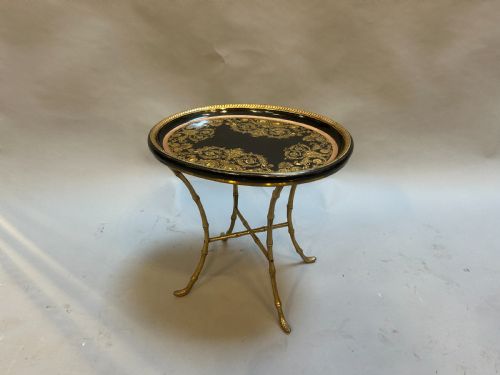
Construction relies heavily on natural bamboo, tiger bamboo, and hardwoods such as bird's-eye maple, shaped to form rigid yet lightweight frames. Many pieces incorporate lacquered panels, brass mounts, and glass inserts to add functional surfaces and decorative contrast.
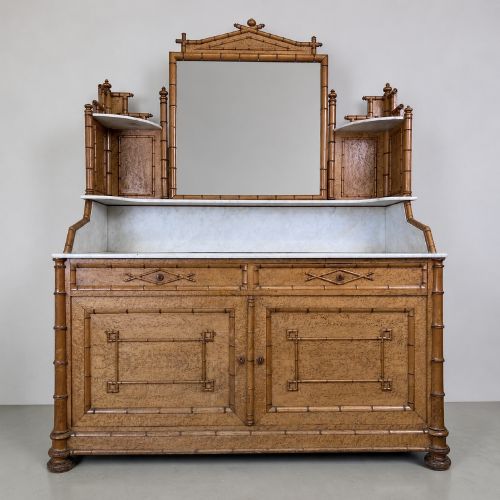
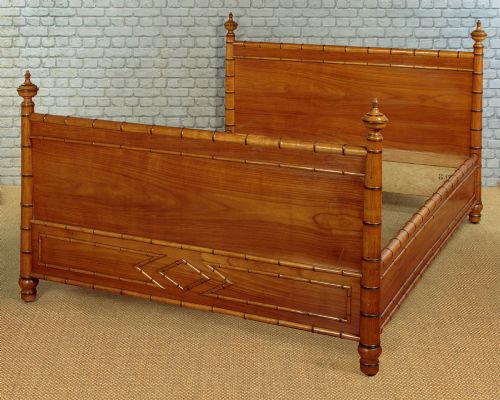
Simulated or faux bamboo pieces achieve their characteristic jointed appearance by turning ordinary timber, pine, or ebonised wood on a lathe. Artisans then applied japanning, lacquer, or hand-painted Chinoiserie motifs to complete the exotic surface treatment.
Bamboo Style Furniture Retail Price Guide 2026
Typical asking prices for bamboo style furniture among the pieces listed under this phrase on Sellingantiques today, from the lower quarter to the upper quarter. They describe what is for sale here now, not the wider market.
Fold your worries away on an Aesthetic Movement rocking chair that folds flat, proving that nineteenth-century relaxation had a portable side.
Distinctions in quality
Quality in bamboo style furniture rests upon the structural integrity of the joints and the preservation of any applied lacquer or painted panels. Pieces featuring genuine tiger bamboo or finely carved hardwood demand skilled joinery to remain stable over generations.
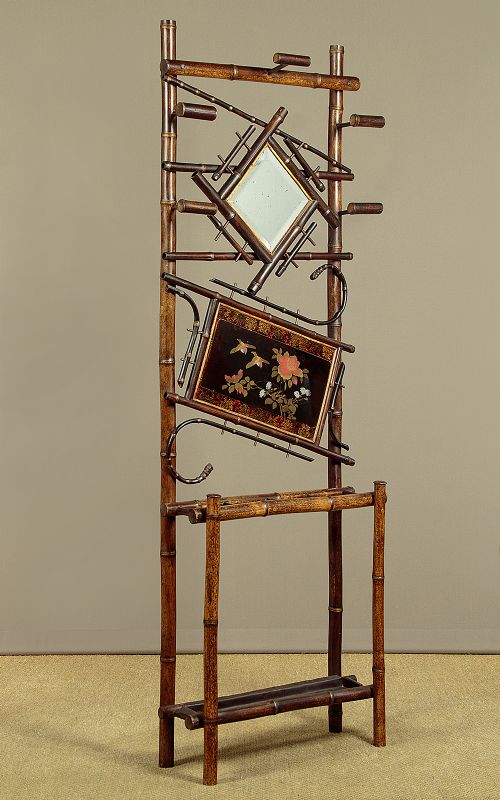
Decorative refinement separates standard production items from exceptional workshop commissions, particularly within pieces associated with the Aesthetic Movement. Intricate cabinetwork, original brass hardware, and well-executed japanning elevate the status of a table, cabinet, or etagere.
Leonard Wyburd for Liberty and Co
The Bamboo Style Furniture Glossary
- Aesthetic Movement
- A late nineteenth-century design current that championed art for art's sake and drew heavy inspiration from Japanese and Chinese decorative arts. This ethos encouraged the widespread adoption of bamboo and faux bamboo in domestic interiors.
- Faux bamboo
- Wood, pine, or other materials turned and carved to imitate the segmented stalks of natural bamboo. Cabinetmakers utilised this technique to provide an exotic look with greater structural durability.
- Etagere
- A piece of furniture consisting of a set of open shelves for displaying small objects or ornaments. These tiers are frequently supported by slender bamboo or simulated bamboo uprights.
- Canterbury
- A low, partitioned stand traditionally used for holding sheet music, magazines, or newspapers. In bamboo style pieces, these stands utilise open cane frameworks or lacquered panels.
Bamboo Style Furniture: Frequently Asked Questions
What is faux bamboo furniture?
Faux bamboo furniture consists of timber, pine, or other standard woods that craftsmen turned on a lathe to mimic the segmented rings of natural cane. These pieces offered the fashionable look of imported bamboo while providing greater strength for heavy household use.
Cabinetmakers often finished these wooden imitations with ebonising, japanning, or painted lacquer to complete the exotic aesthetic popular during the late nineteenth century.
How do I date bamboo furniture?
Dating these items involves examining the construction methods, hardware types, and stylistic influences evident in the piece. Items associated with the Aesthetic Movement or Victorian Chinoiserie typically date from the final decades of the nineteenth century.
Makers of this period frequently combined natural cane with lacquered panels, brass fittings, and mirror glass. Later twentieth-century examples display simpler construction and different joining techniques.
Where should I place an etagere?
An etagere functions well in a living room, hallway, or bedroom as a display space for ceramics, books, and decorative objects. Because these open shelving units feature slender bamboo or turned supports, they occupy minimal visual weight in a room.
Keeping them away from direct sunlight protects any delicate lacquerwork, painted Chinoiserie motifs, and natural cane joints from drying out.
Are these pieces fragile?
Natural bamboo furniture requires sensible handling, as the dried cane can become brittle if exposed to extreme changes in household humidity. Regular dusting with a soft cloth helps preserve the surface condition without damaging the material.
Heavier items built from hardwoods or simulated pine offer greater structural robustness for daily functional use in modern interiors.