


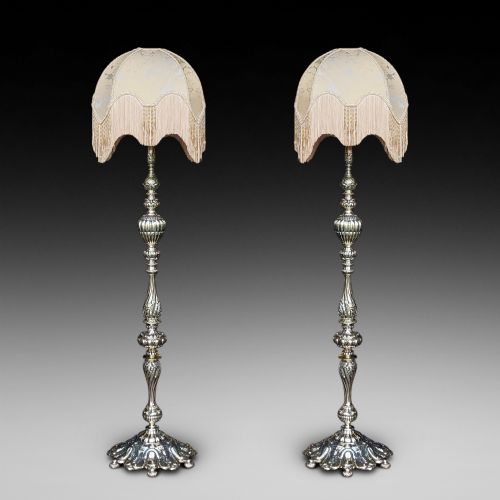


Baluster Stem Brass Light
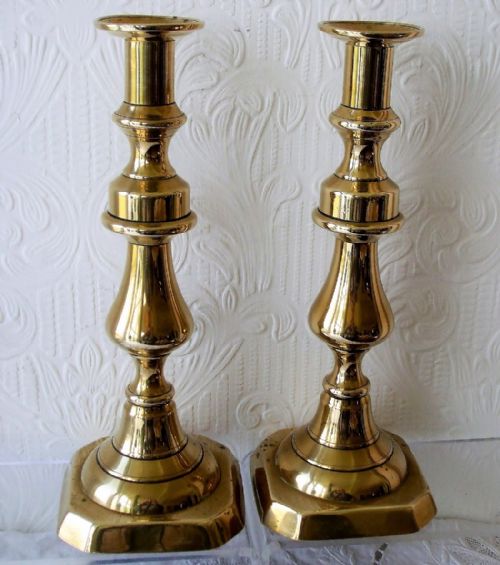
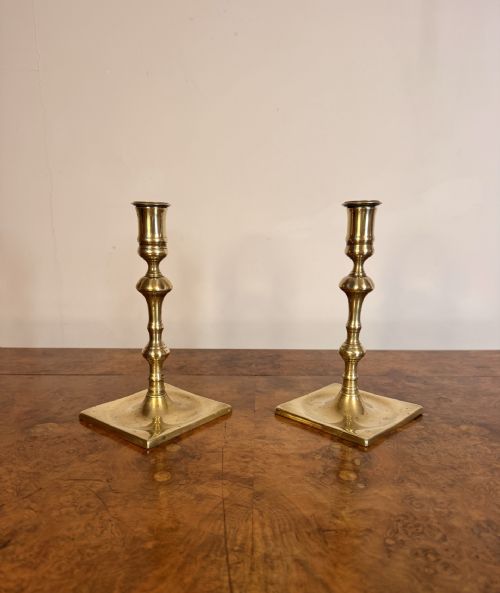
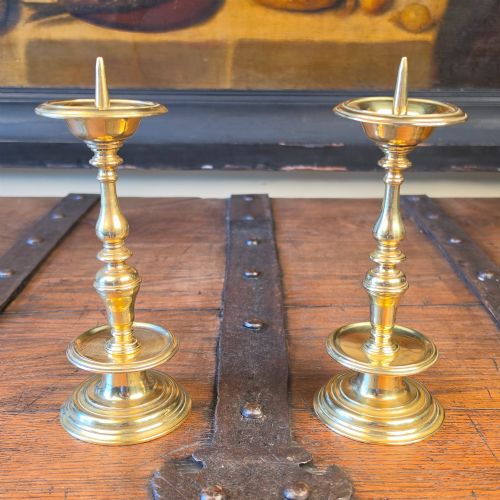
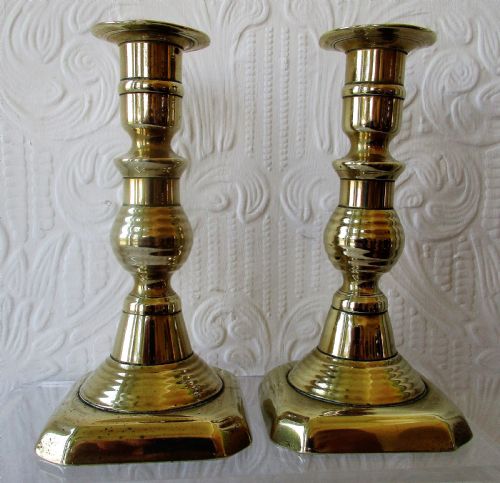
These baluster stem brass light pieces bring solid metal weight and structured turned columns to any room.
Baluster Stem Brass Light
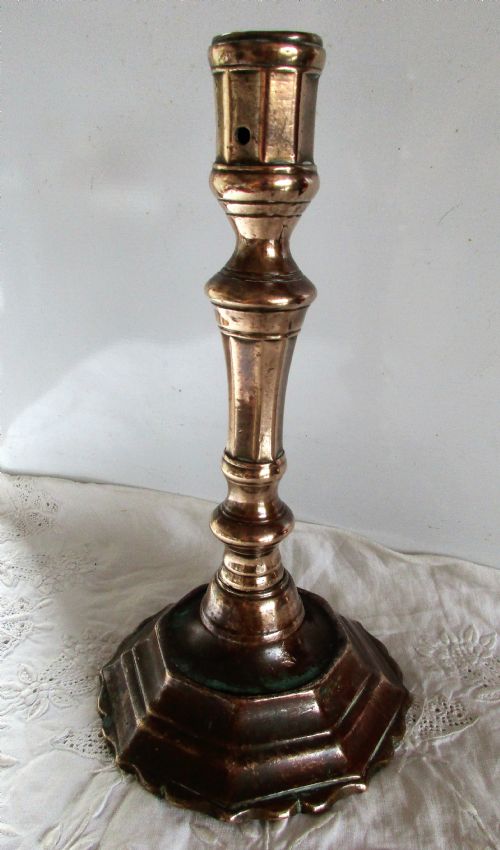
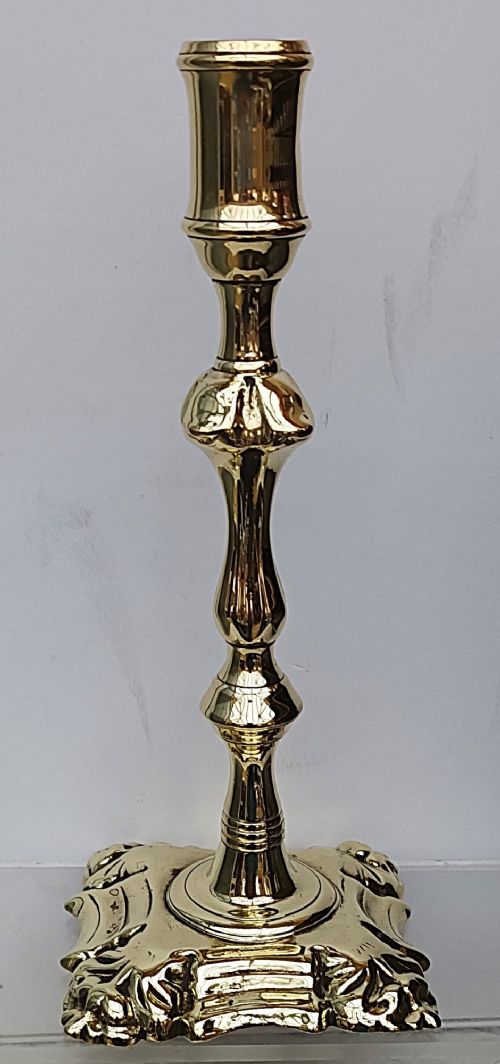
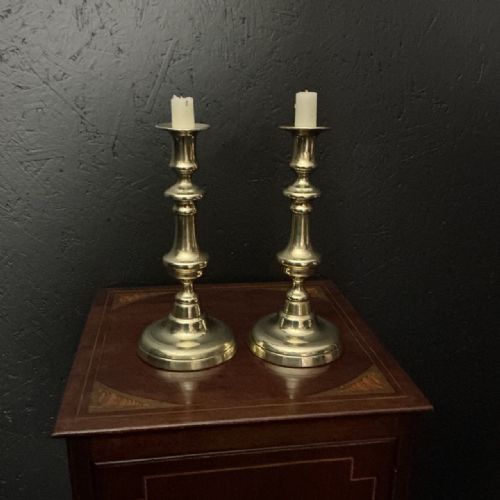
When you search for a baluster stem brass light, you encounter traditional lighting and candlesticks shaped by central turned columns. The selection spans the eighteenth century through to the Edwardian period and the nineteen-twenties, incorporating styles such as Georgian, Victorian, Dutch Baroque, and Flemish Renaissance.
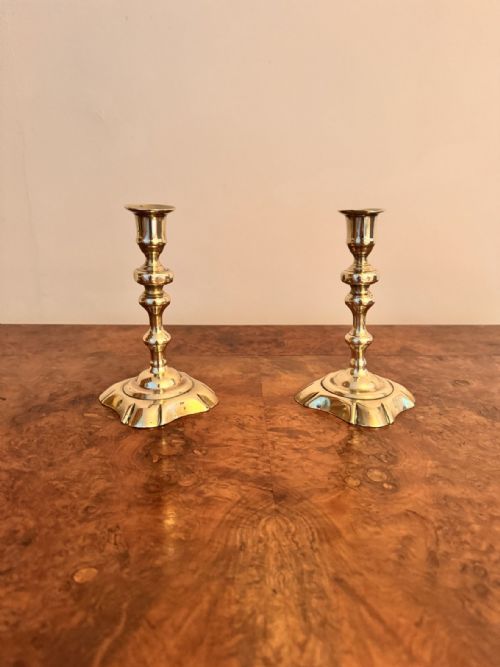
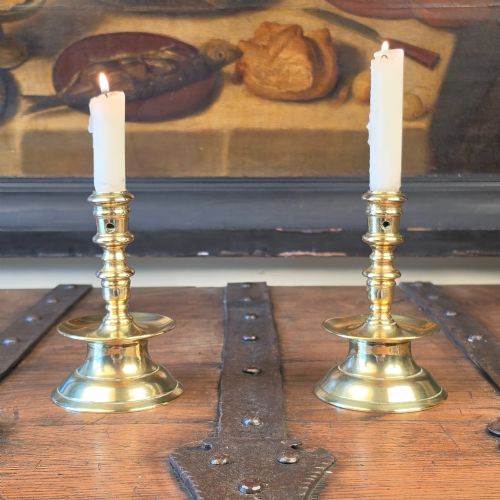
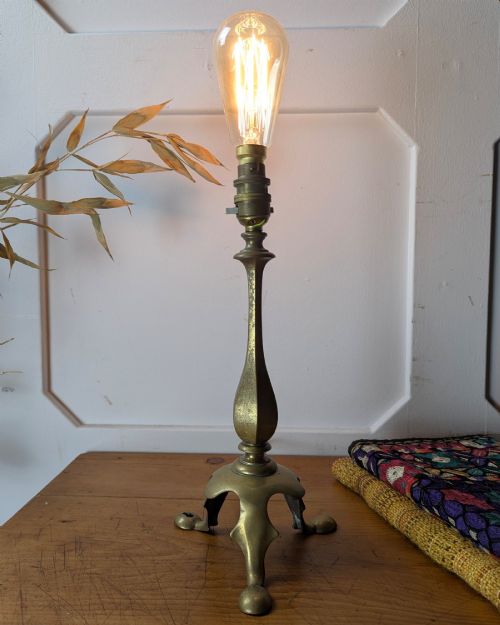
Candlesticks dominate the listings, alongside standard lamps, table lamps, wall lamps, and multi-armed chandeliers. Many examples originate from English and Dutch traditions, offering classic silhouettes like hexagonal bases, petal bases, and Heemskerk forms.
Materials and Construction
These items utilise cast and turned brass, alongside bronze, copper, silver plate, and occasional fabric elements with fringe. Metal components are cast in sections and shaped on the lathe to create the characteristic baluster profile.
Chandeliers employ scroll arms mounted around central stems, whilst candlesticks combine heavy cast sockets with shaped columns and broad drip pans or bases for stability.
Baluster Stem Brass Light Retail Price Guide 2026
Typical asking prices for baluster stem brass light among the pieces listed under this phrase on Sellingantiques today, from the lower quarter to the upper quarter. They describe what is for sale here now, not the wider market.
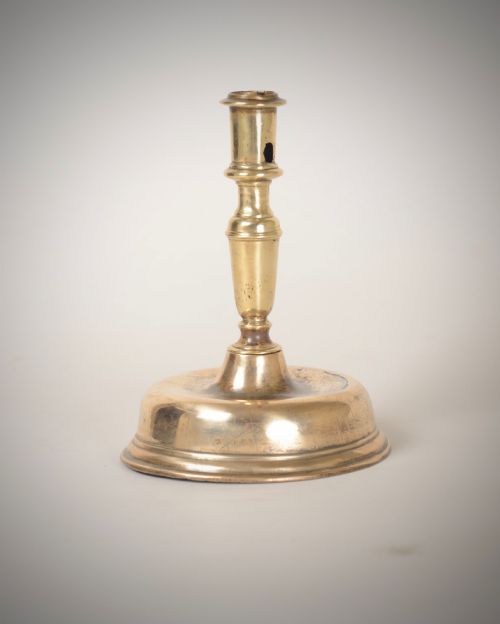
Some early candlesticks feature hidden ejector holes in the stem, allowing servants to poke out stubborn candle stubs with a pin.
Judging Quality in Metalwork
Superior examples display crisp casting detail and heavy gauge metal that provides substantial weight in the hand. The precision of the lathe work on the baluster stem and the clean integration of separate sections dictate the overall refinement of the piece.
Age and original surface patination distinguish finer items, where centuries of handling create deep, warm tones across the brass or bronze without obscuring the original form.
The Baluster Stem Brass Light Glossary
- Baluster
- A vertical architectural form with a swelling lower portion resembling a vase or column, commonly used for stems.
- Heemskerk candlestick
- An early Dutch brass candlestick type featuring a bell-shaped base, a prominent central drip pan, and a socket designed to eject candle stubs.
- Petal base
- A foot design fashioned with lobed, petal-like lobes radiating from the centre, frequent in eighteenth-century brassware.
- Scroll arm
- A curved, sweeping metal branch extending outward from a central chandelier body to support a light fitting or candle nozzle.
Baluster Stem Brass Light: Frequently Asked Questions
How do I date an old brass candlestick?
Dating relies on manufacturing techniques, base shapes, and assembly methods. Early examples often feature multi-part cast construction with visible seams and specific foot profiles like hexagonal or petal designs.
Later Victorian and Edwardian pieces show more uniform machine finishing and standardised threading. Comparing the overall weight and proportion helps align a piece with recorded periods from the eighteenth to the early twentieth century.
Were these lights converted from candles?
Many table lamps and standard lamps on the market began life as candlesticks or oil lamps before receiving later electrical wiring. Chandeliers often retain their original scroll arm configurations designed for candles or early illumination.
Inspect the internal channels and base drillings to understand how and when the adaptation took place. Professional conversion ensures safe integration with modern electrical standards while preserving the metal body.
How should I clean antique brass?
Original patination contributes significantly to the character and visual depth of older metalwork. Aggressive polishing removes the aged skin that develops over decades or centuries of exposure.
Dusting with a dry cloth and applying microcrystalline wax is generally sufficient to protect the surface. Avoid harsh chemical cleaners that strip away the authentic finish and leave the metal unnaturally bright.