


Austrian Portrait Painting
Austrian portrait painting brings faces from past centuries into focus through oils, watercolours, porcelain and enamel.
Austrian Portrait Painting
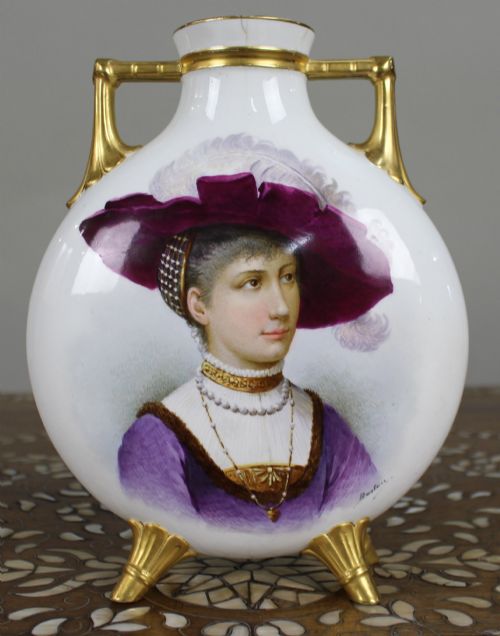
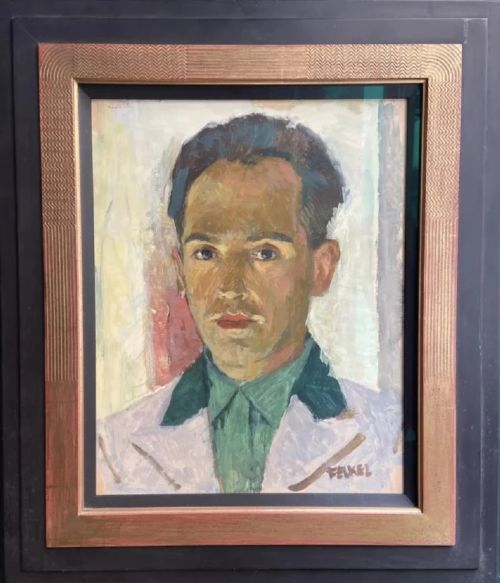
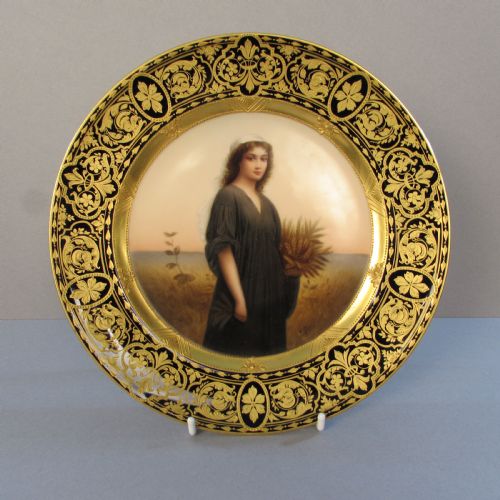
When you search for Austrian portrait painting, you encounter works spanning the eighteenth century through to the early decades of the twentieth century. These pieces encompass framed oil paintings on canvas and panel, delicate watercolours, and portraiture rendered on porcelain cabinet plates and lidded vases.
Materials and techniques
Makers utilised oil on canvas or wood panel for traditional framed artworks, building depth through layered brushwork and subtle tonal shifts. Watercolour on paper appears in smaller works, capturing finer linear detail.
Porcelain items combine ceramic bodies with hand-painted enamel portraits and rich gilding, often fired multiple times to fix the colours. Gilt wood frames and gold leaf enhance both paintings and decorative ceramic vessels.
Several gentlemen in these portraits pose with pipes, cigars or musical instruments, ensuring the sitters maintain their hobbies across the centuries.
Assessing quality and execution
The distinction between standard commercial pieces and superior works lies in the precision of the facial rendering and the psychological depth of the sitter. Master painters capture texture in fabrics, glints in eyes and natural skin tones with remarkable fidelity.
In porcelain and enamel works, the finesse of the miniature brushwork determines the caliber of the piece. Crisp gilding and well-preserved ceramic surfaces separate exceptional cabinet plates and vases from simpler decorative wares.
Carl Felkel·Hermann Armin Kern·Hans Temple·Ernst Whaliss·Erwin Eichinger
The Austrian Portrait Painting Glossary
- Cabinet plate
- A decorative ceramic plate intended for display in a cabinet rather than for dining. These often feature detailed hand-painted portraits or mythological scenes.
- Oil on panel
- A painting executed on a wooden board rather than stretched canvas. This rigid support offers a smooth surface suited to fine detail work.
- Royal Vienna
- A term applied to porcelain produced by the Vienna porcelain manufactory and later wares emulating its neoclassical style. Authentic pieces typically display the beehive or shield mark on the underside.
- Enamel
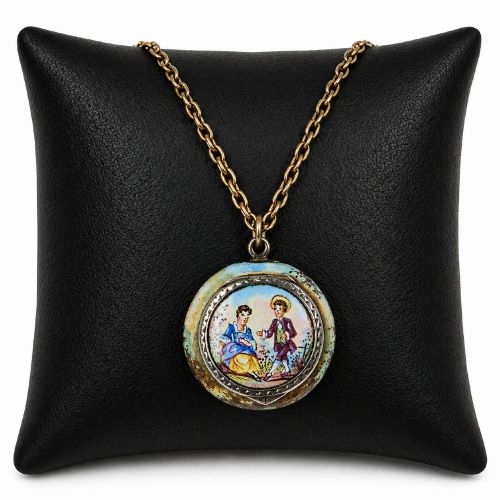
- A durable, glossy substance created by melting powdered glass onto metal or porcelain surfaces at high heat. It permits vibrant, permanent coloration on small items like lockets.
- Gilt wood
- Wood carved and coated with gold leaf or metallic paint. This finish frequently frames both canvas paintings and mirrors from the period.
Austrian Portrait Painting: Frequently Asked Questions
How do I date an antique portrait?
Dating relies on stylistic clues within the clothing, hairstyles and framing methods, alongside any signatures or maker marks present on the reverse.
Material analysis of the canvas, wood panel or porcelain body provides further confirmation of the period.
Are porcelain portraits fragile?
Porcelain cabinet plates and vases require careful handling to prevent chipping the ceramic or scratching the delicate enamel painted surfaces.
Displaying them securely away from high-traffic areas ensures they remain undamaged.
What is a cabinet plate?
Cabinet plates are decorative ceramic dishes designed purely for visual display rather than everyday domestic use.
They frequently feature finely painted portraits framed by elaborate gilded borders.